
How to Detangle Your Kids’ 4C Hair Without Tears
Disclosure: Some of the links in this post are affiliate links. This means if you click on the link and purchase an item, I will receive an affiliate commission at no extra cost to you.
Detangling can easily become one of the most stressful parts of caring for a child’s natural hair. A child may be tired, impatient, or already uncomfortable before you even pick up the comb. Then there is the crying, pulling away, complaints about pain, and the temptation to rush through the entire process.
But detangling does not have to be a battle.
When you know how to detangle your kids’ hair properly, the process can become gentler, faster, and much easier for both you and your child. The goal is not simply to remove every knot. It is to remove tangles while protecting the hair, scalp, edges, and your child’s trust.
Children with 4C hair often need extra patience because tightly coiled strands can shrink, wrap around each other, and form knots more easily. That does not mean their hair is difficult or unhealthy. It simply means the detangling process needs the right technique.
In this guide, you will learn how to prepare the hair, choose the right products and tools, work through knots without unnecessary pulling, keep your child comfortable, and prevent severe tangling between wash days.
Why Children’s 4C Hair Gets Tangled So Easily
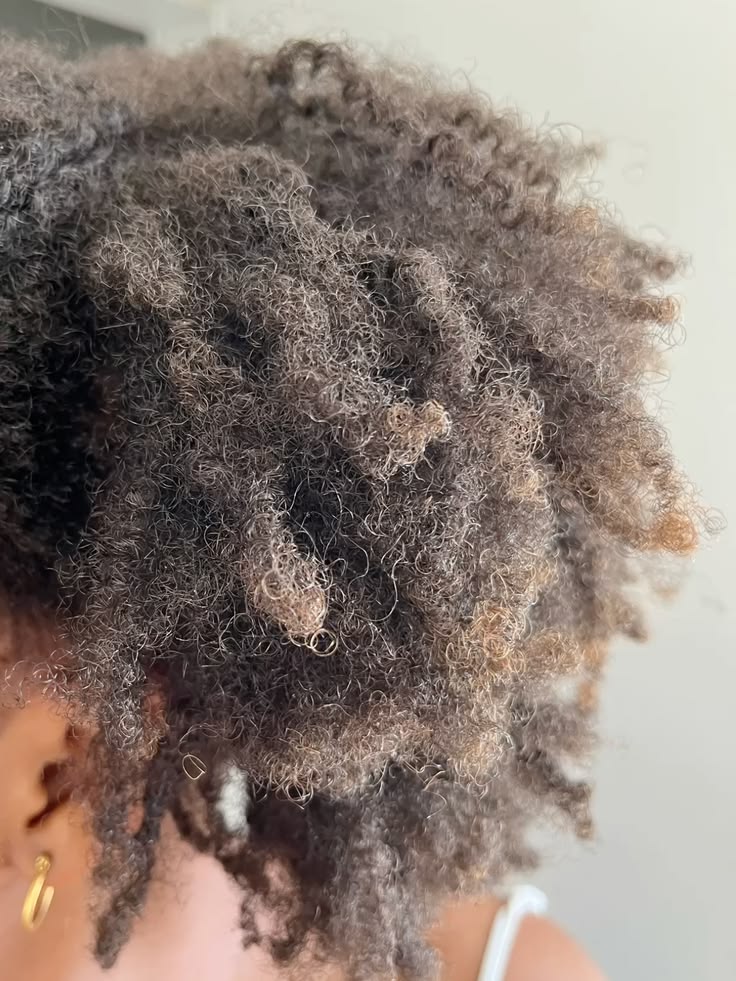
4C hair has a tightly coiled structure that can make individual strands curl around one another. As the hair moves, shrinks, dries, and rubs against clothing or bedding, strands can become intertwined.
Children are also naturally active. They play, sweat, sleep, run around, wear uniforms, and touch their hair throughout the day. All of this can contribute to tangling.
Shrinkage is another major factor. Hair that looks relatively short when dry may be considerably longer when stretched. When it shrinks back, sections of hair can become compressed and intertwined.
This is why having a simple kids’ hair care routine can make such a difference. Regular moisture, gentle handling, and appropriate styling reduce the amount of work needed when it is finally time to detangle.
Detangling also becomes harder when hair has been left loose for a long time without being moisturised or gently separated. That does not mean you need to comb your child’s hair every day. Excessive manipulation can create its own problems.
The better approach is to keep the hair moisturized, protected when appropriate, and gently separated when necessary.
Steps To Take To Detangle Your Kid’s Hair
Start With the Right Detangling Day
One of the biggest mistakes parents make is trying to detangle completely dry hair. Dry, tightly coiled hair usually has less slip, meaning the strands do not move past one another as easily.
Instead, choose a time when you have enough patience to work slowly. If your child is hungry, sleepy, rushing to school, or already upset, even a gentle process can turn into an argument.
Wash day can be a good time to detangle because the hair can be softened with water and conditioner. However, you do not always have to wait until wash day. If your child’s hair has become tangled between washes, lightly moisturising and sectioning it can help you work through smaller areas.
A consistent wash day routine for kids 4C hair can also reduce the amount of severe tangling you have to deal with later. The less tangled the hair becomes between wash days, the less stressful detangling will be.
Before you begin, gather everything you need. Do not start detangling and then realise you need to look for conditioner, clips, a towel, or a spray bottle.
Keep the atmosphere relaxed. Put on a children’s programme, play music, tell stories, or allow your child to hold a toy or book if that helps them stay comfortable.
The objective is to make detangling feel like part of hair care rather than a punishment.
Gather Your Detangling Tools
The tools you use can make the process much easier.
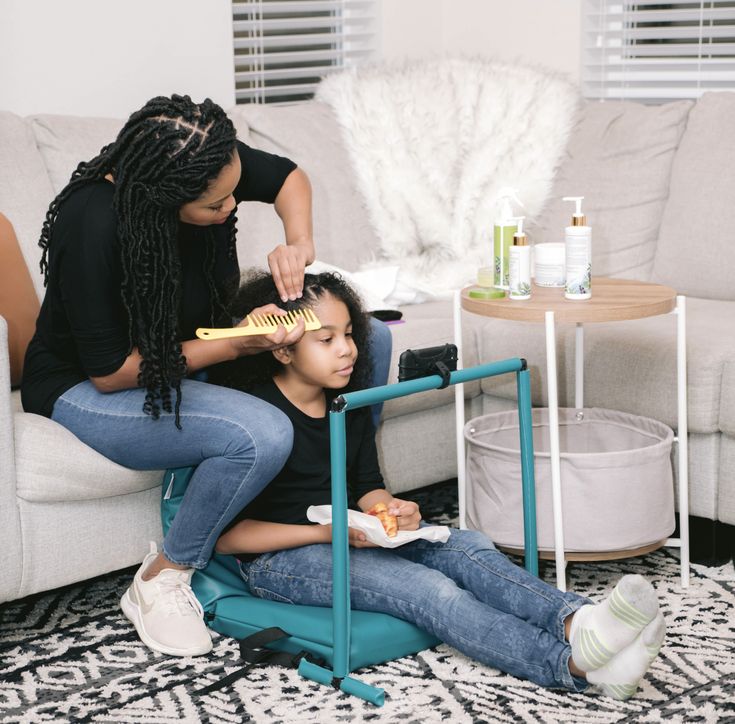
You do not need an enormous collection of hair products. A few simple items are enough:
- A spray bottle filled with water
- A slippery conditioner or detangling product
- Wide-tooth comb
- Detangling brush, if your child’s hair responds well to one
- Sectioning clips
- Soft towel or T-shirt
- Your fingers
Your fingers are actually one of your best detangling tools. They allow you to feel large knots and separate strands before introducing a comb.
A wide-tooth comb can then help remove smaller tangles after you have already loosened them with your fingers.
Avoid using fine-tooth combs on heavily tangled 4C hair. They can catch tightly coiled strands and encourage unnecessary pulling.
It is also useful to keep a few natural hair accessories available for styling the hair after detangling. Soft scrunchies, gentle clips, and satin accessories can help you put the hair away without immediately creating another round of tangles.
The right tool is not necessarily the one advertised as being specifically for children. The best tool is one that allows you to separate the hair without excessive force or discomfort.

Add Moisture and Slip Before You Comb
Moisture is one of the most useful parts of the detangling process.
You do not want the hair dripping wet, but you also do not want it completely dry. Lightly dampen the section you are working on, then apply enough conditioner or detangling product to give the strands plenty of slip.
Slip allows your fingers and comb to move through the hair more easily. This reduces the amount of force needed to remove knots.
If you are working with very dry hair, do not immediately start combing after spraying a small amount of water. Give the moisture a little time to soften the section, then add conditioner or another suitable product.
Parents who struggle with persistent dryness may also find it useful to review their child’s weekly hair care routine and look at whether the hair is receiving enough moisture between wash days.
Do not assume that using a large amount of product will automatically make detangling easier. Apply enough to coat and soften the hair without turning the child’s head into a heavy, greasy mess.
Work in small sections and add more product when necessary.
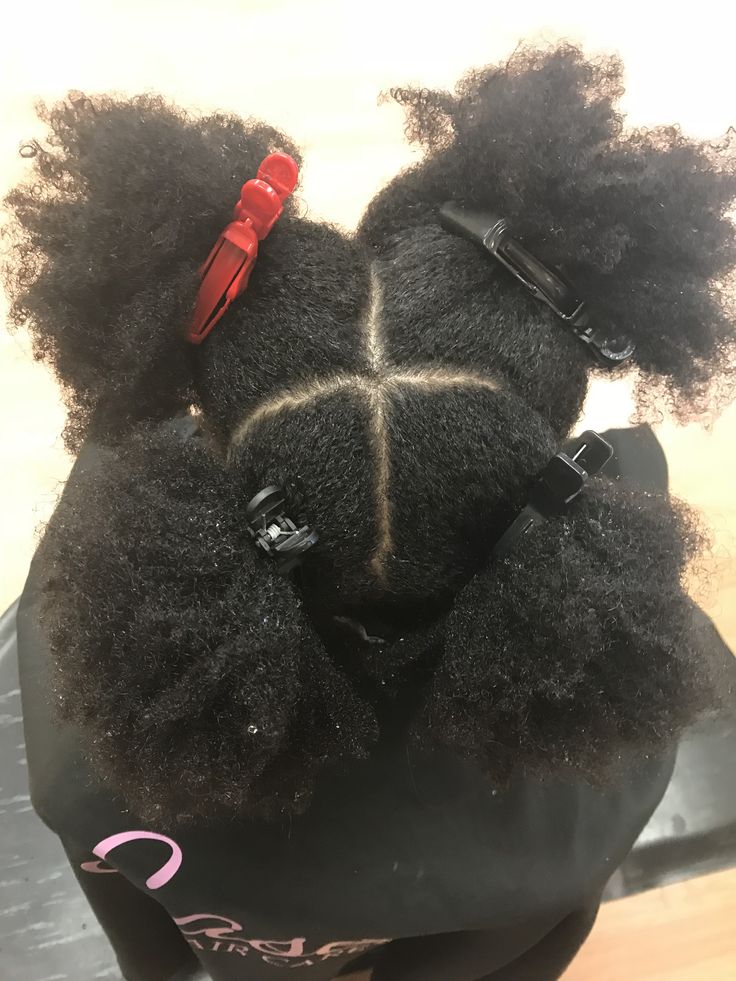
Divide the Hair Into Small Sections
Trying to detangle your child’s entire head at once is a recipe for frustration.
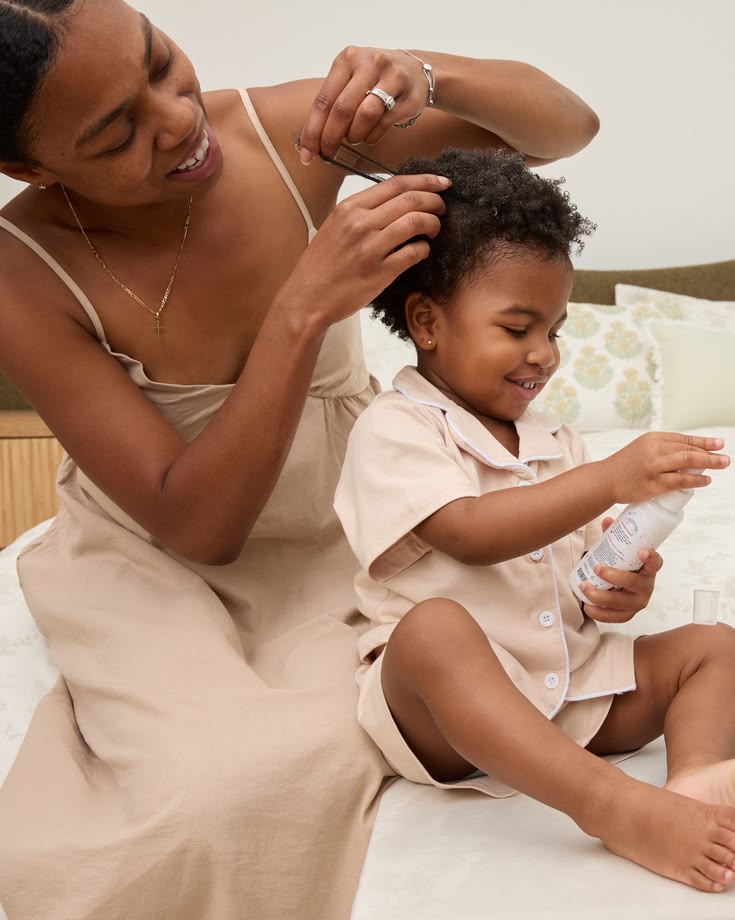
Instead, divide the hair into four to eight manageable sections, depending on its length and thickness. Secure the sections you are not working on with gentle clips or loose bands.
Take one section and divide it again if it is particularly thick.
This technique keeps the rest of the hair from getting in your way. It also gives your child a clear sense of progress. Instead of feeling like they have to sit through an endless process, you can tell them, “We have finished this section.”
Small sections also make it easier to identify individual knots.
If your child’s hair becomes extremely tangled, do not be tempted to make the sections enormous just because you want to finish quickly. Large sections usually require more pulling because the comb has to work through more hair at once.
Sectioning is also useful when creating easy school hairstyles because you can detangle and style one area at a time without repeatedly disturbing the entire head.
Detangle From the Ends to the Roots
This is one of the most important rules for how to detangle your kids’ hair without unnecessary pain.
Start at the ends.
Do not put the comb at the roots and drag it all the way down through a tangled section. If there is a knot near the middle or ends, the comb will push more hair into the knot as it travels downward.
Instead, hold the section firmly but gently above the area you are working on. Use your fingers to loosen the ends first.
Once the ends are relatively clear, move slightly higher.
Continue working upward until you eventually reach the roots.
Think of it as removing tangles in stages rather than trying to conquer the whole section in one stroke.
This technique can significantly reduce pulling. It also helps you preserve strands that might otherwise snap when a comb meets resistance.
If the comb gets stuck, stop.
Do not yank it through.
Add more conditioner, separate the knot with your fingers, and try again.
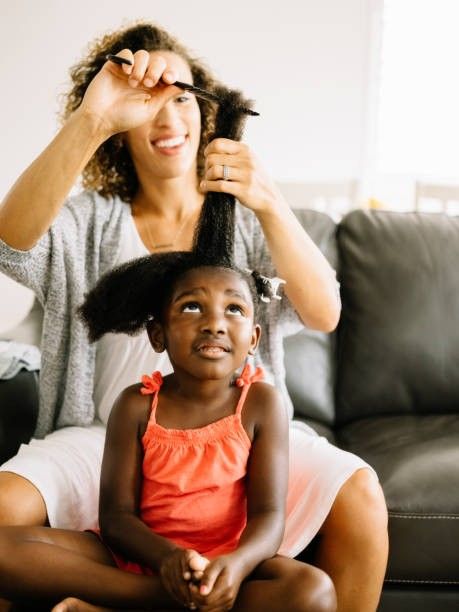
Use Your Fingers Before the Comb
Finger detangling may take a little longer at first, but it can make the entire process gentler.
Take a small section and gently pull it apart with your fingers. Feel for knots and carefully separate individual strands where possible.
When you encounter a knot, do not immediately pull harder. Use your fingertips to loosen the outside of the knot. You can add more conditioner if the hair starts feeling dry.
Your fingers can also help you identify shed hair wrapped around healthy strands.
This matters because some loose strands are naturally shed and may become trapped in surrounding curls. Removing them gently can prevent them from contributing to larger knots.
Once your fingers can move through the section reasonably well, use a wide-tooth comb if necessary.
For children who are particularly sensitive to combing, finger detangling can become the main technique rather than simply a preparation step.
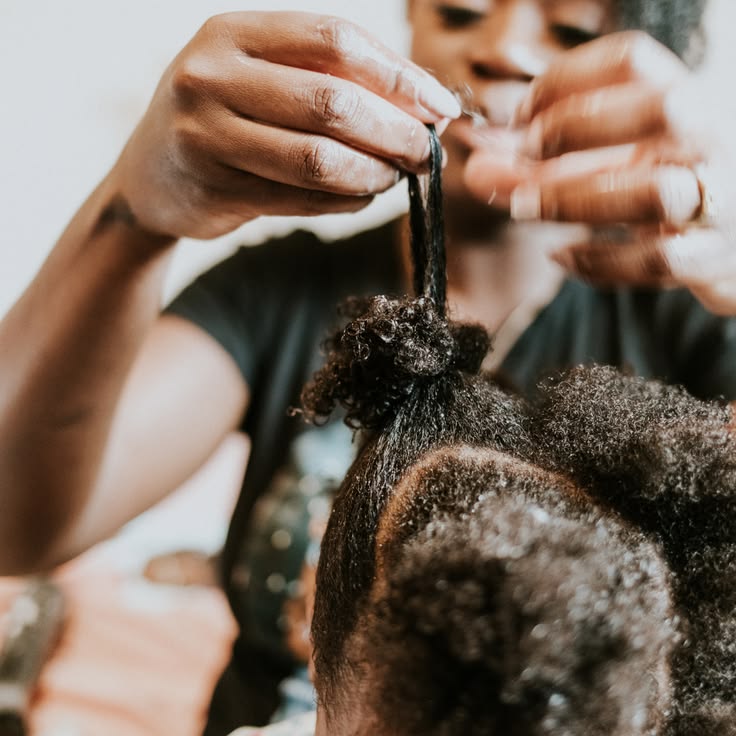
Hold the Hair Near the Roots
Even when you are using plenty of conditioner, your child may feel pulling if you do not support the hair near the scalp.
Place your hand around the section close to the roots while working through the ends.
This prevents the movement of the comb or brush from transferring directly to the scalp.
It is a small technique, but children notice the difference.
If your child says, “That hurts,” stop and check what is happening. Do not automatically assume they are simply being difficult. The comb may have caught a knot, the section may be too large, or the hair may not have enough moisture and slip.
Supporting the roots is especially helpful around sensitive areas such as the hairline and temples.
These areas deserve extra care because repeated pulling can contribute to breakage. Parents can also review the hairline protection habits they use when styling their child’s hair and avoid tight styles that place unnecessary tension on fragile edges.
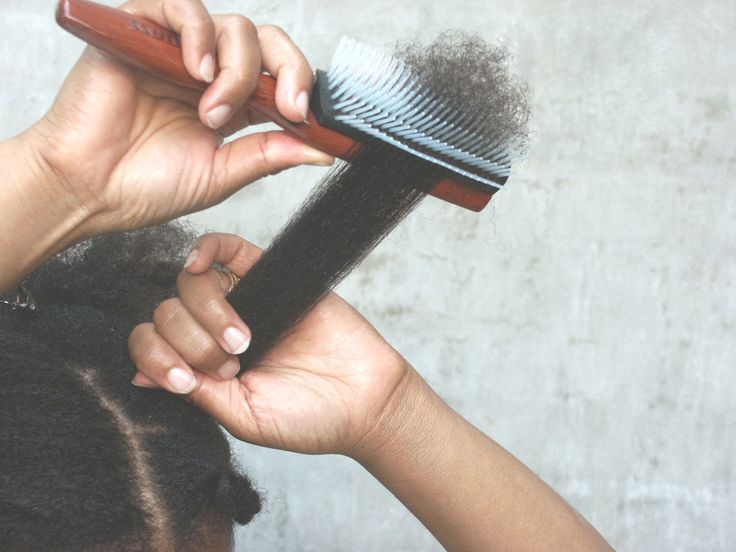
Be Extra Gentle With Knots
Not every knot needs to be attacked with a comb.
When you find a stubborn knot, isolate it from the rest of the section. Add conditioner and gently massage the product into the knot.
Use your fingers to tease apart the strands from the outside.
If a few strands are wrapped tightly together, separate them gradually rather than trying to pull them apart in one movement.
Sometimes a small amount of shed hair is holding the knot together. Carefully loosening those strands can make the rest of the knot easier to remove.
If a knot is extremely tight and removing it would cause significant pain or breakage, consider whether cutting a tiny section is actually safer than forcing the comb through it.
Preserving every single strand is not worth hurting your child or damaging a large area of hair.
The key lesson in how to detangle your kids’ hair is that patience usually works better than force.

Turn Detangling Into a Routine, Not an Emergency
If your child’s hair is only handled when it becomes severely tangled, detangling will naturally feel like a major event.
A better approach is to maintain the hair consistently.
This does not mean combing it every morning. In fact, frequent manipulation can create unnecessary friction and breakage.
Instead, keep the hair moisturised and use styles that help reduce daily tangling.
Loose hair can be beautiful, but children who are very active may benefit from simple styles that keep the strands organised. Depending on their age, hair length, and lifestyle, you might use loose twists, braids, puffs, or other gentle styles.
You can explore protective styles for kids when you need a style that keeps the hair contained for longer periods.
At night, a satin bonnet or satin pillowcase can also help reduce friction against bedding.
The goal is not to prevent every single knot. Some tangling is normal with curly hair. The goal is to prevent small tangles from becoming large, painful mats.
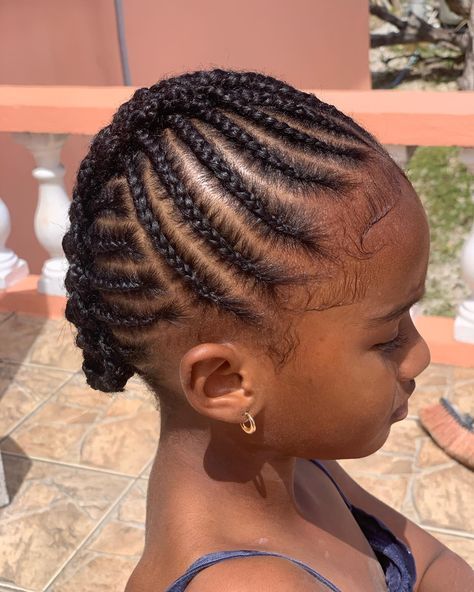
Choose Hairstyles That Make Detangling Easier
The hairstyle your child wears during the week can affect what wash day looks like.
Very loose hair that is constantly rubbed against clothing, touched, or exposed to wind may become tangled more quickly.
On the other hand, a style that is too tight can cause discomfort and unnecessary tension.
Aim for simple, comfortable hairstyles that keep the hair organised without pulling the scalp.
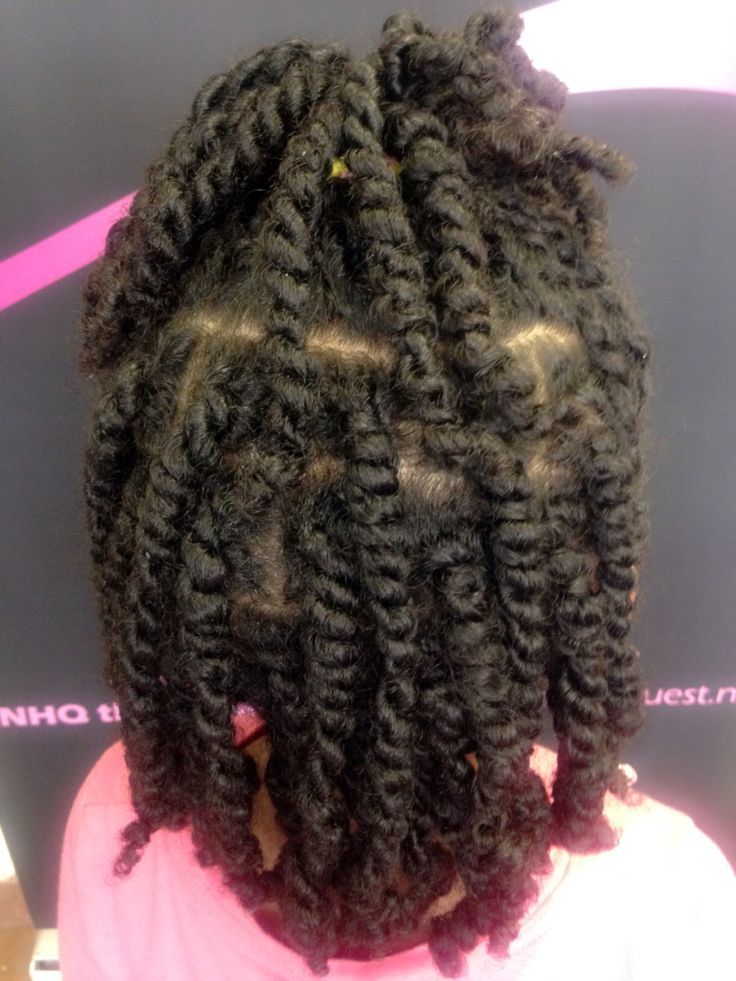
Two-strand twists are one example. Simple braids can also keep sections together and reduce the amount of daily manipulation.
If your child enjoys wearing their hair out, you can still make detangling easier by gently separating the hair into sections at the end of the day rather than waiting until several days of tangling have accumulated.
There are plenty of school hairstyles for natural hair that can keep a child’s hair neat while still allowing them to play comfortably.
Avoid making every hairstyle extremely tight simply because you want it to last longer. A hairstyle that stays neat for two weeks but causes pain is not a good trade-off.
Know When to Stop
Sometimes the best thing you can do is take a break.
Children have limits. Sitting still for a long time can become uncomfortable, especially when their scalp is sensitive.
If your child is becoming frustrated, divide the process into shorter sessions.
You might detangle half of the hair, take a break, and finish later.
There is no prize for completing the entire head as quickly as possible.
If your child experiences repeated pain during detangling, pay attention to the pattern. The problem may be the technique, the tools, the condition of the hair, or the hairstyle being worn between detangling sessions.
You can also look at whether the hair is becoming excessively dry or breaking easily. A healthy scalp and healthy hair routine should make regular care manageable, not consistently painful.
Parents should also learn to recognise signs that a child’s scalp needs extra care, especially if itching, sores, unusual flaking, tenderness, or persistent irritation occurs.
Common Detangling Mistakes to Avoid
Even parents who have been caring for natural hair for years can make detangling harder than necessary.
One common mistake is combing from the roots to the ends. This can push tangles together and create unnecessary pulling.
Another is trying to detangle completely dry hair. If the hair needs moisture, adding water and conditioner can make the process much easier.
Using a tiny amount of conditioner is another problem. If the hair has very little slip, the comb may struggle to move through it.
Some parents also use excessive force when the comb gets stuck. Stop instead. Remove the comb, separate the knot with your fingers, add more product, and try again.
Do not ignore your child’s complaints about pain. Hair care should teach children that caring for their natural hair can be comfortable and enjoyable.
Finally, avoid leaving severe tangles for too long because you are worried about causing discomfort. The longer a knot remains, the more difficult it may become to remove.
A consistent routine is much easier than dealing with major tangles every few weeks.
How to Make Detangling Less Stressful for Your Child
The technique matters, but your child’s experience matters too.
Give them some control over the process. Let them choose between two hairstyles, pick a movie to watch, or help hold the spray bottle.
For younger children, you can explain what you are doing before touching their hair.
Instead of suddenly pulling at a knot, say that you found a small knot and you are going to loosen it gently.
Older children can also learn simple hair-care skills. Teach them how to apply conditioner, divide their hair into sections, or gently separate a small knot with their fingers.
This helps them become more comfortable with their hair instead of seeing detangling as something that adults simply do to them.
You can also establish a simple phrase that lets your child tell you when something hurts. When they say it, pause and investigate rather than continuing automatically.
Over time, this builds trust.
Children remember how hair care made them feel. A gentle approach can help them grow up feeling more confident about their natural hair.
What to Do After Detangling
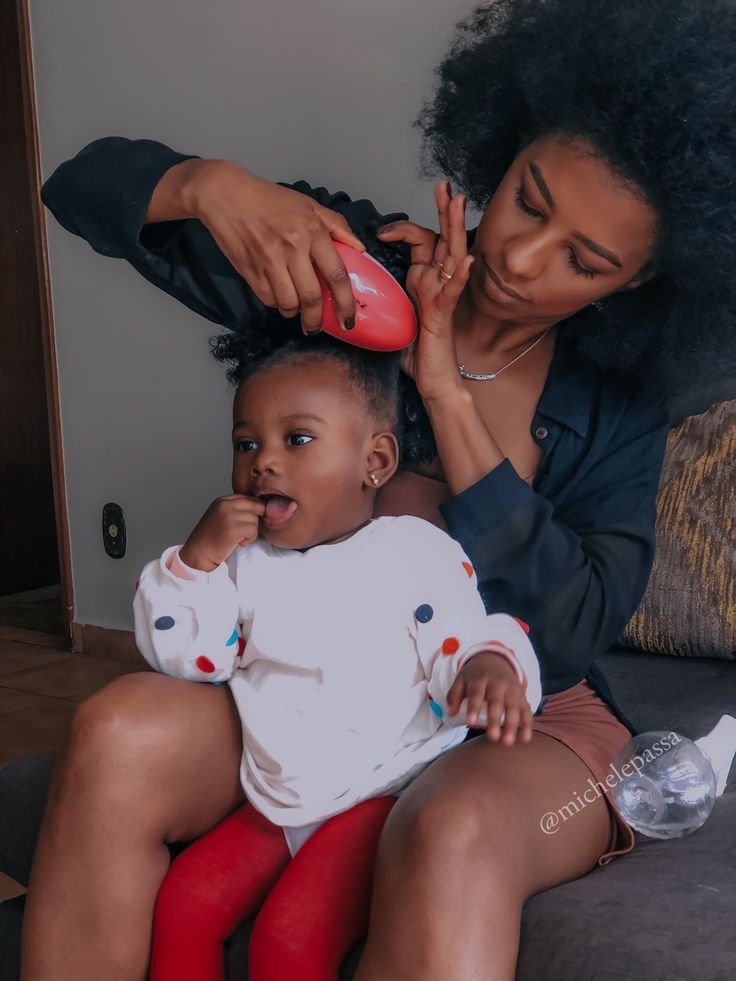
Once the hair is completely detangled, avoid immediately allowing it to become tangled again.
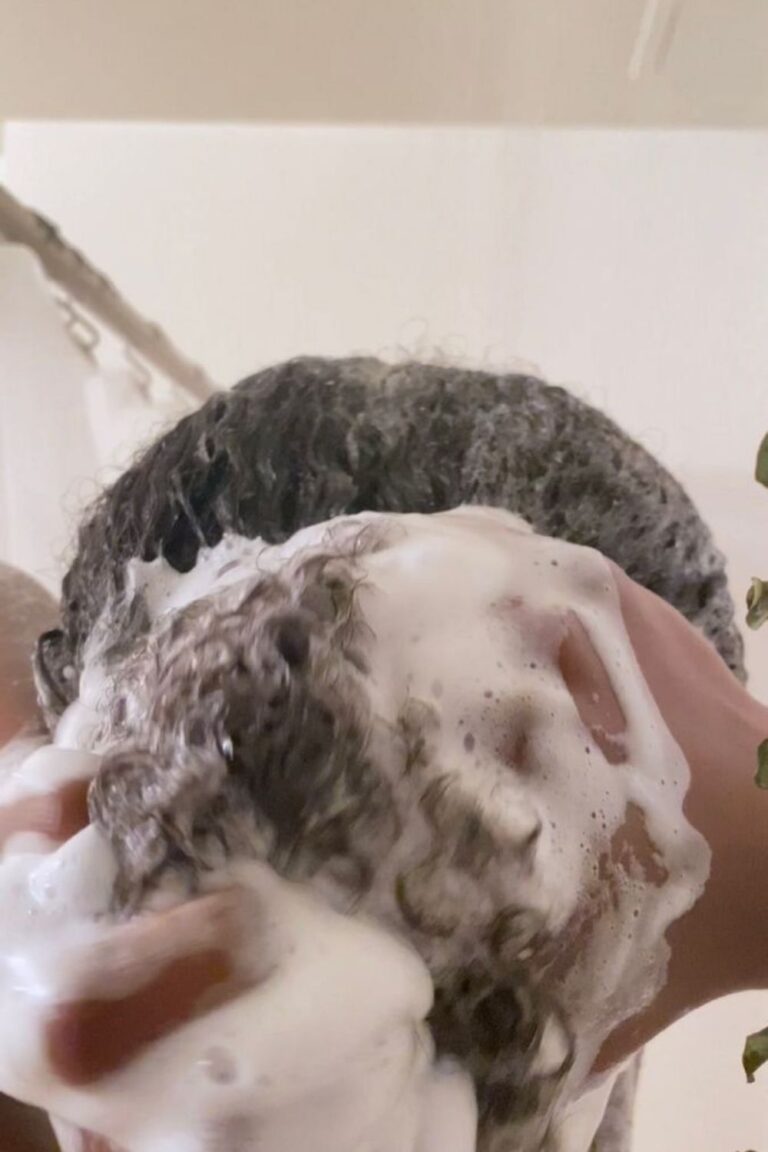
If you are washing the hair, continue with your normal cleansing and conditioning routine. A suitable deep conditioner can be useful when the hair feels particularly dry, although not every wash day needs an intensive treatment.
After washing, gently squeeze excess water from the hair with a soft T-shirt or towel. Avoid rough rubbing because friction can create tangles again.
Apply your usual leave-in or moisturising product, then style the hair while it is still manageable.
This is also a good time to inspect the hair for unusual breakage, excessive dryness, or areas that seem weaker than the rest.
If your child has a particularly dry hair routine, consider whether their products and styling habits are providing enough moisture without creating heavy buildup.
The simpler the post-wash routine, the easier it will be to maintain the hair until the next wash day.
How Often Should You Detangle Your Child’s 4C Hair?
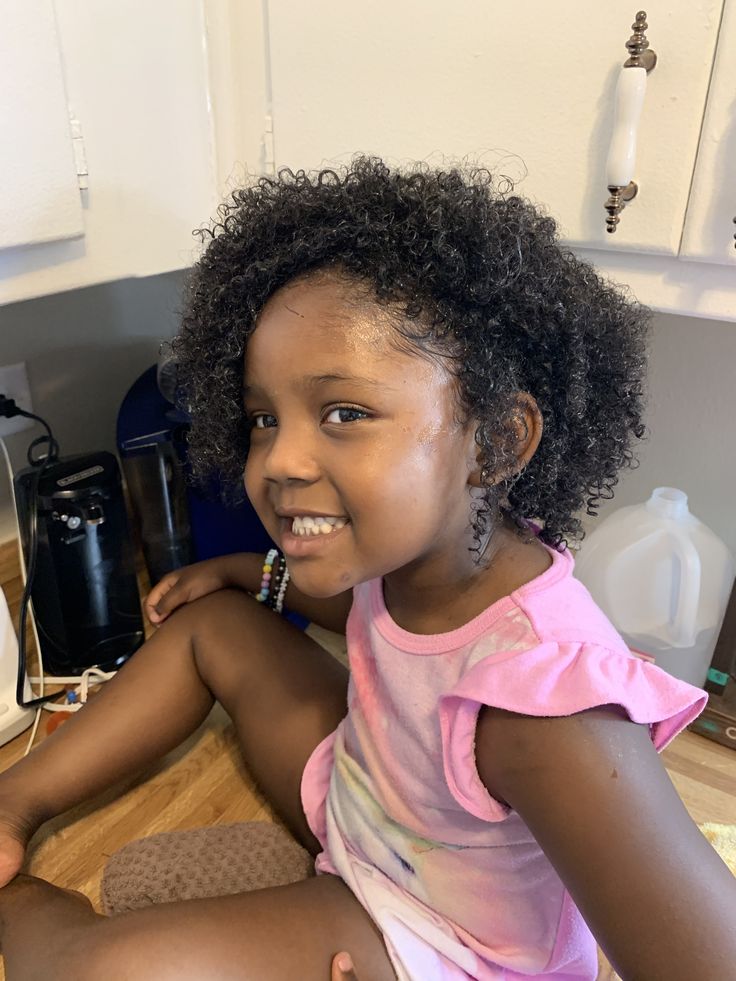
There is no single schedule that works for every child.
Some children may need gentle detangling several times a week because they wear their hair loose and are very active. Others may keep their hair in organised styles and only need thorough detangling during wash day.
The important thing is not to manipulate the hair unnecessarily.
If you notice that your child’s hair is becoming increasingly tangled, adjust the maintenance routine rather than simply combing it harder.
For example, you might moisturise the hair more consistently, use smaller sections, choose a lower-manipulation hairstyle, or refresh the hair before bedtime.
You should also avoid assuming that more frequent combing automatically means healthier hair. Too much manipulation can lead to breakage, especially when the hair is dry.
If you are unsure about your child’s washing schedule, learning how often to wash 4C hair can help you create a routine that balances cleanliness, moisture, and manageable styling.
Frequently Asked Questions
Should I detangle my child’s 4C hair wet or dry?
Damp or wet hair with plenty of conditioner is usually easier to detangle than completely dry hair because the strands have more slip and flexibility. However, soaking the hair is not always necessary. The best approach depends on how tangled and dry the hair is.
Should I use a comb or my fingers first?
For heavily tangled 4C hair, start with your fingers. Your fingers can help identify knots and separate larger tangles before a wide-tooth comb is introduced.
Why does my child’s hair tangle again so quickly?
Tangling can happen because of shrinkage, loose hair, dryness, friction, frequent touching, active play, or simply the natural structure of tightly coiled hair. Keeping the hair moisturised and organised can reduce severe tangling.
Is it okay to cut a very tight knot?
If a knot is extremely tight and removing it would cause significant pain or extensive breakage, carefully cutting the affected strands may sometimes be safer than forcing a comb through the knot. Avoid cutting close to the scalp without being certain of what you are doing.
Can I detangle my child’s hair every day?
Daily detangling is usually unnecessary and may cause excessive manipulation. Instead, focus on keeping the hair moisturised and choosing styles that reduce daily tangling.
Final Thoughts
Knowing how to detangle your kids’ hair is less about finding a magical product and more about changing the way you approach the process.
Start with moisture. Divide the hair into manageable sections. Use your fingers before the comb, begin at the ends, support the hair near the roots, and never force a comb through a stubborn knot.
Most importantly, pay attention to your child’s comfort.
A few extra minutes of patience can prevent unnecessary breakage and turn a stressful chore into a calm part of their natural hair routine. With consistent care, suitable hairstyles, and gentle handling, detangling your child’s 4C hair can become much easier over time.
The goal is not perfectly tangle-free hair every day. The goal is healthy hair, a comfortable scalp, and a child who feels good about caring for their natural hair.



One Comment