
60 Wash Day Tips Every Natural Should Know
Disclosure: Some of the links in this post are affiliate links. This means if you click on the link and purchase an item, I will receive an affiliate commission at no extra cost to you.
Wash day can be one of the most satisfying parts of having natural hair, but it can also become tiring when your hair feels dry, tangled, rough, or difficult to manage. A good wash day is not about using the most products or following a complicated routine. It is about giving your hair and scalp the right care while reducing unnecessary manipulation.
For 4C and other tightly coiled hair types, small changes can make a noticeable difference. From detangling before shampooing to choosing the right water temperature, the way you handle your hair during wash day can affect moisture, breakage, definition, and length retention.
These wash day tips will help you make your routine easier, gentler, and more effective. You do not need to start using all 60 at once. Pick the ones that solve your current hair problems and build from there.
1. Start With a Clean Scalp
A healthy wash day begins with your scalp. Before focusing on the strands, make sure you are giving your scalp enough attention to remove sweat, dirt, excess oil, and product buildup.
If your scalp regularly feels uncomfortable between washes, you may also benefit from reading about a healthy scalp and the signs that your scalp needs extra care.
2. Detangle Before Shampooing
If your hair is heavily tangled, jumping straight into shampooing can make the knots worse.
Gently separate your hair with your fingers first, then use a wide-tooth comb or detangling brush if needed. Working in sections gives you much more control.
3. Divide Your Hair Into Sections
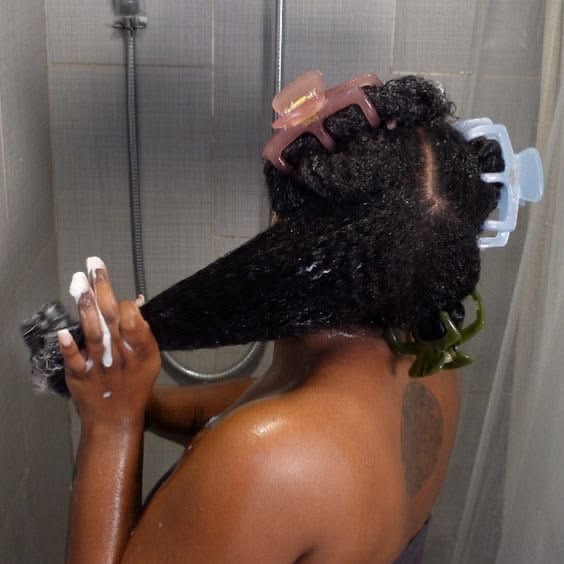
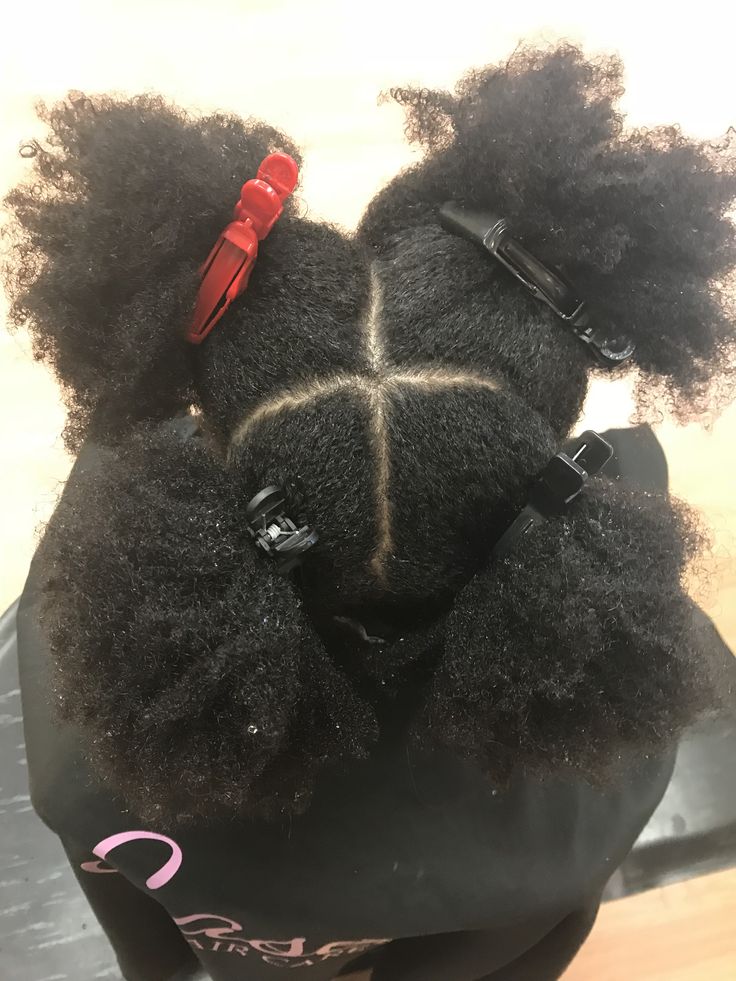
Sectioning is one of the simplest wash day tips for natural hair.
Instead of trying to wash your entire head at once, divide your hair into four to eight sections. Larger sections may work for shorter or less dense hair, while very thick hair may be easier to manage in smaller sections.
4. Use Your Fingers First
Your fingers can often feel knots before a comb does. Use them to gently separate shed hairs and loosen tangles before bringing in a tool.
This can reduce the amount of unnecessary pulling your hair experiences.
5. Do Not Detangle Completely Dry Hair
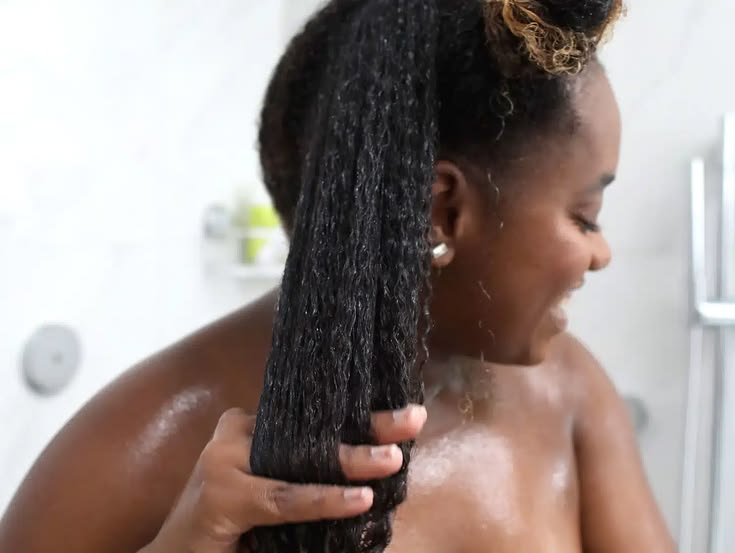
Dry, tangled natural hair can be difficult to manipulate without causing breakage.
Add water or a slippery conditioner before attempting serious detangling. Your hair should have enough moisture and slip to allow your fingers or comb to move through it more easily.
For more detailed guidance, follow a proper wash day routine designed for nappy 4C hair.
6. Use a Pre-Poo When Your Hair Needs It
A pre-poo involves applying a conditioner or suitable oil-based treatment before shampooing.
It can make detangling easier and may help your hair feel less stripped after cleansing. You do not necessarily need to pre-poo every wash day, so pay attention to how your hair responds.
7. Do Not Use Too Much Oil During Pre-Poo
More oil does not automatically mean better results.
A heavy layer of oil can make shampooing more difficult and may require repeated cleansing. Use enough to provide lubrication without completely coating your hair.
8. Choose Shampoo Based on Your Hair’s Needs
There is no single shampoo that works perfectly for everyone.
If your hair is frequently dry, you may prefer a gentler moisturizing shampoo. If you regularly use gels, creams, oils, and butters, you may occasionally need a stronger cleanser.
You can compare your options with a guide to the best shampoos for 4C hair.
9. Focus Shampoo on the Scalp
Your scalp produces oils and collects sweat, dirt, and product residue. That is where shampoo should do most of its work.
Apply shampoo primarily to your scalp and allow the lather to travel down the hair as you rinse.
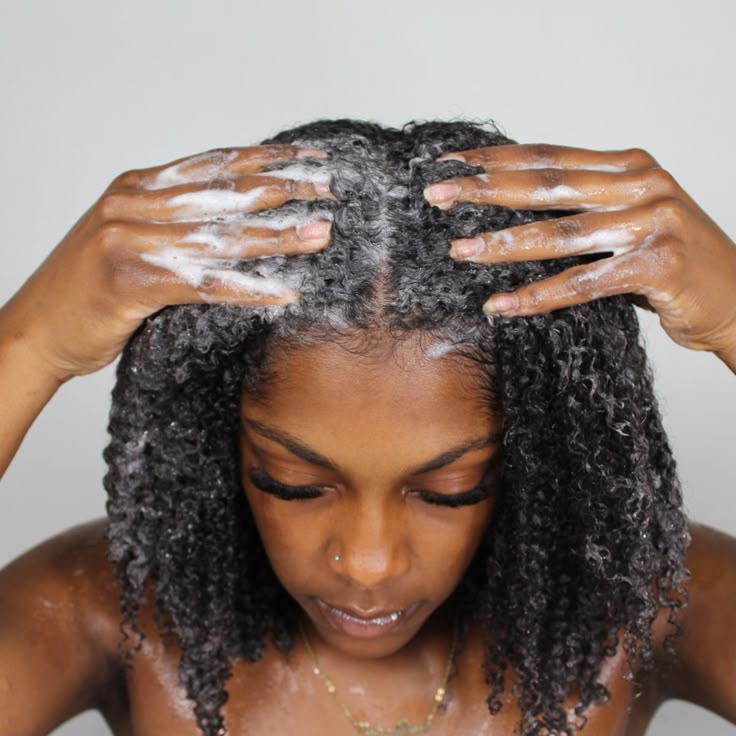
10. Do Not Roughly Scrub Your Hair
Aggressive scrubbing can create unnecessary tangles.
Use the pads of your fingers to massage the scalp gently. Avoid scratching with your fingernails, especially if your scalp is already sensitive.
11. Shampoo in Sections
If your hair is thick or long, shampooing in sections can make the process much easier.
Keep each section controlled while you cleanse, then move on to the next one.
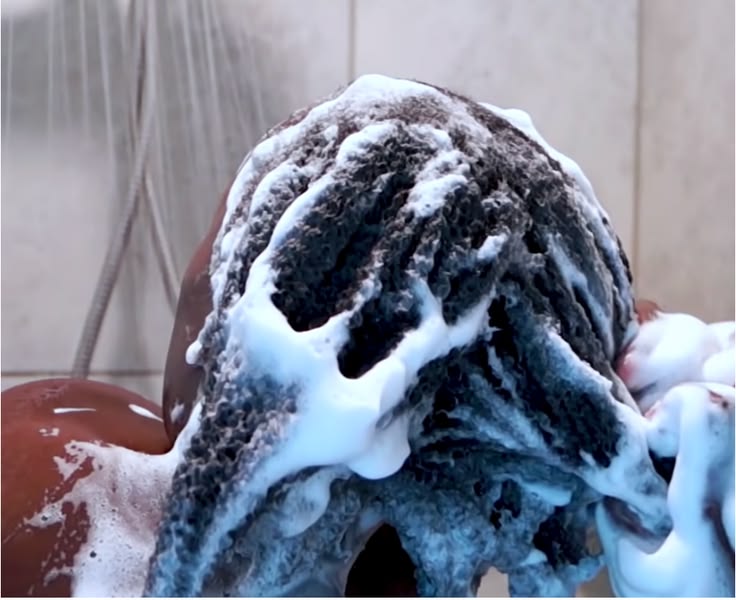
12. Rinse Thoroughly
Leftover shampoo can make your hair feel rough or leave residue on your scalp.
Take enough time to rinse until the water running through your hair is free of obvious product.
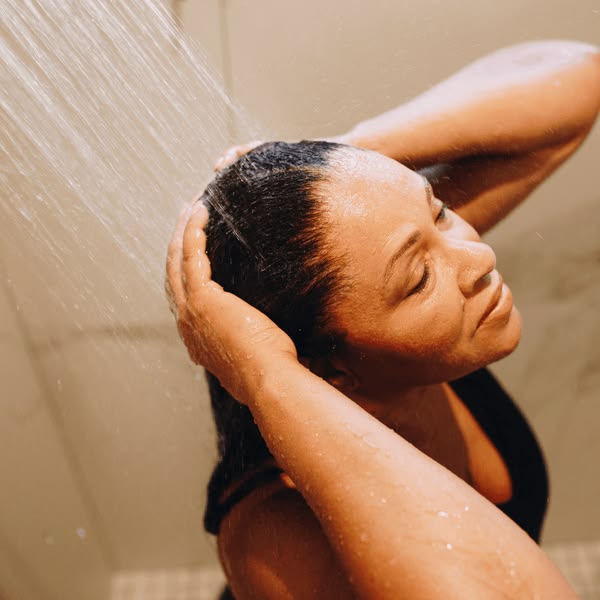
13. Pay Attention to Water Temperature
Very hot water can leave some hair feeling dry and uncomfortable.
Use comfortably warm water when cleansing and rinsing. You do not need extremely hot water to get your scalp clean.
14. Do Not Skip Conditioner
Shampoo cleanses, but conditioning helps restore softness and manageability.
Apply conditioner after cleansing, especially if your hair tends to feel rough after shampooing.

15. Choose Conditioner for Your Hair’s Needs
A lightweight conditioner may work well for some routines, while thicker, richer formulas may be more suitable for very dry or dense hair.
Take a look at the best conditioners for 4C hair when you need help comparing options.
16. Give Conditioner Enough Time to Work
Do not immediately apply conditioner and rinse it out.
Follow the product’s recommended processing time. Allowing the conditioner to sit for several minutes can make the hair easier to manipulate.
17. Detangle With Conditioner
Conditioner usually gives your hair more slip than shampoo.
Apply it generously enough to coat the strands, then gently detangle from the ends upward.
18. Start Detangling at the Ends
One of the most useful wash day tips is to stop starting at the roots.
Begin at the ends and slowly work upward. This prevents knots from being pushed toward the ends and reduces unnecessary pulling.
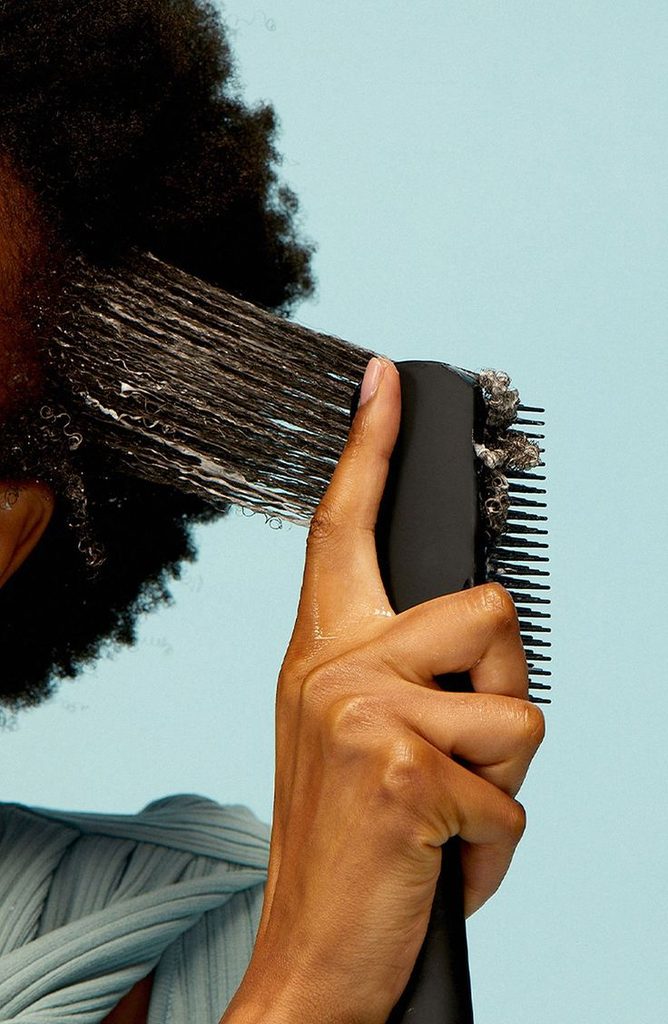
19. Hold the Section While Detangling
Use one hand to hold the hair close to the roots while the other hand detangles the section.
This reduces the amount of force transferred to your scalp and roots.
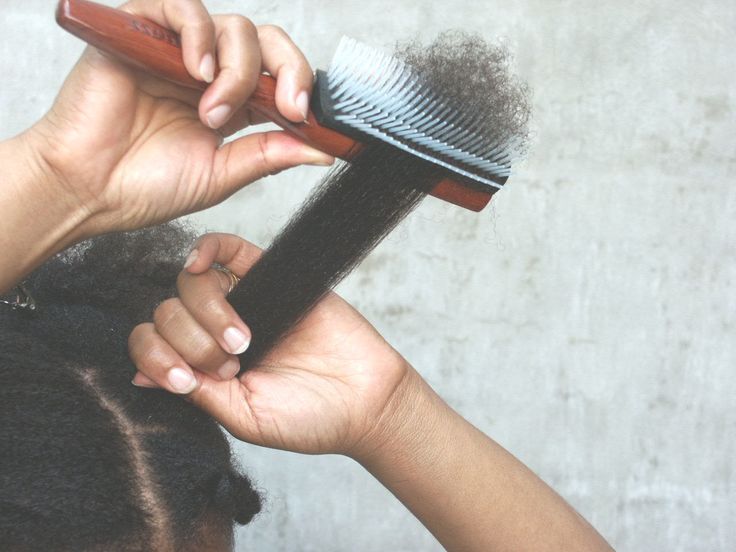
20. Remove Shed Hair Gently
Seeing hair in your comb or shower drain after several days is normal because natural hair can hold onto shed strands.
Remove the loose hairs carefully rather than pulling through them aggressively.
21. Do Not Chase Perfect Detangling
Your goal is manageable hair, not perfectly separated individual strands.
Trying to remove every tiny knot can lead to excessive manipulation. Focus on removing major tangles while being gentle.
22. Deep Condition When Your Hair Needs Extra Moisture
Deep conditioning can be especially helpful when your hair feels dry, stiff, or difficult to manage.
Use a deep conditioner according to your hair’s needs rather than automatically assuming you need an intensive treatment every time.
For more options, explore these best deep conditioners for dry 4C hair.
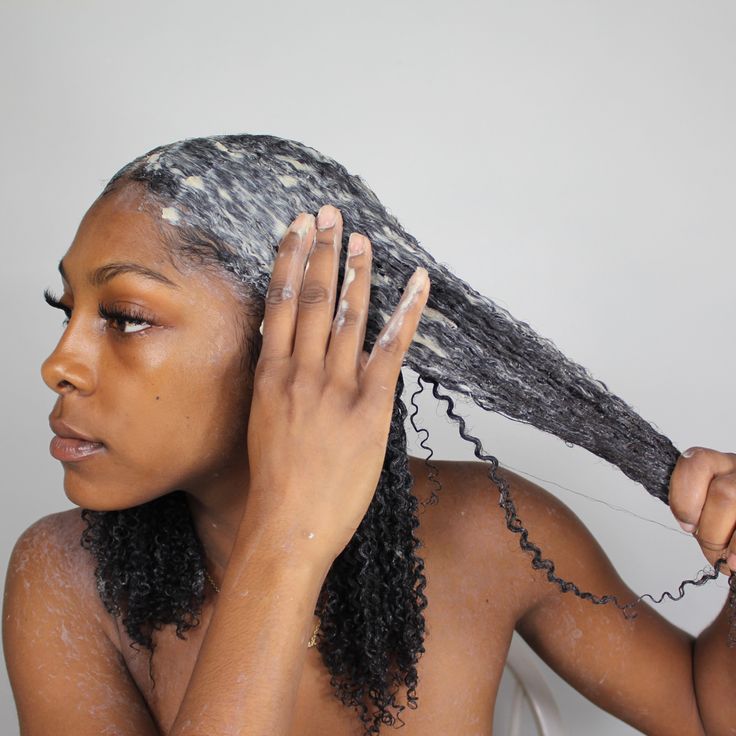
23. Use Heat Only When Appropriate
Some deep conditioners work better with gentle heat because warmth can help the product spread and work through the hair.
If you use heat, follow the product directions and avoid excessive temperatures.
24. Do Not Leave Every Treatment on for Hours
Longer processing times are not always better.
Follow the manufacturer’s directions. Leaving a product on much longer than recommended can sometimes leave your hair coated or difficult to rinse.
25. Avoid Mixing Too Many Treatments
Wash day is not the time to combine five different treatments just because each one sounds beneficial.
Too many products can create buildup and make it difficult to determine what is actually helping your hair.
26. Be Careful With Protein Treatments
Protein treatments can be useful for some hair, particularly when it needs strengthening.
However, using them too frequently can leave some hair feeling stiff or brittle. Use them according to your hair’s needs and the product instructions.
27. Know When Your Hair Needs Moisture
Hair that feels dry, rough, or difficult to manipulate may need more moisture-focused care.
That does not necessarily mean adding more oil. Water and moisturizing products play a major role in keeping hair flexible.

28. Know When Your Hair Has Too Much Product
If your hair feels coated, greasy, heavy, or strangely difficult to moisturize, product buildup could be part of the problem.
A suitable cleansing routine can help reset the hair.
29. Clarify When You Actually Need It
Clarifying shampoo can help remove stubborn buildup from products such as gels, oils, creams, and butters.
However, clarifying too frequently may leave your hair feeling stripped. Use it based on your routine and buildup rather than following a rigid schedule.
You can learn more about choosing the best clarifying shampoos for product buildup.
30. Do Not Change Products Every Wash Day
Constantly switching between products makes it difficult to understand what works for your hair.
Give a product enough time to show you how your hair responds before replacing it, unless you experience irritation or another obvious problem.
31. Pay Attention to Your Hair’s Porosity
Porosity can influence how your hair absorbs and holds onto water and products.
If your hair is difficult to moisturize or seems to dry unusually quickly, learning about hair porosity may help you understand your routine better.
32. Rinse Conditioner Thoroughly
Depending on the conditioner and your routine, leaving excessive amounts behind may create buildup.
Unless the product is specifically designed as a leave-in, rinse it thoroughly.
33. Avoid Roughly Squeezing Your Hair
Natural hair is especially vulnerable to manipulation when wet.
Instead of twisting or wringing your hair aggressively, gently squeeze out excess water with your hands.
34. Use a Soft T-Shirt to Remove Excess Water
A soft cotton T-shirt can be a useful alternative to a rough bath towel.
Gently press your hair rather than aggressively rubbing it.
35. Avoid Rubbing Your Hair Dry
Friction can create tangles and frizz.
Pat or squeeze your hair gently and allow it to continue drying without excessive handling.

36. Apply Leave-In Conditioner to Damp Hair
For many natural hair routines, damp hair provides a good base for leave-in products.
Applying your leave-in while the hair still contains water can help with softness and manageability.
You can also explore the best leave-in conditioners for 4C hair if you need product ideas.
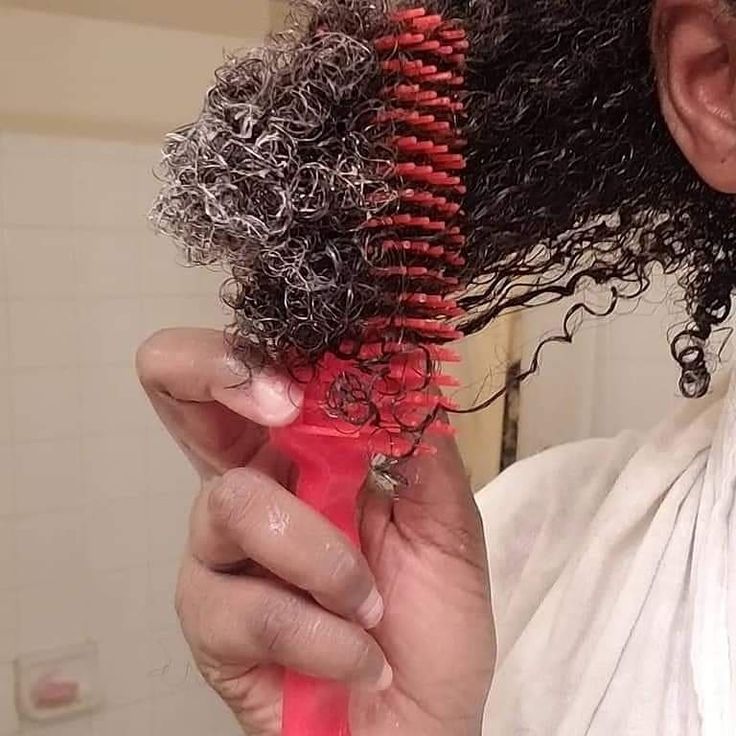
37. Seal Moisture If Your Hair Benefits From It
Some naturals like to follow their moisturizing product with a small amount of oil or butter.
This can help reduce moisture loss for hair that responds well to sealing.
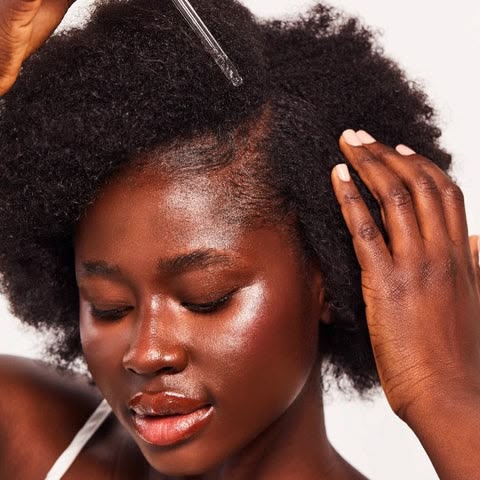
38. Do Not Assume Everyone Needs the Same Moisture Routine
One person’s perfect routine may make another person’s hair greasy or heavy.
Pay attention to how your own hair feels several days after wash day instead of copying someone else’s exact product combination.
39. Use Less Product on Fine Hair
If your strands are fine or your hair becomes weighed down easily, heavy layers of products may not work well.
Start with small amounts and add more only if necessary.
40. Dense Hair May Need More Product Distribution
Thick hair can make it difficult to distribute conditioner and styling products evenly.
Work in smaller sections and use your fingers to make sure the product reaches the strands.
41. Keep Your Hair Sectioned During Styling
After washing and conditioning, keeping your hair divided can prevent it from becoming one large tangled mass.
You can twist, braid, or clip each section while working through the rest.
42. Do Not Leave Wet Hair in a Shrunken Tangle
Allowing wet hair to dry in a tangled state can make your next detangling session unnecessarily difficult.
Once your wash routine is finished, put the hair into a manageable style if you are not styling it immediately.
43. Avoid Excessive Manipulation After Washing
Your hair does not need to be constantly combed, picked, stretched, and restyled after wash day.
The less unnecessary manipulation you do, the easier it may be to protect your strands from breakage.
44. Give Your Hair Time to Dry Properly
Do not immediately cover soaking-wet hair with a wig, scarf, or other style that prevents proper drying.
Dampness trapped against the scalp for long periods can create an uncomfortable environment.
45. Make Sure Your Scalp Is Comfortable
After washing, pay attention to unusual itching, burning, excessive flaking, or irritation.
A wash day should leave your scalp feeling clean and comfortable, not painful or irritated.
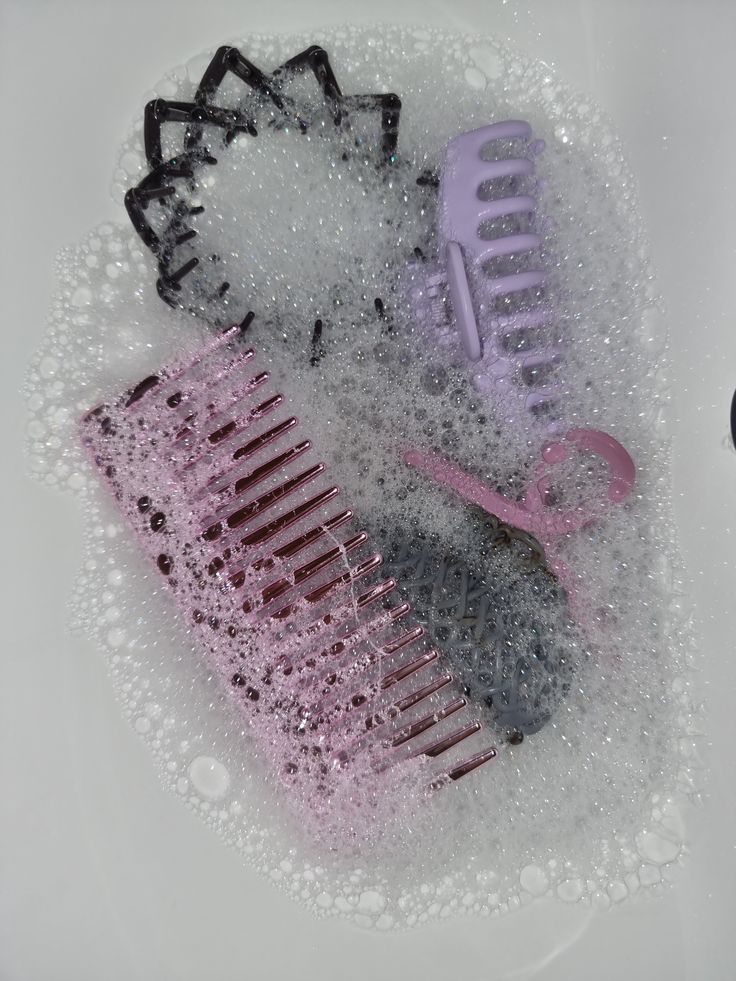
46. Clean Your Detangling Tools
Combs and brushes can collect shed hair, product residue, dust, and oils.
Clean them regularly so that you are not putting old buildup back onto freshly washed hair.
47. Wash Your Hair Tools Regularly
Your clips, sectioning tools, shower brushes, and other accessories also deserve attention.
Anything that repeatedly touches your clean hair should be kept reasonably clean.
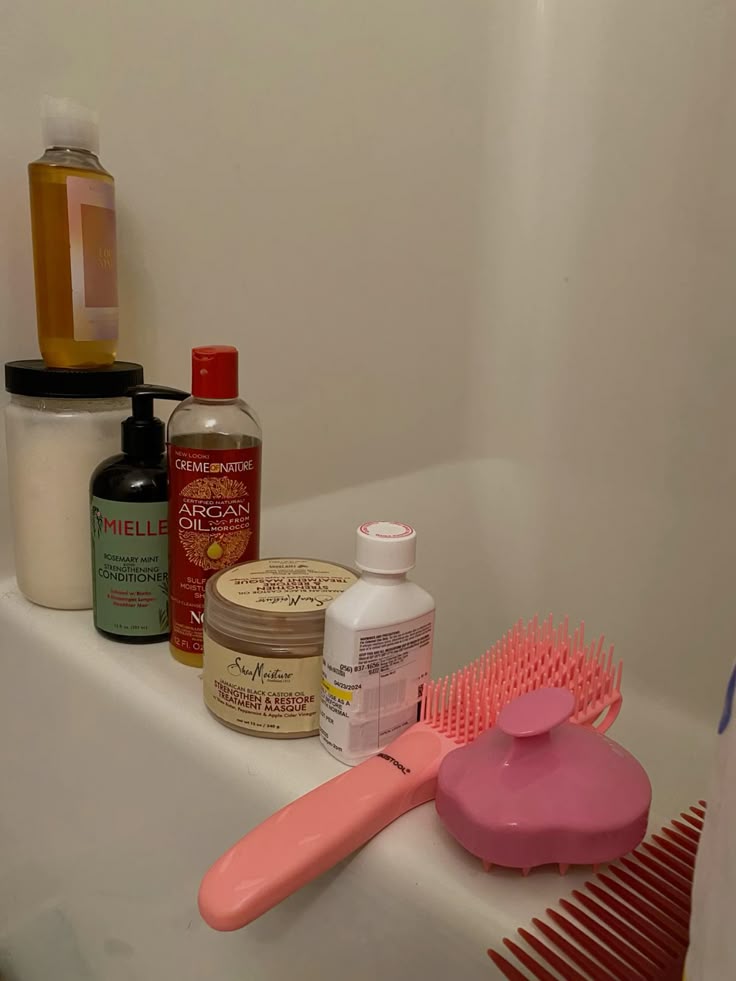
48. Keep Your Products Organized
Having your shampoo, conditioner, deep conditioner, leave-in, towel, clips, and detangling tools ready before you begin can make wash day much less stressful.
Preparation also reduces the temptation to rush.
49. Do Not Rush Through Detangling
Rushing is one of the easiest ways to turn a simple wash day into a breakage session.
Give yourself enough time to work through each section carefully.
50. Make Wash Day a Routine
You do not need a complicated schedule.
Having a general routine for cleansing, conditioning, detangling, moisturizing, and styling can help you stay consistent. You can adjust the routine when your hair’s needs change.
If you want a more structured approach, compare your routine with a weekly hair care routine for healthy 4C hair.

51. Do Not Wash Based Only on the Calendar
Some people need to wash their hair more frequently than others.
Consider your scalp, activity level, hairstyle, product use, and how your hair feels instead of blindly following someone else’s wash schedule.
You can also learn more about how often to wash 4C hair based on different hair and scalp needs.
52. Wash Before Your Hair Becomes Extremely Dirty
Waiting until your scalp is heavily coated with sweat and buildup can make cleansing more difficult.
A consistent wash routine can help prevent excessive buildup from accumulating.
53. Wash More Carefully After Heavy Product Use
If you regularly use edge control, gels, creams, oils, butters, or styling waxes, your cleansing needs may be different from someone who uses very few products.
Adjust your routine when buildup becomes noticeable.
54. Protect Your Hair From Excessive Breakage During Wash Day
Every stage matters, from detangling to rinsing to styling.
If you consistently notice many broken pieces rather than mostly shed strands, review your handling techniques and read more about how to stop 4C hair breakage.
55. Do Not Ignore Your Hairline
The edges are delicate and can experience a lot of tension during styling.
Be especially gentle when washing, detangling, brushing, and styling around the hairline.
56. Avoid Tight Styles Immediately After Wash Day
Freshly washed hair can be easier to manipulate, but that does not mean it should be pulled tightly.
Choose styles that allow your scalp and hairline to remain comfortable.
57. Use Wash Day to Check Your Hair’s Condition
Pay attention to changes in your hair.
Is it unusually dry? Are your ends rough? Are you seeing more breakage? Does your hair feel coated? Does your scalp feel uncomfortable?
These observations can help you decide what to change.
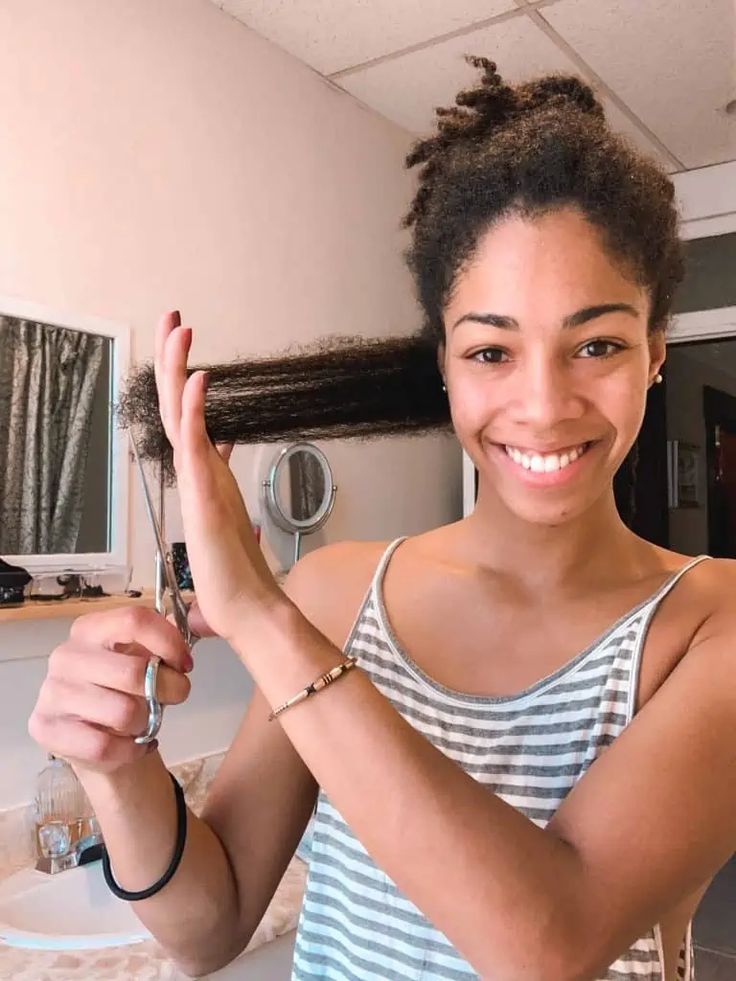
58. Trim When Your Ends Need It
Wash day can make damaged ends easier to identify because your hair is separated and stretched during detangling and styling.
If your ends are consistently splitting, breaking, or looking severely damaged, consider whether a trim is needed.
59. Keep Track of What Works
You do not need a complicated hair journal.
Simply remember which products and techniques leave your hair soft, manageable, clean, and comfortable. If something consistently causes dryness or buildup, reconsider it.
60. Keep Your Wash Day Simple
The final tip may be the most useful of all.
You do not need a 15-step routine to take good care of natural hair. A simple routine that you can perform consistently is often more useful than an elaborate routine that leaves you exhausted.
Cleanse your scalp, condition your hair, detangle gently, moisturize appropriately, and handle your strands with care. Then protect your hair from unnecessary manipulation until your next wash day.
Final Thoughts: Make Wash Day Work for Your Hair
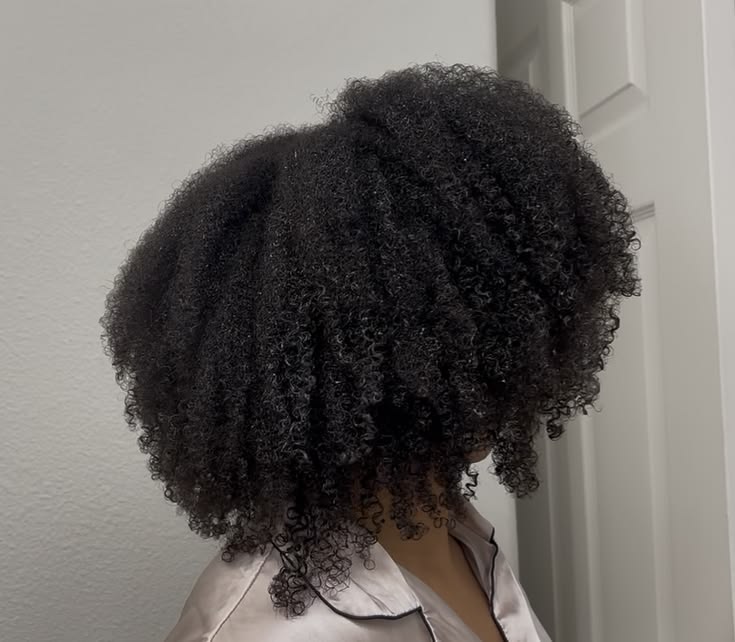
Good wash days are less about having a perfect collection of products and more about learning how your hair responds to different techniques.
The best wash day tips are the ones that help you reduce unnecessary manipulation, maintain moisture, keep your scalp clean, and make your hair easier to manage. Your routine may also change as your hair grows, your lifestyle changes, or you begin wearing different styles.
You do not have to adopt all 60 tips immediately. Start with the areas causing you the most trouble, whether that is detangling, dryness, buildup, breakage, or an uncomfortable scalp. Once those areas improve, you can gradually refine the rest of your routine.
A consistent, gentle wash day can become one of the best foundations for healthy natural hair.