
Healthy Scalp, Healthy Hair: Everything You Need to Know
Disclosure: Some of the links in this post are affiliate links. This means if you click on the link and purchase an item, I will receive an affiliate commission at no extra cost to you.
Healthy-looking hair starts with the scalp.
It is easy to focus entirely on what happens to the hair strands themselves- moisturizing, deep conditioning, styling, trimming, and protecting the ends, but the scalp deserves just as much attention.
The scalp is where the hair follicles are located, so maintaining a clean and well-cared-for scalp is an important part of a consistent hair-care routine.
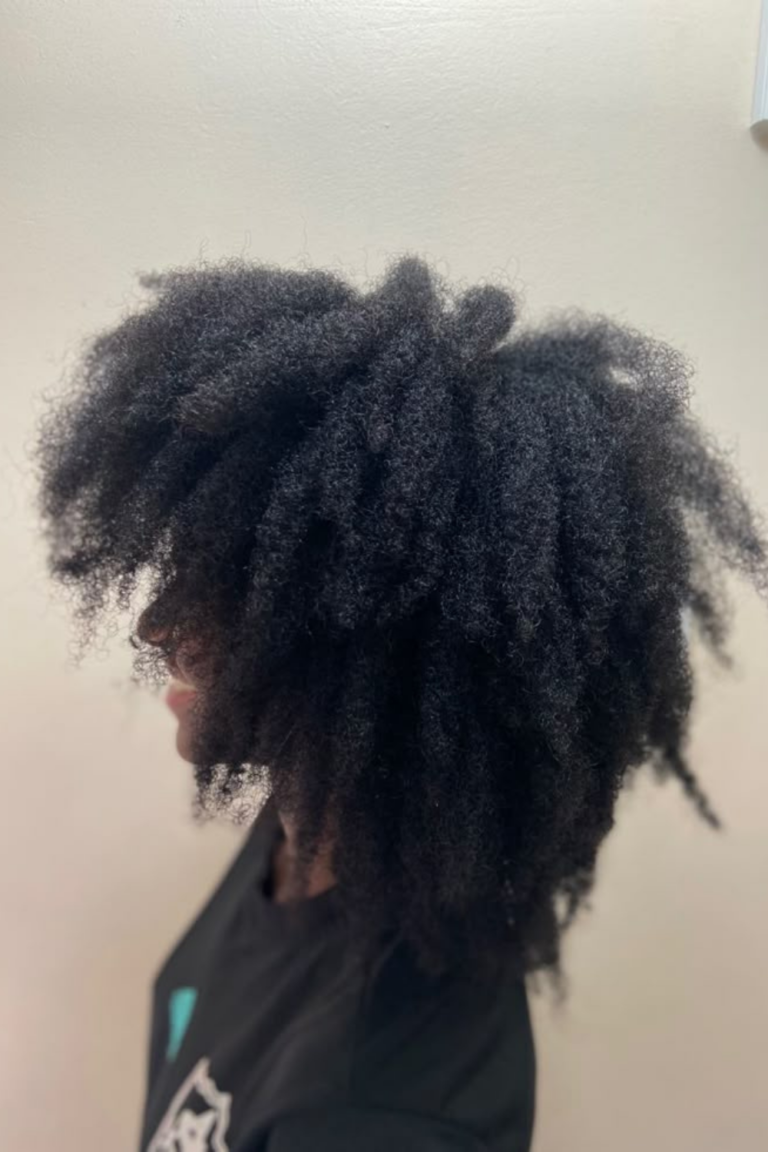
This is particularly relevant for natural and 4C hair. Because tightly coiled hair can sometimes make it more difficult to reach the scalp during washing and styling, buildup from oils, creams, gels, sweat, and other products can accumulate if the scalp is not cleansed regularly.
A healthy scalp does not mean a completely problem-free scalp every single day. Occasional dryness, oiliness, or mild irritation can happen. What matters is recognizing what is normal for you, maintaining good hygiene, and paying attention when something changes.
In this guide, we’ll explore the connection between a healthy scalp and a healthy hair routine, how to care for your scalp properly, common scalp problems, mistakes to avoid, and simple habits that can support healthier-looking natural hair.
Why Scalp Health Matters for Your Hair
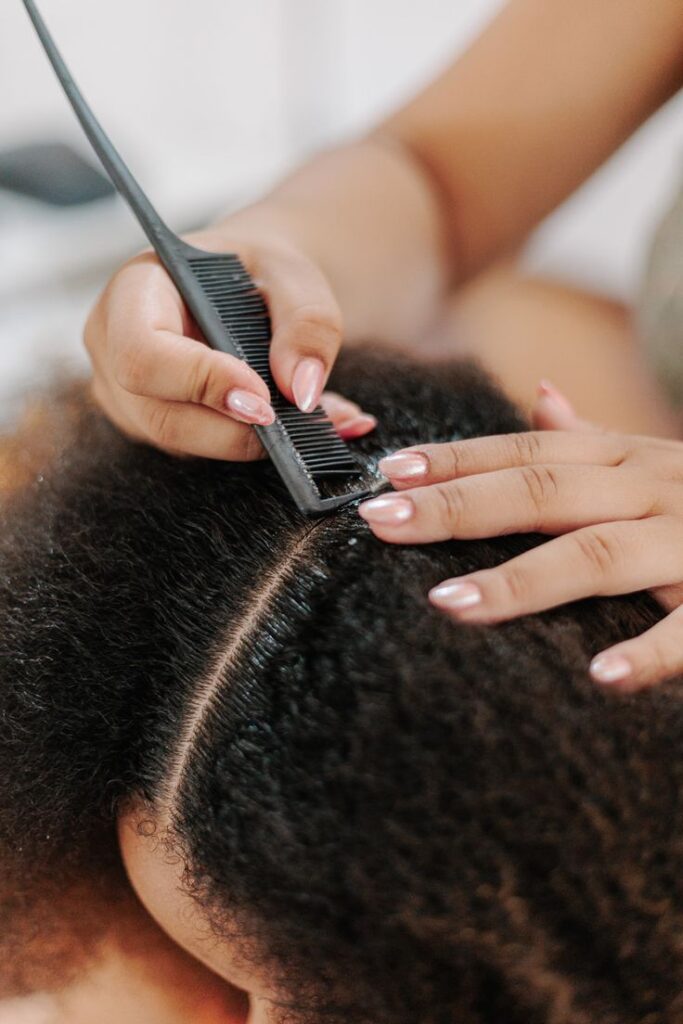
Your scalp provides the environment where your hair follicles grow.
Each hair strand develops from a follicle located within the scalp. This means the condition of the scalp can influence the environment in which your hair grows.
However, it is important to separate scalp health from exaggerated hair-growth claims.
Keeping your scalp clean and comfortable will not suddenly make your hair grow several inches overnight. Your genetics, hormones, age, nutrition, overall health, and other factors influence hair growth.
What good scalp care can do is help maintain a clean environment and reduce problems that may interfere with comfortable hair care.
For someone building a healthy 4C hair care routine, scalp care should therefore be treated as one part of the bigger picture rather than an optional extra.
A routine that focuses only on the ends while completely ignoring the scalp is incomplete.
What Does a Healthy Scalp Look Like?
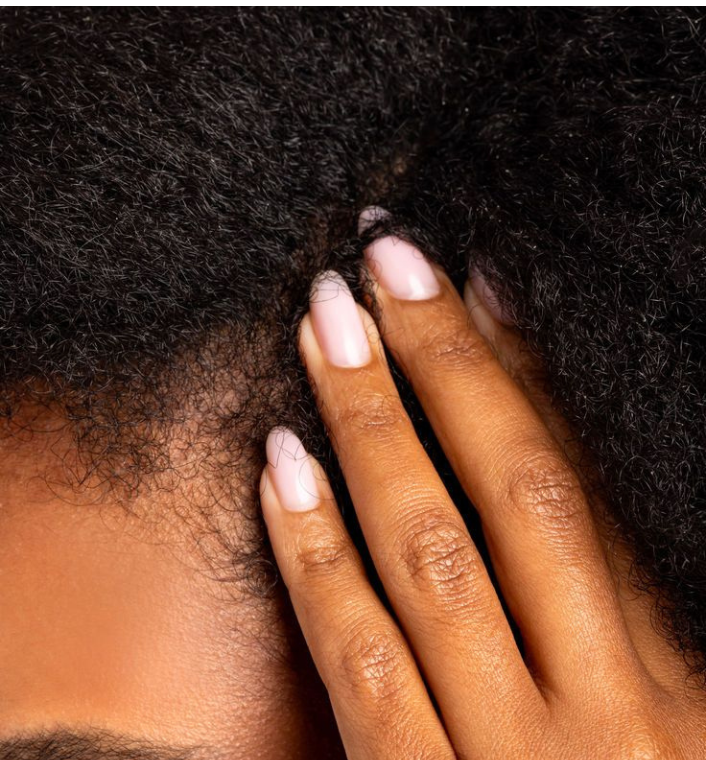
A healthy scalp can look slightly different from person to person.
Generally, you want a scalp that feels comfortable without persistent itching, burning, excessive flaking, painful bumps, or unusual redness.
It should also be reasonably clean, without large amounts of accumulated product, sweat, or visible debris.
Your scalp naturally produces sebum, an oily substance that helps lubricate the skin and hair. Therefore, a completely oil-free scalp is not necessarily the goal.
Likewise, a small amount of occasional flaking does not automatically mean something is seriously wrong.
The important thing is to notice persistent or worsening changes.
Signs that your scalp may need additional attention include:
- Persistent itching
- Excessive or recurring flakes
- Redness or irritation
- Painful bumps
- Unusual tenderness
- Strong or unusual scalp odour
- Excessive oiliness
- Significant changes in shedding or hair density
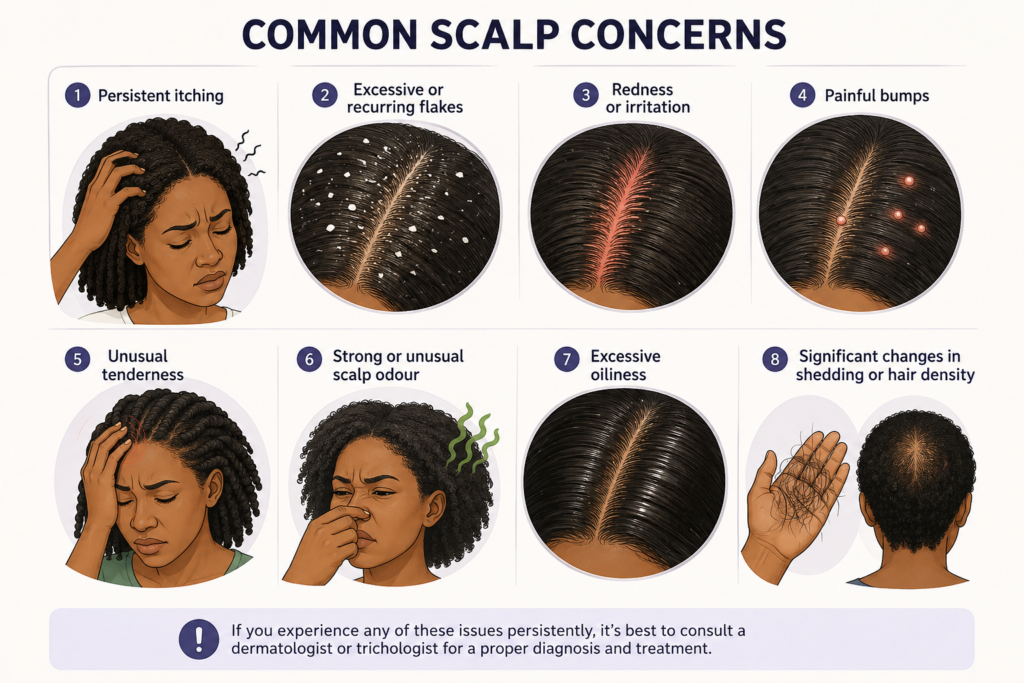
If you notice persistent symptoms, it is better to speak with a dermatologist or other qualified healthcare professional rather than trying to diagnose the condition yourself.
How Often Should You Wash Your Scalp?
There is no single washing schedule that works for everybody.
How frequently you should cleanse your scalp depends on factors such as your scalp’s oil production, how much you sweat, how often you exercise, the products you use, your hairstyle, and your personal preference.
Some people may feel comfortable washing once a week, while others may prefer to cleanse more frequently.
If you regularly apply oils, gels, creams, edge control, and other styling products, you may need to pay closer attention to buildup.
This is particularly important when wearing styles that make the scalp difficult to access.
Understanding how often to wash 4C hair can help you create a routine that keeps your scalp clean without unnecessarily drying your hair.
The goal is not to wash as little as possible. It is to find a frequency that keeps your scalp comfortable while allowing your hair to maintain its moisture and manageability.

How to Cleanse Your Scalp Properly
The way you wash your scalp matters just as much as how often you wash it.
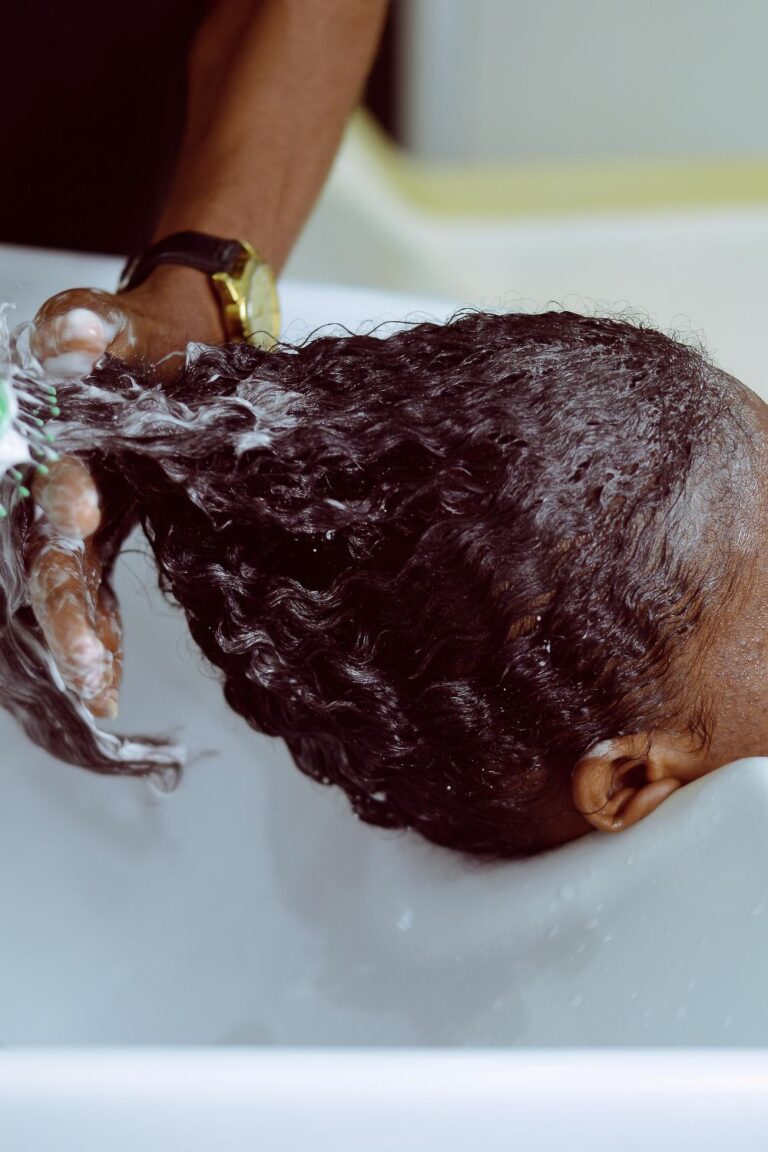
Start by thoroughly wetting your hair and scalp with lukewarm water.
Apply shampoo primarily to the scalp rather than concentrating large amounts on the lengths of your hair.
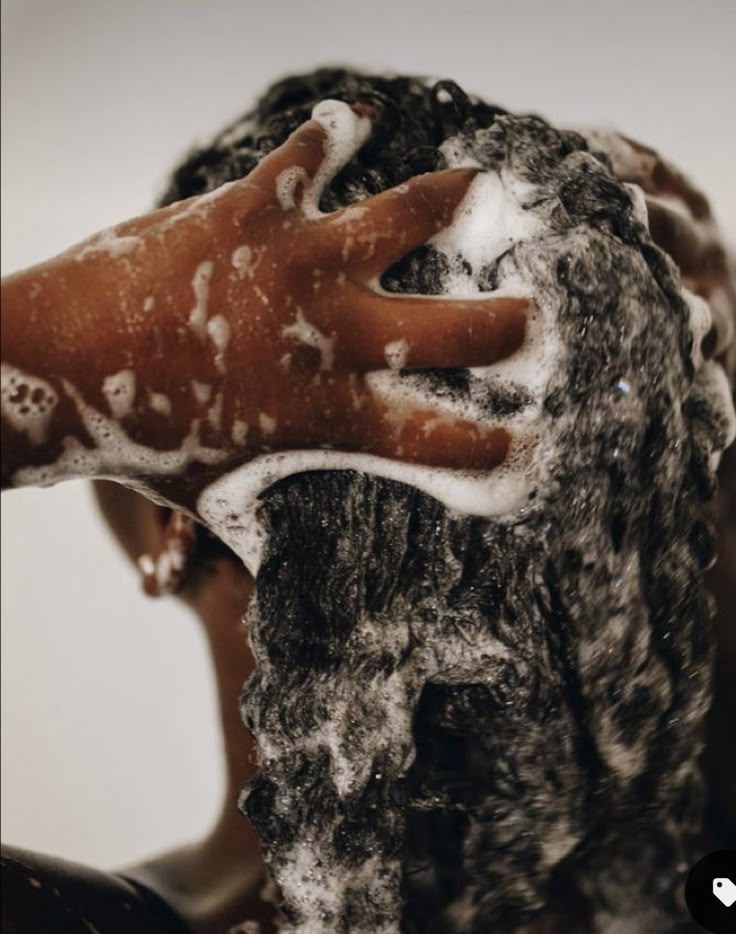
Use the pads of your fingertips to gently massage the shampoo across your scalp.
Avoid using your fingernails because scratching can irritate the skin.
If your hair is particularly dense, divide it into sections so that the shampoo can reach different areas of your scalp.
Pay attention to areas where sweat and product buildup tend to accumulate, such as the hairline, crown, and nape.
Once your scalp has been cleansed, rinse thoroughly.
If you regularly use heavy styling products, you may occasionally need a deeper cleanser. Learning how to remove product buildup from 4C hair can help you decide when your normal shampoo is no longer enough.
You do not need to scrub aggressively to get your scalp clean.
Gentle, thorough cleansing is generally preferable to harsh scrubbing.
Does Scalp Massage Help Hair Growth?
Scalp massage is often recommended as part of a hair-care routine, and it can certainly feel relaxing.
Gentle massage may help you distribute shampoo or scalp products evenly and can provide a pleasant self-care experience.
However, be cautious with claims that scalp massage alone will dramatically increase hair growth.
There is some research into whether scalp massage may influence hair thickness or growth, but the evidence is not strong enough to treat massage as a guaranteed hair-growth method.
You can still include it in your routine because gentle massage can help you pay attention to your scalp and avoid applying products without properly distributing them.
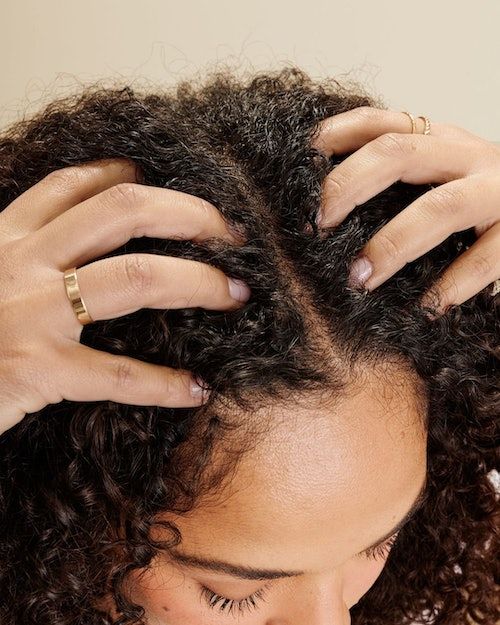
If you want to try it, use your fingertips and gentle circular movements rather than aggressively scratching or rubbing the scalp.
For people interested in scalp massage for natural hair, consistency and gentleness are more important than applying excessive pressure.
Product Buildup and Your Scalp
Product buildup is one of the most common scalp-care issues for people who use several styling products.
Oils, gels, edge control, creams, butters, leave-in conditioners, and styling sprays can all leave residue.
This does not mean these products are bad.
The problem comes when layers of products continue accumulating without adequate cleansing.
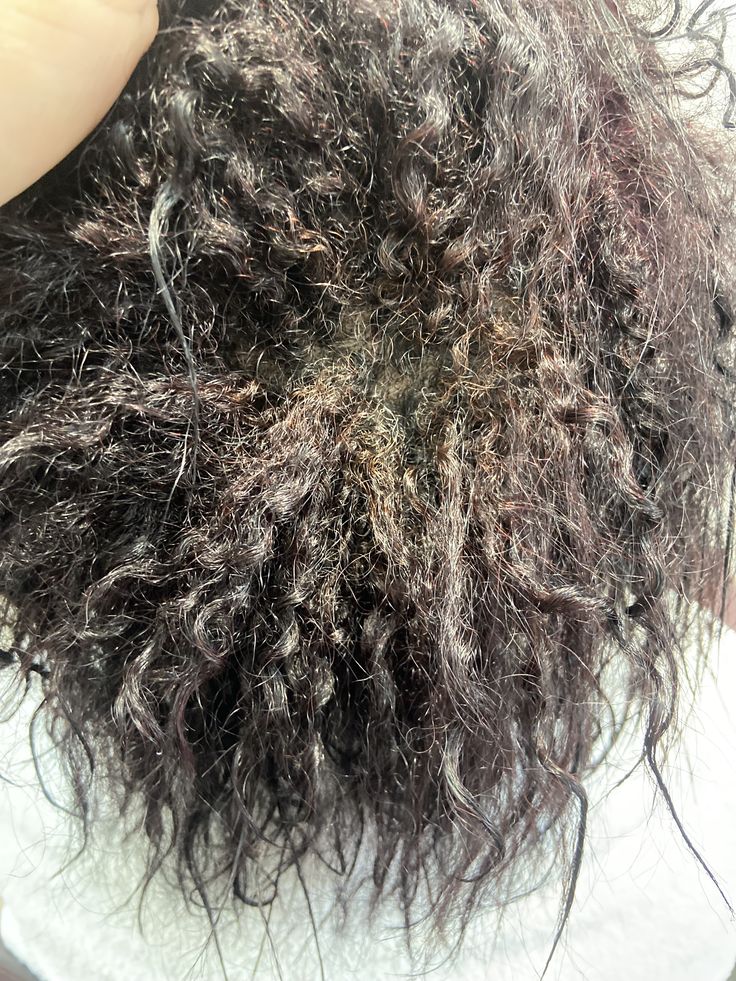
Buildup can make the scalp feel greasy or coated and may make it difficult for you to properly cleanse the skin underneath.
If your scalp feels unusually heavy or your hair no longer responds to your usual products, a deeper cleansing session may be useful.
An occasional clarifying shampoo for product buildup can help remove accumulated residue, although it should not necessarily replace your regular shampoo.
After clarifying, follow with appropriate conditioning to prevent your hair from becoming excessively dry.
Scalp Oils: Are They Necessary?
Scalp oils are extremely popular in natural-hair routines.
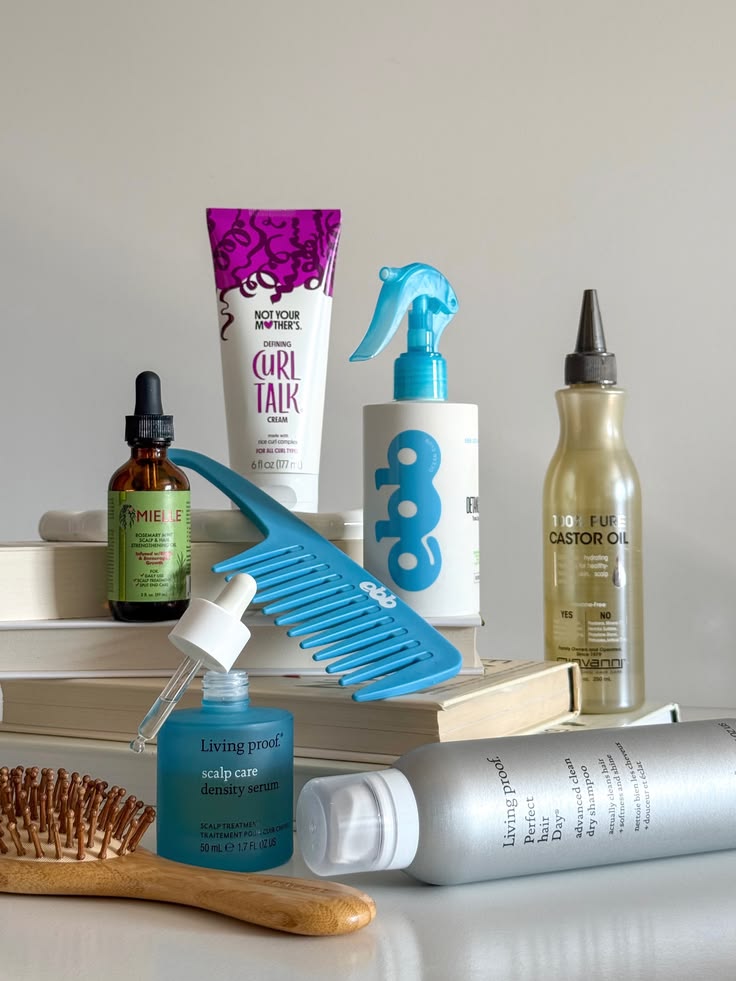
From coconut oil and castor oil to rosemary-infused oils and specialized scalp serums, there are countless products marketed for scalp care.
But using oil is not automatically necessary for everyone.
If your scalp already produces enough oil, adding large amounts of additional oil may leave it feeling greasy or contribute to buildup.
Some oils can also irritate certain people’s skin.
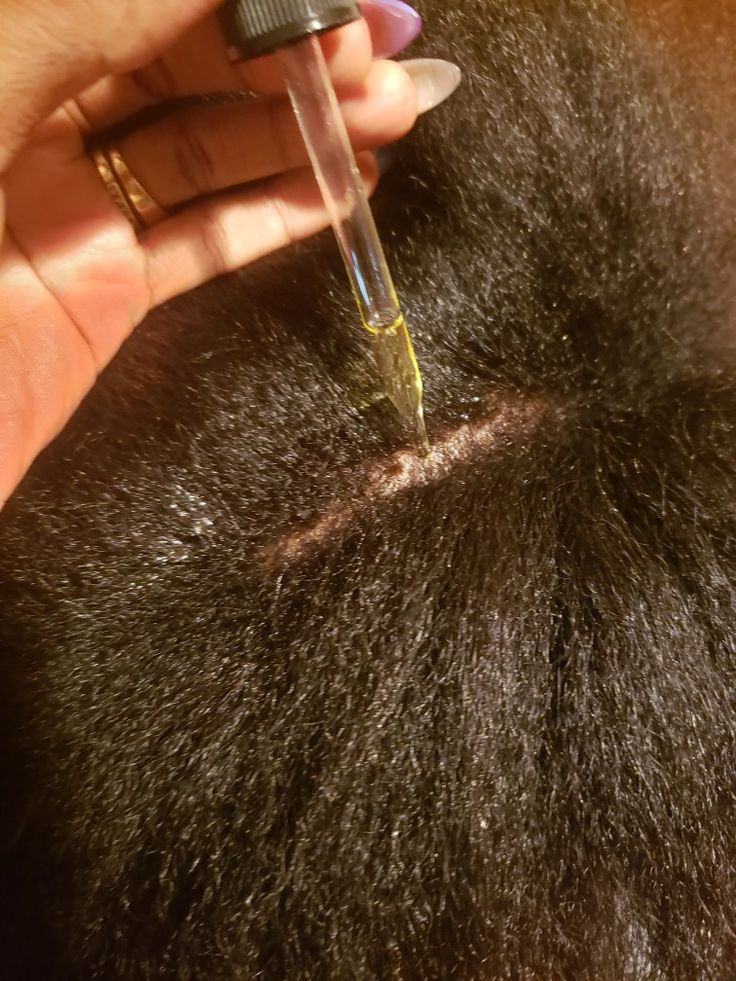
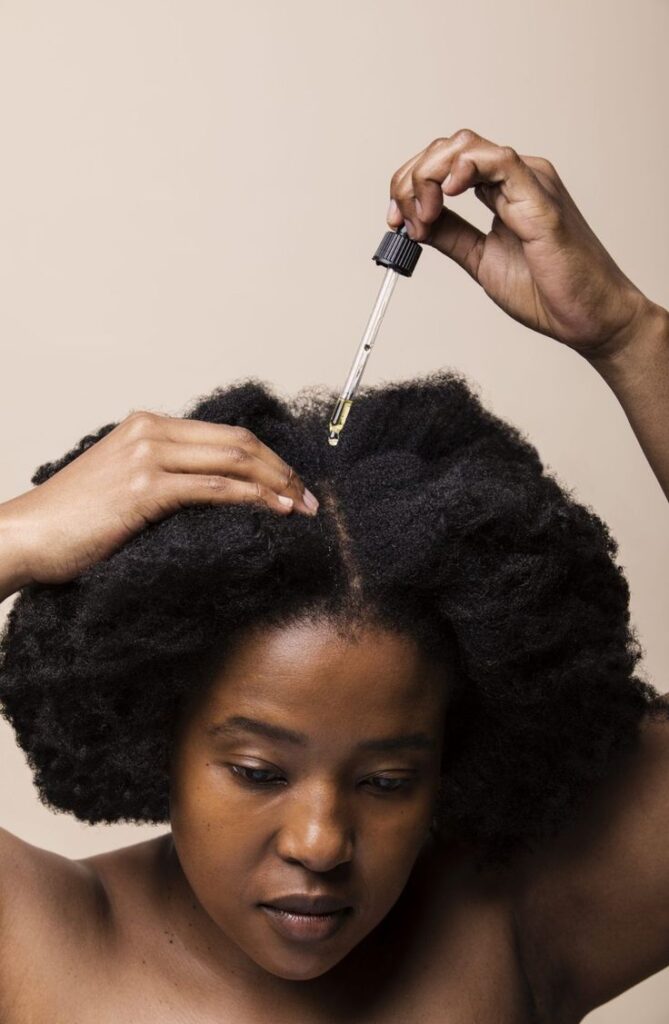
If you enjoy using scalp oil, apply a small amount and observe how your scalp responds.
Avoid assuming that more oil equals more growth.
Your scalp needs appropriate care, not layers of products simply because they are associated with natural hair growth.
If your goal is learning how to moisturize your scalp without buildup, focus on using products sparingly and cleansing regularly.
Common Scalp Problems to Watch For
Several scalp conditions can affect people regardless of hair texture.
Dry Scalp
A dry scalp may feel tight, itchy, or flaky.
It can sometimes be associated with environmental dryness, harsh cleansing, excessive washing, or products that irritate the scalp.
However, dry scalp and dandruff are not necessarily the same thing.

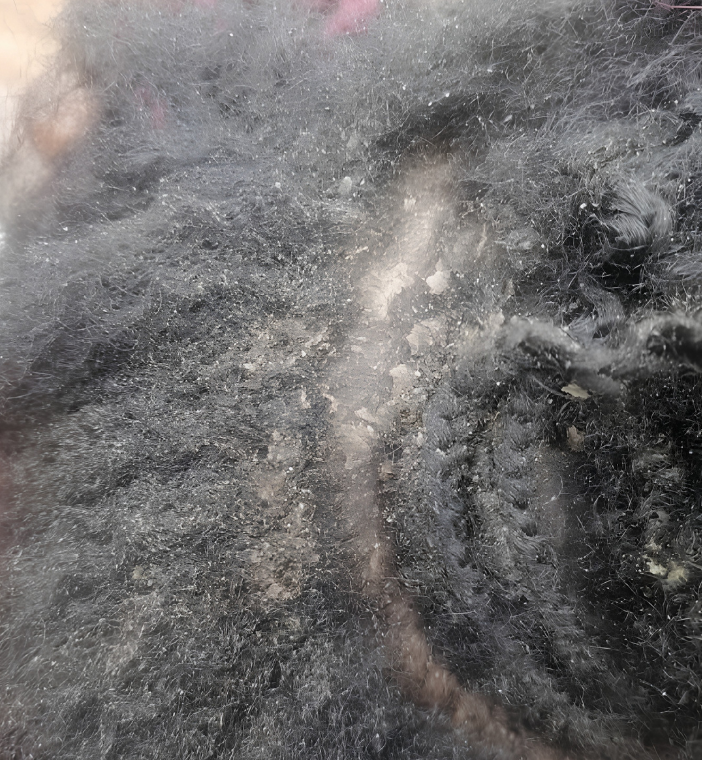
Dandruff
Dandruff commonly causes visible flakes and may be accompanied by itching.
It can have several contributing factors, including the overgrowth of a naturally occurring yeast called Malassezia and increased oil production.
Persistent dandruff may require a medicated shampoo or professional assessment.
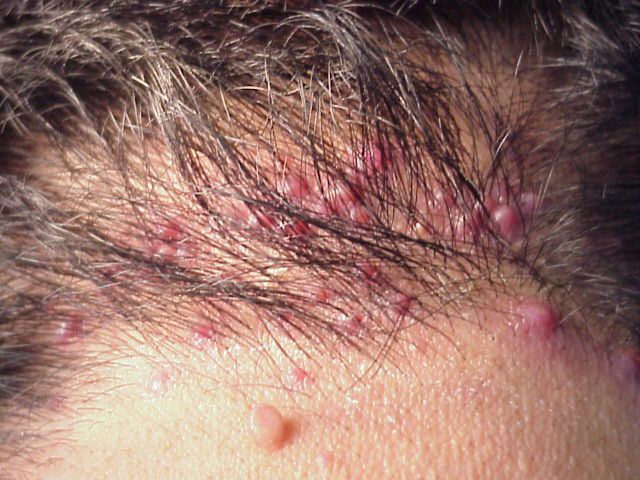
Scalp Acne or Bumps
Small bumps can sometimes appear around hair follicles.
They may be associated with sweat, friction, occlusive products, shaving, or other factors.
Avoid repeatedly scratching or picking at bumps.
Seborrheic Dermatitis
This is a common inflammatory skin condition that can affect areas where the skin produces more oil, including the scalp.
It may cause scaling, redness, and itching.
If you suspect a scalp condition rather than ordinary dryness, seek advice from a healthcare professional.
You can learn more about dandruff and dry scalp here
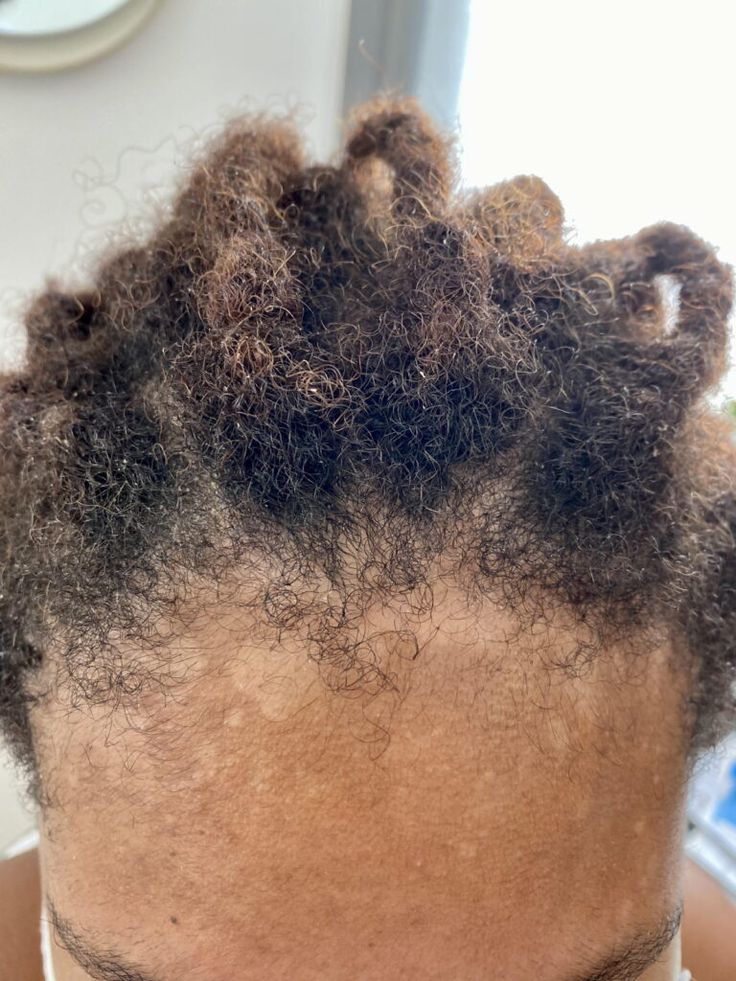
How Protective Hairstyles Affect Scalp Health
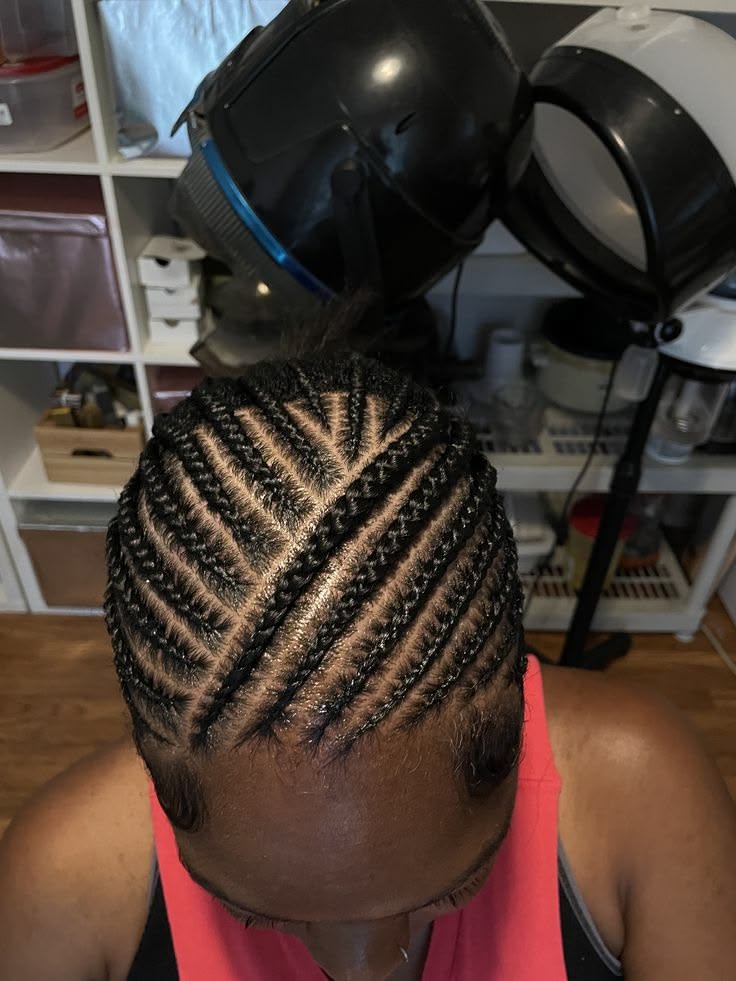
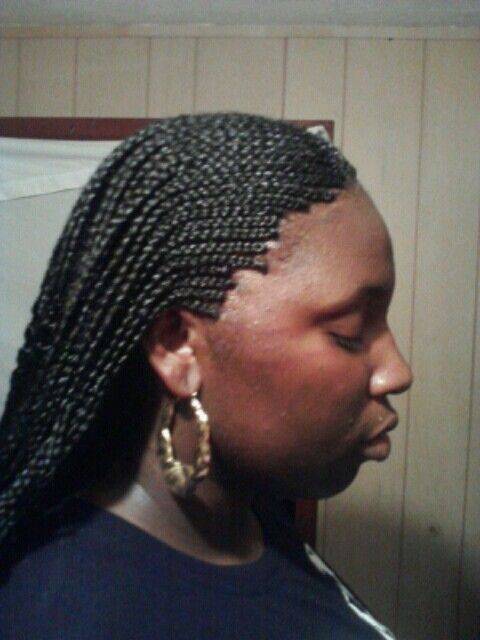
Protective hairstyles can reduce daily manipulation, but they are not automatically protective for your scalp.
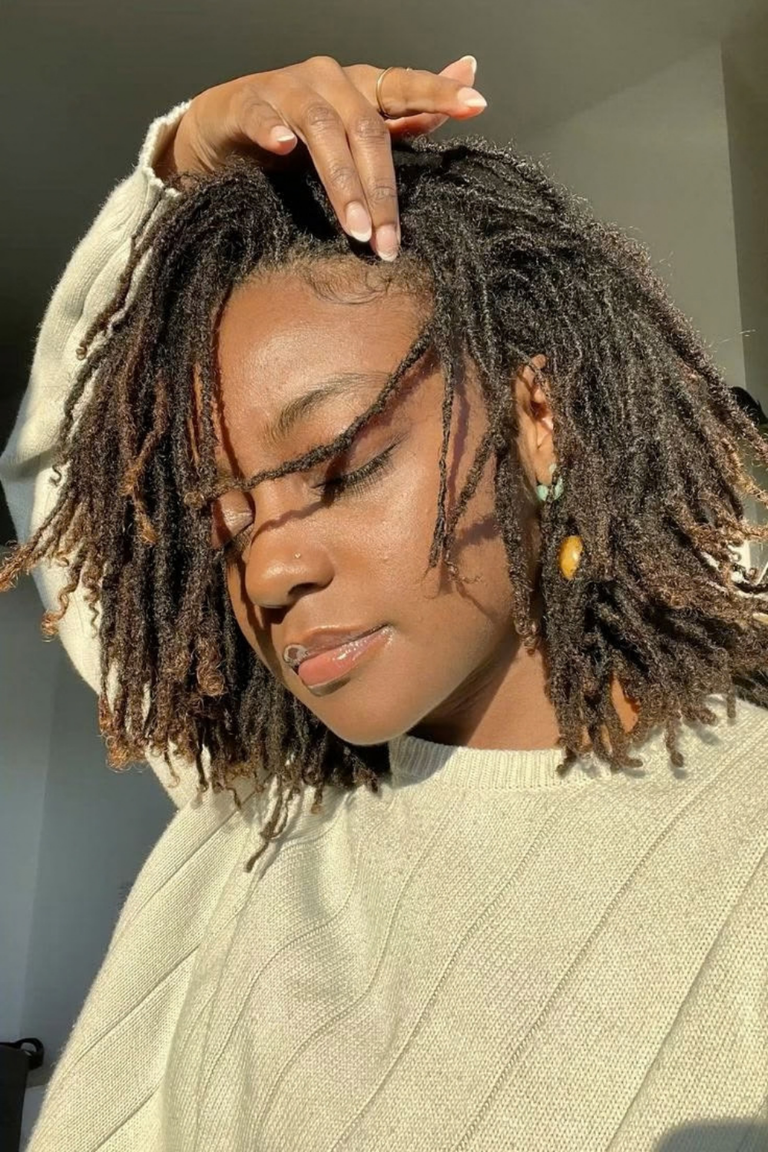
Braids, twists, wigs, cornrows, locs, and other long-lasting styles can create problems when they are installed too tightly or left in for too long.
Excessive tension can put stress on the hairline and scalp.
Heavy extensions can also place additional weight on the hair.
This is why protective hairstyles for 4C hair should be selected based on comfort as well as appearance.
Your scalp should not constantly hurt after installing a hairstyle.
Pain, severe tightness, bumps, or persistent tenderness are signs that the style may be putting too much stress on your scalp.
If a hairstyle hurts, do not simply assume that the discomfort is something you need to endure until the style loosens.
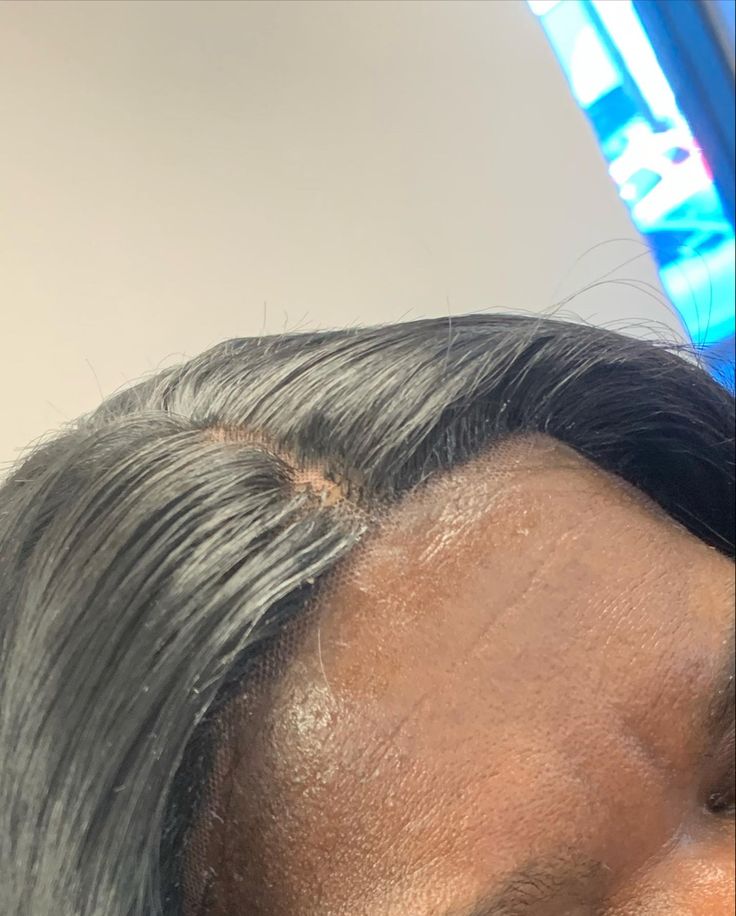
Scalp Care Under Wigs and Extensions
Wigs and extensions can make styling easier, but they can also make scalp care more difficult.
If you wear wigs frequently, make sure your scalp still has opportunities to be cleansed and cared for.
Avoid continuously wearing a wig over a scalp that is sweaty, dirty, or heavily coated with products.
The same applies to extensions.
When installing extensions, avoid excessive tension and give your natural hair and scalp appropriate breaks between styles.
If you wear wigs regularly, developing a healthy wig routine for natural hair can help you balance convenience with proper scalp care.
Pay particular attention to your edges, nape, and areas where wig bands or adhesives may create friction.
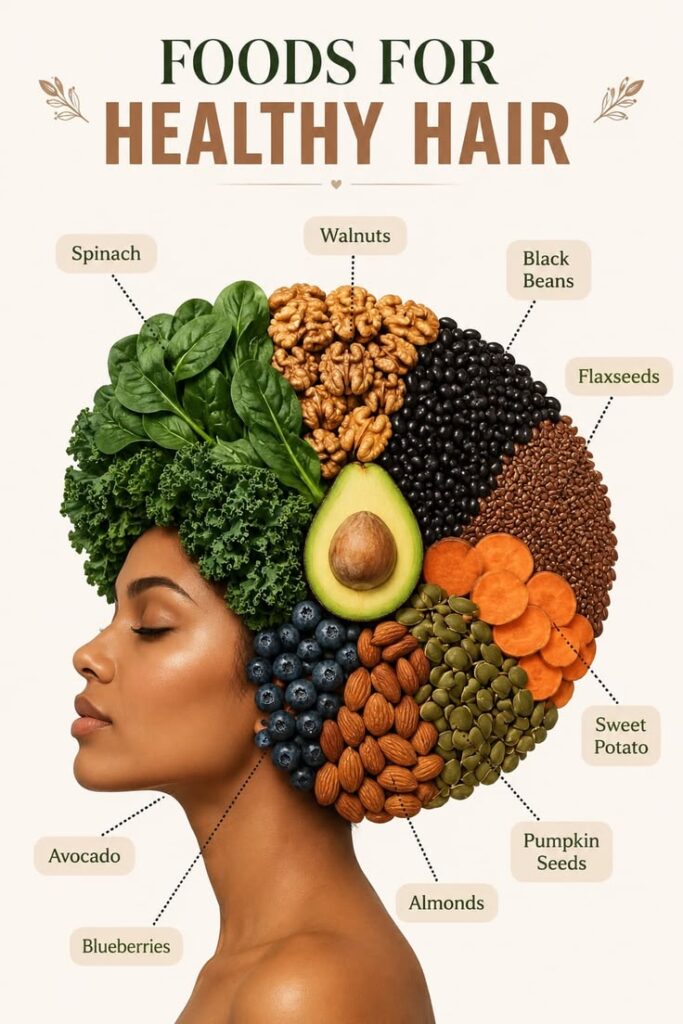
How Diet and Lifestyle Relate to Hair Health
Hair health is not determined by topical products alone.
Your body needs adequate nutrients to support normal hair production, and nutritional deficiencies can sometimes contribute to hair loss or changes in hair quality.
A balanced diet containing adequate protein, vitamins, minerals, healthy fats, fruits, vegetables, and whole grains supports overall health.
Hydration also matters for general health, although drinking more water alone will not magically transform damaged hair.
If you suspect that a nutritional deficiency is affecting your hair, speak with a healthcare professional rather than taking large amounts of supplements without guidance.
This is especially important because excessive amounts of certain supplements can actually cause problems.
Scalp Care Mistakes That Can Affect Your Hair
Sometimes the biggest scalp-care problems come from habits that seem harmless.
Scratching With Your Fingernails
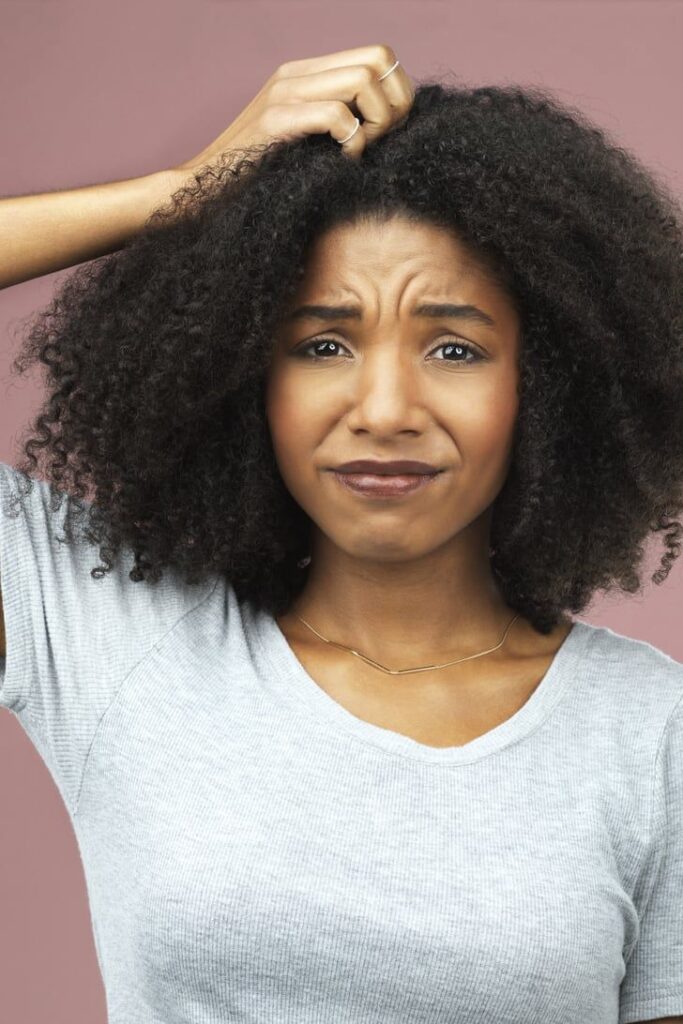
Using your nails to aggressively scratch the scalp can irritate the skin.
Use your fingertips instead.
Leaving Heavy Buildup for Too Long
A protective style or product-heavy routine does not mean you should completely ignore your scalp.
Cleanse when your scalp needs it.
Using Too Many Oils
Oiling your scalp every day is not necessary for everyone.
Too much oil can make your scalp greasy and contribute to buildup.
Installing Tight Hairstyles
If your hairstyle causes pain or excessive tension, it is not protecting your hair.
Ignoring Persistent Symptoms
Persistent itching, painful bumps, scaling, redness, or unusual hair loss should not simply be treated with another cosmetic product.
A dermatologist can help determine what is actually happening.
How to Build a Simple Healthy Scalp Routine
A good scalp routine does not have to contain ten different products.
- Start with regular cleansing.
- Choose a shampoo that cleans your scalp without leaving your hair excessively dry.
- Pay attention to buildup and clarify occasionally when necessary.
- Avoid excessive scratching and aggressive brushing.
- Keep protective hairstyles comfortable and avoid unnecessary tension.
- Use scalp products only when you actually need them.
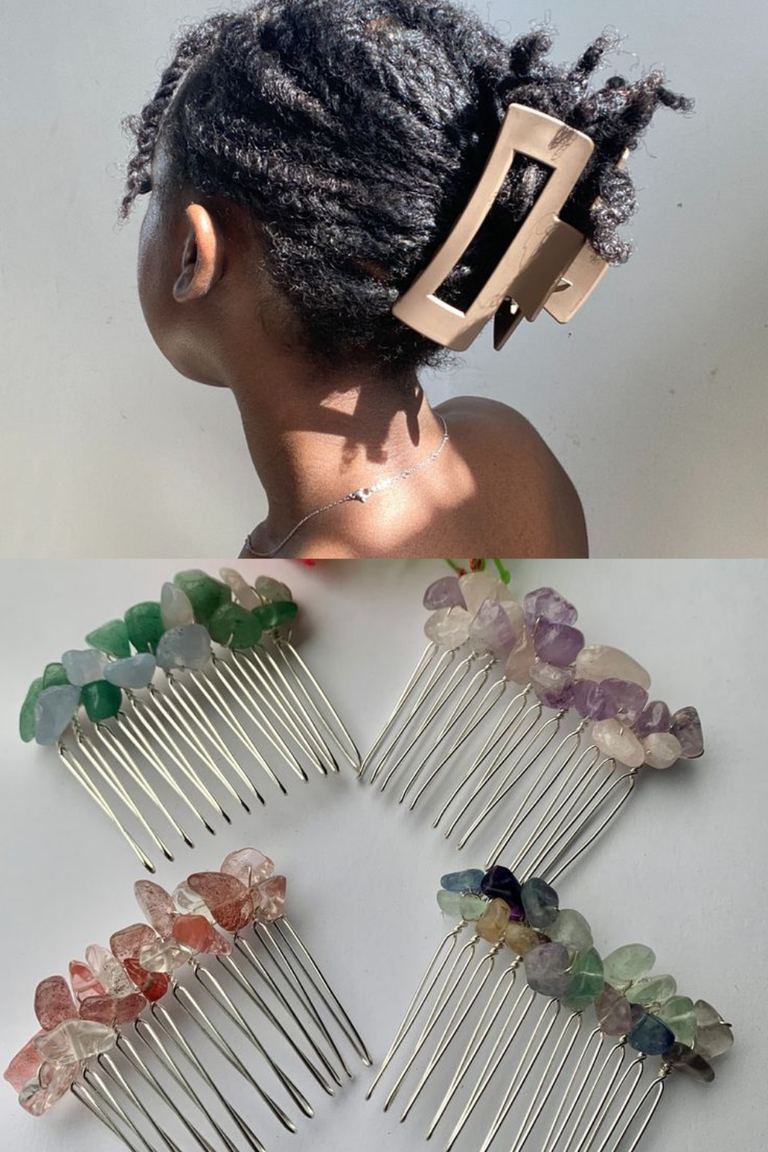
- Maintain clean tools such as combs, brushes, clips, and hair accessories.
- Wash or replace items that come into frequent contact with your scalp.
- Finally, pay attention to changes.
A routine based around healthy scalp principles should be simple enough to maintain consistently.
You do not need to constantly buy new products to have a well-cared-for scalp.
How to Keep Your Scalp Healthy Between Wash Days
Avoid Excessive Scratching
Try not to constantly scratch your scalp, especially with your fingernails. Repeated scratching can irritate the skin and may make existing scalp discomfort worse. If your scalp feels itchy, consider what may be causing it instead of immediately adding more oil or products.
Pay Attention to Sweat
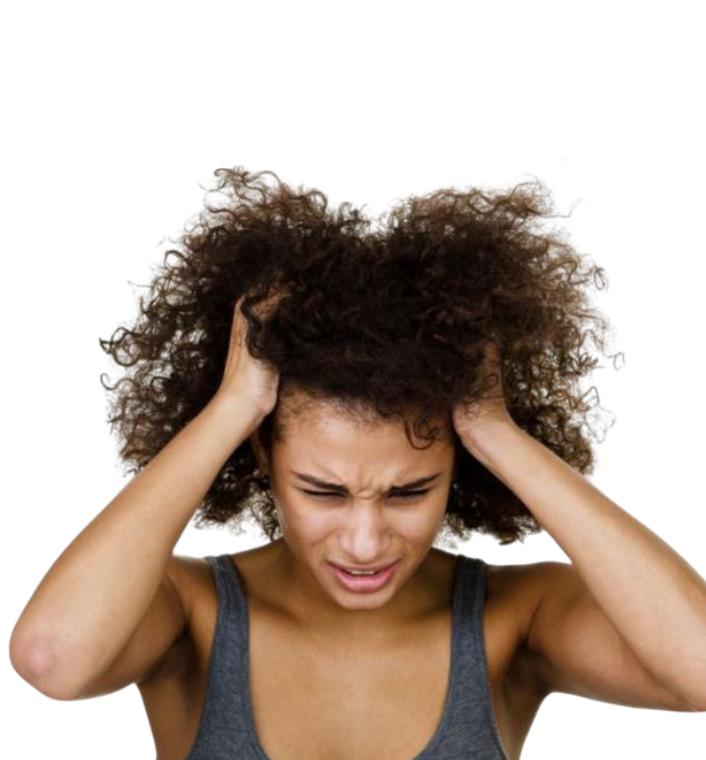
If you exercise regularly or live in a hot environment, sweat can accumulate on your scalp between wash days. Adjust your washing routine when necessary so sweat, oils, and styling products do not remain on your scalp for too long.
Keep Hair Accessories Clean
Bonnets, scarves, wig caps, brushes, combs, and pillowcases can collect oil, sweat, dead skin cells, and product residue. Washing or changing these items regularly can support better scalp hygiene.
Be Careful With Scalp Products
Not every oil, serum, or treatment will work for every scalp. When introducing a new product, pay attention to how your skin responds. Persistent burning, itching, redness, or bumps may require professional attention.
Take Care With Long-Lasting Styles
When wearing braids, twists, wigs, or other long-lasting hairstyles, avoid covering your scalp with excessive amounts of products. A lighter routine can make cleansing easier when it is time to remove the style.
Pay Attention to Changes
Your scalp does not need constant products to remain healthy. Consistent cleansing, gentle handling, sensible product use, and paying attention to changes can all contribute to healthy scalp healthy hair care.
When Should You See a Dermatologist?
Some scalp concerns require more than cosmetic hair products.
Consider seeing a dermatologist or qualified healthcare professional if you experience persistent:
- Itching
- Burning
- Pain
- Redness
- Scaling
- Sores
- Scalp bumps
- Sudden changes in hair density
- Unexplained or significant hair loss
- Recurrent scalp infections
It is better to find out what is causing a persistent problem than to continue switching between oils, shampoos, and hair treatments without understanding the underlying issue.
A dermatologist can examine your scalp and recommend appropriate treatment when necessary.

Final Thoughts
A healthy scalp is an important foundation for maintaining healthy-looking hair, but scalp care does not need to be complicated.
Cleanse regularly according to your scalp’s needs. Pay attention to product buildup. Avoid excessive tension and scratching. Use scalp products sparingly and choose hairstyles that allow you to maintain your scalp comfortably.
For natural and 4C hair, this becomes even more important because dense textures, protective styles, and product-heavy routines can sometimes make the scalp harder to access.
Remember that healthy hair is not created by one miracle product. It comes from consistent habits that protect both the scalp and the strands.
When you combine proper cleansing, gentle handling, appropriate conditioning, balanced styling, and attention to changes in your scalp, you create a much stronger foundation for your overall hair-care routine.

7 Comments