
Swimming With Natural Hair: Before and After Care
Disclosure: Some of the links in this post are affiliate links. This means if you click on the link and purchase an item, I will receive an affiliate commission at no extra cost to you.
Swimming is a great way to stay active, cool off on a hot day, or simply enjoy time at the pool or beach. But if you have natural hair, especially tightly coiled hair, you may have noticed that swimming can leave your strands feeling different afterward.
Chlorinated pool water, salt water, frequent wetting, sun exposure, and the process of washing and detangling afterward can all contribute to dryness and tangling. This can make swimming feel like something you have to avoid just to keep your hair manageable.
Thankfully, you do not have to choose between enjoying the water and taking care of your natural hair.
With the right routine, swimming with natural hair can become much easier to manage. The most important thing is knowing how to prepare your hair before getting into the water and how to cleanse, moisturize, and handle it afterward.
This guide covers what to do before swimming, how to protect your hair while you are in the water, and the best ways to care for your strands afterward.
Why Swimming Can Affect Natural Hair
Natural hair can be more prone to dryness because the twists and turns of tightly coiled strands make it harder for the scalp’s natural oils to travel from the roots to the ends.
Swimming can make this dryness more noticeable.
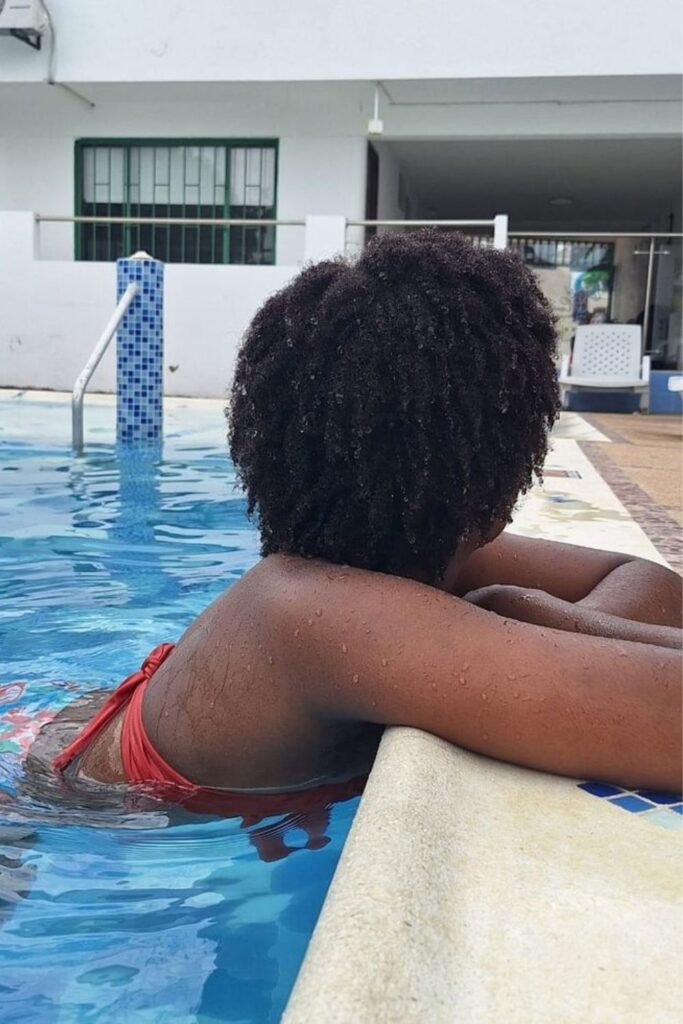
Chlorinated pool water is designed to keep swimming pools clean, but repeated exposure can leave hair feeling dry or rough. Salt water can have a similar effect, particularly when combined with sun, heat, and wind during a beach day.
This does not mean that swimming automatically damages natural hair. The bigger concern is repeated exposure without proper preparation and aftercare.
If your hair is already dry or difficult to detangle, allowing it to repeatedly absorb chlorinated or salty water without taking protective steps may make those problems more noticeable.
This is why understanding how to moisturize 4C hair is particularly useful if you regularly spend time in the water. Keeping your strands adequately moisturized before swimming gives you a better starting point.
The goal is not to create a complicated routine every time you visit the pool. Instead, you want to develop a few consistent habits that minimize unnecessary dryness, tangling, and manipulation.
For anyone swimming with natural hair, preparation is just as important as what you do after leaving the water.
What to Do Before Swimming With Natural Hair
The best time to protect your hair is before it comes into contact with pool or ocean water.
A few simple steps can reduce how much chlorinated or salty water your strands absorb and make your post-swim routine easier.
1. Start With Clean, Conditioned Hair
If your hair is extremely dry before swimming, give it some attention first.
Depending on your normal routine, you can cleanse your hair and follow with a moisturizing conditioner. You do not necessarily need to completely change your wash schedule just because you plan to swim.
The goal is simply to avoid getting into the water with hair that is already severely dehydrated.
A good conditioning session can leave your strands softer and easier to manage.
If your regular routine already includes deep conditioning natural hair, you can schedule it around your swimming activities rather than adding unnecessary treatments.
2. Saturate Your Hair With Fresh Water
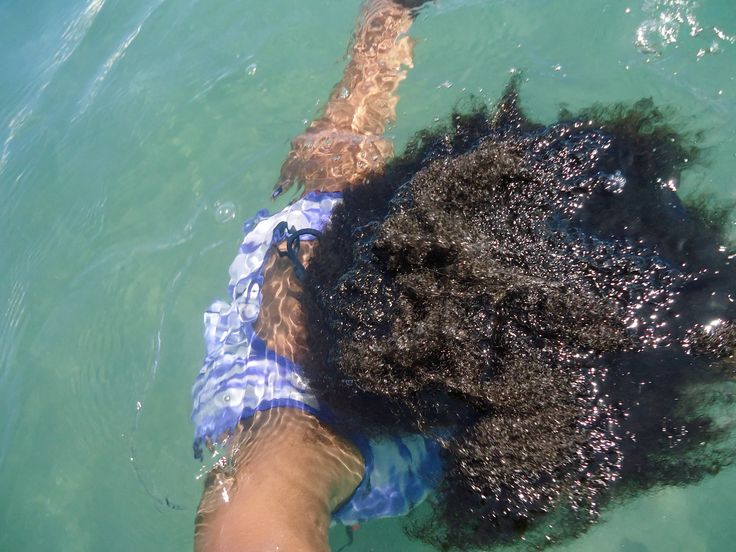
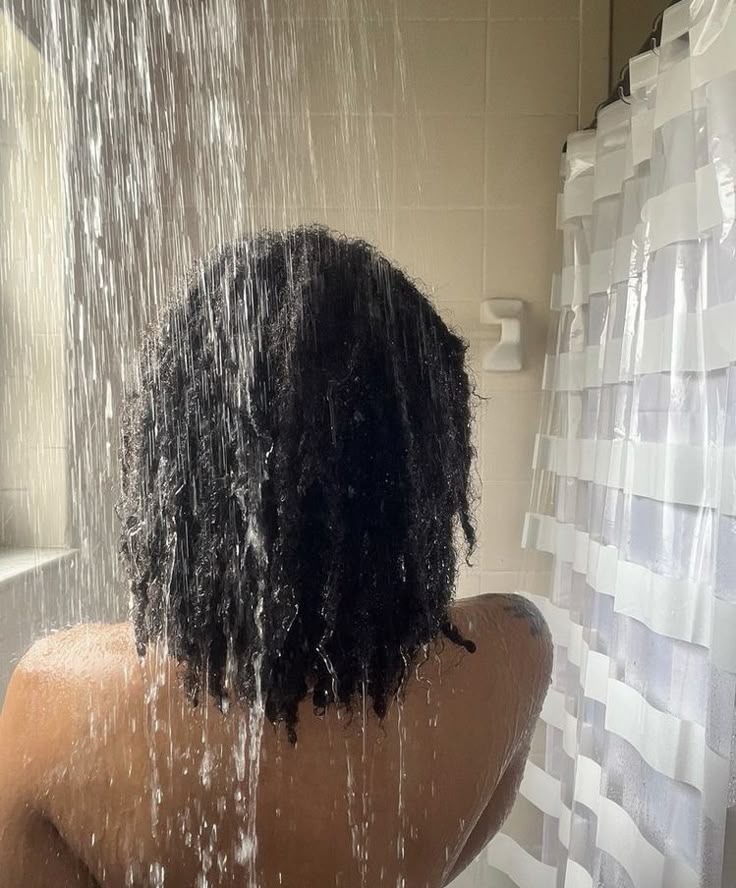
One of the simplest pre-swim steps is thoroughly wetting your hair with clean water before entering the pool or ocean.
Hair can only absorb so much water. Saturating your strands with fresh water first can help reduce the amount of chlorinated or salty water they take in.
Make sure the water reaches the hair rather than only wetting the surface. Your strands should be thoroughly saturated before you put on your swimming cap or enter the pool.
This small step can make a noticeable difference to your routine without requiring expensive products.
3. Apply a Lightweight Protective Layer
After wetting your hair, you can apply a lightweight leave-in conditioner or another moisturizing product that already works well for your hair.
There is no need to cover your hair with a huge amount of product.
Too much product can create buildup and make your hair harder to cleanse later. A small amount is usually enough to add some moisture and make your strands feel softer.
If you are still learning how to keep 4C hair moisturized, swimming days can be a good opportunity to observe how your hair responds to different amounts of moisture and product.
4. Put Your Hair Into a Low-Manipulation Style
Loose hair can become tangled when you swim, particularly when it is repeatedly exposed to moving water.
Consider putting your hair into a few loose twists, braids, or another low-manipulation style before swimming.
Avoid making the style excessively tight. Your hair should be secure without putting unnecessary tension on your scalp, edges, or hairline.
If you already enjoy protective hairstyles for 4C hair, choose an option that keeps most of your strands contained without making the style difficult to rinse afterward.
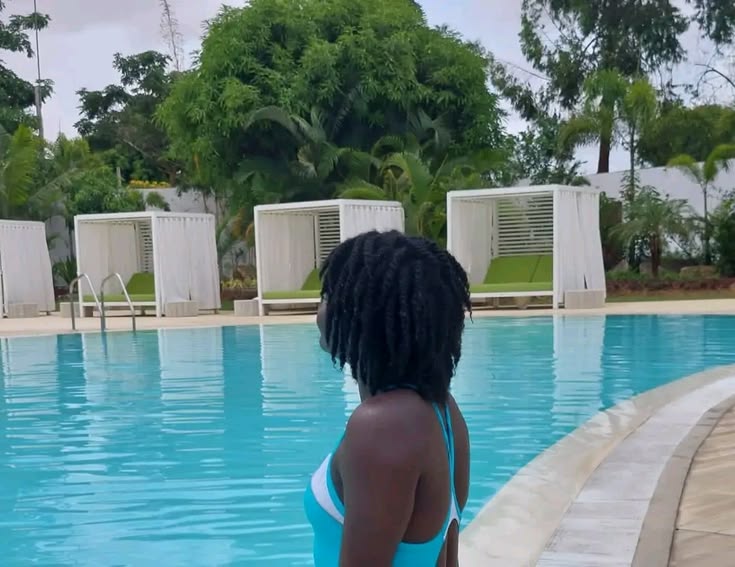
5. Wear a Swimming Cap
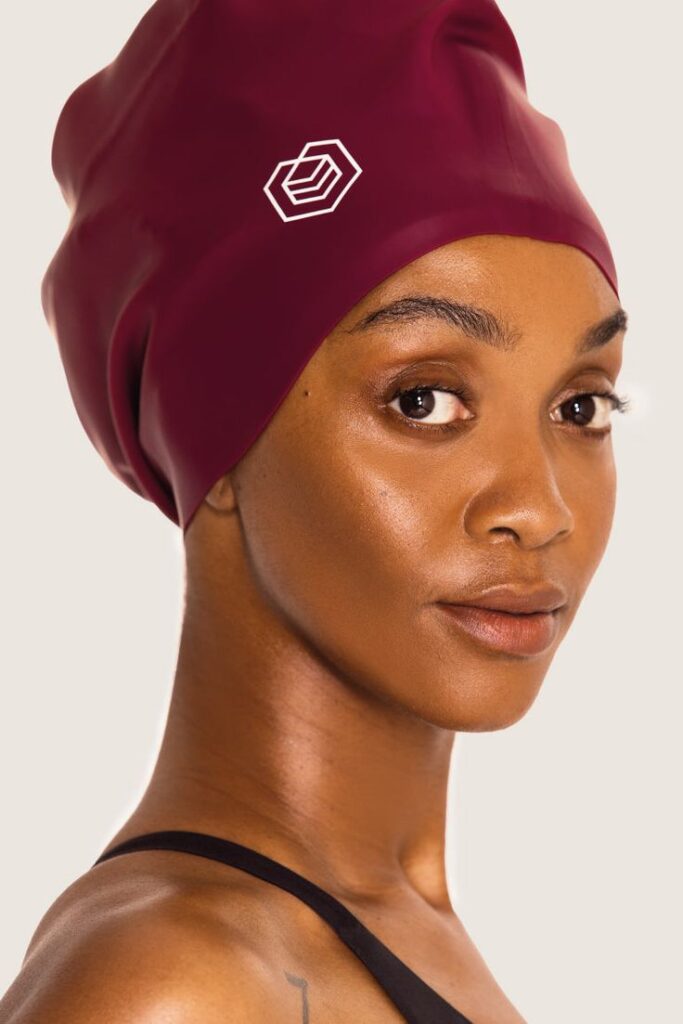
A swimming cap can provide another layer of protection and reduce direct exposure to pool water.
It may not completely prevent water from reaching your hair, especially if you have thick or voluminous natural hair, but it can still reduce exposure.
Choose a cap that is large enough to accommodate your hair without squeezing it tightly.
If you swim regularly, investing in a cap designed to accommodate textured or longer hair can make the experience much more comfortable.
How to Protect Your Hair While Swimming
Your routine does not stop once you enter the water.
A few habits can make swimming easier on your hair.
First, try to avoid unnecessary exposure when possible. If you are swimming laps or exercising, spending a significant amount of time in the water may be unavoidable. But if you are simply relaxing at the pool, you do not necessarily need to keep your hair submerged throughout the entire outing.
A swimming cap can help keep your hair contained and reduce exposure. Make sure it fits comfortably and does not pull tightly around your edges.
This is particularly important if you already deal with 4C hair breakage or fragile edges. Adding unnecessary tension while your hair is wet is not ideal.
Pay attention to how you handle your hair throughout the day as well. Constantly removing your cap, adjusting your hairstyle, or pulling at wet strands can create unnecessary manipulation.
If you swim several times a week, you may need to adapt your regular natural hair wash day routine to accommodate the additional exposure.
The goal is consistency rather than waiting until your hair feels extremely dry before taking action.
What to Do Immediately After Swimming
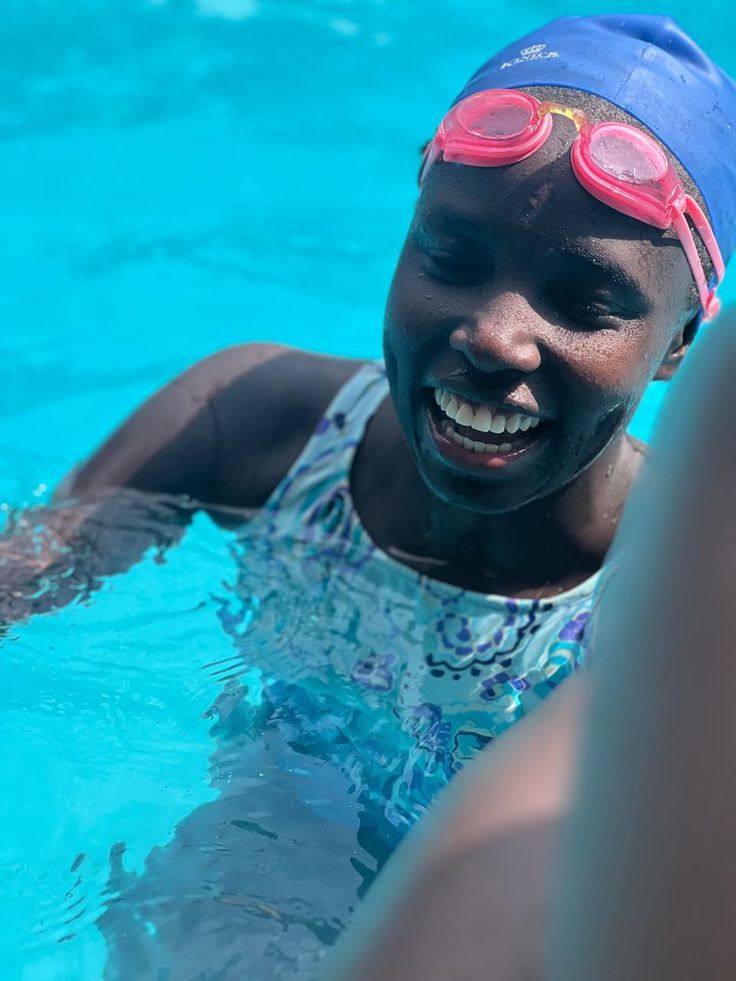
Once you leave the pool or ocean, do not allow chlorinated or salty water to sit in your hair unnecessarily.
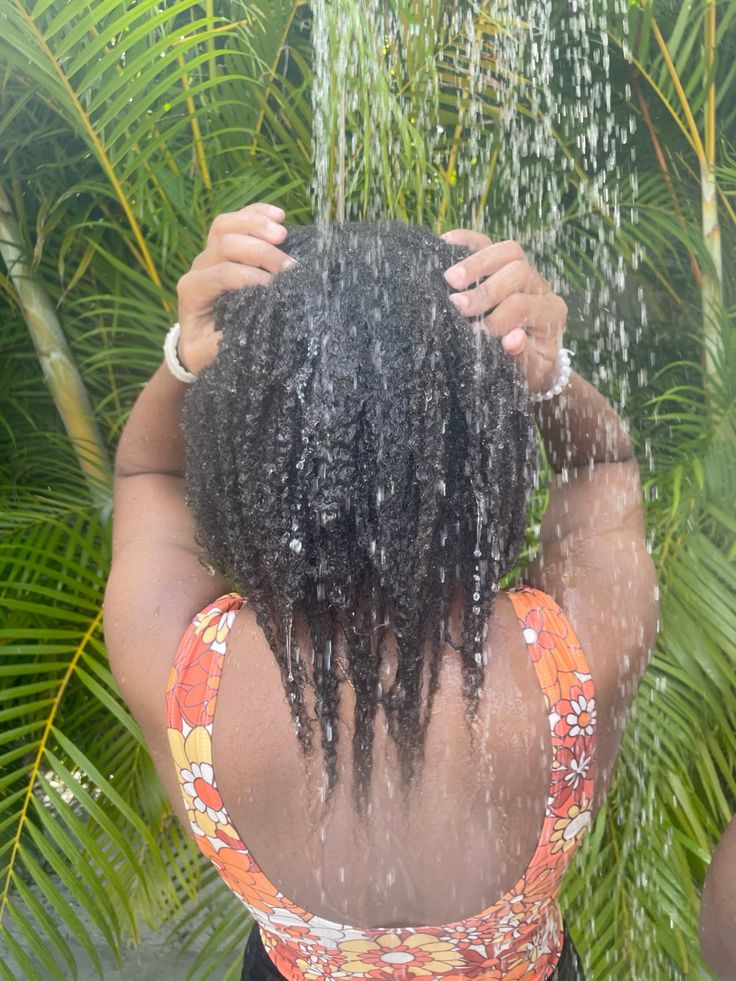
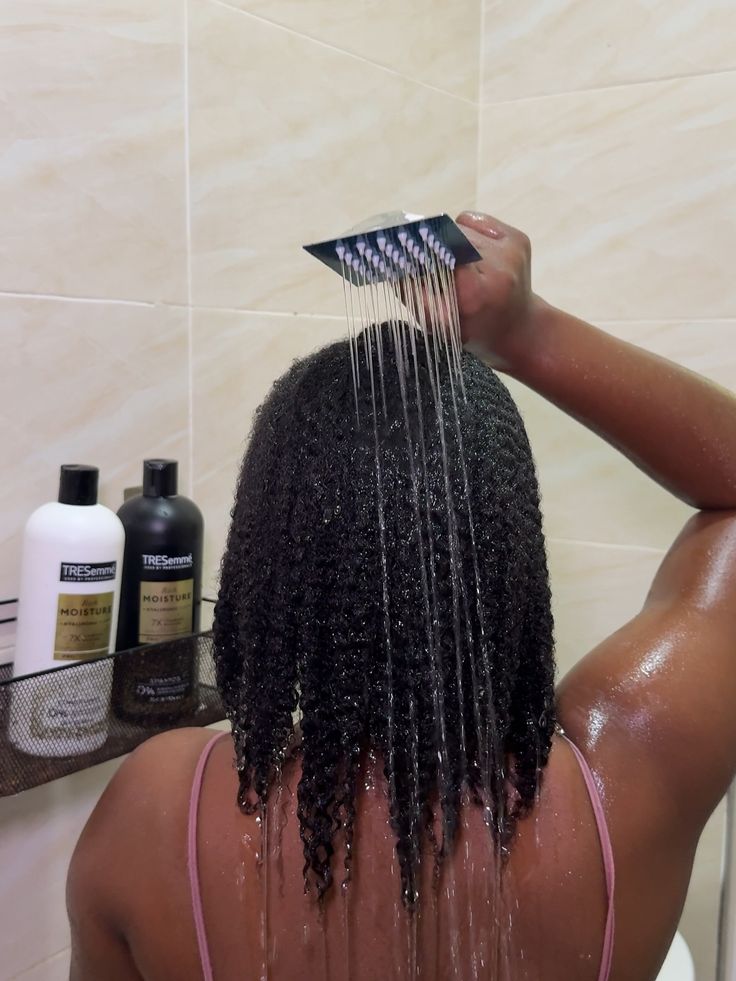
Rinse your hair thoroughly with clean water as soon as possible.
This helps remove some of the residue left behind by the swimming water. If you have been swimming with natural hair in a chlorinated pool, rinsing is particularly important because you do not want to leave pool water sitting on your strands for an extended period.
You do not necessarily have to shampoo your hair immediately after every short swim, but a thorough rinse is a useful first step.
If you swim frequently, your cleansing schedule may need to change depending on how your hair responds.
After rinsing, gently squeeze out excess water instead of aggressively rubbing your hair with a towel. Rough handling can contribute to tangling and breakage.
A microfiber towel or soft cotton T-shirt can be used to remove excess water with less friction.
And if you already struggle with dry natural hair, pay particular attention to how your strands feel after rinsing. That can help you decide whether you need a full wash, conditioning treatment, or simply your usual moisturizing routine.
How to Wash Natural Hair After Swimming
If your hair has been exposed to chlorine or salt water, cleansing is an important part of your post-swim routine.
Start by thoroughly rinsing your hair with clean water. Then use your normal shampoo or cleanser when your hair needs a more thorough wash.
Focus on the scalp and allow the cleanser to move through the lengths as you rinse. There is no need to scrub aggressively.
If your hair feels particularly coated, dry, or rough, follow cleansing with a moisturizing conditioner.
Allow the conditioner enough time to soften your strands before detangling.
This is also a good time to practice how to detangle 4C hair without breakage. Work in sections, start from the ends, and gradually move toward the roots instead of forcing a comb through your hair from top to bottom.
If your hair becomes extremely tangled after swimming, do not rush through the process. Add conditioner, divide the hair into smaller sections, and work through each section gently.
Your post-swim wash routine should leave your hair clean without making it feel stripped.
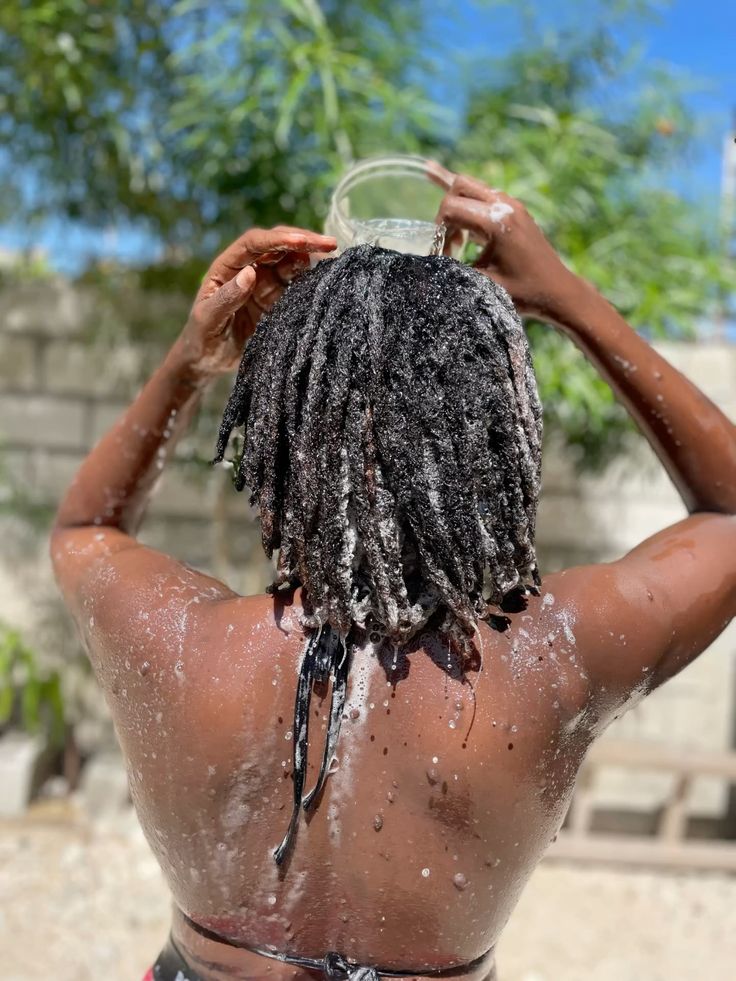
Deep Conditioning After Swimming
Cleansing removes unwanted residue, but conditioning helps bring softness and moisture back to the hair.
After washing, apply a moisturizing deep conditioner when your hair feels particularly dry or when your regular conditioner is not enough.
Work the product through your hair in sections so that the strands receive even coverage.
You can gently smooth the conditioner through each section before covering the hair with a plastic cap. Leave the conditioner on according to the product’s instructions and rinse thoroughly.
Deep conditioning does not necessarily need to become an elaborate ritual every time you swim. Let the condition of your hair guide you.
If your strands remain soft and manageable after swimming, your normal conditioning routine may be enough. If they repeatedly feel dry, rough, or difficult to detangle, adding a deeper conditioning session may be helpful.
People who regularly swim should pay attention to their hair instead of automatically copying someone else’s routine.
The same principle applies when building a 4C hair wash day routine. Your routine should respond to what your hair actually needs.
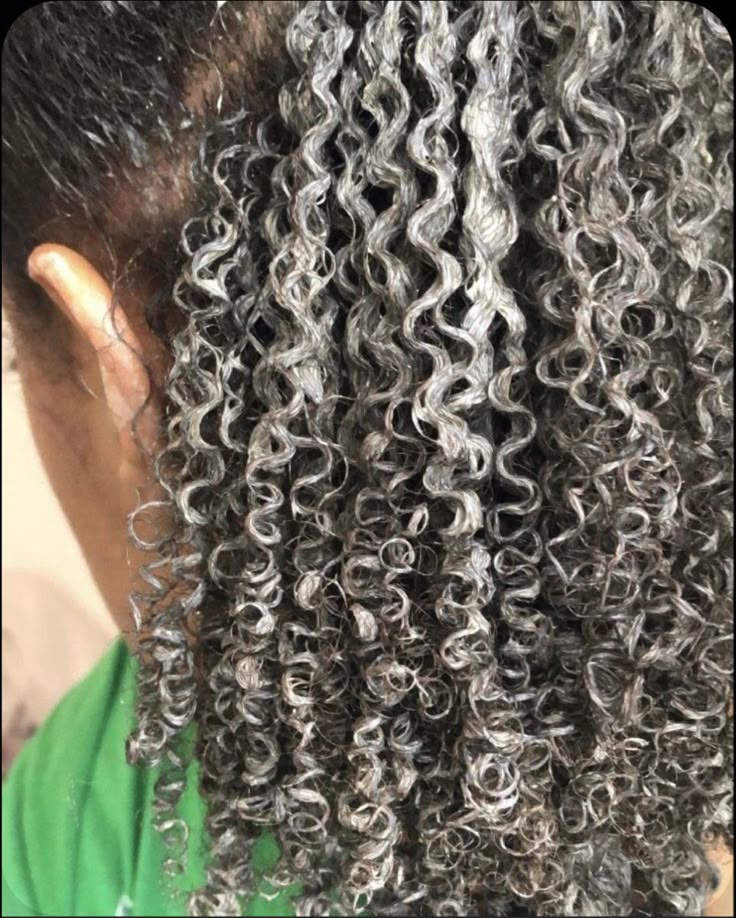
Moisturizing and Styling Your Hair After Swimming
Once your hair has been cleansed and conditioned, focus on keeping it moisturized and easy to manage.
Apply your usual leave-in conditioner or moisturizing product before styling. If you already follow a method such as LOC or LCO, you can return to that routine after washing.
Avoid immediately putting freshly washed hair into a style that requires excessive pulling or repeated manipulation.
Simple styles such as loose twists, chunky braids, a puff, or another low-manipulation style can help you manage your hair while it dries.
If you are trying to improve how to retain length on 4C hair, gentle styling is particularly important. Protecting your ends and minimizing unnecessary manipulation can help you maintain the progress you make with your hair.
Pay attention to your ends as well. They are the oldest parts of your hair and often need careful handling.
The goal after swimming with natural hair is not to overload your strands with products. It is to restore enough moisture and softness to keep your hair comfortable and manageable.
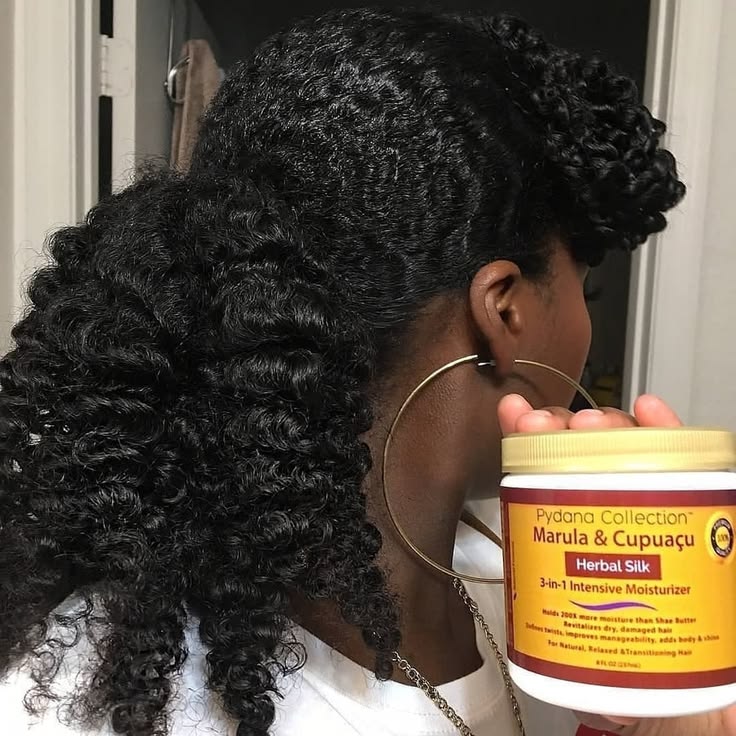
Mistakes to Avoid When Swimming With Natural Hair
A few common habits can make your post-swim experience harder than it needs to be.
Skipping the Pre-Swim Rinse
Going directly into a pool with completely dry hair means your strands can absorb more of the available water. Wetting your hair with clean water first is a simple step that can reduce unnecessary exposure.
Leaving Chlorinated Water in Your Hair
Do not treat pool water like clean water. Rinse your hair thoroughly after swimming and cleanse it when necessary.
Detangling Dry, Chlorinated Hair
Trying to comb through hair that is dry and coated with pool residue can lead to unnecessary pulling. Rinse and condition the hair first, then detangle gently.
This is especially important if you are already learning how to prevent breakage in natural hair.
Wearing Tight Hairstyles
A tight bun, ponytail, or braided style may already place tension on your hair. Adding a tight swimming cap on top of it can increase that tension.
Choose secure but comfortable styles instead.
Using Too Much Product
More product does not automatically mean more protection. Heavy layers can make your hair difficult to wash and may leave unnecessary buildup.
Ignoring Your Hair’s Response
Your natural hair may respond differently from someone else’s. If your strands consistently feel dry after swimming, adjust your cleansing and conditioning routine instead of ignoring the pattern.
If you’re still building your overall routine, understanding the best products for 4C natural hair can also help you make more intentional choices rather than buying products simply because they are popular.
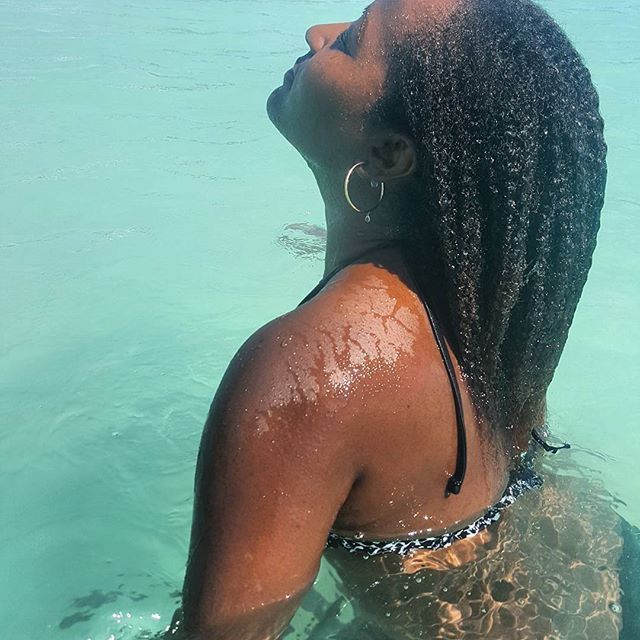
How Often Should You Wash Natural Hair If You Swim Regularly?
There is no single schedule that works for everyone.
Someone who swims once every few weeks may be able to maintain their usual wash routine while rinsing thoroughly after swimming. Someone who swims several times a week may need to cleanse and condition more frequently.
The important thing is to monitor your hair and scalp.
If your hair feels dry, coated, unusually rough, or difficult to detangle, that may be a sign that your routine needs adjustment. If your scalp feels uncomfortable or has noticeable buildup, cleansing may also be necessary.
Frequent swimmers should aim for a balance: remove chlorine, salt, sweat, and buildup without excessively stripping the hair.
This is where understanding how often to wash 4C hair becomes useful. Your ideal schedule depends on your lifestyle, scalp, products, and how frequently your hair is exposed to water and buildup.
You can also use your regular 4C hair care routine for healthy hair as your foundation and make small adjustments around swimming days.
A Simple Before-and-After Swimming Routine
If you want to keep things simple, your routine can look like this.
Before Swimming
- Thoroughly wet your hair with clean water.
- Apply a lightweight moisturizing conditioner or leave-in if appropriate for your routine.
- Put your hair into a loose, low-manipulation style.
- Cover it with a properly fitted swimming cap.
- Avoid unnecessarily long exposure when you are not actively swimming.

After Swimming
- Rinse your hair thoroughly with clean water.
- Cleanse when needed to remove chlorine, salt, sweat, and buildup.
- Condition or deep condition according to how your hair feels.
- Detangle gently in sections.
- Apply your normal moisturizing products.
- Choose a low-manipulation style while your hair recovers.
If your hair tends to become extremely dry, you can also revisit ways to keep natural hair soft and hydrated and incorporate the techniques that fit naturally into your existing routine.
The routine does not have to be complicated. The biggest difference comes from being consistent.
Final Thoughts
Swimming and healthy natural hair can absolutely coexist.
The key is understanding that pool water and salt water can affect your strands and planning your routine around that exposure.
Start by preparing your hair before swimming, rinse it thoroughly afterward, cleanse when necessary, and restore moisture through conditioning and gentle styling.
You also do not need an extremely complicated product collection to maintain your hair. A consistent routine that suits your texture, lifestyle, and swimming frequency is often more useful than constantly changing products.
With the right habits, swimming with natural hair can become a manageable part of your lifestyle rather than something you avoid because you are worried about dryness, tangling, or breakage.
The goal is simple: protect your strands before exposure, remove unwanted residue afterward, restore moisture, and handle your hair gently throughout the process.


7 Comments