
DIY Aloe Vera Hair Treatments: Simple Ways to Care for Natural Hair
Disclosure: Some of the links in this post are affiliate links. This means if you click on the link and purchase an item, I will receive an affiliate commission at no extra cost to you.
Aloe vera is one of those ingredients that has remained popular in natural hair care because it is easy to find and can be used in several different ways. Its gel has a naturally slippery texture that can make hair feel softer and easier to handle, which is especially useful when you’re dealing with dry or difficult-to-manage strands.
For natural and 4C hair, aloe vera can be incorporated into wash-day treatments, pre-shampoo routines, scalp care, and homemade conditioning mixtures. However, it is important to understand what aloe vera can and cannot do. It is not a magical hair-growth ingredient, and using more of it will not necessarily give better results.
The simplest approach is to use aloe vera as one part of a balanced routine. Depending on the treatment, you can combine it with ingredients such as conditioner, honey, oils, or other hair-friendly ingredients.
Another important consideration is preservation. Fresh aloe vera contains a significant amount of water, which means homemade treatments containing fresh gel can spoil quickly. They should generally be prepared in small quantities and used promptly rather than stored for weeks.
In this guide, we’ll cover several DIY aloe vera hair treatments, how to prepare and apply them, which ones may work best for different hair needs, and the mistakes to avoid when using aloe vera on natural hair.
What Does Aloe Vera Do for Natural Hair?
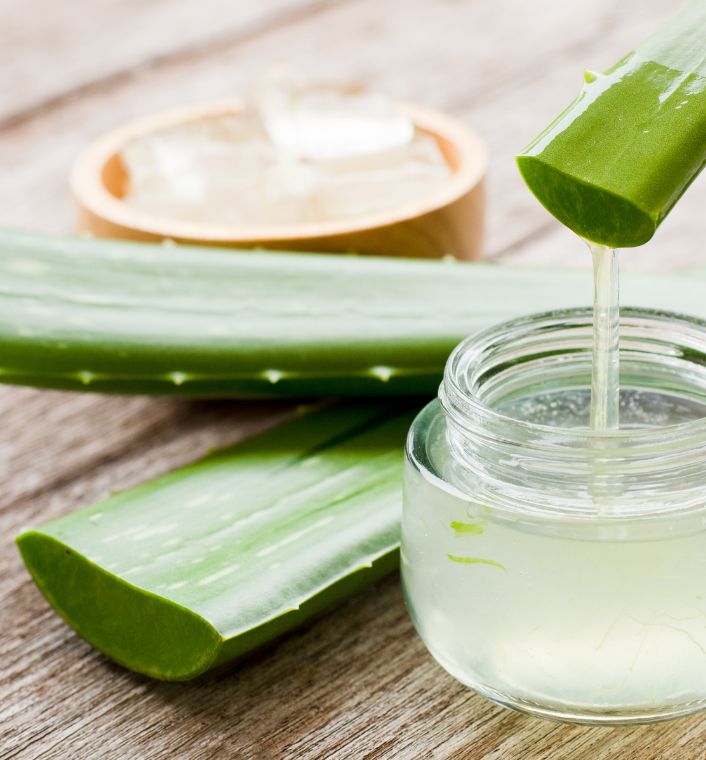
Aloe vera gel contains a high percentage of water and has a naturally slippery consistency.
When applied to the hair, it can help make strands feel smoother and provide slip during certain treatments. That makes it particularly useful when you’re trying to reduce friction while handling your hair.
Aloe vera can also be included in conditioning treatments because its texture works well with other moisturizing ingredients.
However, it should not be confused with oil or butter. Aloe vera is water-based, so it does not perform the same role as an oil used to seal moisture.
This distinction is important when building a moisture routine for dry natural hair. Aloe vera can be one source of moisture, while an oil or butter may be used afterward if your routine benefits from sealing.
Your hair’s response should always guide how frequently you use it. Some people may love aloe vera treatments, while others may find that frequent use leaves their hair feeling stiff or dry.
How to Prepare Fresh Aloe Vera Gel
If you’re using a fresh aloe vera leaf, preparation matters.
Start by washing the leaf thoroughly.
Cut off the base and place the leaf upright for a short time so the yellow latex can drain away.
The yellow substance is different from the clear inner gel and can be irritating for some people.
Next, rinse the leaf again.
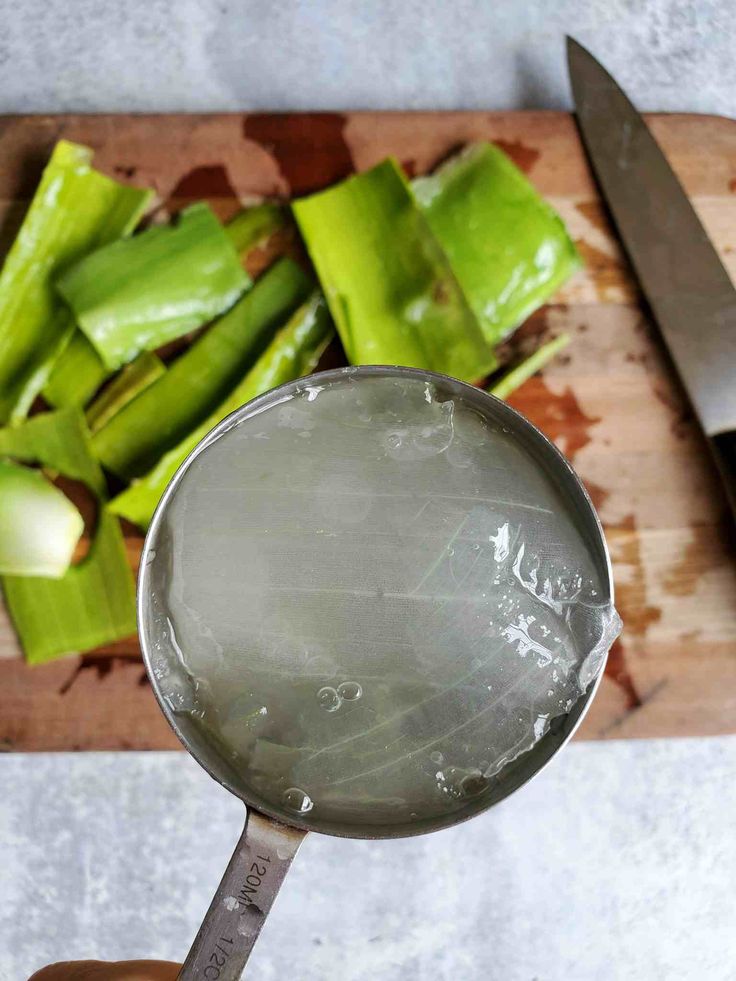
Cut away the spiky sides and carefully remove the outer green skin.
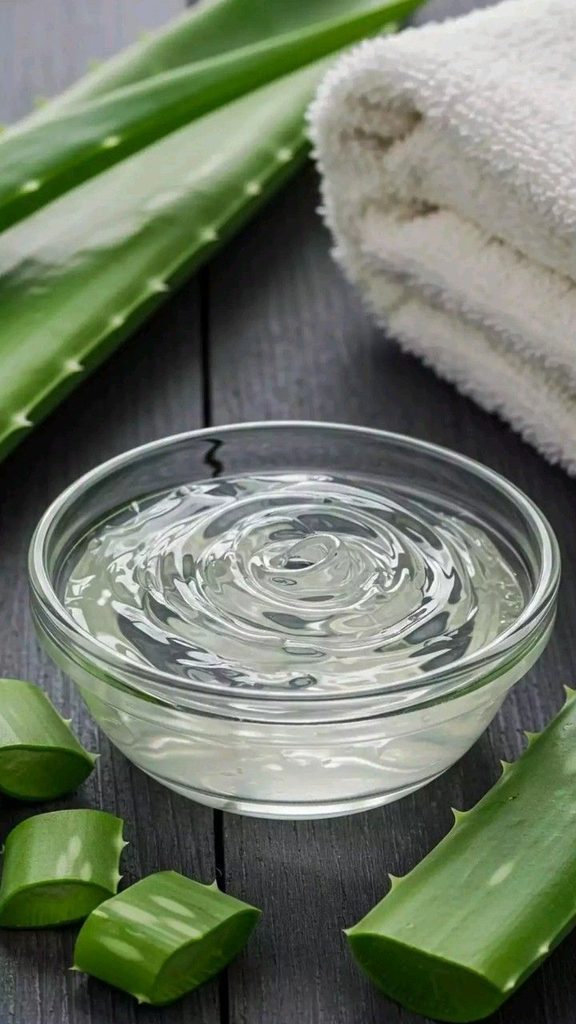
Scoop out the clear gel and place it into a clean blender.
Blend briefly until smooth.
You can then use the fresh gel immediately in your chosen treatment.
Because fresh aloe contains water and has no cosmetic preservative system, avoid making a large batch and storing it for an extended period.
Preparing only what you need for one or a few applications is a much more practical approach.
If you prefer convenience, commercially prepared aloe vera gel formulated for cosmetic use can be easier to incorporate into your routine.
DIY Aloe Vera and Conditioner Treatment
This is one of the easiest ways to introduce aloe vera into your routine.
Combining aloe gel with your regular conditioner gives you a simple treatment without requiring several additional ingredients.
Ingredients
- 2 tablespoons fresh aloe vera gel
- 3 tablespoons moisturizing conditioner
Preparation
Mix the aloe vera gel and conditioner in a clean bowl until evenly combined.
How to Use It
After shampooing, apply the mixture to damp hair in sections.
Work it through the lengths and ends.
Allow it to sit for about 10–15 minutes before rinsing thoroughly.
This treatment can provide slip and make the hair feel conditioned without requiring a complicated recipe.
If you already have a deep conditioning routine for 4C hair, you can use this as an occasional variation rather than adding it to every wash day.
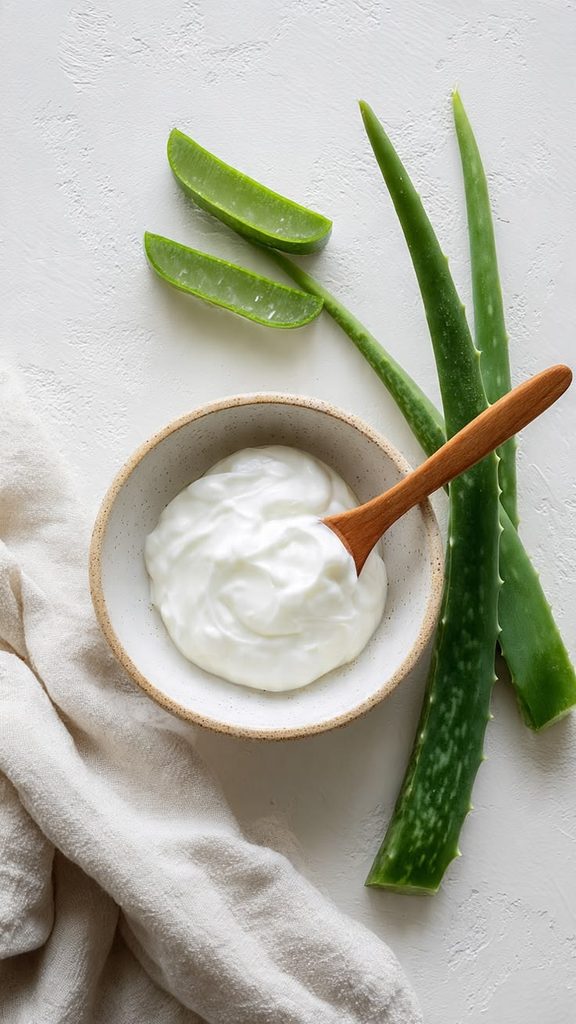
DIY Aloe Vera and Honey Hair Mask
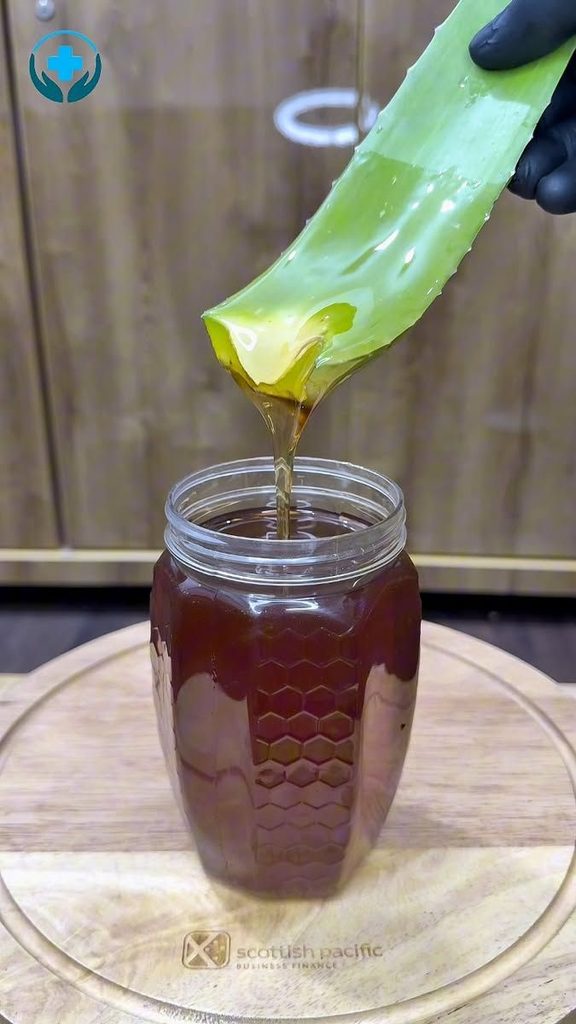
Honey is a humectant commonly used in homemade hair treatments, while aloe vera provides a water-rich base.
Together, they can create a simple conditioning mask.
Ingredients
- 2 tablespoons aloe vera gel
- 1 tablespoon honey
- 2 tablespoons moisturizing conditioner
Preparation
Combine all three ingredients in a clean bowl.
Stir until the mixture has a consistent texture.
How to Use It
Apply the mask to damp, freshly cleansed hair.
Separate your hair into sections and distribute the mixture evenly.
Leave it on for approximately 15 minutes.
Rinse thoroughly with lukewarm water.
Do not leave homemade mixtures containing fresh ingredients sitting around for long periods. Prepare only what you need and discard leftovers rather than storing them.
If your hair tends to become dry easily, you can pair this treatment with ways to improve moisture retention in 4C hair as part of a broader routine.
DIY Aloe Vera Pre-Shampoo Treatment
Aloe vera can also be used before shampooing.
A pre-shampoo treatment can help make the hair feel more manageable before cleansing.
Ingredients
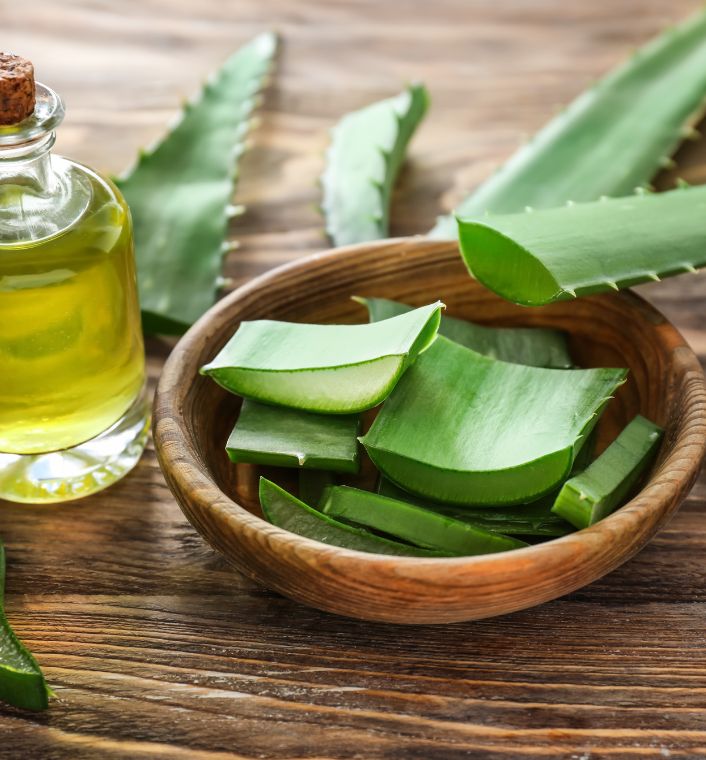
- 3 tablespoons aloe vera gel
- 1 tablespoon jojoba oil
Preparation
Mix the aloe vera gel and jojoba oil immediately before use.
Because aloe vera is water-based and oil is oil-based, the mixture will naturally separate. Stir it immediately before applying.
How to Use It
Apply the mixture to damp hair in sections.
Focus on the lengths and ends.
Leave it on for approximately 10–15 minutes.
Follow with your normal shampoo and conditioning routine.
This treatment can be particularly useful when your hair feels rough before wash day.
However, don’t assume you need a pre-shampoo treatment every time. Your normal 4C hair wash day routine may already provide enough conditioning and slip.
DIY Aloe Vera and Coconut Oil Treatment
Coconut oil can be combined with aloe vera for a simple pre-shampoo treatment.
Because the two ingredients have different properties, they should be mixed immediately before use.
Ingredients
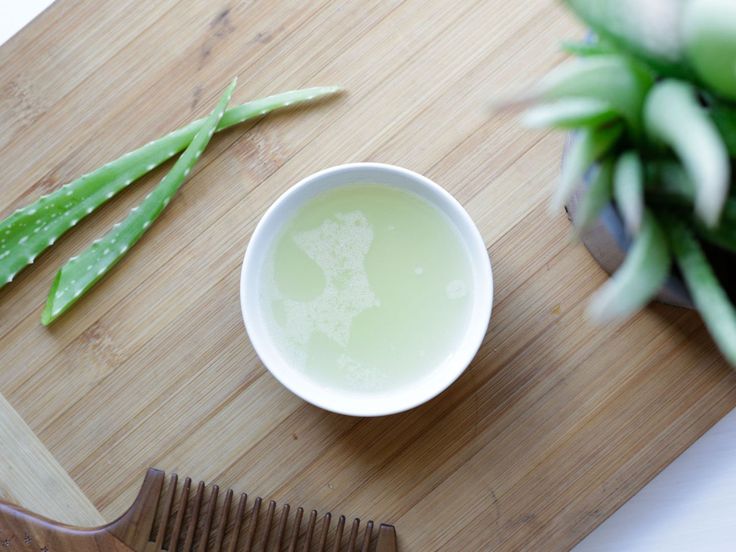
- 2 tablespoons aloe vera gel
- 1 tablespoon coconut oil
Preparation
Mix the ingredients thoroughly.
If the coconut oil is solid, allow it to soften before combining it with the aloe.
How to Use It
Apply the mixture to damp hair.
Work through the lengths and ends.
Leave it on for approximately 15 minutes before shampooing.
If coconut oil tends to make your hair feel stiff or coated, replace it with jojoba or another oil your hair tolerates better.
The goal is to improve manageability, not to force your hair to accept an ingredient simply because it is popular.
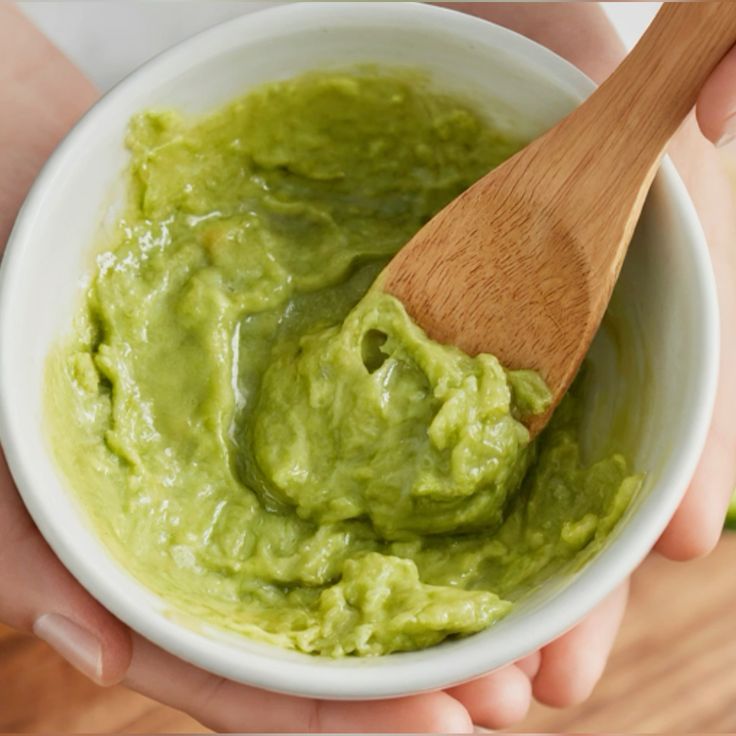
DIY Aloe Vera and Avocado Hair Mask
Avocado can add richness to a homemade hair mask, while aloe vera contributes a water-rich, slippery texture.
Ingredients
- 2 tablespoons aloe vera gel
- ¼ ripe avocado
- 1 tablespoon conditioner
Preparation
Blend the avocado until smooth.
Add the aloe vera and conditioner.
Mix until you have a creamy consistency.
How to Use It
Apply to clean, damp hair.
Work in sections and distribute the mask from the lengths to the ends.
Leave it on for about 15–20 minutes.
Rinse thoroughly and follow with your normal conditioner if necessary.
Because avocado contains fresh food ingredients, prepare this mask immediately before use and discard any leftovers.
For another homemade conditioning option, DIY deep conditioner recipes can give you additional ingredient combinations to rotate into your wash-day routine.
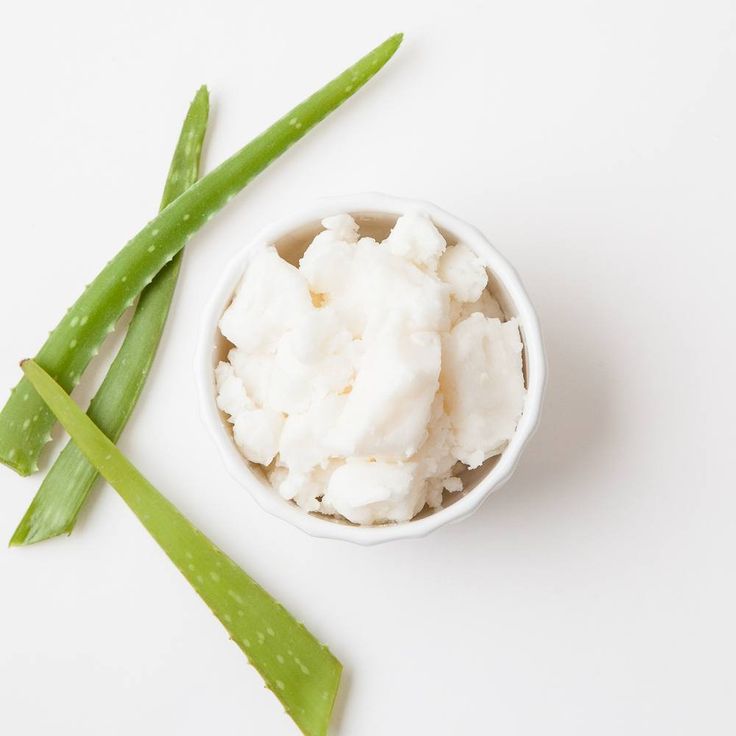
DIY Aloe Vera and Shea Butter Treatment
Shea butter and aloe vera have very different textures.
Aloe vera is water-based, while shea butter is rich and oil-based. Rather than preparing a large stored mixture, combine them immediately before application.
Ingredients
- 2 tablespoons aloe vera gel
- 1 tablespoon softened shea butter
Preparation
Whip the softened shea butter until creamy.
Add the aloe vera gel gradually and mix thoroughly.
Use immediately.
How to Use It
Apply the mixture to damp hair, concentrating on dry areas and ends.
Allow it to sit for approximately 10–15 minutes before rinsing or styling, depending on how you are using the treatment.
Do not store the mixture for later use.
If you enjoy richer products, homemade hair butter recipes can also help you create oil-based formulas that are easier to store than water-containing mixtures.
Aloe Vera Scalp Treatment
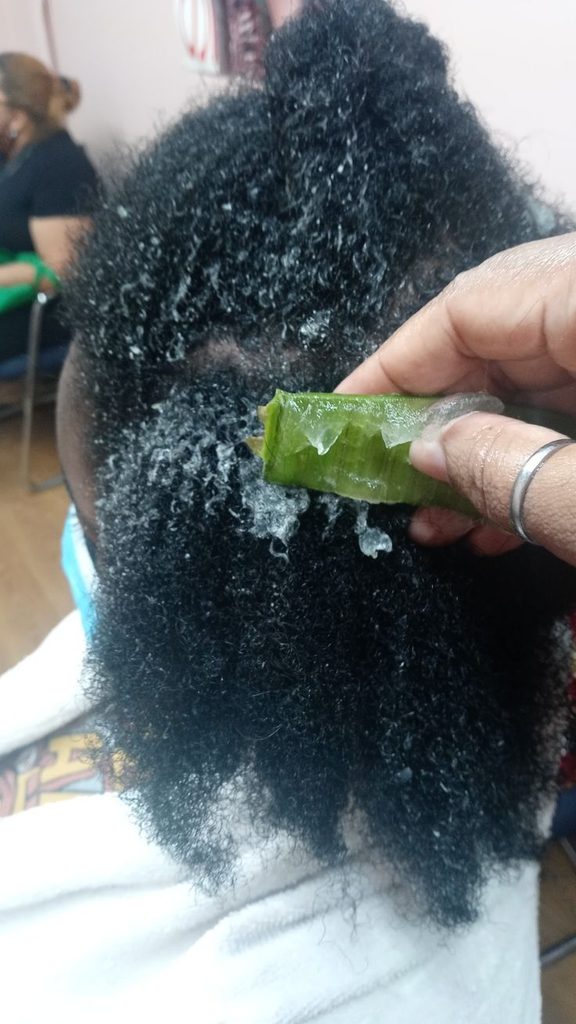
Aloe vera can also be used as a simple scalp treatment.
Its cooling, lightweight texture can feel pleasant when applied to the scalp, particularly after cleansing.
How to Use It
Apply a small amount of pure aloe vera gel to a clean scalp.
Use your fingertips to distribute it gently.
Allow it to sit for a few minutes before rinsing, especially if you are trying it for the first time.
Avoid applying aloe vera to broken or irritated skin.
If your scalp frequently feels dry, itchy, or uncomfortable, don’t automatically assume that aloe vera will solve the issue.
Understanding how to care for a dry scalp naturally can help you build a more appropriate routine.
Persistent itching, inflammation, sores, or unusual scalp changes should be assessed by a healthcare professional.
DIY Aloe Vera Hair Spray
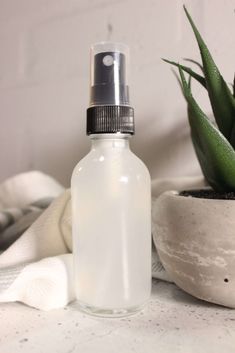
Aloe vera can be used as the base of a simple fresh hair refresher.
Ingredients
- ¼ cup distilled water
- 2 tablespoons aloe vera gel
Preparation
Mix the water and aloe vera thoroughly.
Transfer the mixture into a clean spray bottle.
How to Use It
Lightly mist a small amount over your hair when you want to refresh it.
Follow with a small amount of your preferred moisturizer or oil if needed.
Because this spray contains water and has no preservative system, make only a small amount and use it promptly.
Do not keep it sitting at room temperature for weeks.
For people dealing with dry weather, how to protect 4C hair during Harmattan can provide additional strategies for reducing the effects of harsh, dry conditions.
Can Aloe Vera Help Hair Growth?
Aloe vera is often promoted online as a hair-growth treatment, but those claims should be approached carefully.
There is no need to treat aloe vera as a miracle growth ingredient.
Healthy hair growth depends on the normal function of the hair follicles, while visible length also depends heavily on how well you retain your existing strands.
Aloe vera may make hair feel softer or easier to handle, but that does not mean it directly accelerates the rate at which your hair grows.
If your goal is longer natural hair, concentrate on reducing unnecessary breakage and maintaining a consistent routine.
Gentle detangling, appropriate conditioning, reduced tension, and protecting the ends can all contribute to better length retention.
If you are experiencing sudden hair loss, bald patches, or significant changes in your hair growth, seek professional medical advice rather than relying on homemade treatments.
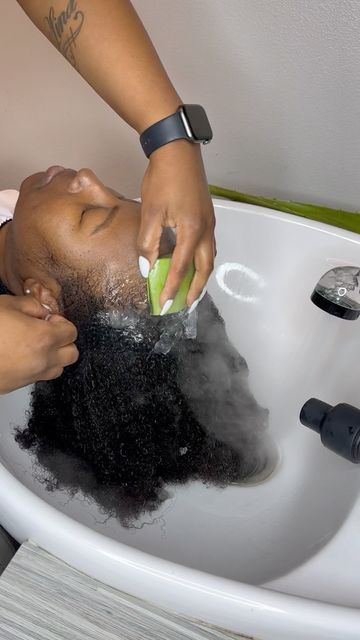
Aloe Vera vs Aloe Vera Juice for Hair
Aloe vera gel and aloe vera juice are not necessarily interchangeable.
Fresh aloe gel comes directly from the inner portion of the aloe leaf.
Aloe vera juice is a liquid preparation that may have a different formulation, concentration, and preservation system depending on the product.
If you’re purchasing aloe rather than extracting it yourself, read the label carefully.
Look for a product intended for topical or cosmetic use if you plan to apply it to your hair and scalp.
Avoid assuming that every aloe product sold for drinking is automatically appropriate for your hair.
For homemade treatments, fresh gel is usually easiest to understand because you know exactly what you’re working with.
However, it also has a short shelf life because it contains water and lacks commercial preservatives.
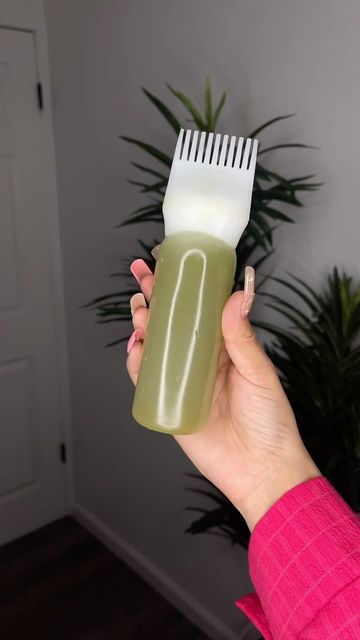
Common Mistakes When Using Aloe Vera on Hair
Aloe vera is simple to use, but a few mistakes can turn an otherwise useful treatment into an unpleasant experience.
Applying Too Much
More aloe does not automatically mean more moisture.
A thin, even layer is usually enough for most treatments.
Storing Fresh Aloe for Too Long
Fresh aloe contains water and can spoil.
Make small batches and use them promptly.
Skipping a Patch Test
If you’ve never used aloe on your skin before, test a small amount first.
Stop if you experience irritation.
Using Aloe on an Irritated Scalp
Avoid applying homemade treatments to broken or severely irritated skin.
Expecting Hair Growth Miracles
Aloe can support the feel and manageability of your hair, but it is not a guaranteed growth treatment.
Forgetting to Rinse
Some aloe treatments can leave residue if they are not properly rinsed.
Follow the instructions for the specific treatment you’re using.
Mixing Too Many Ingredients
A complicated recipe isn’t necessarily a better one.
Start with two or three ingredients so you can identify what works for your hair.
How to Store Homemade Aloe Vera Treatments
Storage deserves special attention when working with aloe vera.
Fresh aloe vera gel is water-rich, and homemade mixtures containing it generally do not have a proper cosmetic preservation system.
For that reason, don’t treat a fresh aloe mixture like a commercial hair product that can remain on your shelf for months.
Prepare small quantities.
Use clean utensils and containers.
Keep the mixture refrigerated when appropriate for short-term use, but remember that refrigeration does not make an unpreserved product shelf-stable.
If the mixture develops an unusual smell, changes color, separates unusually, develops mold, or simply looks different from when you made it, discard it.
Avoid adding fresh aloe to a large jar of your regular conditioner or hair cream.
Introducing water into a preserved commercial product can interfere with its preservation system.
Making fresh, single-use treatments is usually the simplest approach.
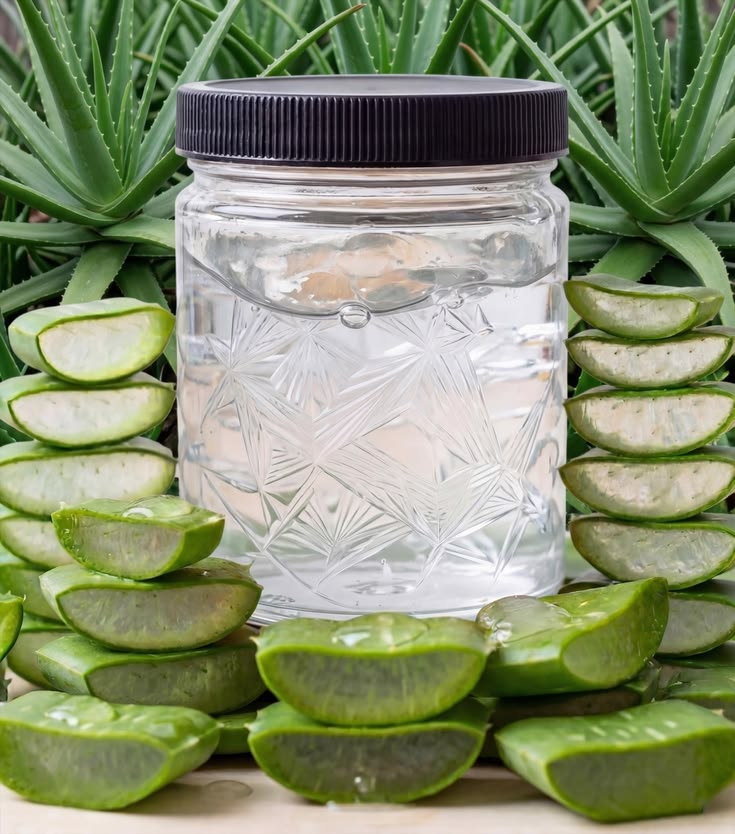
Final Thoughts
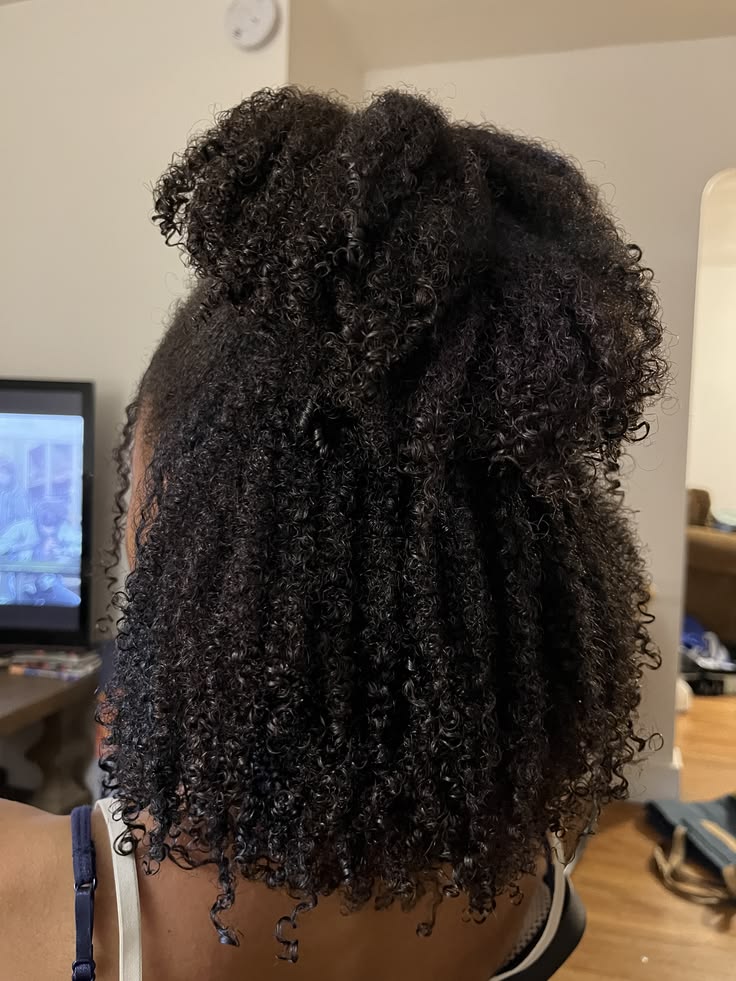
DIY aloe vera hair treatments can be a simple way to add a water-rich, slippery ingredient to your natural hair routine.
From conditioner masks and pre-shampoo treatments to scalp applications and fresh hair sprays, aloe vera can be adapted to different routines without requiring a long list of ingredients.
The most important thing is moderation. Aloe vera does not replace every other part of your hair routine, and it is not a guaranteed hair-growth treatment. Use it alongside cleansing, conditioning, moisturizing, gentle handling, and appropriate styling.
Fresh aloe vera also requires extra care because it contains water and can spoil quickly. Prepare small batches, use clean tools, and avoid storing homemade mixtures for long periods without proper preservation.
For natural and 4C hair, DIY aloe vera hair treatments can be worth experimenting with if your strands respond well to them. Start with a simple recipe, pay attention to how your hair feels afterward, and adjust your routine based on what actually works for you.