
This One Habit Could Be Destroying Your Hairline
Disclosure: Some of the links in this post are affiliate links. This means if you click on the link and purchase an item, I will receive an affiliate commission at no extra cost to you.
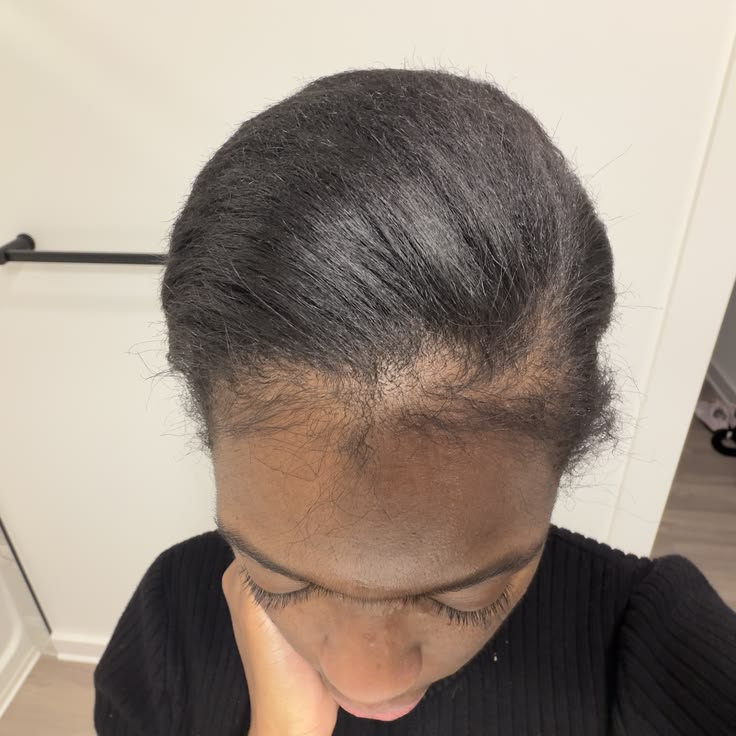
Your hairline can change so gradually that you may not notice what is happening until the difference becomes obvious.
Maybe your edges used to look fuller, but some areas now seem shorter. Perhaps your temples have become thinner, or you keep finding tiny broken hairs around your forehead. You may even have one particular section that never seems to retain length, no matter how carefully you care for the rest of your hair.
It is easy to blame genetics or assume that changes to your hairline are simply part of having natural hair. While several factors can affect hair growth and density, everyday styling habits can also contribute to hairline damage, particularly when the same habits are repeated for months or years.
One tight hairstyle is unlikely to change your hairline overnight. The bigger concern is repeated tension.
Think about the hairstyles you wear most often. Do your braids pull around the front? Does your ponytail feel tight? Do you brush your edges several times a day? Does your wig require your natural hair to be pulled firmly underneath it?
These habits may seem harmless individually, but constantly stressing the same delicate area can eventually affect how well you retain those strands.
Your hairline does not have to hurt before you take better care of it. Sometimes, the earliest warning signs are shorter hairs, uneven edges, increased breakage, or a gradual change around the temples.
If you are already working on healthy hair care, your hairline deserves the same attention as the rest of your strands.
The good news is that protecting your edges does not mean giving up every hairstyle you enjoy. It means becoming more aware of how much tension and manipulation your favorite styles require.
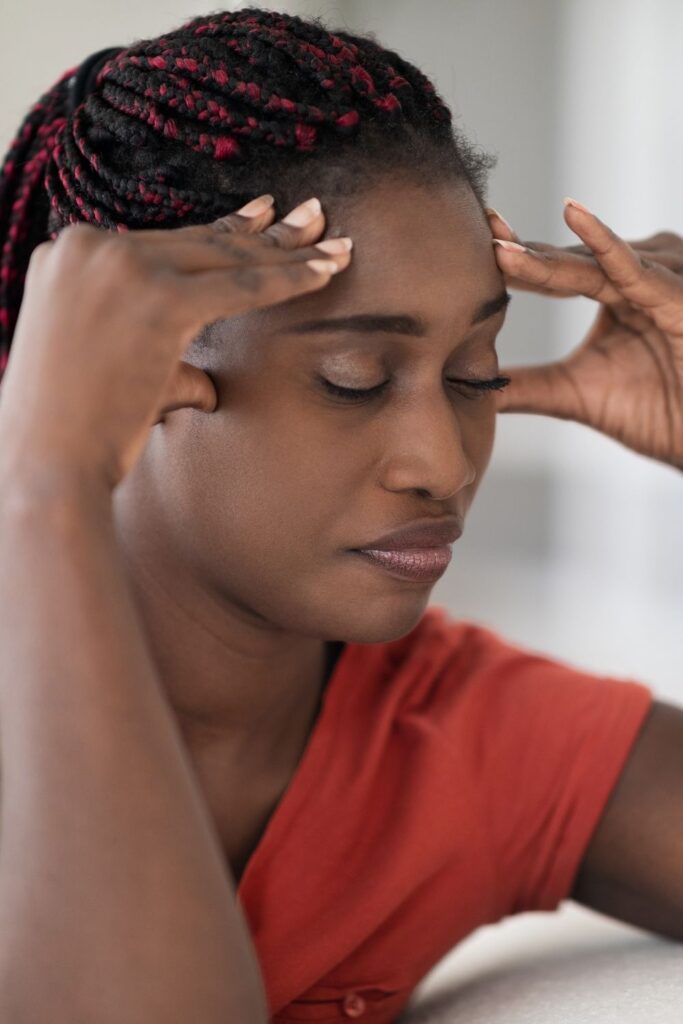
The One Habit That Could Be Damaging Your Hairline
One of the biggest causes of avoidable hairline damage is repeated tension.
A hairstyle can look beautiful while still placing considerable stress on the hair around your forehead and temples. Tight ponytails, firmly installed braids, slicked-back styles, wigs, cornrows, and heavily manipulated edges can all become problematic when they are worn too frequently or installed too tightly.
This is particularly important if you regularly rely on protective styles. A hairstyle is not truly protective if it constantly pulls on the same fragile strands.
The problem usually isn’t one styling session. It is the repetition.
Imagine pulling your hair backward every few days and securing it tightly in exactly the same position. The strands around your hairline experience that tension repeatedly, while the rest of your hair may not receive nearly as much stress.
Eventually, you may notice that your edges aren’t retaining length as well as they used to.
A style should also feel comfortable. If your scalp hurts immediately after installation, your head feels unusually tight, or you develop tenderness around your temples, don’t assume that discomfort is simply part of getting your hair done.
Your hairstyle can be neat without being painful.
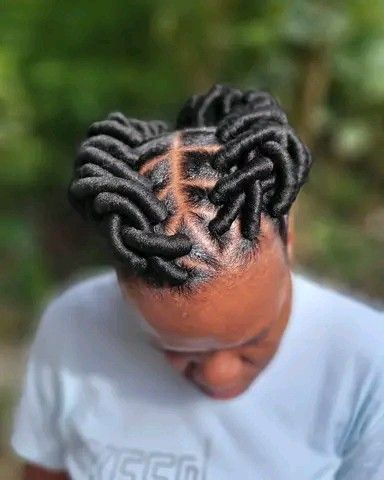
Tight Braids Can Put Your Edges Under Pressure
Braids are convenient, versatile, and beautiful. They can also reduce the amount of daily styling your natural hair needs.
However, the installation matters just as much as the finished look.
When braids are pulled tightly around the front of the head, the hairline may experience more tension than the rest of the scalp. The desire for perfectly neat parts can sometimes lead to unnecessary pulling around the edges.
You might notice the problem immediately when your scalp feels sore after installation. In other cases, the signs appear later as shorter hairs, thinning around the temples, or increased breakage.
If you regularly wear braids for growth, pay attention to how the front of your hair responds after each installation.
You do not have to stop wearing braids completely. Choosing a looser installation and avoiding excessive tension around the hairline can make the style much gentler.
The same applies to how long you keep the style. Leaving a tight hairstyle in place for weeks means your edges are exposed to that tension for an extended period.
A beautiful braid pattern is not worth sacrificing the hairline you are trying to maintain.
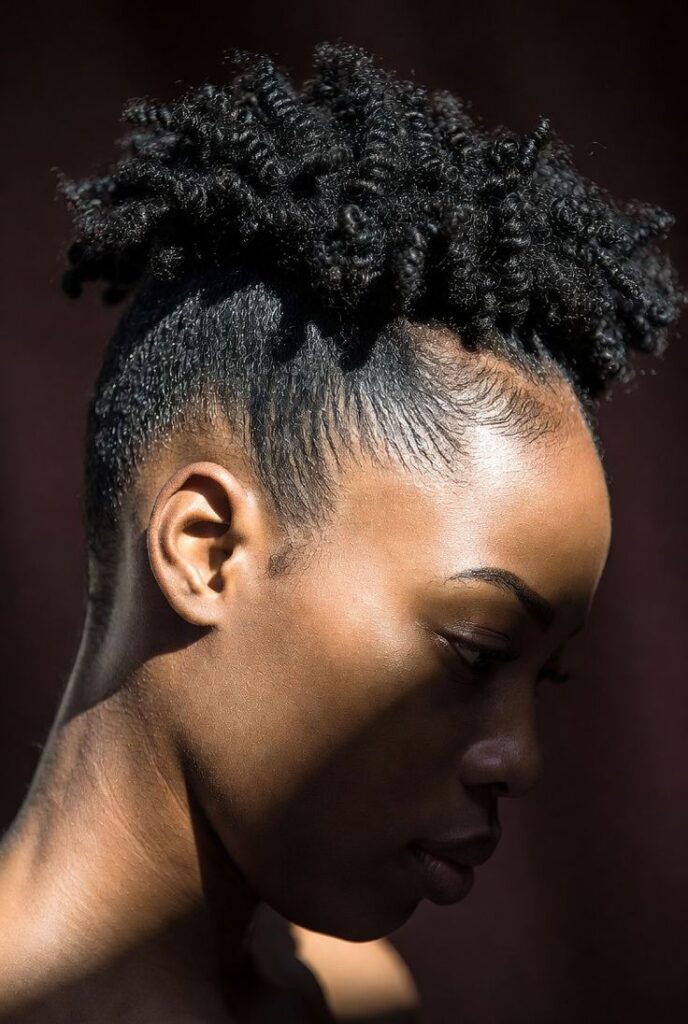
Your Ponytail May Be Pulling More Than You Realize
A ponytail seems harmless because it is quick and simple.
You gather the hair, secure it, smooth the front, and continue with your day.
The problem begins when the ponytail is tight enough to pull the skin around your temples backward.
Wearing a loose ponytail occasionally is completely different from wearing a tightly pulled ponytail several times every week. If you always position it at the same height, the same area can experience repeated tension.
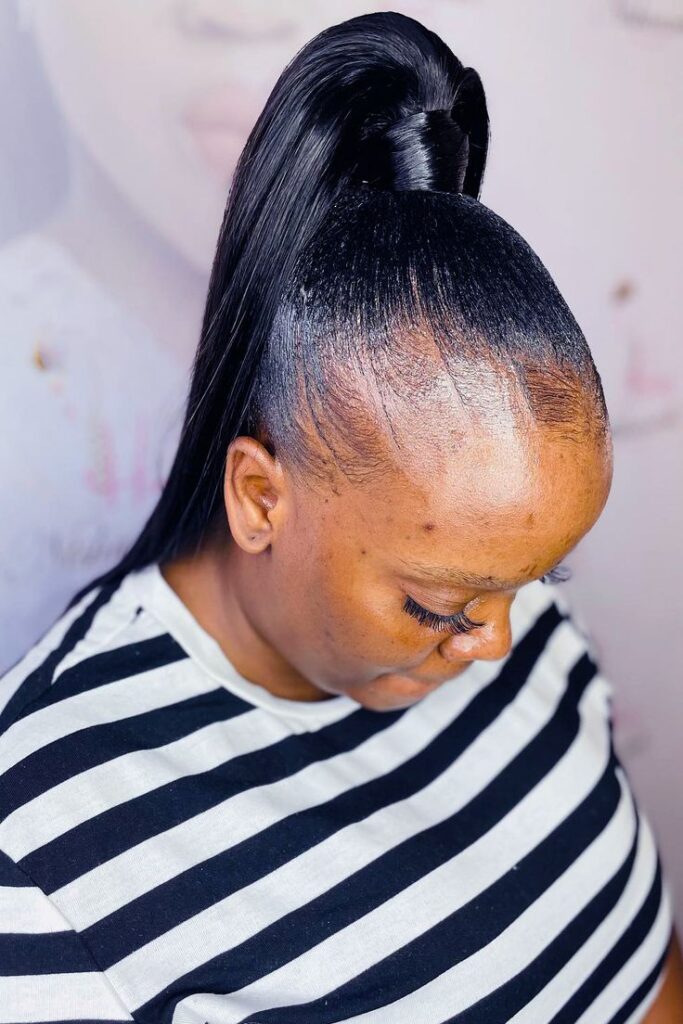
Your easy hairstyles do not have to involve constant pulling to look attractive.
Try changing the position of your ponytail occasionally or choosing a looser version that does not require your hairline to support the entire style.
Pay attention when you remove your hair tie too. If your scalp feels relieved immediately after taking the ponytail down, that is worth noticing.
Your hair should not have to endure discomfort simply because you want a sleek hairstyle.
Constant Edge Brushing Can Weaken Fragile Strands
Not all hairline damage comes from an obviously tight hairstyle.
Sometimes, the issue is simply how often the same area is manipulated.
Edges are usually shorter and more delicate than the rest of the hair, yet they often receive more attention. You may brush them in the morning, touch them up before leaving the house, smooth them again for pictures, and reshape them later.
That is a lot of handling for a relatively small section of hair.
If you regularly use a stiff brush to create perfectly smooth edges, consider how much pressure you are applying.
Your daily hair care routine should not require constant brushing of the same delicate strands.
This is especially important when your hair is dry. Repeated brushing of dry, fragile strands can make breakage easier.
You don’t have to stop styling your edges. Simply reduce the amount of manipulation and give them days when they can remain in their natural state.
A little texture around your forehead is normal. Your edges do not need to look frozen in place every morning.
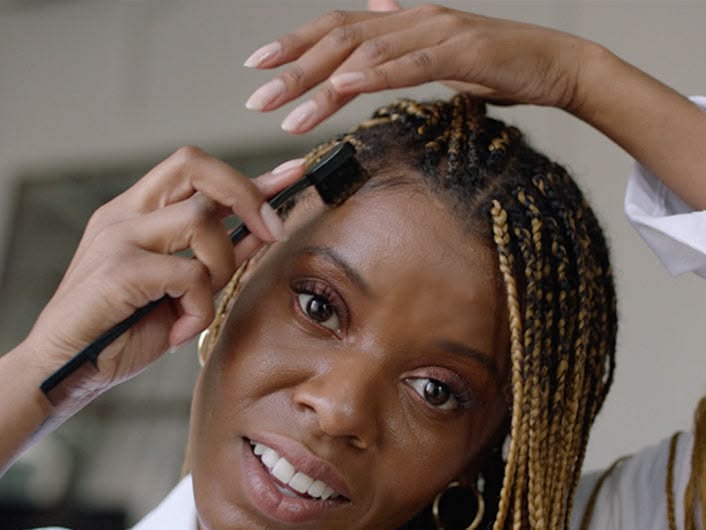
Your Wig Installation Could Be Stressing Your Hairline
Wigs can be useful when you want to change your look or reduce daily manipulation.
However, covering your natural hair does not automatically protect it.
The preparation underneath the wig matters.
If your natural hair is tightly braided underneath, if the wig cap rubs against your edges, or if adhesive is repeatedly applied and removed around the front, your hairline may still experience considerable stress.
The finished wig may look flawless while your edges are dealing with tension underneath.
If you frequently wear wigs, give your natural hair breaks between installations. Be especially gentle when removing adhesive or anything attached around the hairline.
A healthy scalp also matters when wearing wigs regularly. Your scalp should remain comfortable, clean, and free from unnecessary irritation.
You should never have to ignore soreness simply because you like how the wig looks.
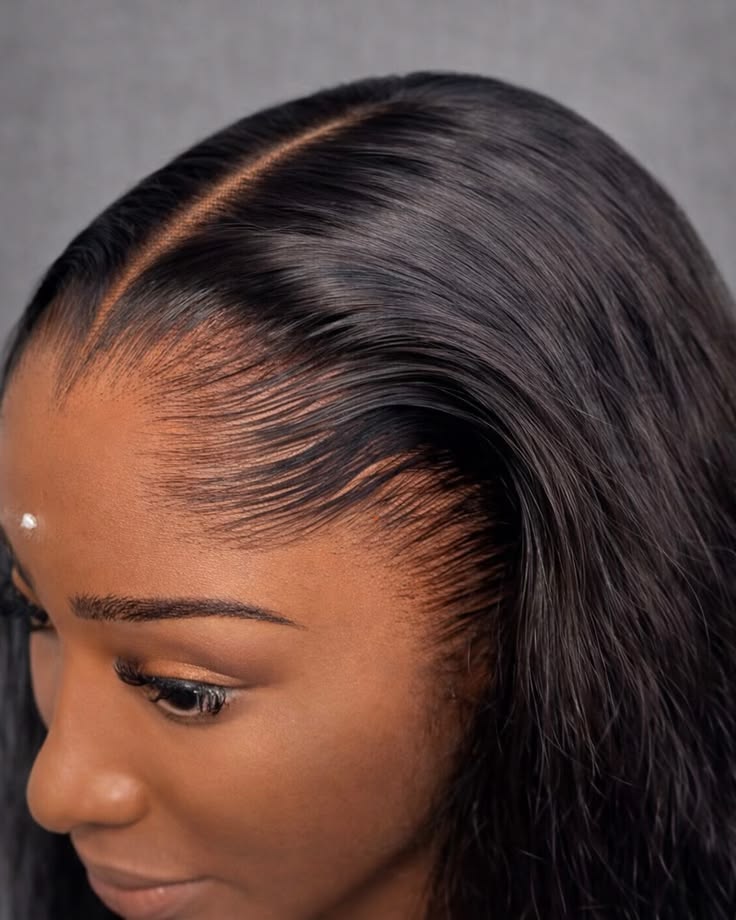
Slicking Your Edges Every Day May Be Too Much
Sleek hairstyles can look polished and beautiful, but achieving that finish every day can involve considerable manipulation.
You may apply gel or edge control, brush the hair firmly, tie it down, and repeat the process the following morning.
Then wash day arrives, and you have to remove several layers of product.
If the styling product has made the hair stiff, you may find yourself brushing and pulling harder than usual to remove the buildup.
This combination can contribute to hairline damage over time.
If you enjoy slicked-back hairstyles, consider giving your edges occasional breaks. You can also choose styles that allow some of your natural texture to remain visible.
Your hairline does not have to be perfectly flat for your hairstyle to look finished.
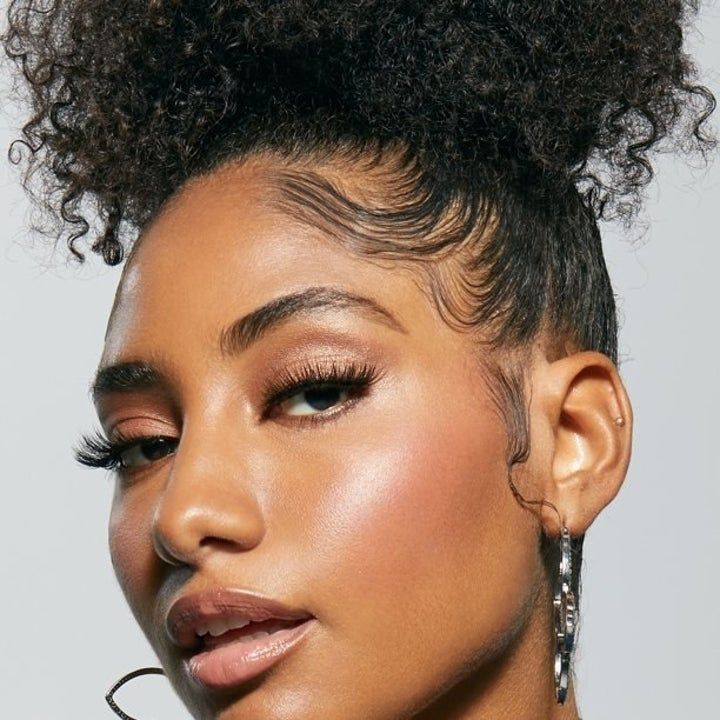
You Keep Restyling the Same Area
Sometimes, there isn’t one obviously harmful hairstyle.
The bigger issue is how often you change your hairstyle.
You create a puff on Monday, take it down Tuesday, slick your edges Wednesday, stretch your hair Thursday, and completely restyle everything Friday.
Every change creates another opportunity for pulling, separating, brushing, combing, and smoothing.
This can gradually make it harder to retain the hair around your edges.
A few low manipulation styles throughout the week can reduce the amount of handling your hair receives.
You do not have to keep the same hairstyle forever. However, allowing your hair to remain untouched for a reasonable period can make a difference.
Your edges need periods when nobody is brushing, pulling, stretching, or rearranging them.
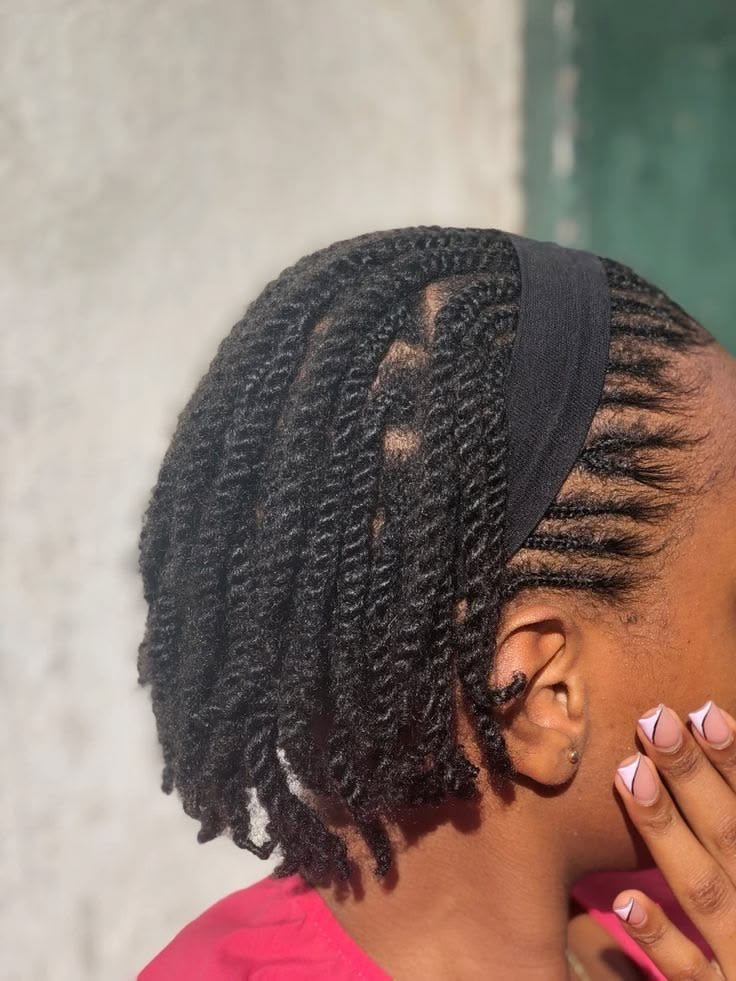
Friction Can Affect Your Hairline Too
When people think about hairline damage, they usually think about tight hairstyles first.
Friction deserves attention too.
Your hairline comes into contact with hats, scarves, wig caps, headbands, pillowcases, bonnets, and your hands.
Repeated rubbing against the same area can gradually weaken fragile strands, particularly when the hair is already dry or short.
Your sleeping habits matter as well.
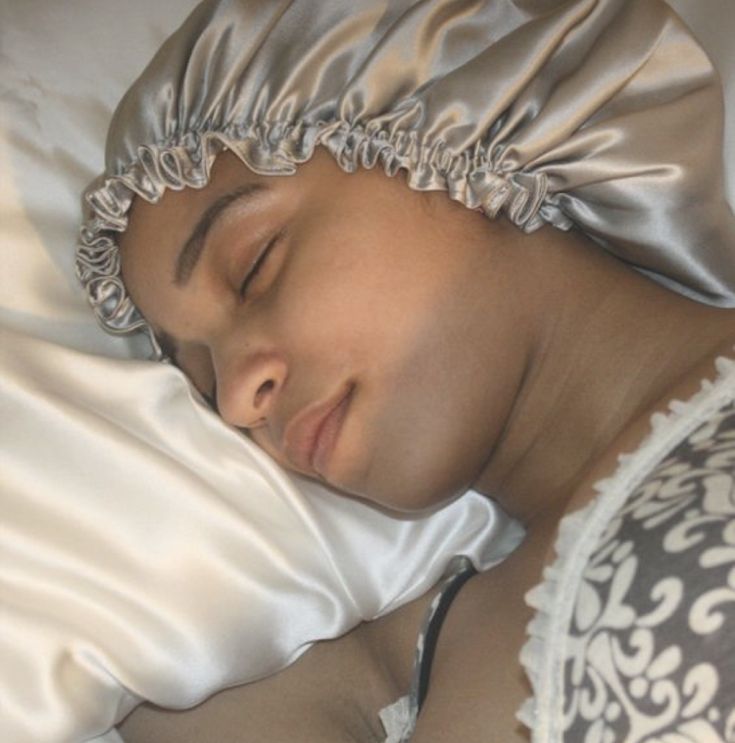
If your hairline rubs against a rough pillowcase for several hours every night, that repeated friction can work against your efforts to retain those delicate strands.
A satin bonnet can reduce that contact. A satin pillowcase can provide another layer of protection if your bonnet tends to slip off while you sleep.
This can be a simple addition to your nighttime hair routine without making your entire routine complicated.
Your Hairline Is Telling You When A Style Is Too Tight
One of the easiest mistakes is judging a hairstyle only by how it looks.
You see neat parts, smooth edges; you see a hairstyle that looks exactly like the picture you showed your stylist.
But how does your scalp feel?
A hairstyle that causes persistent pain is giving you information that should not be ignored.
Headaches, tenderness, bumps, soreness, or tight skin around your temples can all be signs that your hairstyle is placing too much stress on the area.
If you regularly experience these problems after wearing tight hairstyles, reconsider how firmly the style is being installed.
Your hair should not need to hurt before you decide something needs to change.

Dry Hair Can Make Edge Manipulation Worse
Your edges are still hair, so their condition matters.
When the strands become extremely dry and brittle, repeated brushing, pulling, or styling can become more difficult for them to tolerate.
Dryness alone does not automatically mean you will experience hairline damage.
The concern is the combination of dryness and aggressive manipulation.
If your hair regularly feels rough after washing, take a closer look at your moisture routine instead of immediately buying another styling product.
Your conditioner, leave-in, and general routine can all affect how manageable your strands feel.
Your hair porosity can also influence how your hair responds to water and products, which is why two people can use the same product and get completely different results.
Making your hair easier to handle can reduce the temptation to pull and brush aggressively.
Wash Day Can Add More Stress to Your Hairline
Hairline care doesn’t stop when you remove your hairstyle.
Wash day itself can become a source of unnecessary manipulation.
Think about what happens after removing braids. You may have several weeks of shed hair, product buildup, and tangled strands around your edges.
If you immediately grab a comb and pull through everything, fragile hairs can snap.
A gentler wash day routine gives you more control.
Use enough conditioner to provide slip, work in sections, and use your fingers to loosen stubborn areas before reaching for a comb.
The removal process matters just as much as the installation.
If your hairline consistently looks worse after taking down a hairstyle, the problem may be how you are handling the hair during removal rather than the hairstyle alone.
Repeated Breakage Can Make Your Hairline Look Thinner
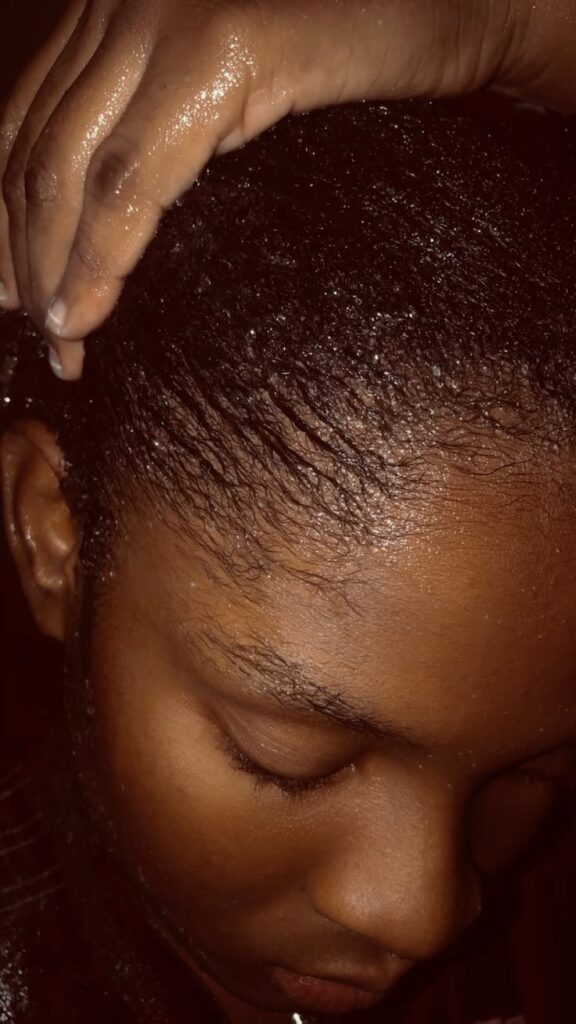
Sometimes the hair is still growing, but you aren’t retaining enough of it around the front.
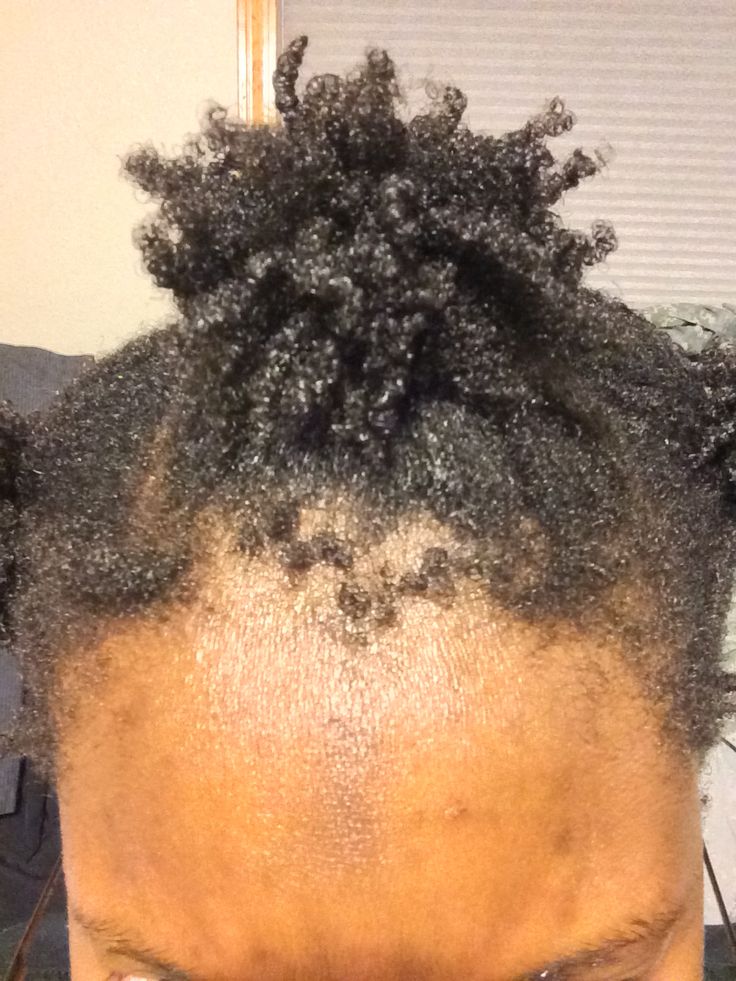
That can make your hairline look thinner even when new strands are growing from the scalp.
This is why length retention matters when you’re trying to maintain fuller edges.
If the hair around your temples keeps snapping before it becomes long enough to blend with the surrounding hair, you may continue seeing short, uneven areas.
The solution isn’t always another growth product.
Look at how often you manipulate the area, how tightly you style it, and whether those strands receive enough time without tension.
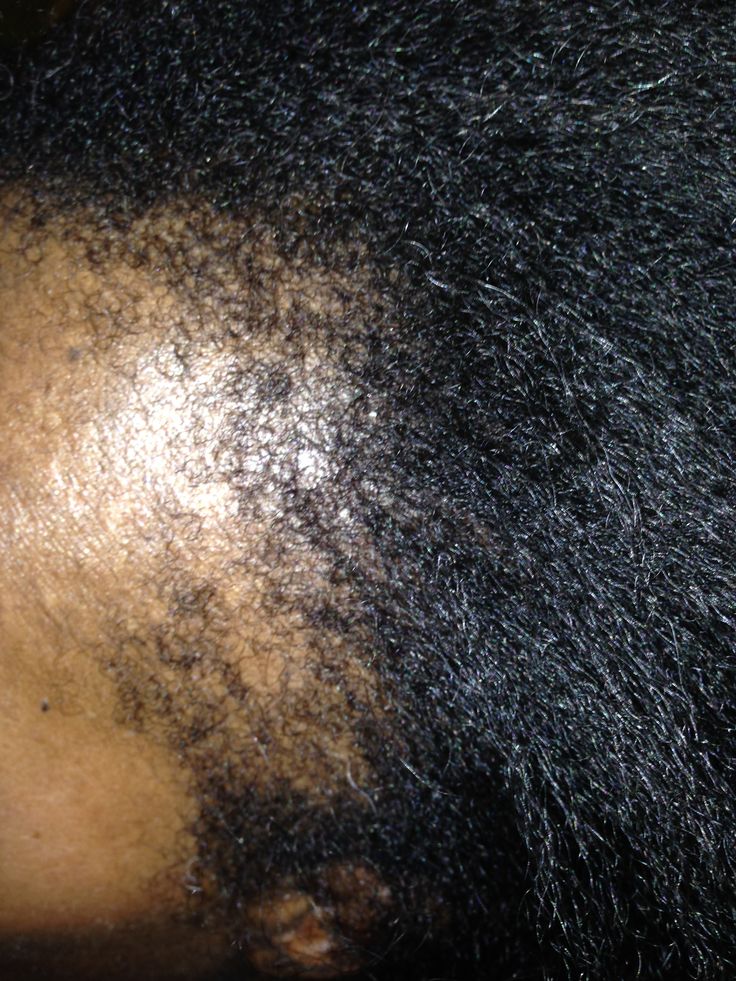
Your Hair Accessories May Be Pulling at Your Edges
Accessories can completely change a hairstyle, but some can also create unnecessary friction and tension.
Tight headbands, elastic bands, clips, scarves, and certain hair ties may repeatedly press against the same section of your hairline.
If you wear an accessory every day, check where it sits.
Does it rub against your temples? Does it pull when you remove it? Do you have to tug at your hair to get it out?
Those little moments can add up.
Choosing natural hair accessories that are comfortable and removing them slowly can reduce unnecessary stress.
You don’t have to stop accessorizing your hair. Simply avoid anything that constantly fights against your edges.
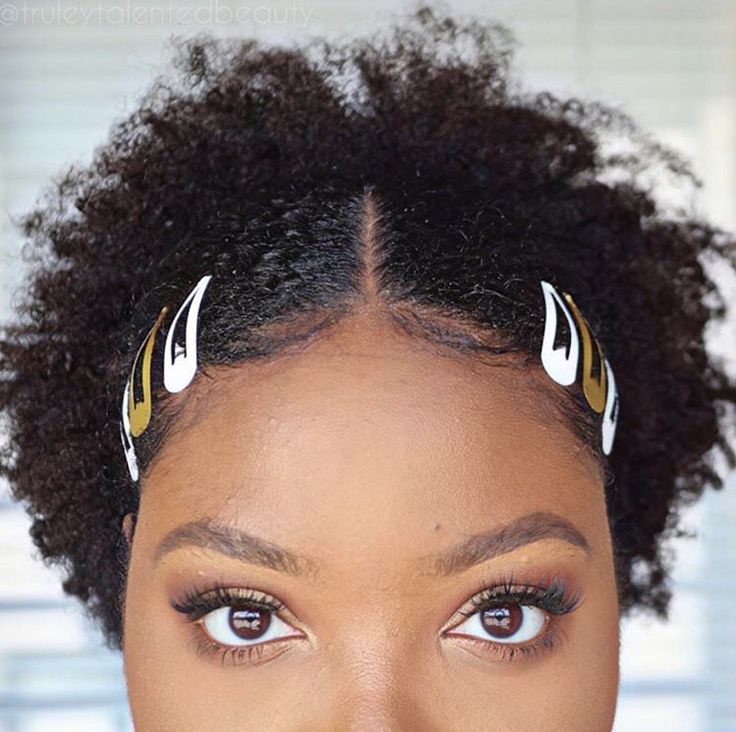
Your Protective Style Needs a Break Too
A low-maintenance hairstyle isn’t necessarily a hairstyle that should remain in place indefinitely.
If you move directly from one high-tension style into another, your hairline may never receive enough time away from repeated stress.
For example, you could remove tight braids on Saturday and install another demanding style on Monday.
Your hairline may technically have been out for only a day or two, but that doesn’t necessarily give those strands much time without tension.
If you’ve noticed edge breakage, consider alternating demanding styles with simpler options.
You can also choose hairstyles that don’t rely heavily on your edges for structure.
The goal of breakage prevention is not to avoid every hairstyle you enjoy. It is to reduce repeated stress and give vulnerable areas enough time to recover.
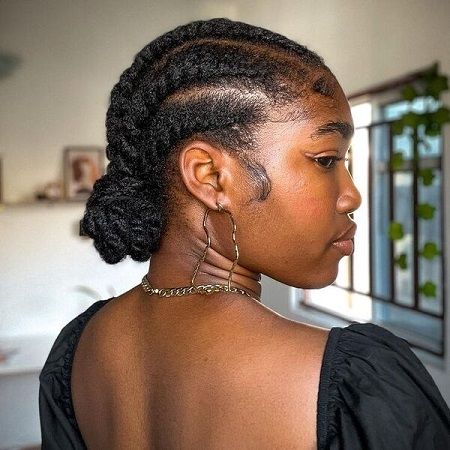
How to Give Your Hairline a Real Break
Once you notice that your routine may be contributing to hairline damage, don’t try to change everything overnight.
Start with the habit that creates the most tension.
If tight braids are the problem, choose a gentler installation, if your ponytail constantly pulls, loosen it or change the position, and if your edges are brushed repeatedly, reduce how often you manipulate them.
You can also spend more time wearing simple hairstyles that don’t require your hairline to hold significant tension.
During this period, focus on basic care, keep your scalp clean, and keep your hair reasonably moisturized.
Protect it from unnecessary friction, handle your edges gently, and avoid repeatedly touching the same area simply to check whether it is improving.
Hair takes time to grow, so patience matters.
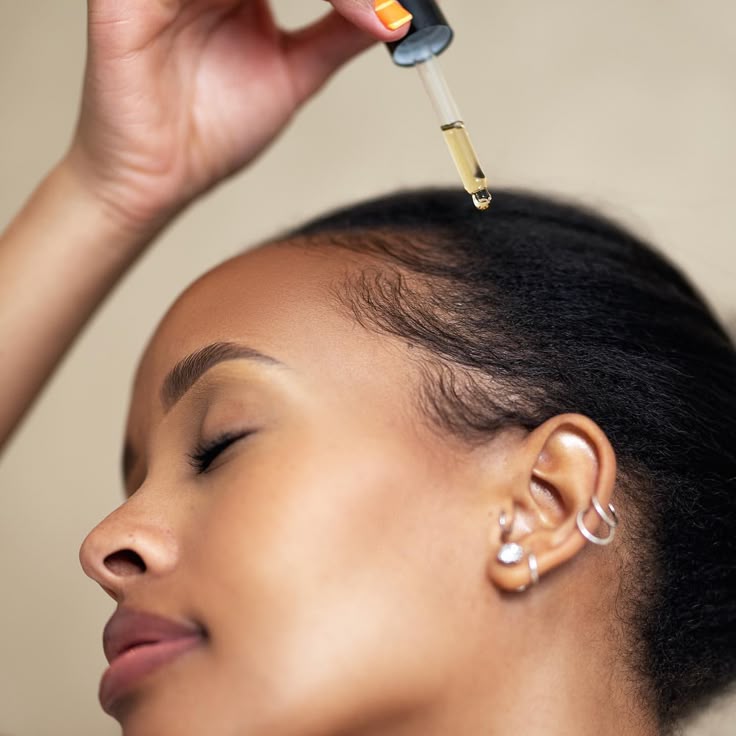
When You Should Take Hairline Changes Seriously
Not every change in your hairline comes from styling.
This is important because it can be tempting to blame every case of thinning edges on braids, wigs, ponytails, or brushing.
If you notice sudden or significant hair loss, persistent thinning, scalp inflammation, pain, sores, or changes that continue even after reducing tension, speaking with a dermatologist or qualified healthcare professional is worth considering.
Your styling habits can contribute to hairline damage, but other factors can affect hair growth and density too.
Pay attention to the pattern.
If the same areas continue thinning despite changes to your styling routine, don’t keep experimenting with products indefinitely.
Getting professional advice can help you understand what is actually happening instead of guessing.
You Don’t Have to Give Up Your Favourite Hairstyles
Protecting your hairline doesn’t mean you have to stop enjoying your hair.
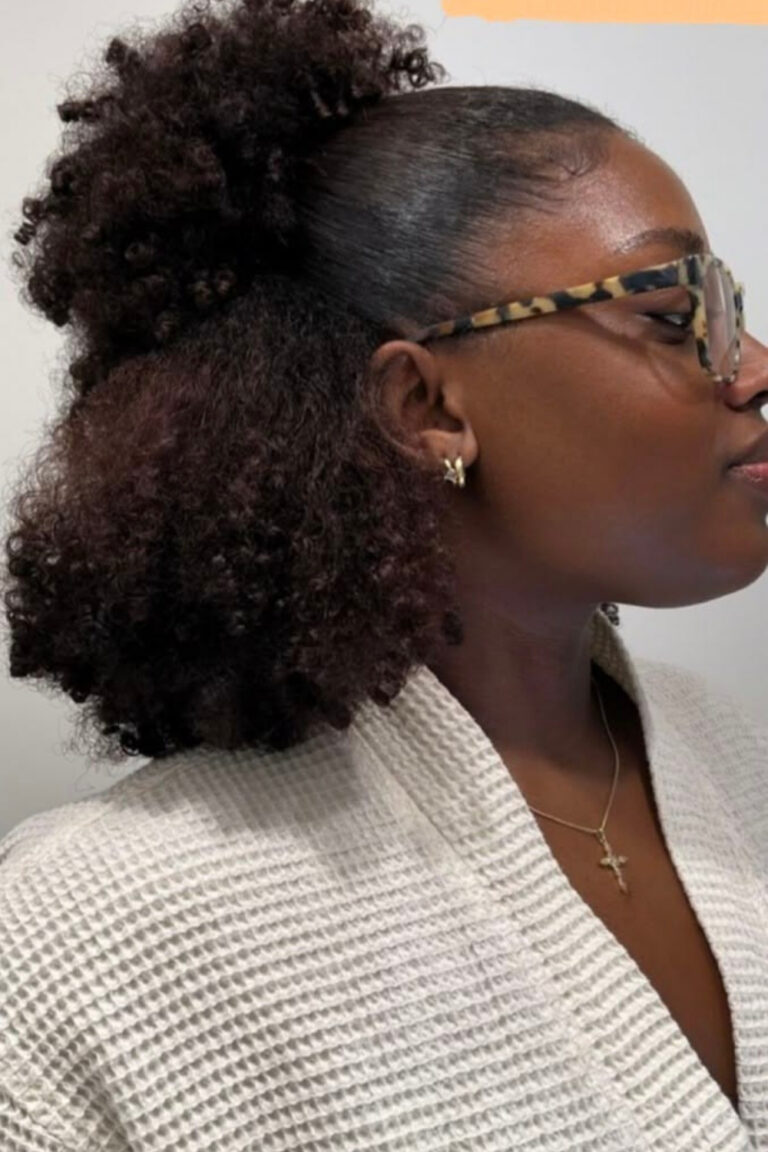
You can still wear braids, wear wigs, accessorize, and still create sleek styles.
The difference is learning to recognize when a style is asking too much from your edges.
A hairstyle should not cause persistent pain.
It shouldn’t leave your hairline visibly thinner every time you remove it.
And you shouldn’t have to keep sacrificing your edges because a particular style looks good.
There are plenty of cute hairstyles that can give you variety without requiring constant tension around your forehead.
Sometimes, the best change is simply wearing a style more loosely or less frequently.
Final Thoughts
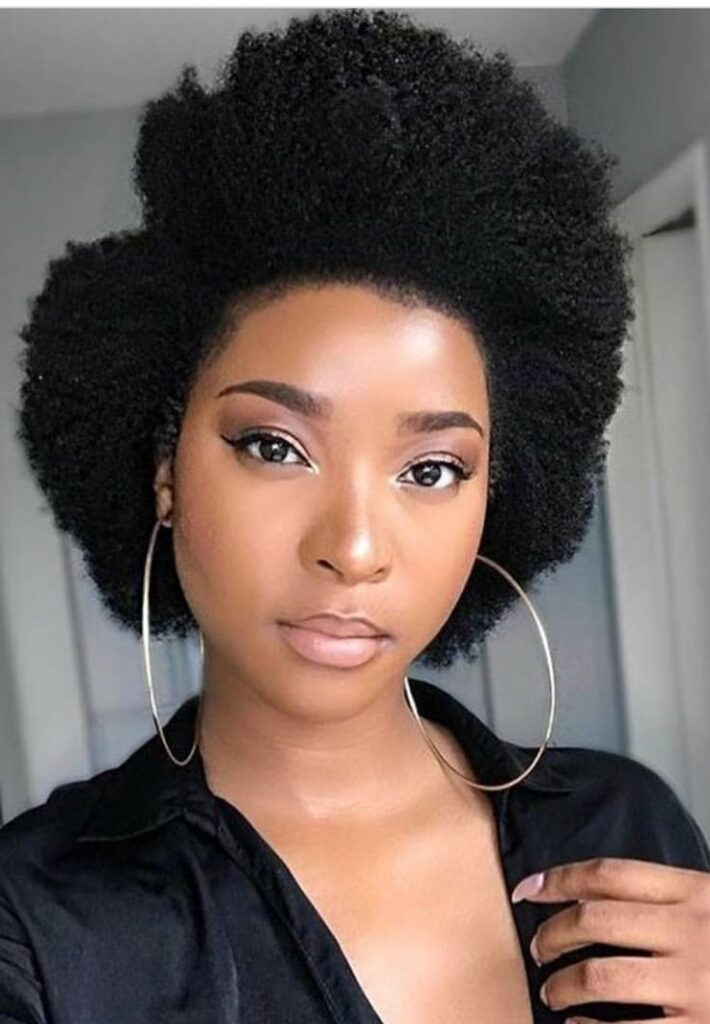
Your hairline doesn’t need to be perfectly sleek every day to look beautiful.
It doesn’t need to be pulled tightly backward, brushed repeatedly, or hidden underneath a demanding hairstyle.
The habit contributing to hairline damage is often repetition.
One tight ponytail is unlikely to tell you much. Wearing that same tight ponytail several times every week for years is a different situation.
The same applies to tight braids, wigs, slicked edges, aggressive brushing, frequent restyling, and accessories that constantly rub against the same area.
Pay attention to what your hair is telling you.
If your scalp hurts, loosen the style, if your edges keep breaking, reduce the manipulation, if a particular hairstyle repeatedly leaves your temples thinner, give that style a break.
And if your hairline continues changing despite your efforts, don’t assume another product will solve everything.
Your goal isn’t to stop styling your hair.
It is to create a routine where your hairstyles and your hairline can coexist without one constantly sacrificing the other.
Healthy hair doesn’t always require doing more.
Sometimes, it requires pulling less, brushing less, touching less, and giving your edges enough time to simply exist.

7 Comments