
Rainy Season Hair Care Tips for 4C Hair
Disclosure: Some of the links in this post are affiliate links. This means if you click on the link and purchase an item, I will receive an affiliate commission at no extra cost to you.
Rainy weather can make caring for natural hair feel a little more unpredictable. Humidity, sudden downpours, dampness, and frequent exposure to water can all change how your hair behaves.
For 4C hair, the rainy season can bring extra frizz, shrinkage, dryness, tangling, and difficulty keeping hairstyles neat. However, you do not need to completely change your routine every time the weather changes.
A few practical adjustments can make your routine easier to manage while helping your hair stay comfortable, moisturized, and protected throughout the season.
Why Rainy Weather Can Affect 4C Hair
Rainy weather usually comes with increased humidity, which can affect how natural hair feels and behaves. Hair may swell, shrink more noticeably, or become less defined after spending time in humid air.
This can be especially noticeable when you have already stretched or styled your hair. A hairstyle that looked neat in the morning may become fuller or more textured by the afternoon.
Your 4C hair characteristics can also influence how noticeable these changes are. Dense, tightly coiled hair can react differently to humidity than looser textures.

1. Keep Your Hair Moisturized, But Do Not Overdo It
Moisture is still important during the rainy season, but adding product every day is not necessarily the answer.
Your hair may already be exposed to moisture from humid air, sweat, and occasional rain. Applying several layers of creams and oils on top of that can leave your hair feeling heavy or coated.
Instead, pay attention to how your hair feels before adding more product. If it feels soft and comfortable, you may not need another application.
A simple daily hair care routine can help you maintain consistency without constantly changing products.

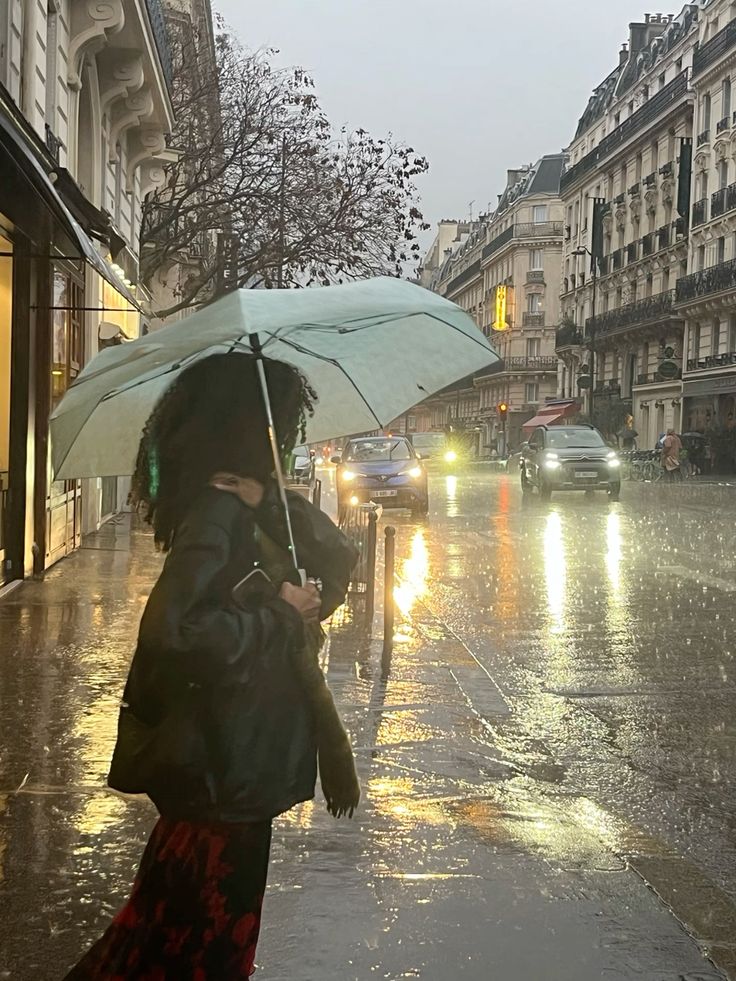
2. Protect Your Hair From Direct Rain
Rainwater may seem harmless, but allowing your hair to become completely soaked every time you step outside can make your routine harder to manage.
Repeatedly wetting and drying your hair can contribute to tangling and make some hairstyles lose their shape quickly.
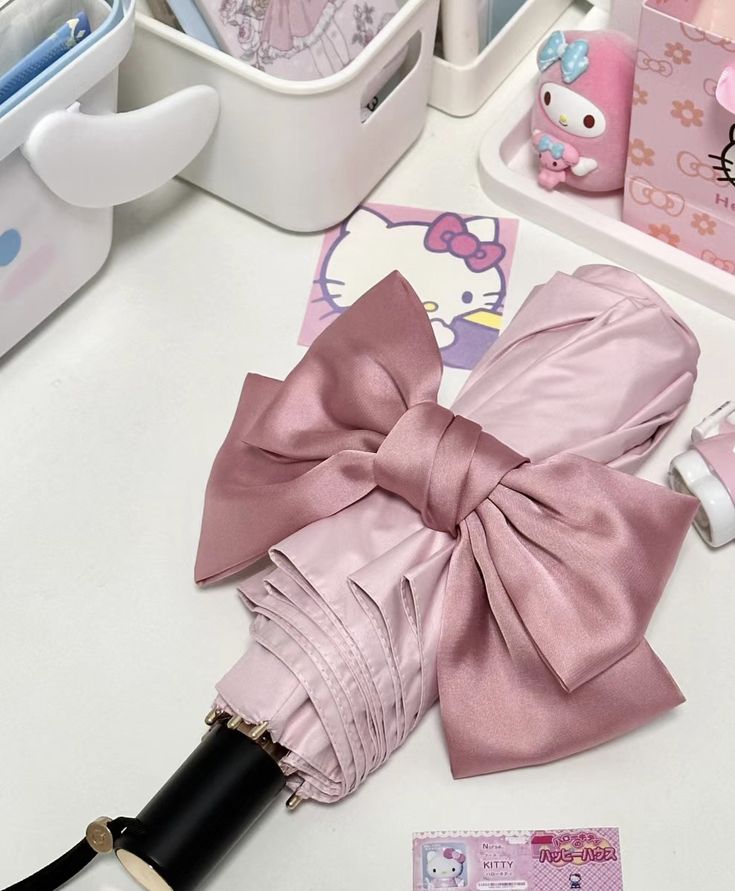
Keep a compact umbrella nearby, especially when leaving home for school, work, appointments, or other activities.
A lightweight waterproof hat can also provide extra coverage when an umbrella is not practical.
@latiaee
3. Carry a Scarf or Satin Bonnet
A scarf can be useful when you need to protect your hair quickly after getting caught in light rain.
Choose a satin or silk option that can cover your hairstyle without creating unnecessary friction.
You can also keep a spare scarf in your handbag or work bag during the rainy season. It takes up very little space and can save you from having to completely restyle your hair.

4. Avoid Leaving Your Hair Damp for Too Long
Getting caught in the rain occasionally is not something to panic about. The problem is allowing wet hair to remain damp for long periods without giving it a chance to dry properly.
If your hair becomes soaked, gently squeeze out excess water with a soft towel or T-shirt.
Avoid aggressively rubbing the hair because wet strands can be more vulnerable to mechanical stress.
Allow your hair to dry thoroughly before covering it tightly or going to bed.
5. Choose Low-Manipulation Hairstyles
Rainy weather is a good time to simplify your styling routine.
Styles that require constant brushing, combing, or reshaping may become frustrating when humidity repeatedly changes your hair’s appearance.
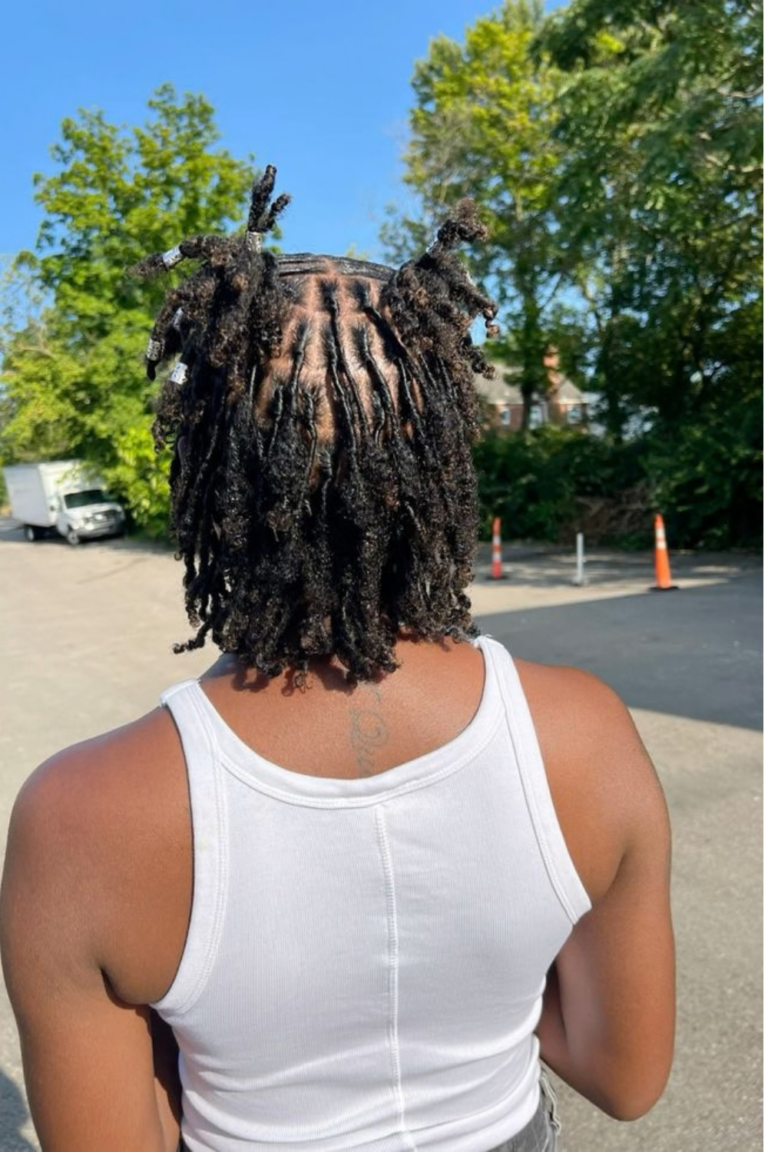
Loose twists, simple buns, puffs, and other low-manipulation options can reduce how often you need to touch your hair.
You can also explore easy 4C hairstyles when you want something practical without spending too much time styling.
6. Do Not Fight Shrinkage Every Day
Shrinkage is a normal characteristic of tightly coiled hair, and humid weather can make it even more noticeable.
Trying to stretch your hair back to its original length every time it shrinks can lead to unnecessary manipulation.
Instead, choose hairstyles that work with your natural texture.
If you prefer stretched styles, consider heat-free stretching methods that do not rely on frequent heat styling.

7. Be Careful With Humidity and Heavy Products
Humidity does not mean you need to stop moisturizing your hair. The goal is simply to avoid creating unnecessary buildup.
Heavy butters, thick gels, and multiple layers of styling products can accumulate when you keep refreshing the same hairstyle.
If your hair starts feeling sticky, coated, or unusually heavy, it may be time to simplify your routine.
Your hair porosity can also affect how your hair responds to different products, so pay attention to what works for your own strands.
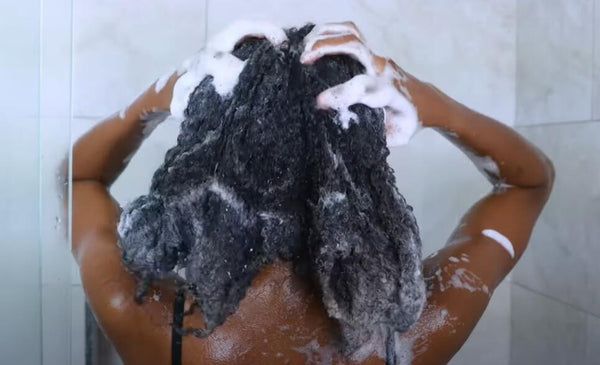
8. Wash Your Hair When It Needs It
Rainy weather can mean more sweating, dampness, and exposure to environmental moisture.
That does not automatically mean you need to wash your hair every time it rains.
Instead, consider your scalp, activity level, product use, and how your hair feels. A clean scalp should remain part of your overall routine.
Your wash day routine can be adjusted when your lifestyle or weather conditions change.
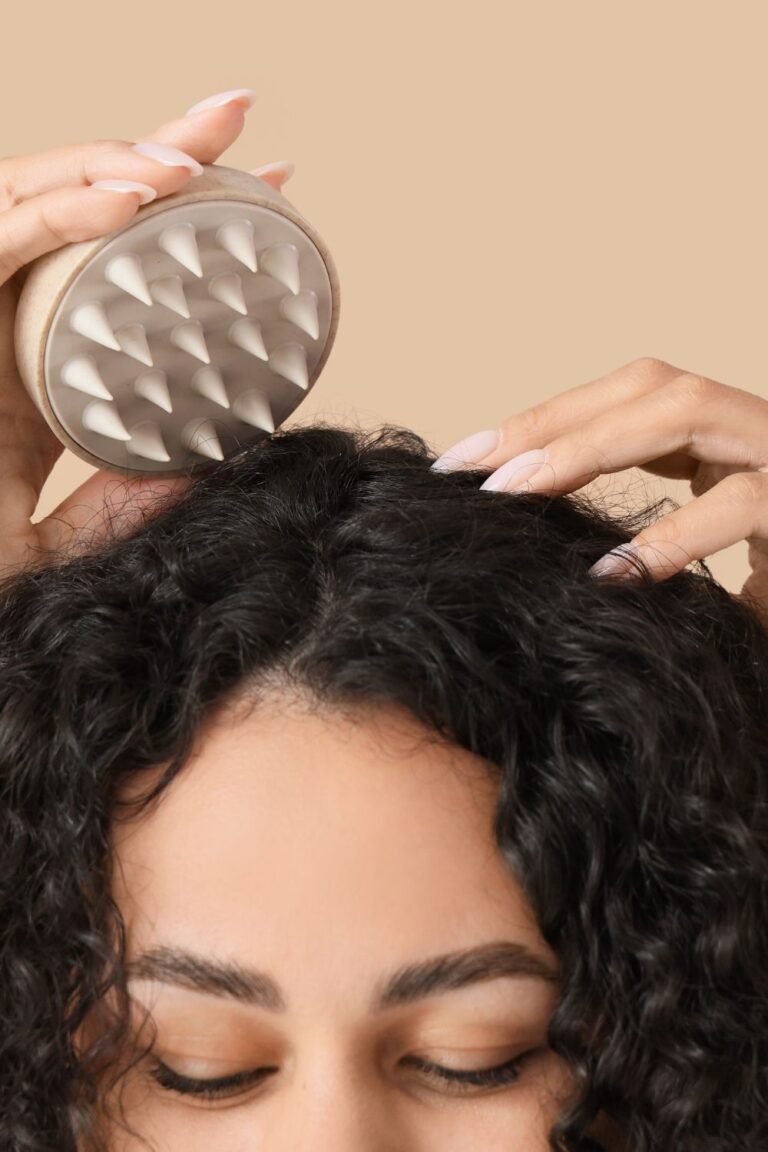
9. Pay Attention to Your Scalp
A warm, humid season can make your scalp feel different from usual.
Sweat and product buildup may become more noticeable, especially if you frequently wear hats, scarves, wigs, or covered hairstyles.
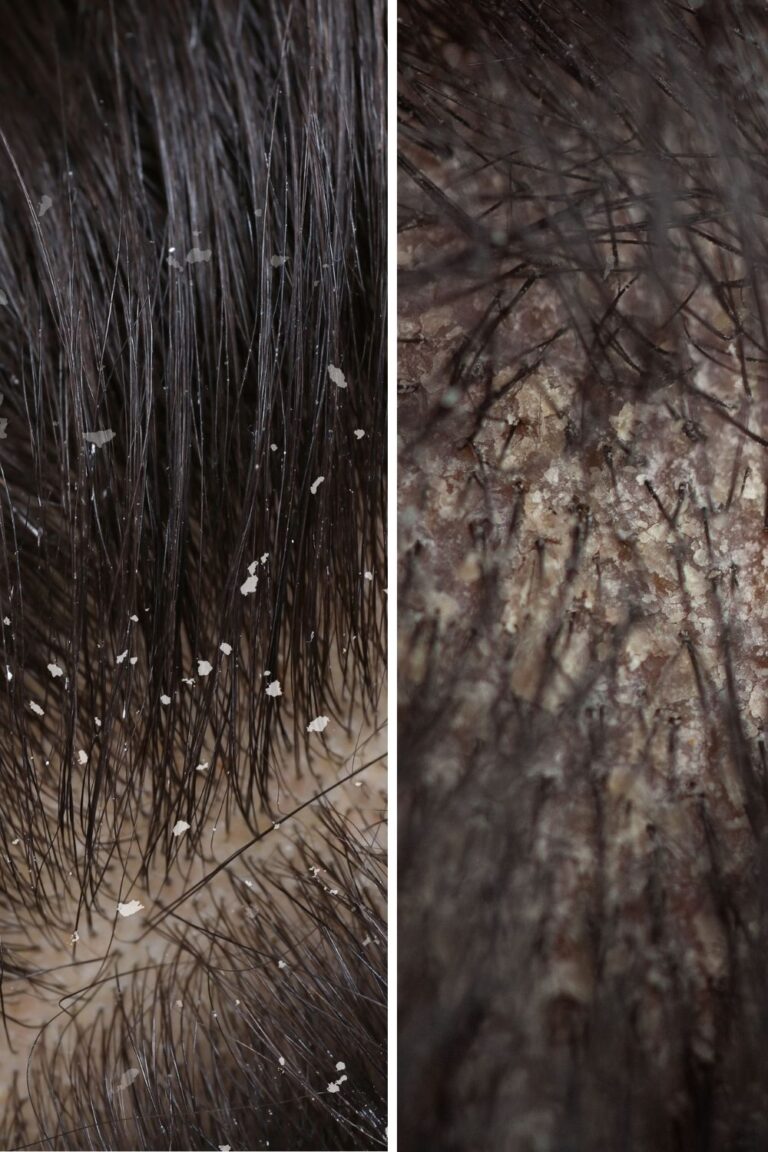
Pay attention to persistent itching, unusual flakes, irritation, or discomfort rather than simply covering the symptoms.
A healthy scalp should be part of your regular hair-care routine, not something you only think about when there is a problem.
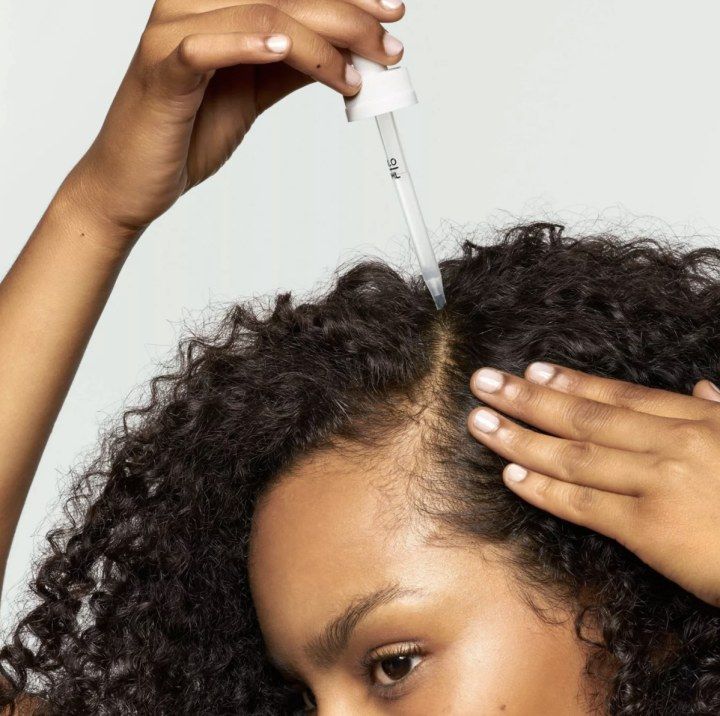
10. Do Not Ignore Persistent Itching or Flaking
Occasional scalp discomfort can happen, but persistent symptoms deserve attention.
If your scalp is repeatedly itchy, irritated, or producing unusual flakes, avoid constantly adding oils and products without knowing what is causing the problem.
The difference between dry scalp and dandruff is worth understanding before choosing products for a recurring scalp issue.
If symptoms continue or become severe, consider speaking with a dermatologist or qualified healthcare professional.
11. Protect Your Hairline
The hairline can experience a lot of tension when you repeatedly pull your hair into tight ponytails, buns, or other styles.
Rainy weather can make this worse if you keep restyling the same hair throughout the day.
Choose styles that sit comfortably around your edges and avoid repeatedly tightening them when the hairstyle starts losing its shape.
If you have noticed thinning around your edges, take a closer look at hairline protection before adding more tension.
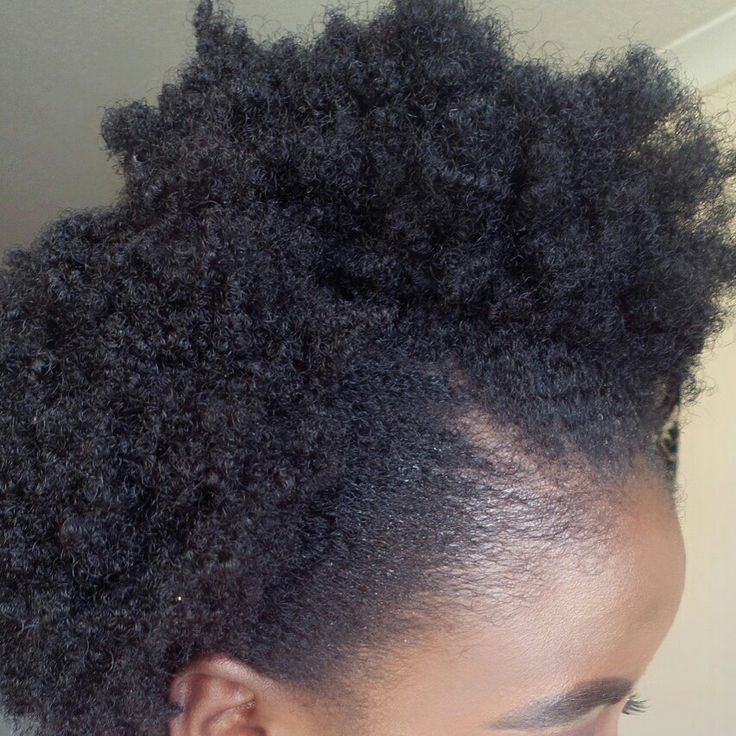
12. Keep Your Ends Tucked Away When Necessary
Your ends are the oldest parts of your hair, so they can benefit from gentle handling.
During periods of frequent rain, a simple tucked or contained hairstyle can reduce how often the ends rub against clothing and other surfaces.
You do not have to keep your hair hidden every day. The goal is simply to reduce unnecessary manipulation when the weather makes your hair difficult to manage.
Styles such as loose buns, twists, and other simple updos can make this easier.
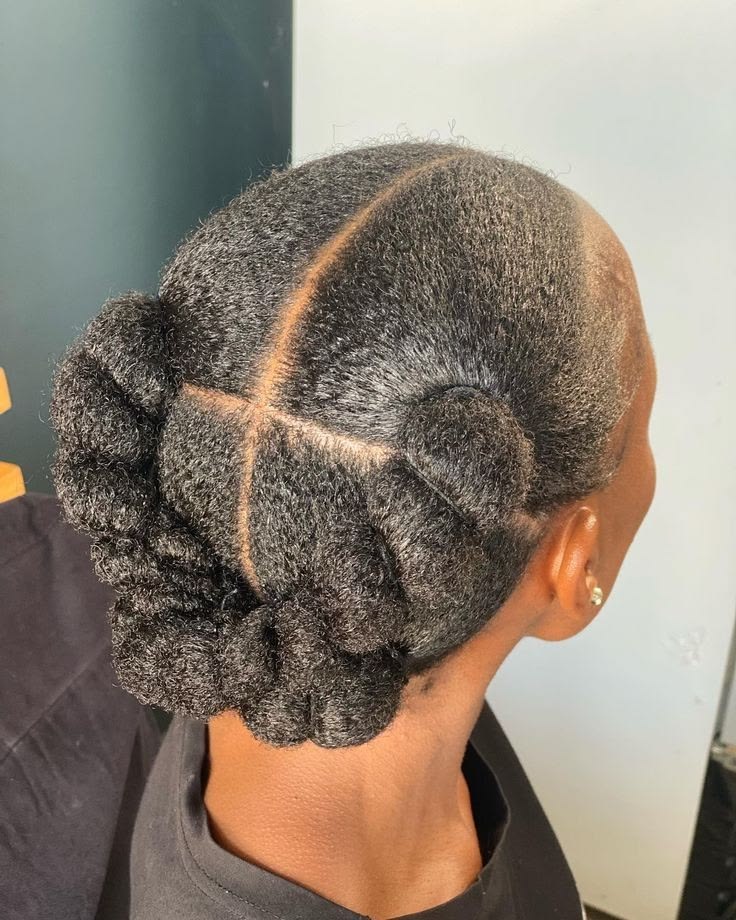
13. Be Strategic With Protective Styles
Protective styles can be convenient during rainy weather because they reduce daily manipulation.
However, installing a protective style does not mean you should ignore your scalp or keep the style in indefinitely.
Tight braids, excessive extensions, or heavy styles can place stress on the hairline and roots.
Before booking an appointment, consider protective styling mistakes that can contribute to unnecessary breakage.
14. Keep Protective Styles Dry
If you wear braids, twists, or another protective style and get caught in heavy rain, pay attention to how long the hair remains damp.
Wet extensions and natural hair can take time to dry, especially when the style is thick.
Allow your hair to dry properly rather than immediately covering it with a scarf or sleeping cap while it is still wet.
This is particularly important when you plan to keep the hairstyle for several weeks.
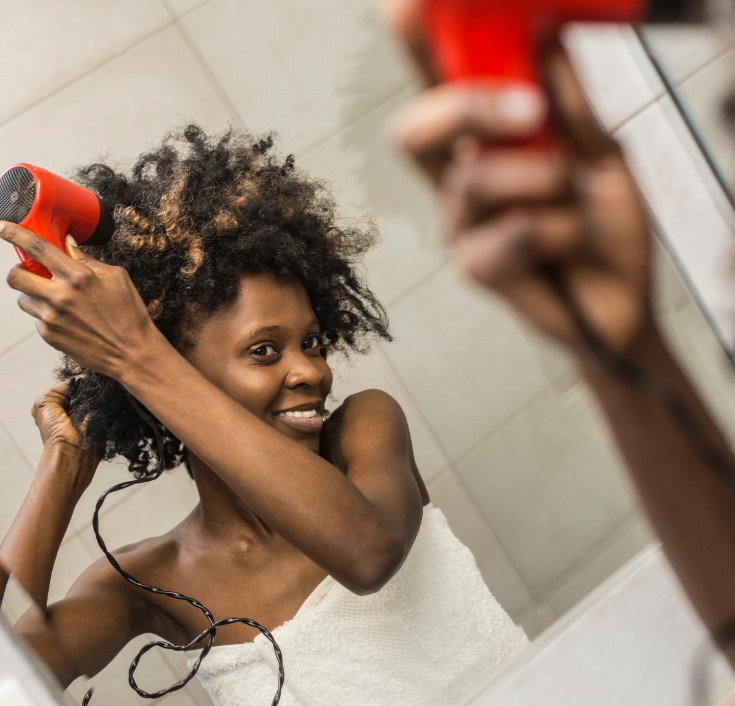
15. Avoid Excessive Heat After Rain
It can be tempting to reach for a blow dryer or flat iron after your hair gets wet.
However, repeatedly using high heat to reverse rain-related shrinkage can place unnecessary stress on your strands.
Give your hair time to dry naturally when possible.
If you need to stretch it afterward, choose a gentler method and keep direct heat use occasional.
16. Keep Your Hair Tools Clean
Your combs, brushes, clips, and styling tools come into regular contact with your hair and scalp.
During humid weather, dampness and product residue can build up on tools more quickly.
Wash or clean reusable tools regularly and allow them to dry completely before storing them.
This small habit can make your overall routine cleaner and easier to manage.
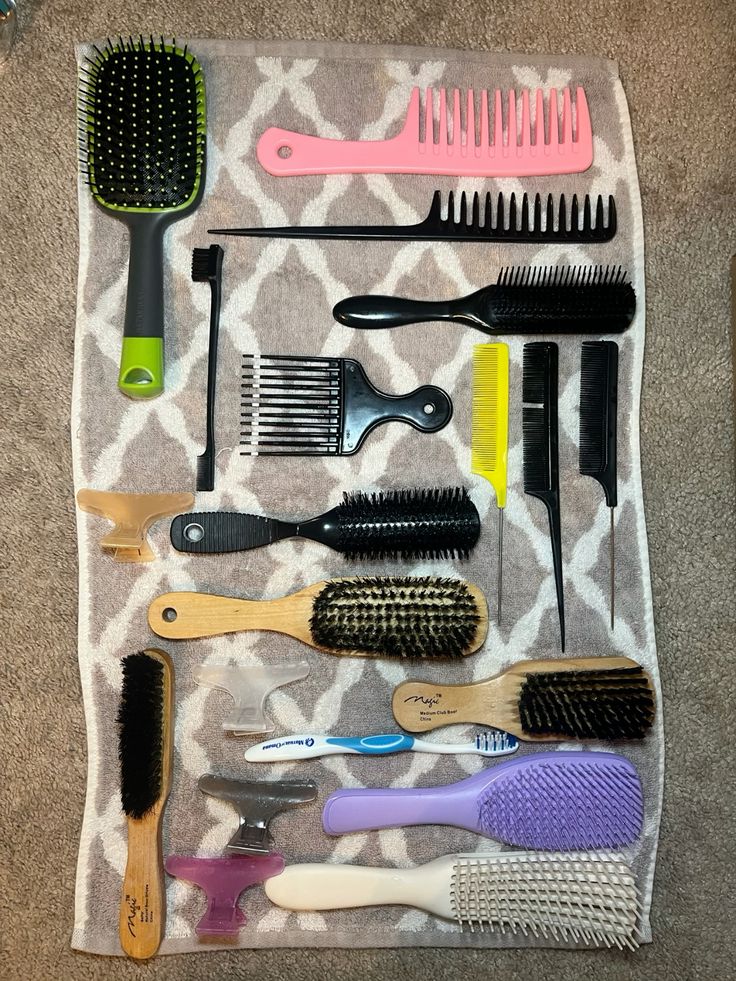
17. Use Lightweight Styling Products
If your hair becomes easily weighed down during the rainy season, consider reducing the amount of heavy styling products you use.
A lightweight leave-in, a small amount of cream, or a carefully chosen styling product may be enough for a particular hairstyle.
You do not need to completely eliminate oils or butters. Just avoid automatically layering several products because the weather feels humid.
Your leave-in conditioner can be useful when you need softness without adding excessive weight.
18. Be Careful With Hair Accessories
Hair accessories can make simple rainy-season hairstyles look more polished.
However, clips, bands, scarves, and headbands should not be so tight that they pull on the hair.
Choose accessories that hold your style comfortably without repeatedly tugging at the same areas.
Simple natural hair accessories can add interest to a hairstyle while keeping the actual styling process straightforward.
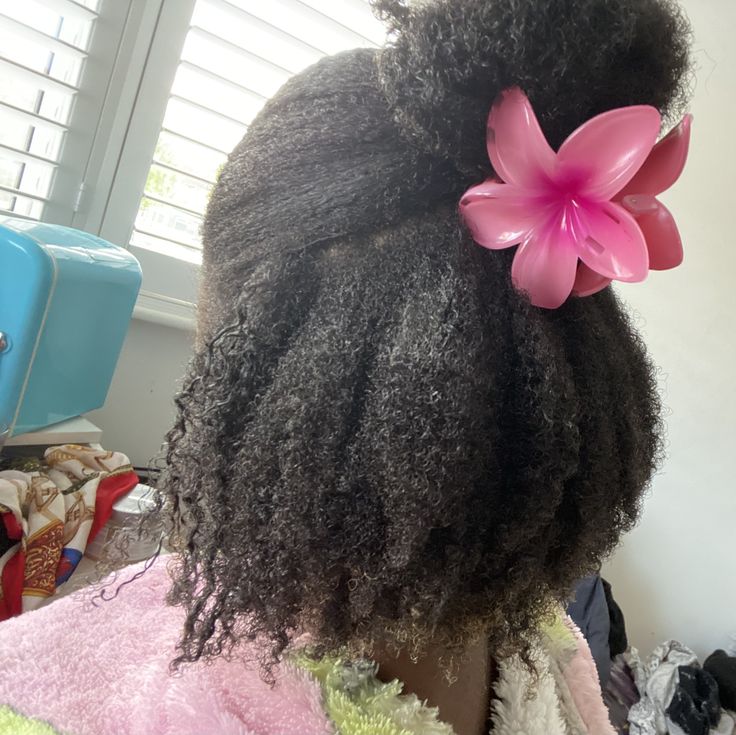
19. Refresh Your Hair Without Starting Over
Rain does not always mean you need to completely redo your hairstyle.
If your hair becomes slightly frizzy, gently reshape the affected area instead of combing through the entire head.
A little water or a small amount of your usual styling product may be enough.
For example, you can smooth the front of a puff, retwist a few loose sections, or reposition an accessory.
This approach saves time and reduces unnecessary manipulation.
20. Give Your Hair a Break From Constant Restyling
One of the easiest mistakes to make during unpredictable weather is constantly changing your hairstyle.
You style your hair in the morning, the humidity changes it, you restyle it, rain affects it again, and the cycle continues.
Instead, choose hairstyles that can tolerate some natural changes in texture.
Your hair does not have to remain perfectly defined all day to be healthy or attractive.
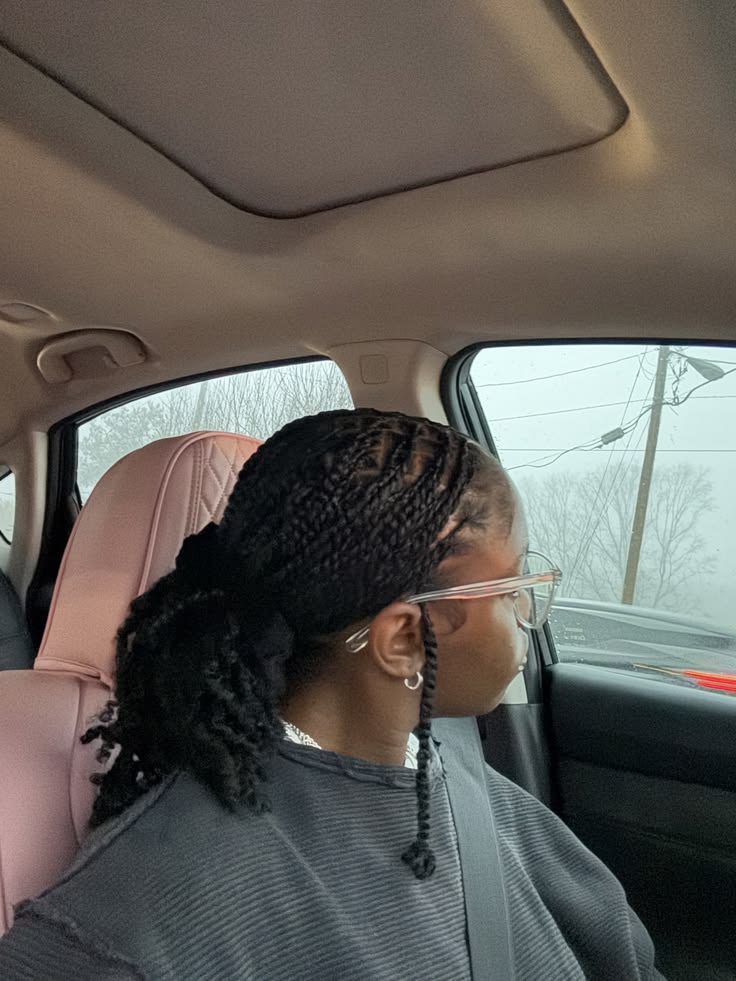
21. Pay Attention to How Your Hair Responds
There is no single rainy-season routine that works perfectly for every person.
Some people may notice more frizz, while others may struggle more with dryness, tangling, or a scalp that feels uncomfortable.
Keep track of what happens after different products, hairstyles, and weather conditions.
Over time, you will have a clearer idea of what your own natural hair routine needs during wet weather.
22. Do Not Forget Your Nighttime Routine
Your hair can still be affected by friction while you sleep, even if you spent the day protecting it from rain.
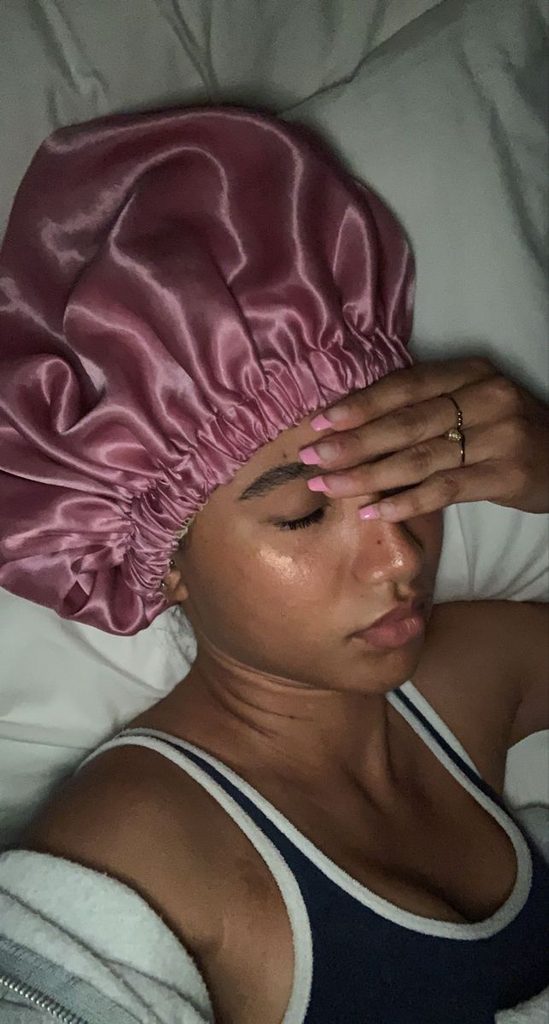
A satin or silk scarf, bonnet, or pillowcase can help reduce unnecessary friction between your hair and bedding.
Make sure your hair is completely dry before covering it for the night.
This is especially useful after a rainy day when your hair may have been exposed to humidity or water.
23. Keep Your Hair Routine Simple
You do not need a completely new collection of products just because the rainy season has arrived.
Start with the basics: gentle cleansing, appropriate conditioning, careful styling, scalp care, and protection from excessive manipulation.
Then adjust individual steps based on how your hair responds.
A simple routine is often easier to maintain consistently than a complicated schedule filled with products you rarely use.
24. Prepare Before Leaving Home
A little preparation can save you from major hair frustration later in the day.
Check the weather before leaving and consider whether your hairstyle will be exposed to rain.
Keep an umbrella, scarf, or other protective item nearby when rain is expected.
If you know you will be outdoors for several hours, choose a hairstyle that can handle some humidity rather than one that requires perfect definition.
25. Adjust Your Routine Instead of Fighting the Weather
The rainy season does not have to become a battle between your hair and the weather.
If humidity makes your twist-out expand, you can embrace the fuller texture. If rain makes your stretched style shrink, you can switch to a style that works with your natural shape.
The goal of rainy season hair care for 4C hair is not to prevent every change in your hair.
It is about reducing unnecessary damage while making your routine practical enough to follow throughout the season.
Simple Rainy Season Hair Care Routine for 4C Hair
A simple routine can help you stay consistent without spending hours on your hair.
Start by cleansing your scalp and hair according to your normal schedule rather than washing simply because it rained.
Follow with a conditioner that leaves your hair soft and manageable, then apply the products you normally use in reasonable amounts.
Choose a hairstyle that does not require constant manipulation and protect it from direct rain whenever possible.
At night, make sure your hair is dry before covering it with a satin or silk accessory.
If your hair becomes wet during the day, gently dry it and allow it to breathe instead of immediately piling on more products.
These small habits can make rainy season hair care for 4C hair much easier to maintain.
What to Avoid During the Rainy Season
There are a few habits that can make rainy-season hair problems worse.
Avoid constantly brushing or combing your hair every time humidity changes its appearance.
Try not to apply heavy layers of product simply because your hair looks different after being outside.
Avoid sleeping with soaking-wet hair, especially when it has been covered tightly.
You should also be cautious about repeatedly using high heat to reverse shrinkage or frizz.
Finally, do not keep tight protective styles simply because you want to avoid dealing with your natural hair.
Your hair and scalp still need appropriate care even when they are tucked away.
Making Rainy Weather Easier on Your 4C Hair
Rainy weather will naturally change how your hair looks and feels, and that does not mean your routine is failing.
The key is to work with those changes instead of constantly trying to force your hair back into the exact style it had before leaving home.
Keep your products manageable, protect your hair from unnecessary water exposure, pay attention to your scalp, and choose hairstyles that suit your daily activities.
With a little preparation, rainy season hair care for 4C hair can become a normal part of your routine rather than another source of frustration.
Your hair does not need to remain perfectly stretched, defined, or laid throughout the rainy season. Healthy hair can still have shrinkage, frizz, volume, and texture.
The goal is simply to keep your strands and scalp cared for while choosing routines that fit the weather and your lifestyle.
If you’d like more seasonal guidance, you’ll find practical tips in our articles on spring hair care for 4C hair, summer hair care guide, fall hair care tips, winter hair care routine, and how to protect your hair during Harmattan.

One Comment