
Signs Your Scalp Needs Extra Care
Disclosure: Some of the links in this post are affiliate links. This means if you click on the link and purchase an item, I will receive an affiliate commission at no extra cost to you.
Your scalp is the foundation from which your hair grows, yet it is easy to overlook when most of your hair-care routine focuses on the strands. You may spend time moisturizing, detangling, deep conditioning, and styling your hair while paying little attention to what is happening underneath it.
The truth is that your scalp can give you plenty of signals when something needs to change. Persistent itching, excessive flakes, unusual dryness, tenderness, bumps, unpleasant odor, or sudden changes in your hair can all be signs that your scalp needs more attention.
For people with natural and 4C hair, scalp care can sometimes be more challenging. Dense hair can make the scalp difficult to access, while braids, wigs, extensions, gels, oils, and other styling products can make it harder to notice changes until they become uncomfortable.
Recognizing these warning signs early can help you adjust your routine before a minor issue becomes a bigger problem. It also helps you distinguish between an ordinary hair-care concern and something that may require professional attention.
In this guide, we’ll explore the most common signs your scalp needs extra care, what they may mean, what you can do at home, and when it is time to speak with a dermatologist or other qualified healthcare professional.
Why Scalp Care Matters for Natural Hair
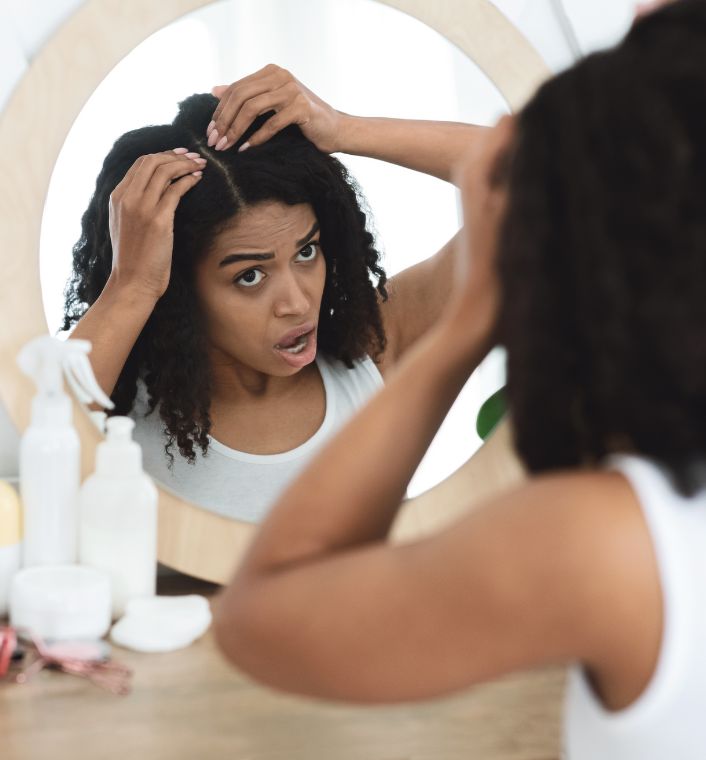
Your scalp is living skin, so it needs attention just like the skin on the rest of your body.
A healthy scalp supports the environment where your hair grows, while an irritated or neglected scalp can make your hair-care routine more difficult.
Good scalp care does not mean covering your scalp with oils every day or buying several specialized products. In many cases, it means keeping the scalp appropriately clean, avoiding unnecessary irritation, and paying attention to changes.
A consistent natural hair wash day routine can help remove sweat, excess oil, dead skin cells, and styling residue without requiring aggressive scrubbing.
Your scalp also deserves consideration when choosing hairstyles. A beautiful style should not leave you with persistent pain, bumps, or irritation.
The goal is to create a routine that keeps both your scalp and strands comfortable.
15 Signs Your Scalp Needs Extra Care
Your Scalp Itches Constantly
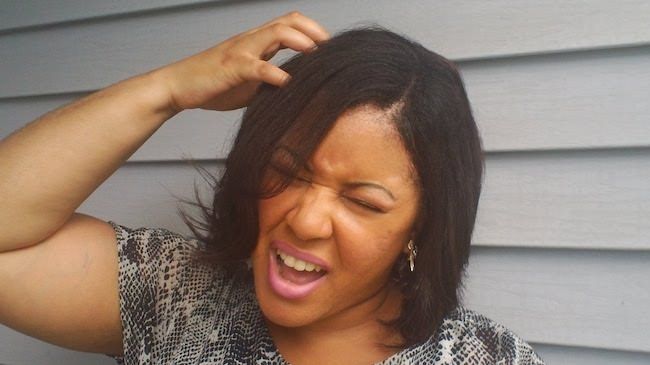
Occasional itching does not necessarily mean there is a serious problem. Your scalp may itch after sweating, wearing a hat or wig, using a new product, or going several days without washing.
The concern begins when the itching becomes frequent, intense, or persistent.
Constant scratching can further irritate the scalp and may create small breaks in the skin. This can make the discomfort worse and potentially increase the risk of infection.
Instead of automatically adding more oil, think about what changed before the itching started.
Did you introduce a new shampoo? Install braids? Start using a new gel? Exercise more frequently? Go longer between wash days?
Identifying the trigger can be more useful than simply trying to cover up the symptom.
If your scalp remains itchy despite simplifying your routine, take the symptom seriously. How to get rid of an itchy scalp naturally can provide useful guidance for gentle scalp care, but persistent or severe itching may require professional evaluation.
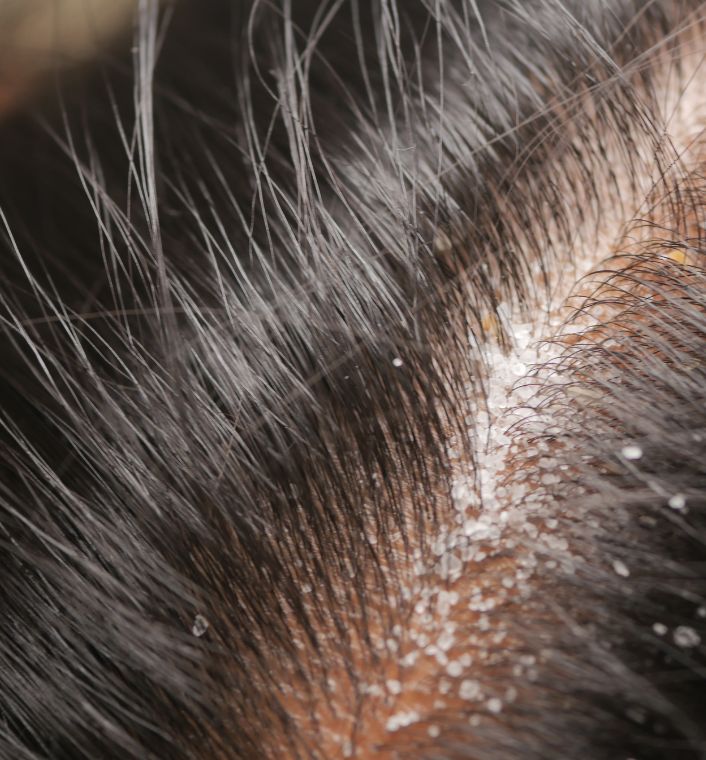
You Notice Excessive Flaking
A few flakes do not necessarily mean something is wrong.
The scalp naturally sheds skin cells, but noticeable or persistent flaking may indicate that your scalp needs closer attention.
Fine, dry flakes can sometimes be associated with dryness, particularly when the scalp feels tight or uncomfortable.
Larger or oily-looking flakes may be associated with dandruff or other scalp conditions.
This is why it is useful to understand dry scalp vs dandruff rather than assuming every white flake has the same cause.
Pay attention to whether the flakes are accompanied by itching, redness, oiliness, soreness, or other changes.
If your scalp suddenly becomes much flakier than usual, think about recent changes to your products, washing routine, hairstyle, or environment.
Persistent flaking that does not improve with reasonable scalp care may require professional attention.
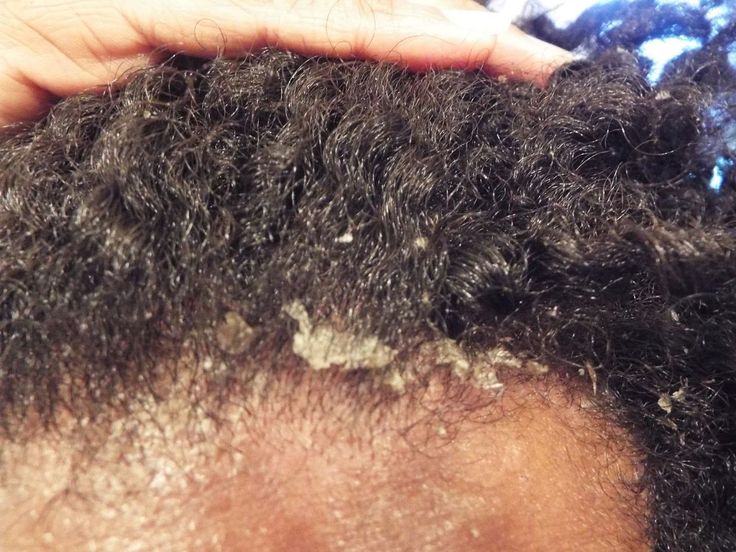
Your Scalp Feels Extremely Dry
A scalp that consistently feels tight, rough, or uncomfortable may need more attention.
Dryness can be influenced by environmental conditions, hot water, frequent washing, harsh products, or an individual’s natural skin characteristics.
Dry weather can be particularly noticeable during harmattan, when dusty and dry conditions can affect both skin and hair.
Adjusting your harmattan hair protection routine can help you account for environmental dryness while still keeping your scalp clean.
However, adding large amounts of oil is not always the solution.
Heavy oiling can create buildup and may make it more difficult to identify what is causing your discomfort.
Instead, review your cleansing routine, water temperature, products, and washing frequency.
If dryness is accompanied by significant redness, cracking, sores, or persistent itching, it may be more than ordinary dryness.
Your Scalp Becomes Very Oily
A very oily scalp can also be a sign that your routine needs attention.
Your scalp naturally produces sebum, so some oil is normal. The problem is when excessive oiliness is accompanied by itching, flakes, odor, or discomfort.
If you regularly apply oils directly to your scalp, you may be contributing to the feeling of greasiness.
Styling products can also accumulate around the scalp, especially when several products are layered without regular cleansing.
Instead of automatically washing more aggressively, consider whether you are using too many products between washes.
A simpler routine may make it easier to determine whether the problem is excess sebum, product residue, or another scalp concern.
If your scalp suddenly becomes much oilier than usual without an obvious change in your routine, keep an eye on it and consider seeking professional advice if other symptoms appear.
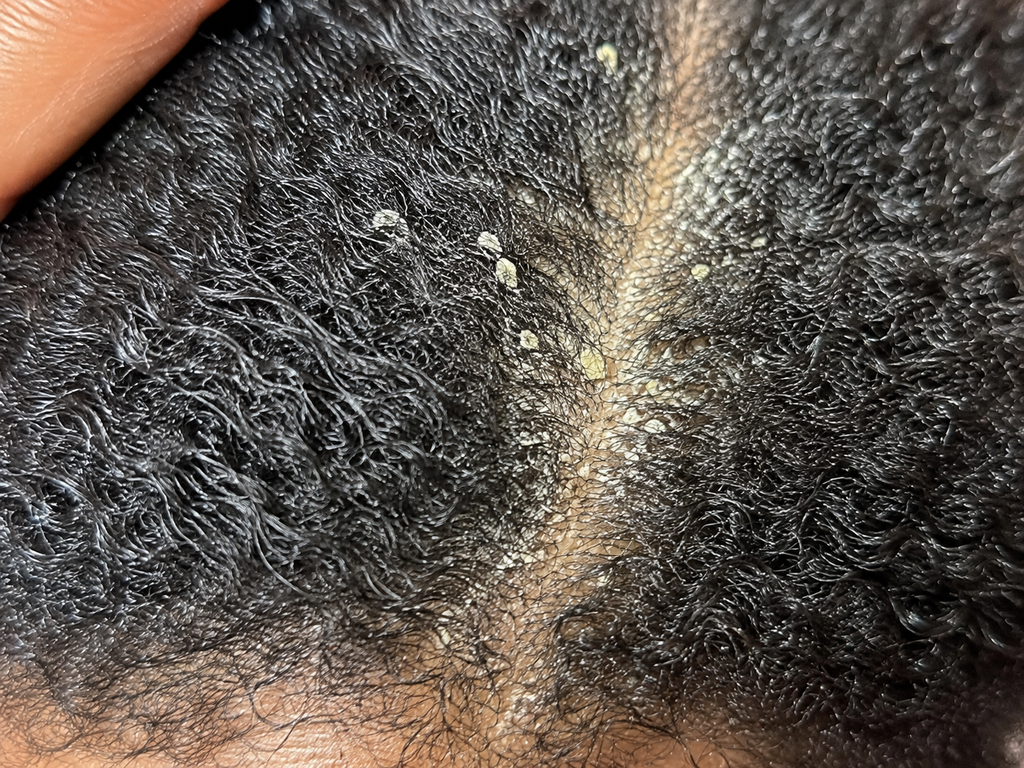
You Have Persistent Buildup
Product buildup is common among people who use styling creams, gels, oils, butters, edge control, leave-in conditioners, and other products regularly.
A small amount of residue is not automatically a problem.
However, if your scalp feels coated, greasy, heavy, or difficult to cleanse, you may be dealing with excessive buildup.
Buildup can also make flakes more noticeable and may contribute to an uncomfortable scalp.
One useful approach is to examine how much product you are applying directly to the scalp.
Not every hair product needs to be placed on your roots.
Learning how to prevent product buildup on natural hair can help you simplify your routine and reduce the amount of residue accumulating between wash days.
If your scalp remains coated despite regular cleansing, you may need to reassess the products you’re using.
Your Scalp Has an Unusual Odor
An unpleasant scalp odor that keeps returning deserves attention.
Sweat, sebum, product residue, and infrequent cleansing can all contribute to odor.
A temporary smell after exercise or a long day in a hot environment is not necessarily concerning.
However, if your scalp develops a persistent or unusual odor even after appropriate cleansing, there may be another factor involved.
This is particularly important when wearing wigs, braids, extensions, or other styles that make the scalp harder to access.
Keeping your scalp clean and allowing it to dry properly can help.
You should also clean items that regularly touch your scalp, including bonnets, scarves, wig caps, brushes, and combs.
If odor occurs alongside pain, sores, pus, significant itching, or swelling, seek professional evaluation.

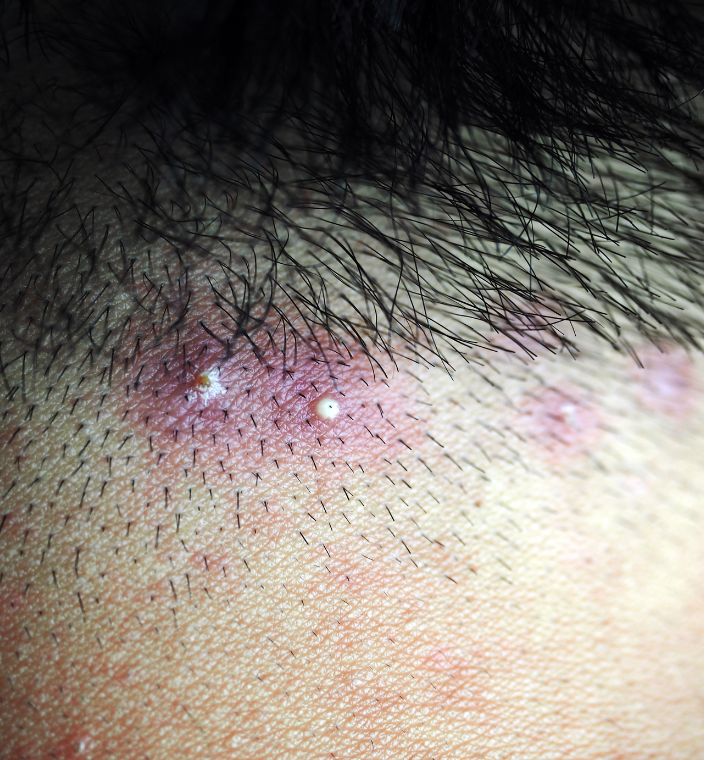
You Develop Bumps or Pimples
Small bumps on the scalp can occur for different reasons.
They may be related to clogged follicles, irritation, ingrown hairs, product reactions, friction, or inflammation.
Pay attention to when they appear.
If bumps consistently develop after installing a particular hairstyle, using a particular product, or wearing a wig for long periods, that pattern may provide a useful clue.
Avoid repeatedly picking or squeezing scalp bumps. Doing so can further irritate the skin and may increase the risk of infection.
You should also avoid applying multiple new products to the area at once.
If bumps are painful, filled with pus, spreading, or repeatedly returning, professional evaluation is advisable.
Your Scalp Hurts After a Hairstyle
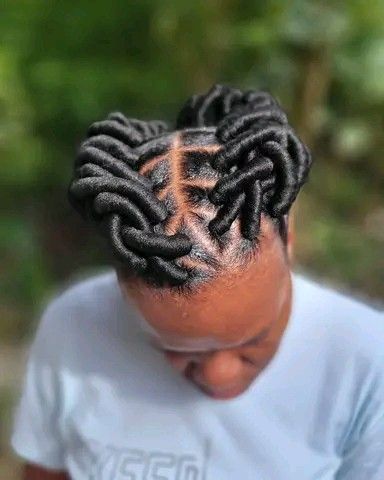
Pain is not a normal requirement for a hairstyle.
Braids, cornrows, ponytails, loc styles, wigs, and extensions can all create tension when installed too tightly.
If your scalp hurts immediately after installation or continues to feel tender afterward, the style may be putting too much stress on your scalp and hair.
Do not assume that the pain will simply disappear because you need time to “get used to” the hairstyle.
Persistent tension can contribute to hair breakage and, in some cases, traction-related hair loss.
Your protective hairstyles for 4C hair should protect your strands without causing significant discomfort.
If a style hurts, feels excessively tight, or causes bumps around the hairline, consider loosening or removing it rather than enduring the pain.
Your Scalp Burns or Stings
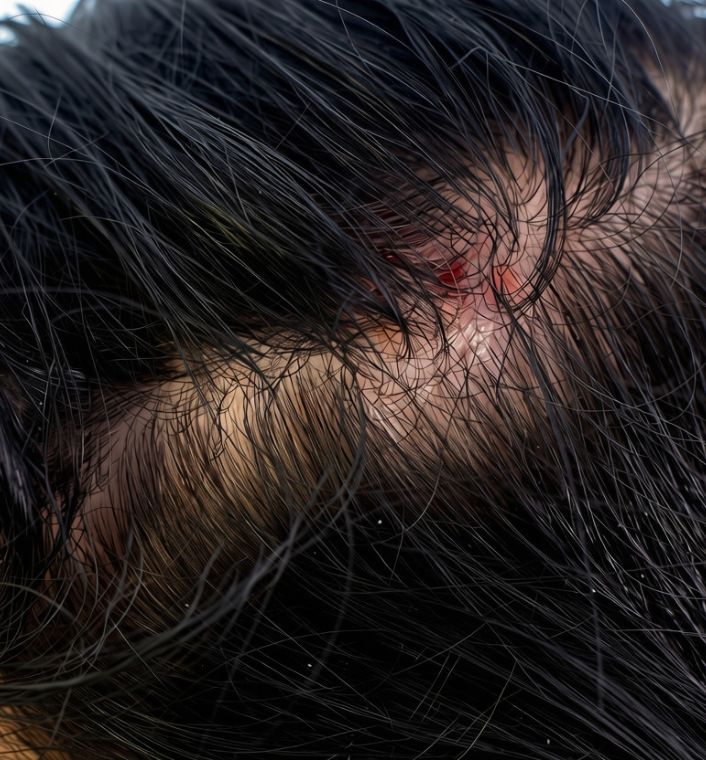
Burning or stinging is a sign worth paying attention to, particularly after applying a new product.
Some ingredients can irritate sensitive skin or trigger an allergic reaction.
Chemical treatments, hair dyes, adhesives, fragrances, essential oils, and certain styling products can all cause problems for some individuals.
If a product causes immediate burning or intense discomfort, do not assume that it is simply “working.”
Rinse it out according to the product’s instructions and discontinue use if irritation continues.
A useful scalp care routine for sensitive skin should prioritize gentle products and avoid unnecessary experimentation.
If you experience severe swelling, difficulty breathing, extensive blistering, or other serious symptoms following product use, seek urgent medical attention.
You Notice Unusual Hair Shedding
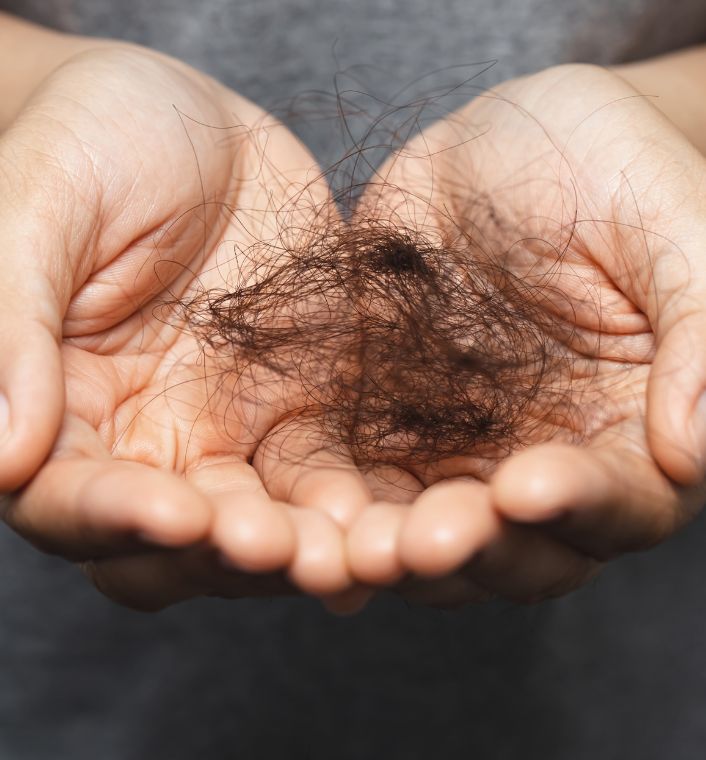
Some daily hair shedding is normal.
Hair naturally moves through different growth phases, and loose strands can become more noticeable during wash day or detangling.
However, sudden changes in shedding or noticeable thinning deserve attention.
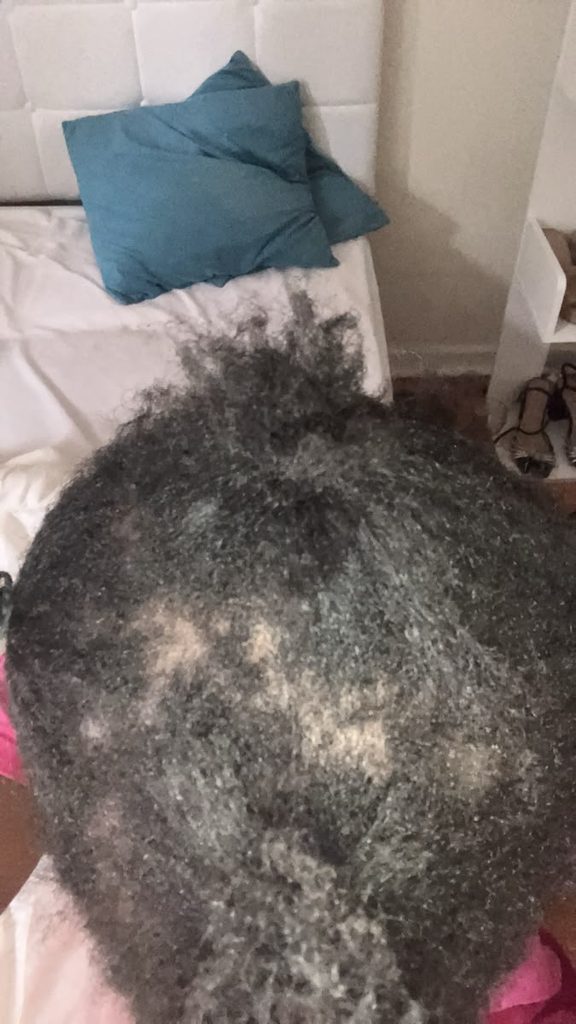
Look for changes such as significantly more hair coming out than usual, widening areas of visible scalp, thinning around the edges, or bald patches.
Hairstyle-related tension can contribute to hair loss, particularly when tight styles are worn repeatedly.
Your general hair-care practices matter too. Learning how to prevent hair breakage in 4C hair can help you distinguish between fragile strands breaking during manipulation and hair loss that may originate from the scalp or follicles.
If you notice sudden or significant hair loss, do not rely solely on oils or homemade treatments. A healthcare professional can help determine the underlying cause.
Your Scalp Is Red or Inflamed
Redness can indicate that the scalp is irritated or inflamed.
It may occur after using an irritating product, scratching repeatedly, wearing a tight hairstyle, or experiencing a scalp condition.
Mild temporary redness after manipulation may disappear quickly, but persistent or intense redness deserves closer attention.
If redness appears alongside scaling, itching, pain, swelling, or sores, avoid experimenting with multiple DIY treatments.
Give your scalp a break from potentially irritating products and seek professional advice if the problem continues.
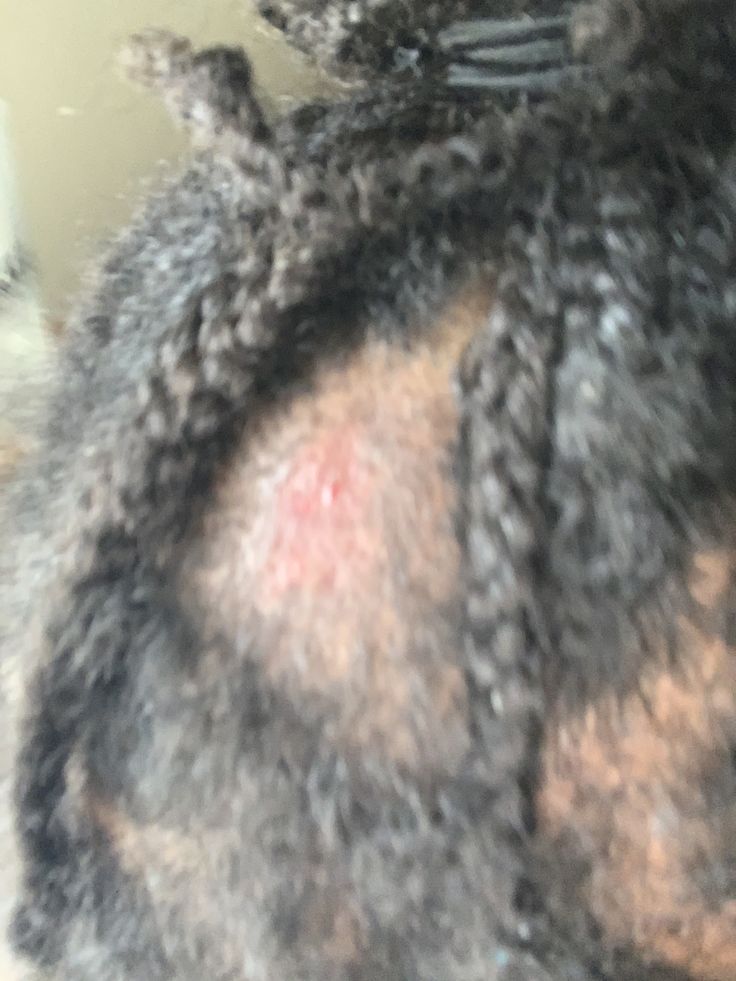
Your Scalp Is Tender to the Touch
A healthy scalp should not normally be painful when you gently touch it.
Tenderness can develop after wearing a tight hairstyle, scratching repeatedly, using irritating products, or experiencing inflammation.
If the tenderness disappears after removing a tight hairstyle and giving your scalp time to recover, tension may have been contributing to it.
But tenderness that persists without an obvious reason should not be ignored.
Take note of whether the pain occurs in one particular area or across the entire scalp.
If tenderness is accompanied by bumps, swelling, sores, or hair loss, professional evaluation becomes especially important.
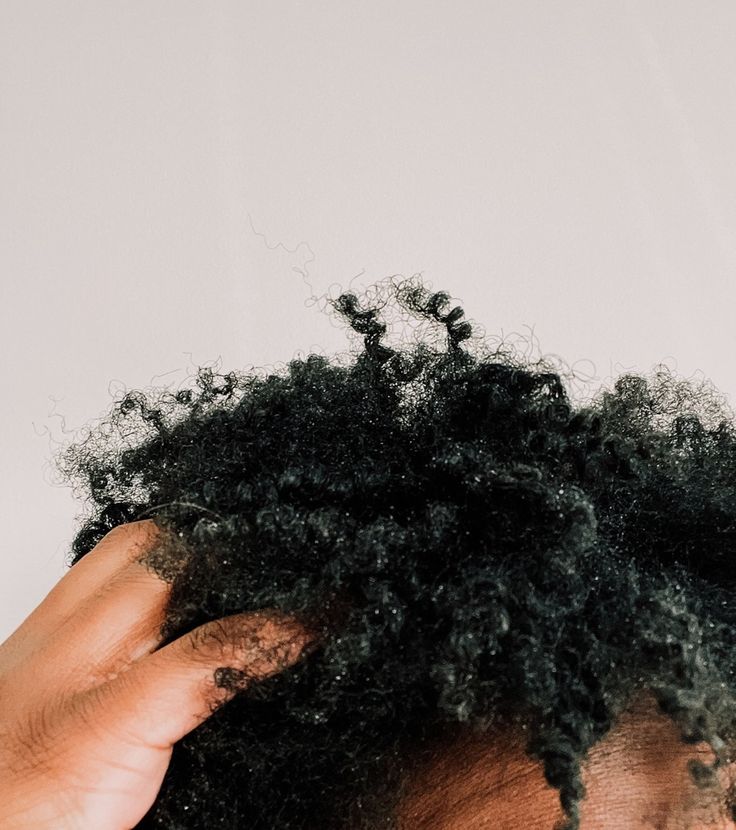
Your Scalp Feels Dirty Soon After Washing
If your scalp feels dirty, greasy, or uncomfortable shortly after washing, it may be time to examine your routine.
There could be several explanations.
Your scalp may naturally produce oil quickly. You may be sweating frequently. Your cleansing method may not be removing enough residue. Or you may be applying several products directly to the scalp after washing.
This does not necessarily mean you need to shampoo every day.
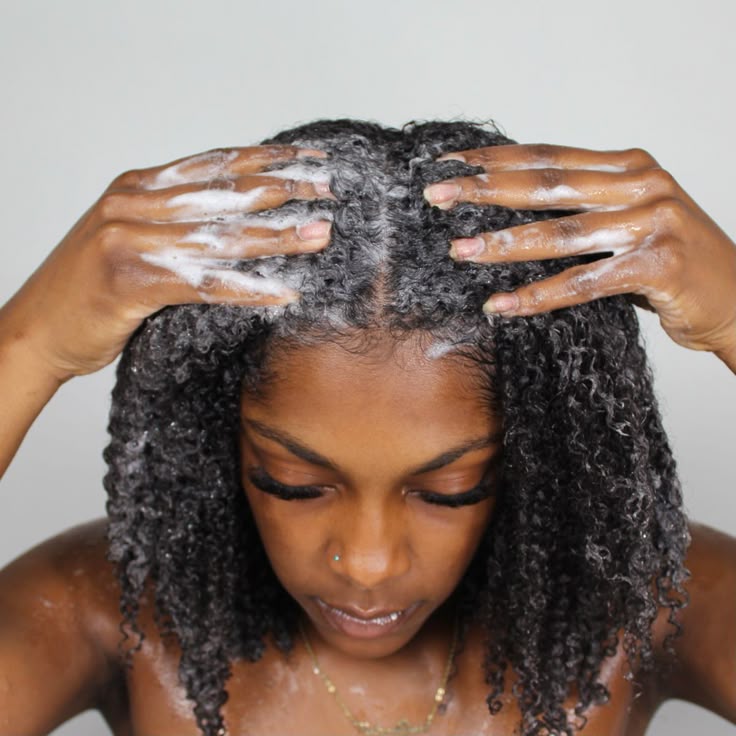
Instead, consider whether your shampoo is being distributed properly and whether you are cleansing the scalp rather than simply washing the hair lengths.
For people with dense natural hair, sectioning the hair can make it easier to reach the scalp.
You can also review how often you should wash 4C hair based on your scalp’s needs rather than following someone else’s schedule.
Your Scalp Reacts to New Products
A new product should not consistently leave your scalp burning, itching, or irritated.
If symptoms appear shortly after introducing a shampoo, conditioner, gel, oil, dye, extension, adhesive, or treatment, consider whether the new addition is responsible.
One helpful strategy is to avoid introducing several new products at the same time.
When you change one thing at a time, it becomes easier to identify what your scalp tolerates and what it does not.
If a product causes a reaction, discontinue it and avoid repeatedly testing it on an already irritated scalp.
You can also simplify your routine while your scalp settles.
Your Scalp Problems Keep Coming Back
One of the biggest signs your scalp needs extra care is a problem that repeatedly disappears and returns.
You may temporarily reduce itching, flakes, or buildup only for the symptoms to return a few days or weeks later.
This pattern suggests that the underlying trigger may still be present.
It could be a product, hairstyle, washing routine, environmental factor, or an underlying scalp condition.
Instead of constantly switching between different remedies, keep your routine simple and observe what happens.
Write down when symptoms appear and what products or hairstyles you were using at the time.
If the problem continues despite making reasonable changes, consider speaking with a dermatologist.
Recurring symptoms deserve more than repeated trial and error.
How to Give Your Scalp Extra Care
Once you notice warning signs, you do not necessarily need to completely replace your hair-care routine.
Start by simplifying it.
Use a cleanser that your scalp tolerates well and avoid excessively hot water.
Pay attention to how frequently your scalp needs cleansing, especially if you exercise often or live in a hot environment.
Reduce unnecessary products applied directly to your scalp.
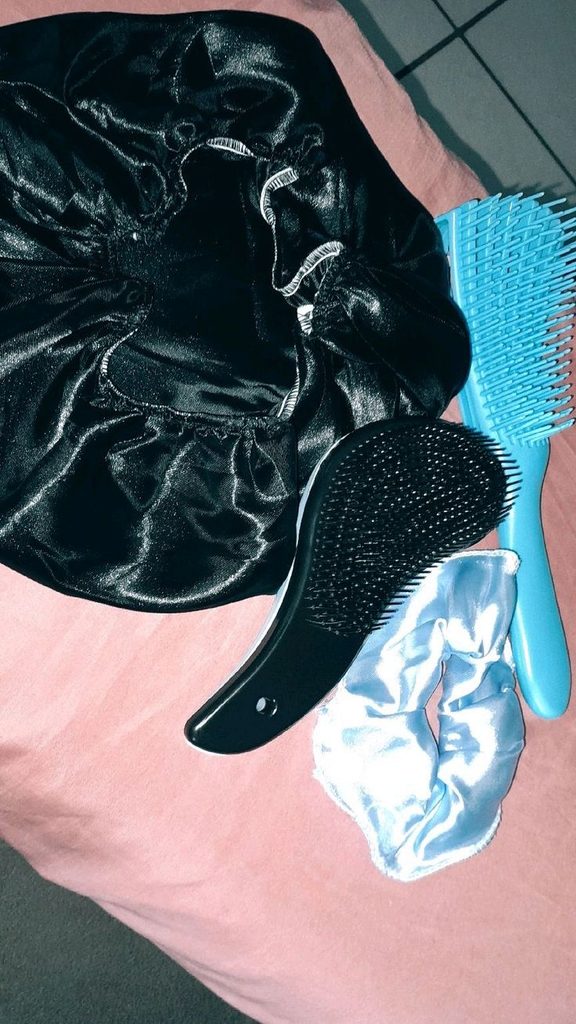
Keep combs, brushes, bonnets, scarves, and wig caps clean.
Give your scalp a break from styles that cause pain or excessive tension.
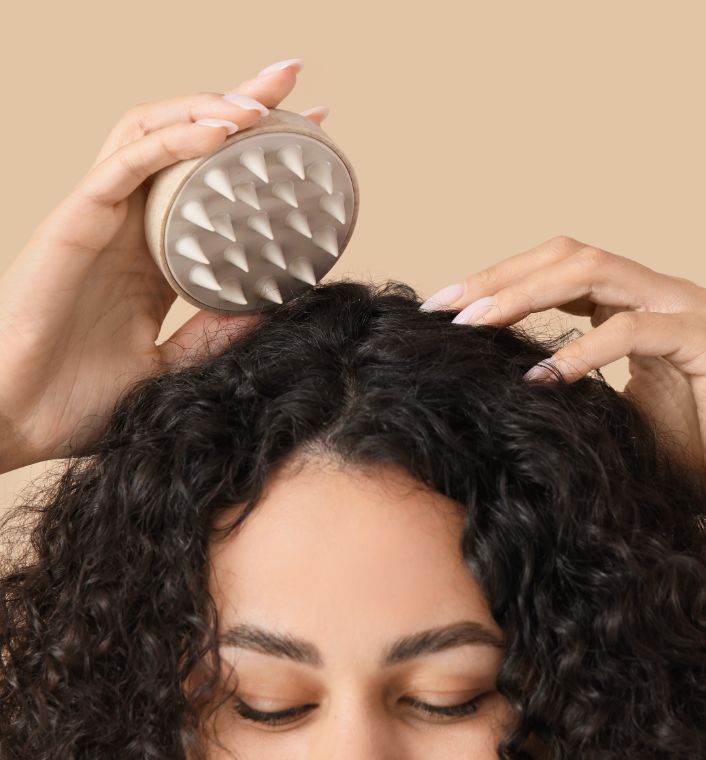
When your scalp is irritated, avoid aggressive scratching and vigorous massage.
It can also help to keep the scalp moisturized appropriately without creating excessive residue. Your moisture routine for dry natural hair should support your hair without turning your scalp into a layer of accumulated products.
Most importantly, observe your scalp regularly.
You do not need to inspect it obsessively. Simply pay attention when washing, styling, or parting your hair so you can recognize changes early.
When Should You See a Professional?
Some scalp concerns can improve after simple changes to your routine, but others need professional treatment.
Consider seeing a dermatologist or qualified healthcare professional if you experience:
- Severe or persistent itching
- Significant redness or swelling
- Painful or spreading bumps
- Pus or drainage
- Open sores or bleeding
- Thick or persistent scaling
- Sudden hair loss
- Bald patches
- Severe burning after using a product
- Symptoms that repeatedly return despite appropriate care
Do not assume that a persistent scalp problem can always be fixed with oil, herbal mixtures, or another DIY treatment.
Different conditions can produce similar symptoms, and treating the wrong problem can delay appropriate care.
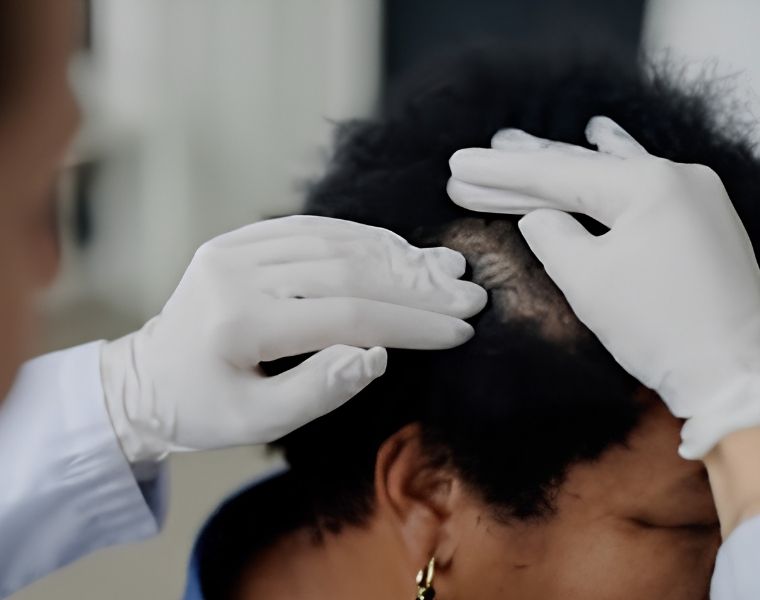
A professional can examine your scalp and determine whether you need a specific treatment.
Bottom Line
Knowing the signs your scalp needs extra care can help you respond to problems before they become more difficult to manage.
Persistent itching, excessive flaking, dryness, oiliness, buildup, unusual odor, bumps, pain, burning, redness, tenderness, and sudden changes in hair shedding are all worth paying attention to.
Not every symptom means something is seriously wrong. Sometimes a simple change to your washing routine, styling habits, or product selection is enough to improve your scalp’s comfort.
However, persistent or severe symptoms should not be ignored.
For natural and 4C hair, good scalp care does not need to involve an overwhelming number of products. Consistent cleansing, gentle handling, comfortable hairstyles, clean accessories, and careful product selection can provide a solid foundation.
Your scalp does not need to be perfect every day. What matters is noticing when something changes and responding appropriately.
When you make scalp health part of your regular hair care routine instead of an afterthought, you are better positioned to maintain a comfortable scalp and healthier-looking natural hair.


3 Comments