
How to Tell If You Have Low Porosity 4C Hair
Disclosure: Some of the links in this post are affiliate links. This means if you click on the link and purchase an item, I will receive an affiliate commission at no extra cost to you.
Trying to figure out your hair porosity can feel confusing, especially when your hair doesn’t seem to respond to products the way everyone else’s does. You may spend time moisturizing, deep conditioning, and sealing your hair, yet your strands still don’t behave the way you expect.
One of the biggest reasons for this is that many people don’t fully understand how hair porosity works. Two people with the same curl pattern can have completely different experiences because their hair absorbs and holds moisture differently.
Low-porosity hair is often misunderstood. Some people mistake it for dry or damaged hair, while others assume it’s impossible to moisturize. In reality, low-porosity hair simply needs a different approach. Learning how your hair absorbs moisture can help explain why certain products seem to sit on your strands instead of soaking in.
It’s also important to remember that porosity and hair type aren’t the same thing. Having tightly coiled hair doesn’t automatically mean you have low porosity. Before changing your routine or buying new products, it’s worth finding out what your porosity level actually is so you can make decisions based on your hair’s needs instead of guesswork.
In this guide, you’ll learn the most common signs of low-porosity 4C hair, simple ways to identify it, and the clues your hair may already be giving you.
What Does Low Porosity Mean?
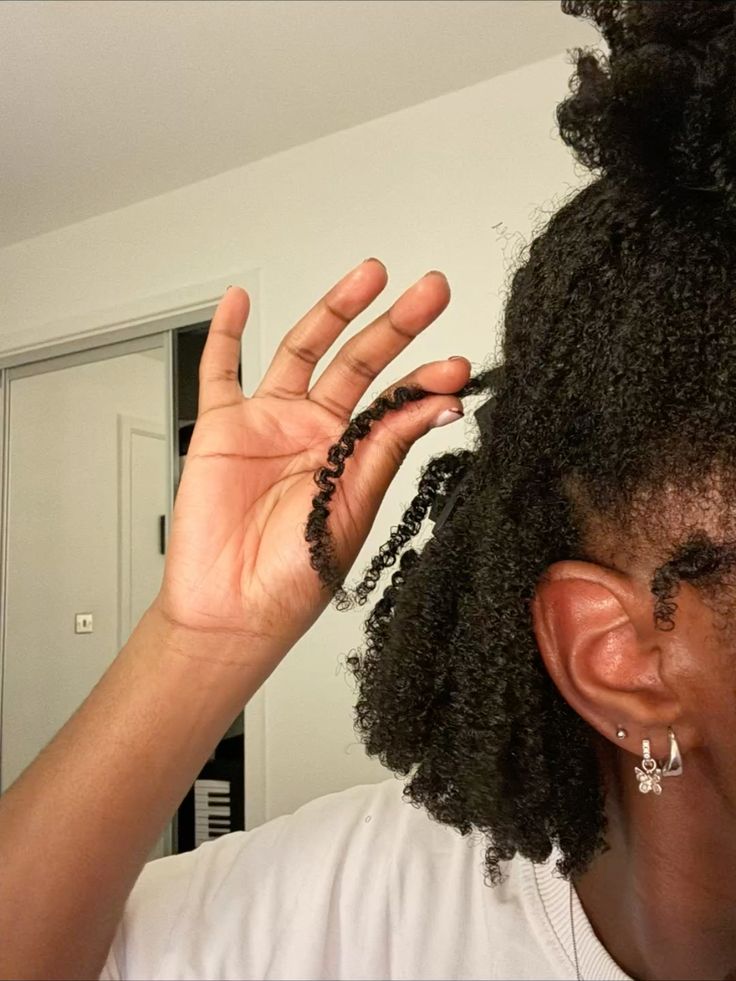
Low-porosity hair has a tightly packed cuticle layer that makes it more difficult for water and hair products to enter the strand.
Rather than absorbing moisture immediately, the hair takes longer to let water and conditioners pass through the cuticle. That’s why many people notice products sitting on the surface instead of disappearing into the hair.
This doesn’t mean your hair can’t stay moisturized. It simply means you’ll often need techniques that help moisture penetrate the strand more effectively.
Once you build a routine that works with your hair, caring for low-porosity hair becomes much less frustrating.
Because moisture enters more slowly, it’s easy to think your hair needs more products. In many cases, the opposite is true. Choosing lighter formulas and applying them correctly usually works better than layering multiple heavy products.
Many people also confuse low porosity with dryness. However, hair that feels dry isn’t always lacking moisture. Sometimes it’s simply struggling to absorb it in the first place.
Understanding why your hair still feels dry after moisturizing can help you avoid this common mistake.
What Causes Low Porosity Hair?
One question many people ask is whether low porosity is something they’re born with or something that develops over time.
The answer is that it can be both. For many people, low porosity is inherited. Their hair naturally has a tightly packed cuticle layer that slows the movement of water and hair products into the strand.
This isn’t a flaw or a sign of unhealthy hair. It’s simply how their hair is naturally structured.
In other cases, hair may temporarily behave like low-porosity hair because of heavy product buildup. Layers of creams, butters, oils, and styling products can coat the hair shaft, making it more difficult for water to penetrate.
That’s one reason regular cleansing is important. A clean strand is much easier to evaluate than one covered with weeks of product residue.
Heat damage and chemical processing are more commonly associated with increased porosity, but they can also make it difficult to judge your hair accurately because different sections of your hair may behave differently.
If you’re transitioning from chemically treated hair, you may even notice that your new growth behaves differently from your relaxed ends.
That’s completely normal, and it’s another reason to pay attention to each stage of your natural hair journey instead of assuming every strand has the same needs.
Why So Many People Misidentify Their Hair
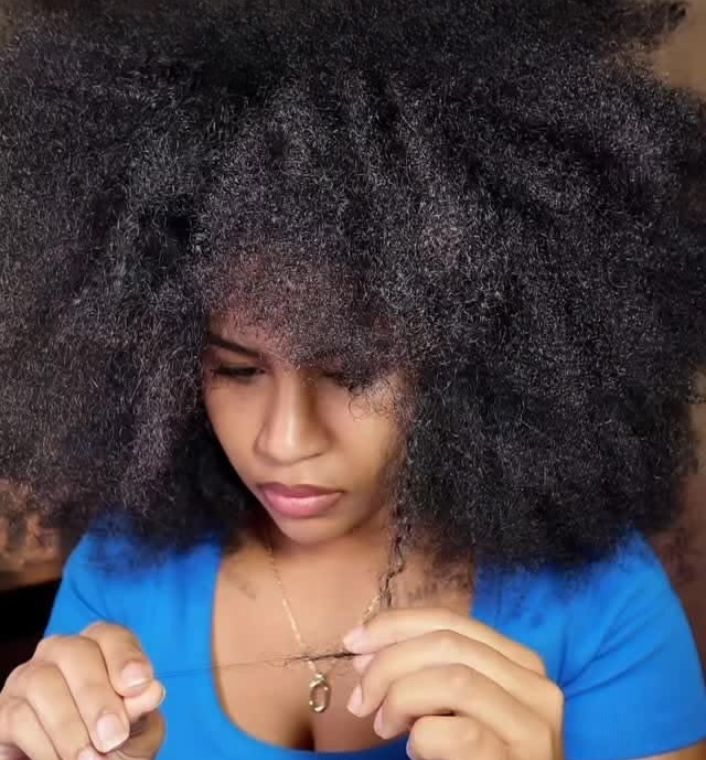
One of the biggest reasons people misdiagnose their porosity is because they assume dry hair automatically means high porosity.
That’s not always true.
Low-porosity hair can also feel dry because moisture struggles to enter the strand in the first place. Adding more products doesn’t always solve the problem, especially when those products remain on the surface instead of being absorbed.
Learning why your 4C hair sometimes feels dry even after moisturizing can help you avoid making this common mistake.

Does Low Porosity Change With the Seasons?
One thing that surprises many people is that low-porosity hair doesn’t always behave the same way throughout the year.
During colder months, hair often feels drier because cool air contains less moisture. Indoor heating can also contribute to dryness, making it seem as though your hair has suddenly changed.
Hot, humid weather can create the opposite experience. Hair may feel softer or absorb moisture a little more easily because of the extra humidity in the air.
This doesn’t necessarily mean your porosity has changed. Instead, your environment is influencing how your hair behaves.
That’s why it’s helpful to adjust your hair routine as the seasons change instead of using exactly the same products and techniques all year round.
Small changes, such as using slightly richer conditioners during the dry season or lighter products during humid weather, can often make a noticeable difference.
Signs You May Have Low Porosity 4C Hair
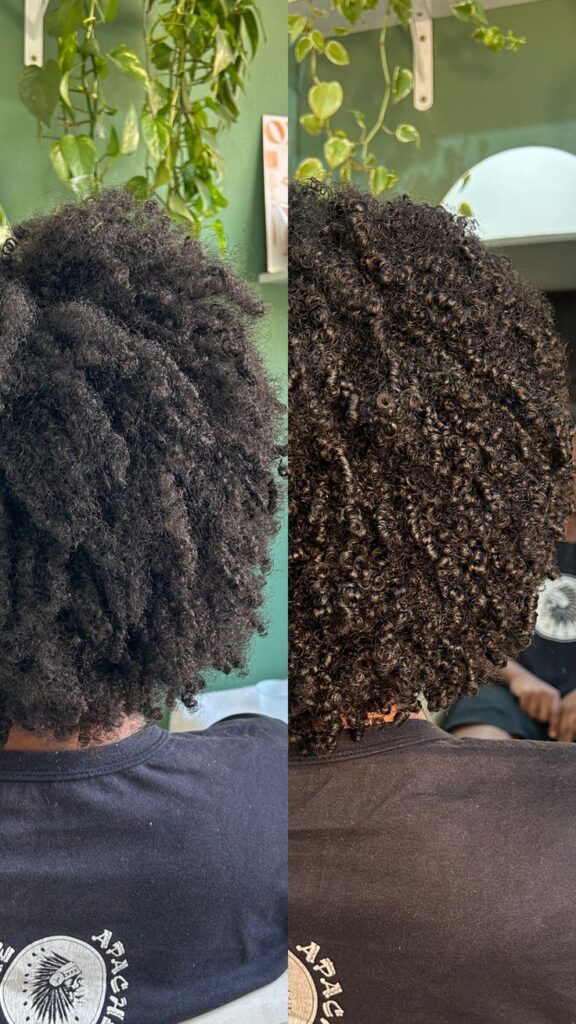
Low-porosity hair often gives subtle clues about how it behaves. Instead of relying on a single test, it’s better to look for patterns. The more signs you recognize, the more confident you can be about your hair’s porosity.
As you pay attention to these characteristics, you’ll begin to notice why certain products work well while others don’t. Understanding how your hair responds to moisture is often more helpful than copying someone else’s routine.
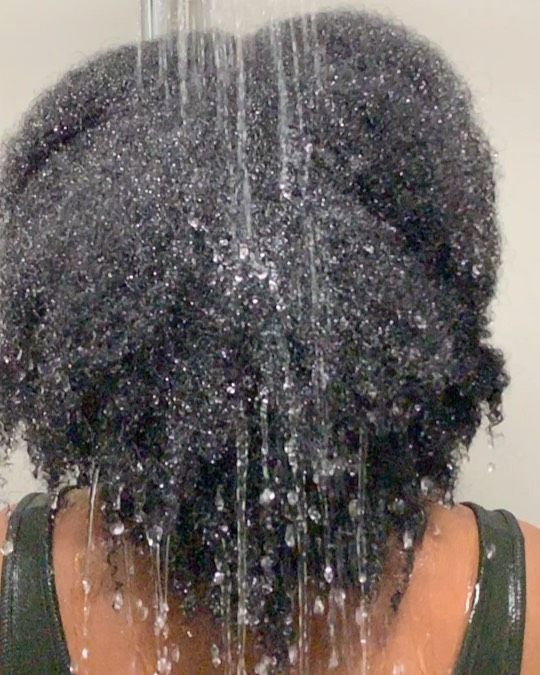
Water Sits on Your Hair Before Soaking In
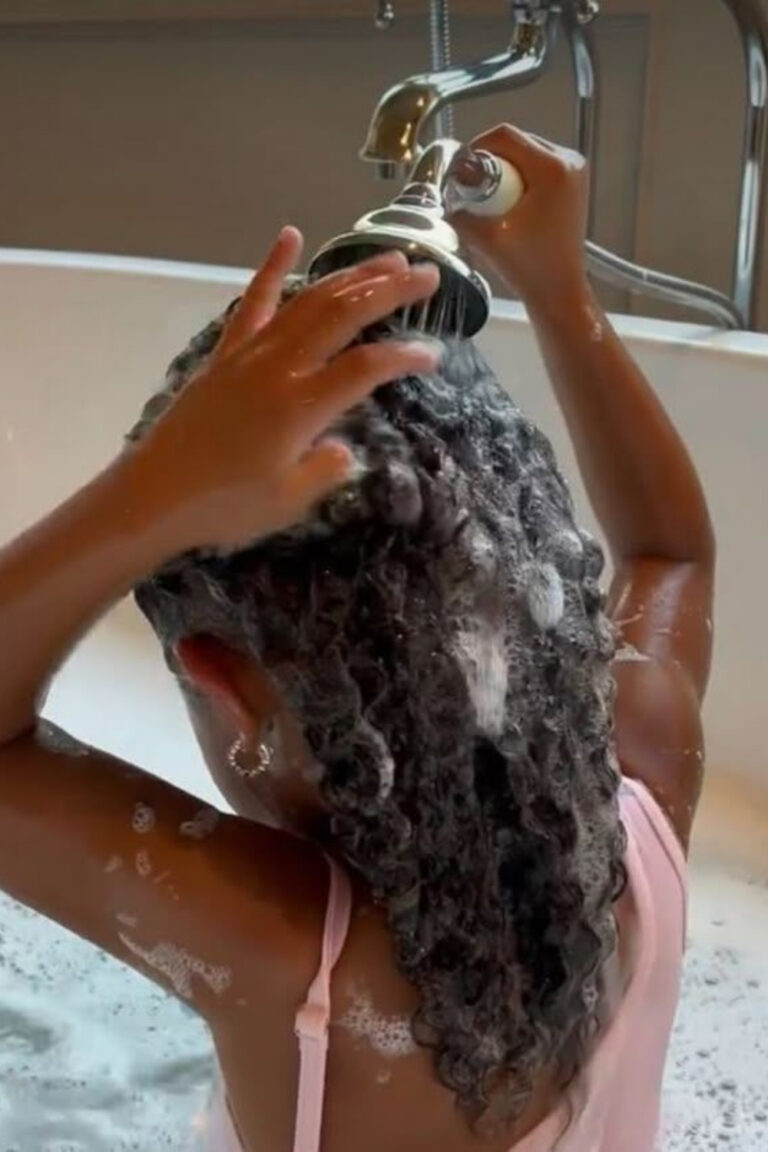
One of the easiest signs to notice happens on wash day.
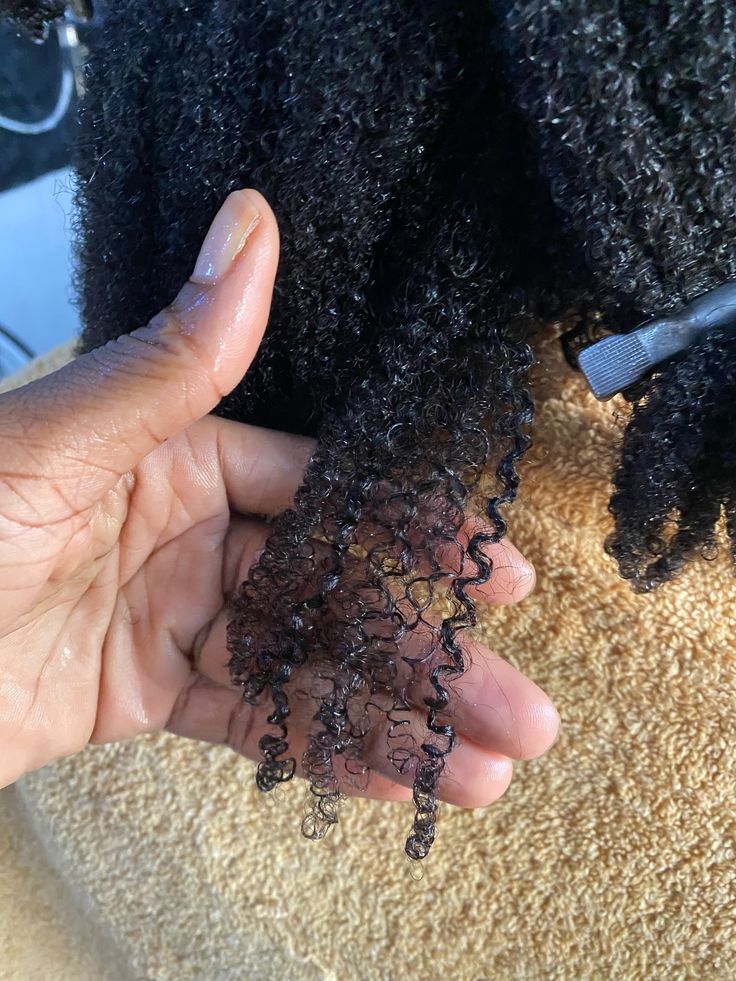
Rather than becoming fully wet straight away, water may bead up or remain on the surface for a few moments before gradually soaking into your strands. This happens because the tightly packed cuticle layer slows down moisture absorption.
Many people mistake this for product buildup, but clean low-porosity hair can behave the same way.
Once you recognize this pattern, you’ll better understand why wash day sometimes takes longer than expected and why patience is important when applying water and conditioner.
Products Sit on Top of Your Hair
Have you ever applied a leave-in conditioner or moisturizer only to notice that your hair still looks coated several minutes later?
That’s another common characteristic of low-porosity hair.
Instead of immediately absorbing creams and conditioners, the products often remain on the outside of the strand before slowly working their way in.
Applying more product usually doesn’t solve the problem. In fact, it can leave your hair feeling heavy or greasy.
Choosing lighter formulas and learning how to layer your hair products properly often produces much better results than simply using larger amounts.
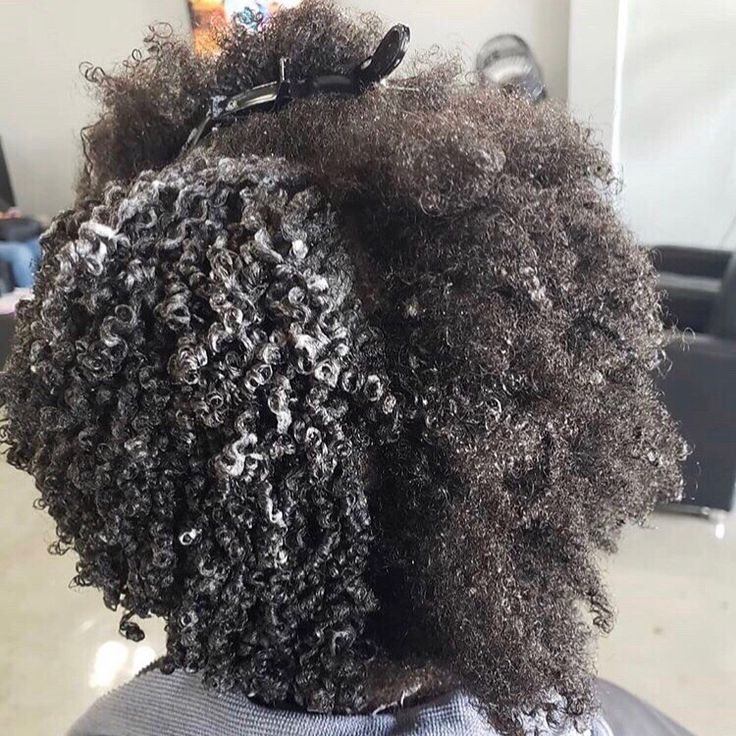
Your Hair Takes a Long Time to Dry
Drying time can reveal a lot about your hair.
Because moisture enters and leaves low-porosity hair more slowly, your hair may remain damp for several hours after washing, especially when it’s thick or densely packed.
Of course, drying time is also influenced by hair density and length, so this shouldn’t be your only indicator. Still, when combined with other signs, it can provide another helpful clue.
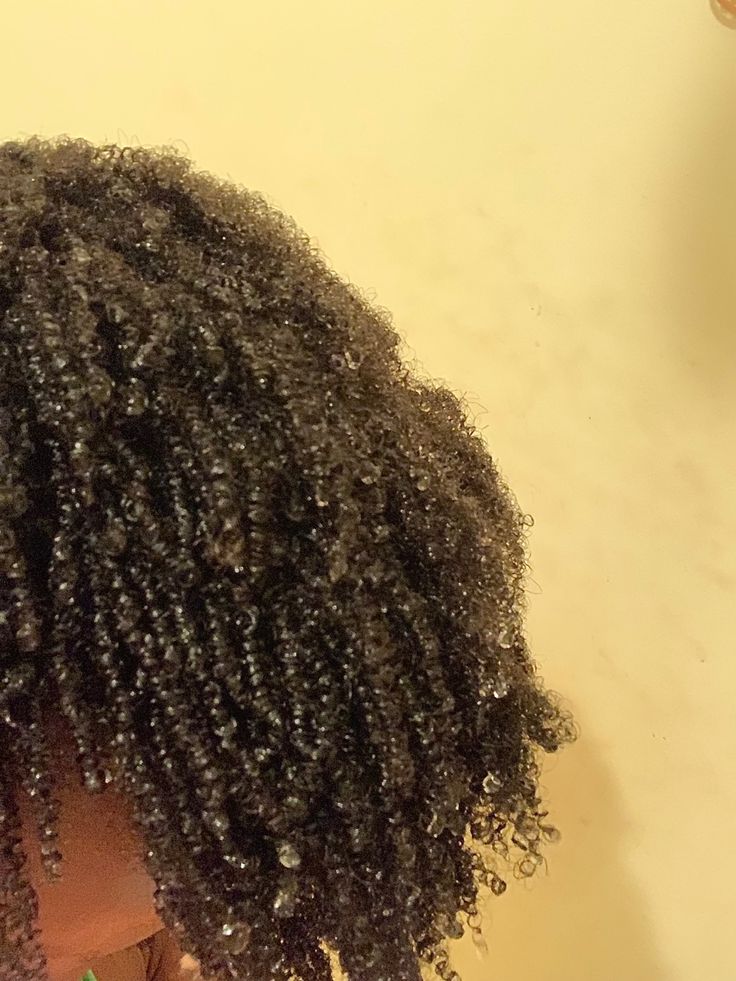
Product Buildup Happens Easily
Another sign of low-porosity hair is that products tend to build up faster than expected.
Since heavy creams and oils aren’t absorbed as quickly, they can collect on the surface of the hair over time. This buildup may leave the strands looking dull, feeling coated, or becoming difficult to moisturize.
Many people assume they need even more products when this happens, but a gentle clarifying wash is often the better solution.
Building a routine that keeps your scalp and strands clean can help prevent excess buildup without stripping away the moisture your hair needs.
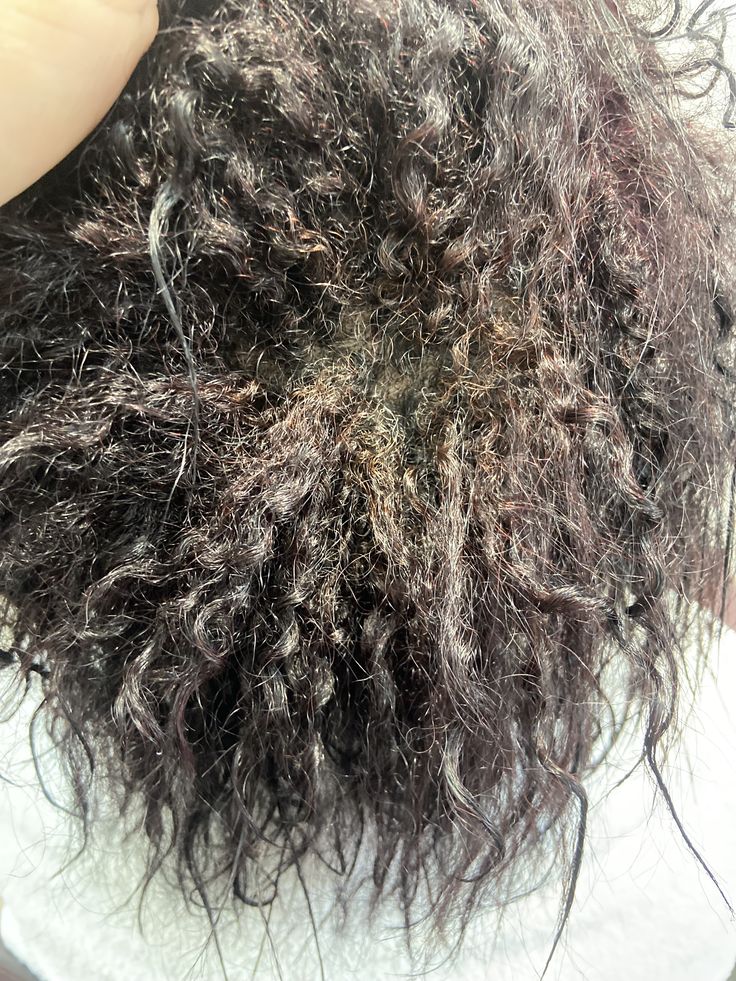
Signs That Can Easily Be Mistaken for Something Else
Not every sign of low porosity is obvious. In fact, some characteristics are often confused with dryness, damage, or even the wrong hair products.
Looking at several signs together usually gives a much clearer picture than focusing on just one.
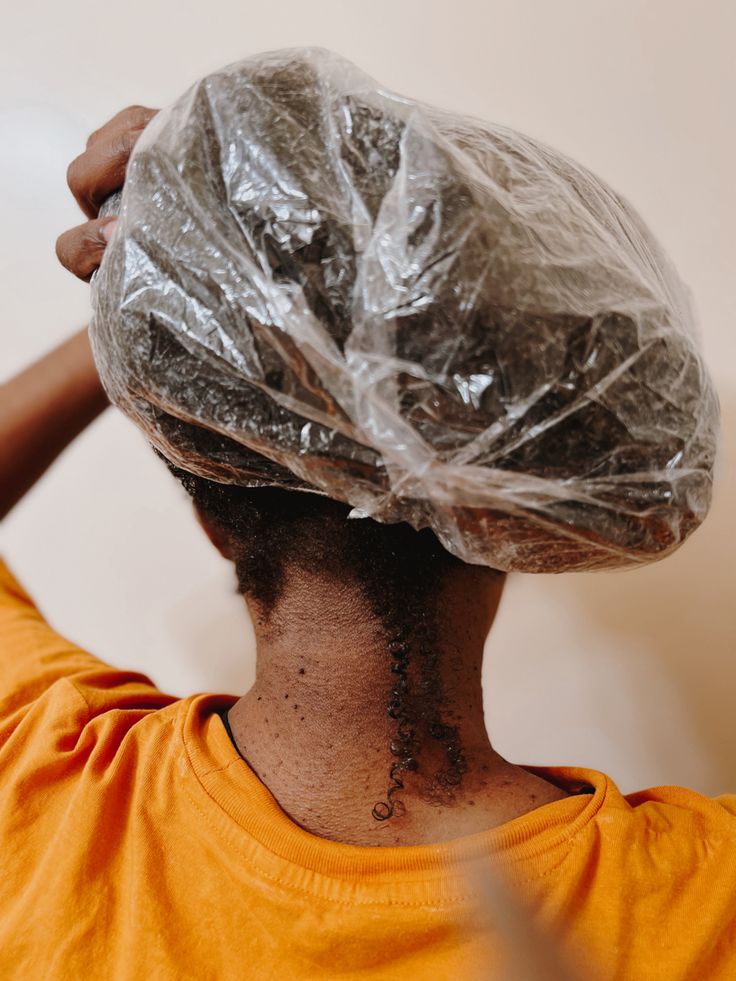
Deep Conditioners Don’t Seem to Make a Difference
One of the most common complaints is spending time deep conditioning only to feel like nothing has changed.
That doesn’t always mean the conditioner is poor quality.
With low-porosity hair, the cuticles are tightly closed, making it harder for conditioning ingredients to move into the strand.
Without warmth or enough time, much of the conditioner may stay on the outside instead of penetrating the hair.
This is why many people notice better results after using deep conditioning techniques that improve product absorption instead of simply applying more conditioner.
Your Hair Feels Moisturized but Looks Dry
Low-porosity hair can sometimes be confusing.
Your hair may actually contain enough moisture, yet the surface still appears dull or dry.
This happens because moisture is trapped inside the strand while products remain on the outside, preventing the hair from getting that soft, hydrated appearance many people expect.
Instead of adding more oils or creams, it’s often more helpful to focus on building a moisture routine that suits your hair rather than following routines designed for other porosity types.
Heavy Products Weigh Your Hair Down
Have you ever used a thick butter or heavy oil and noticed your hair immediately felt greasy or flat?
That’s another common sign of low porosity.
Since the products don’t absorb quickly, they remain on the outside of the strand, making the hair feel coated rather than nourished.
Many people get better results after switching to lighter products instead of applying heavier ones.
Learning how to choose products based on your hair’s needs can save both money and frustration.
Common Myths About Low-Porosity Hair
Because low porosity is widely misunderstood, several myths continue to circulate online.
Let’s clear up a few of the biggest ones.
1. Low-Porosity Hair Can’t Be Moisturized
This is probably the most common misconception.
Low-porosity hair absolutely can be moisturized. The difference is that moisture usually enters the strand more slowly.
Once it gets inside, however, low-porosity hair often holds onto that moisture quite well.
The goal isn’t to force more products onto your hair. It’s to help moisture enter more effectively.
2. Every Dry Head of Hair Is Low Porosity
Dryness alone isn’t enough to determine porosity.
High-porosity hair can also feel extremely dry because it loses moisture quickly.
That’s why it’s important to consider several characteristics together instead of relying on one symptom.
Taking time to learn what your hair is communicating will almost always give you more accurate answers than a single home test.
Simple Ways to Confirm Your Hair Porosity
While your everyday observations are often the most reliable clues, a few simple tests can give you extra confidence about your hair’s porosity.
No single test is perfect, so it’s best to combine these methods with what you’ve already noticed about your hair.
Try The Spray Bottle Test
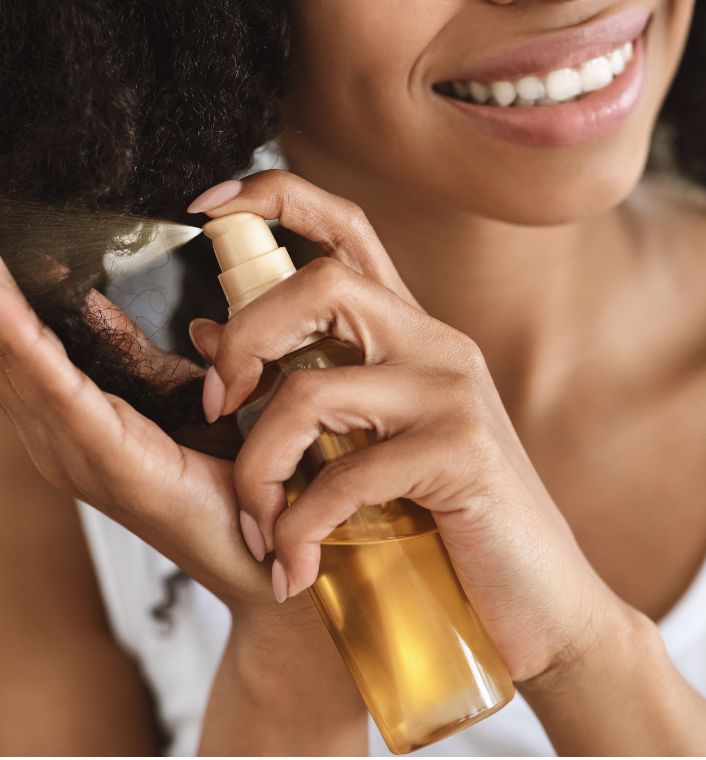
One of the easiest methods doesn’t require anything more than clean hair and a spray bottle filled with water.
Lightly mist a small section of dry hair and watch what happens.
Low-porosity hair often causes the water to sit on the surface for a short time before slowly soaking in.
Hair that absorbs the water almost immediately may have medium or high porosity instead.
This quick test works best on clean hair without heavy products, since buildup can affect the results.
Compare Your Results Over Time
Your hair usually tells a more accurate story than any single test.
Think about how it behaves over several wash days.
Does water take time to soak in? Do products stay on the surface? Does your hair take a long time to dry? Do lightweight products work better than heavy creams?
When several of these signs happen consistently, low porosity becomes much more likely.
Rather than chasing every trend you see online, paying attention to the way your own hair behaves will help you build a routine that’s actually suited to your needs.
Signs You Probably Don’t Have Low Porosity Hair
Sometimes identifying low porosity is just as much about recognizing what doesn’t match.
Your hair may not be low porosity if:
Water Immediately Disappears Into Your Strands
When your hair becomes fully wet almost as soon as water touches it, your cuticles may be more open than those of low-porosity hair. This is often a sign of medium or high porosity.
Your Hair Dries Very Quickly After Washing
Low-porosity hair usually stays damp for longer. Hair that dries quickly after washing, especially without heat, may have medium or high porosity instead.
Moisture Seems to Disappear Only a Few Hours After Styling
Hair that feels dry again shortly after moisturizing may not be low porosity. Instead, it could be absorbing moisture easily but losing it just as quickly.
Products Absorb Instantly but Your Hair Still Feels Dry
When leave-in conditioners and creams disappear into your strands immediately but your hair still lacks moisture, high porosity is often a more likely explanation.
Heavy Creams Don’t Cause Buildup or Leave a Coating
Low-porosity hair often struggles with heavy product buildup. When rich creams absorb easily without leaving your hair greasy or coated, your porosity may be higher than you think.
These characteristics are often more consistent with medium- or high-porosity hair.
Instead of trying to force your hair into one category, let its behavior guide you. The goal isn’t to have low porosity. The goal is to understand your hair well enough to care for it properly.
When you’re unsure, compare multiple signs over several weeks rather than relying on a single test. Hair is much more predictable when you observe long-term patterns.
Frequently Asked Questions
Can low-porosity hair become high porosity?
Yes.
Although your natural porosity is influenced by genetics, excessive heat, chemical treatments, bleaching, and repeated damage can gradually make the cuticle more open over time.
Is low-porosity hair healthier?
Not necessarily.
Low porosity isn’t better or worse than medium or high porosity. It’s simply a characteristic of how your hair handles moisture.
Every porosity type has its own strengths and challenges.
Why does my hair stay wet for so long?
Low-porosity hair often holds onto moisture for longer because the tightly packed cuticles slow both absorption and evaporation.
Hair density and thickness can also increase drying time.
Should I stop using oils?
No.
Many people with low-porosity hair still benefit from oils.
The key is choosing lighter oils and using them in moderation instead of applying heavy layers that may remain on the surface of the hair.
Can I have low porosity and still experience breakage?
Yes.
Porosity and breakage are two different things.
Even low-porosity hair can become weak if it’s handled roughly, lacks moisture, or isn’t cared for consistently.
Final Thoughts

Identifying low-porosity 4C hair isn’t about finding one perfect test. It’s about understanding the patterns your hair shows over time.
When water sits on the surface, products absorb slowly, drying takes longer, and buildup happens easily, your hair may be telling you that it has low porosity.
Once you recognize those signs, choosing products and building a routine becomes much simpler. Instead of fighting your hair, you can begin working with it.
If you suspect your hair is low porosity, the next step is learning how to care for it properly. Using the right products, applying moisture effectively, and avoiding unnecessary buildup can make a noticeable difference in how your hair looks and feels.


5 Comments