
Hair Coloring Mistakes That Lead to Breakage
Disclosure: Some of the links in this post are affiliate links. This means if you click on the link and purchase an item, I will receive an affiliate commission at no extra cost to you.
Coloring natural hair can completely change your look, but the process can also place extra stress on your strands. This is especially true when your hair is already dry, fragile, overprocessed, or difficult to keep moisturized. Knowing the most common hair coloring mistakes can help you enjoy a new color without putting your hair through unnecessary damage.
For 4C hair, the goal is not to avoid color altogether. It is to understand how your strands respond to chemical processing and make choices that support their strength before, during, and after coloring.
Taking time to assess how your hair behaves when it needs moisture can tell you a lot about whether it is ready for another chemical service. A consistent routine that includes keeping your strands properly moisturized between wash days can also give your hair a stronger foundation before you introduce color.
Some mistakes seem harmless at first. Applying color over already damaged hair, using excessive heat, skipping conditioning, or repeatedly coloring the same sections can gradually weaken the hair. The damage may not become obvious until you notice excessive shedding, roughness, split ends, or strands breaking during normal styling.
If you already struggle with dry, rough-feeling natural hair, adding chemical color without making changes to your routine can make that problem harder to manage. The same applies if your hair has been experiencing more breakage than usual during detangling. These signs are worth addressing before reaching for another box of dye.
1. Coloring Hair That Is Already Damaged
One of the biggest hair coloring mistakes is assuming that color will not matter because your hair is already in a familiar routine. Hair that is severely dry, brittle, breaking, or chemically damaged may not tolerate additional processing well.
Before coloring, pay attention to how your hair behaves when you wash, detangle, moisturize, and style it. If strands are snapping easily or the ends feel unusually weak, adding another chemical process may increase the stress.
This is also where checking the condition of your ends before your next wash day can be useful. Your ends are the oldest part of your hair, so they often show signs of damage before the rest of the strand.
Give your hair time to recover if it is already struggling. Focus on gentle handling, conditioning, and reducing anything that could add more stress.
2. Ignoring Your Hair’s Previous Chemical Treatments
Your current hair color is not the only chemical history that matters. Relaxers, texturizers, permanent color, bleach, and other chemical services can affect how your hair responds to another treatment.
Coloring hair that has recently been chemically treated can increase the amount of stress placed on the strands. Even if your hair looks healthy from the outside, previous processing can affect its strength.
This is one reason it helps to keep track of what you have previously done to your hair, especially when you regularly change styles or treatments.
If you have relaxed sections, colored ends, or previously lightened areas, tell your stylist before another chemical service. Different parts of the same head of hair may have very different processing histories.
3. Coloring Hair Without Considering Porosity
Hair porosity affects how quickly your strands absorb and lose moisture, which can influence how your hair behaves after coloring. Ignoring the way your strands take in and hold moisture can make it harder to create an effective post-color routine.
Highly porous hair may absorb products and water quickly but can also lose moisture quickly. Coloring can make the cuticle more vulnerable, which may increase the need for careful conditioning and gentle handling.
Before coloring, consider whether your hair tends to dry very quickly after moisturizing, stays wet for a long time, or behaves somewhere in between. Paying attention to how your hair responds after you apply water and conditioner can help you understand what it may need afterward.
You do not need to build an extremely complicated routine around porosity. The goal is simply to recognize how your hair behaves and adjust your care accordingly.
4. Skipping a Proper Hair Assessment Before Coloring
Another common mistake is deciding on a color without first looking at the condition of the hair.
Ask yourself a few simple questions:
- Is my hair breaking?
- Are my ends severely split?
- Does my hair feel unusually rough?
- Have I recently used another chemical treatment?
- Does my scalp feel irritated?
- Have I been using a lot of heat?
- Has my hair become noticeably weaker?
If several answers raise concerns, coloring may need to wait.
You can also look at your recent wash day habits and how much manipulation your hair receives. If your routine already involves frequent detangling, heat, tight styling, or aggressive handling, adding color without changing those habits may create additional stress.
5. Choosing a Color That Requires Too Much Lightening
Not every color requires the same level of processing. Moving from dark natural hair to a very light blonde, for example, generally requires more lightening than adding a darker brown tint.
The further you want to move from your natural shade, the more carefully the process needs to be considered.
One of the most useful things you can do is decide whether you actually need dramatic lightening. Sometimes a rich brown, burgundy, auburn, or deep red can create a noticeable change without requiring the same degree of lightening as a very pale shade.
If you are interested in changing your look without putting your entire head through an intensive process, trying a color that works with your existing base may be a more manageable approach.
6. Bleaching Hair Without Understanding the Difference Between Dye and Lightener
Permanent hair color and bleach do not work in exactly the same way. Hair dye can deposit or alter color, while lightener is used to remove natural pigment so that the hair can become significantly lighter.
Confusing the two can lead to unrealistic expectations and unnecessary processing.
If your desired shade is much lighter than your natural hair, a lightening process may be involved. That means you should pay even more attention to the condition of your strands before proceeding.
For anyone considering a major color transformation, knowing how much your natural shade needs to change is an important part of planning the service.
7. Using Stronger Developer Just to Get Faster Results
Trying to speed up the coloring process by using stronger products can be one of the more damaging hair coloring mistakes.
A stronger developer is not automatically better. The appropriate product depends on the specific color system, desired result, starting hair color, and instructions provided by the manufacturer.
Do not increase the strength simply because you want the color to develop faster or become lighter.
If you are unsure about the appropriate formulation, especially when lightening is involved, a professional colorist can assess your hair and choose a suitable process.
8. Leaving Color on Longer Than Recommended
More processing time does not necessarily mean a better color result.
Leaving a chemical product on your hair longer than the instructions recommend can expose your strands to unnecessary stress. Always follow the timing specified for the product you are using.
Do not assume that keeping the product on longer will make a stubborn shade work better.
If the desired result is not achieved within the recommended processing time, it is safer to reassess the process rather than simply extending the exposure.
9. Applying Color to Already Colored Hair Without a Plan
Another common mistake is repeatedly applying permanent color over previously colored sections.
New growth and previously colored hair do not always need the same treatment. Applying permanent color over the entire head every time you want to refresh your roots can expose older hair to repeated processing.
Instead, consider what actually needs to be changed.
If the lengths already have the color you want, they may not need another full application. Your approach should account for the difference between new growth and hair that has already been processed.
This is particularly important for 4C hair because older ends have already experienced years of manipulation, washing, styling, and environmental exposure.
10. Coloring the Hair Too Frequently
Coloring too often can gradually increase the amount of chemical stress your hair experiences.
Even when the individual applications seem manageable, repeated processing can leave the hair increasingly dry or fragile.
Before scheduling another color treatment, ask whether you actually need a complete color change or whether your existing shade simply needs refreshing.
Spacing out chemical services gives your hair time to receive consistent conditioning and gentle care between treatments. During that time, you can focus on strengthening the habits that help your hair retain length instead of constantly changing the color.
11. Skipping a Patch Test
A patch test is an important precaution when using products that recommend one. Hair color products can contain ingredients that may cause irritation or allergic reactions in some people.
Do not assume that a product is safe simply because you have used hair products before.
Follow the manufacturer’s instructions for patch testing and stop if you develop a concerning reaction. If you have previously reacted to hair dye, speak with a healthcare professional before using another product.
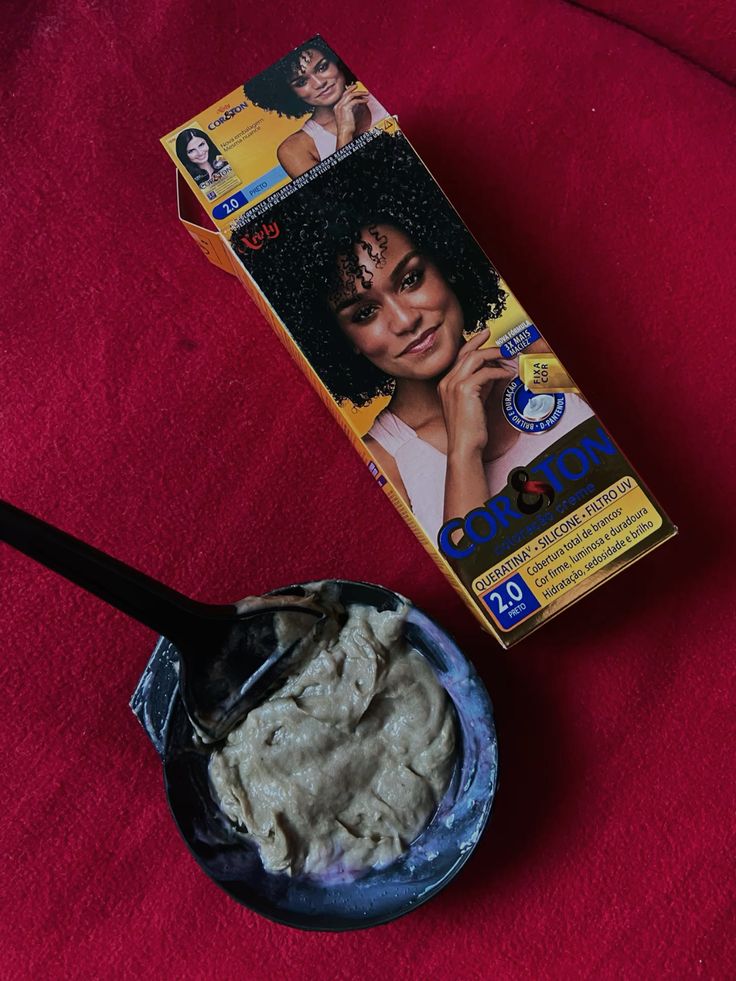
12. Applying Color to an Irritated Scalp
Coloring should not be treated as something you have to push through when your scalp is already uncomfortable.
Scratching, aggressively brushing, or using harsh products before coloring can irritate the scalp. Applying a chemical color product to an already irritated scalp may make the experience more uncomfortable and potentially worsen the irritation.
If you are dealing with persistent scalp discomfort or unusual flaking, address that issue before proceeding with another chemical service.
A healthy-looking scalp does not guarantee that there will be no reaction, but avoiding unnecessary irritation is a sensible precaution.
13. Scratching the Scalp Before a Color Service
Some people scratch their scalp when washing, detangling, or dealing with flakes. Doing this immediately before coloring can create tiny areas of irritation.
Instead of aggressively scratching, handle the scalp gently and avoid unnecessary friction.
If your scalp is uncomfortable enough that you feel the need to scratch frequently, consider postponing the service until the irritation has settled or seeking professional advice.
14. Skipping Deep Conditioning Before and After Coloring
Color-treated hair often benefits from a consistent conditioning routine.
That does not mean applying every product you own immediately after coloring. It means making moisture and conditioning part of your regular care.
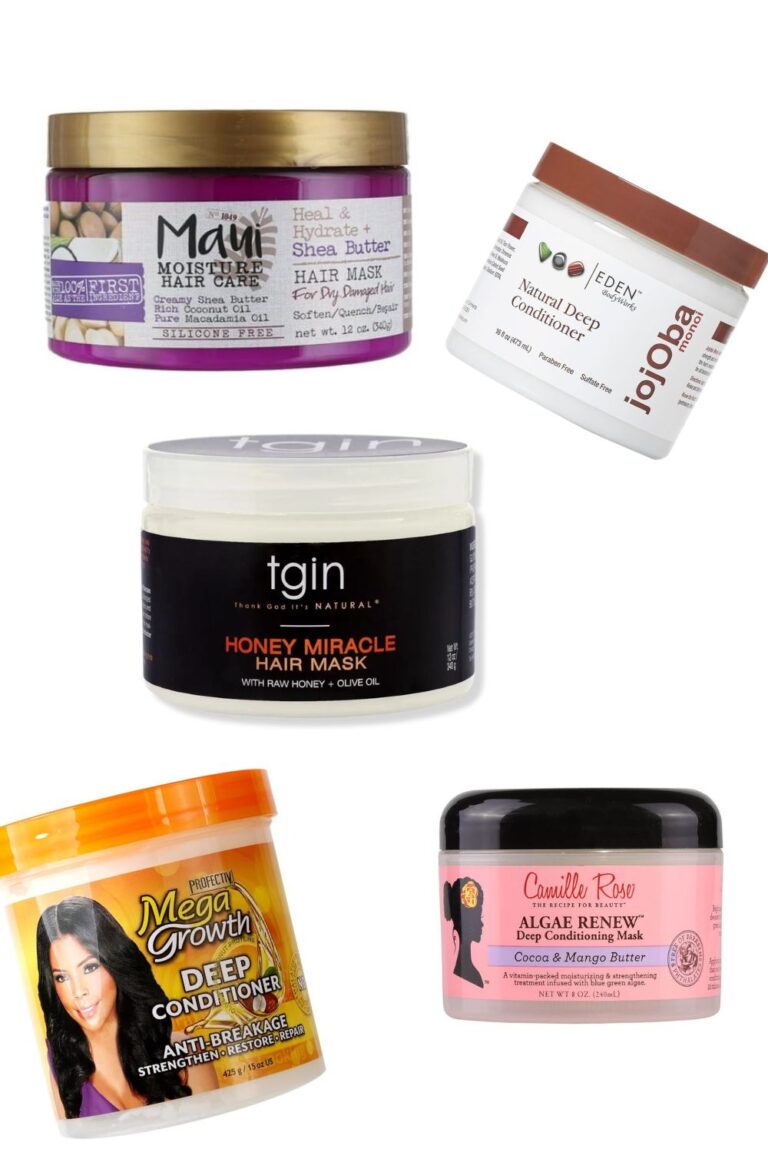
A suitable deep conditioning session for dry natural hair can help you manage the dryness that often comes with chemical processing.
After coloring, pay attention to how your hair feels rather than following a rigid routine. If your strands feel drier than usual, adjust your conditioning and moisturizing practices accordingly.
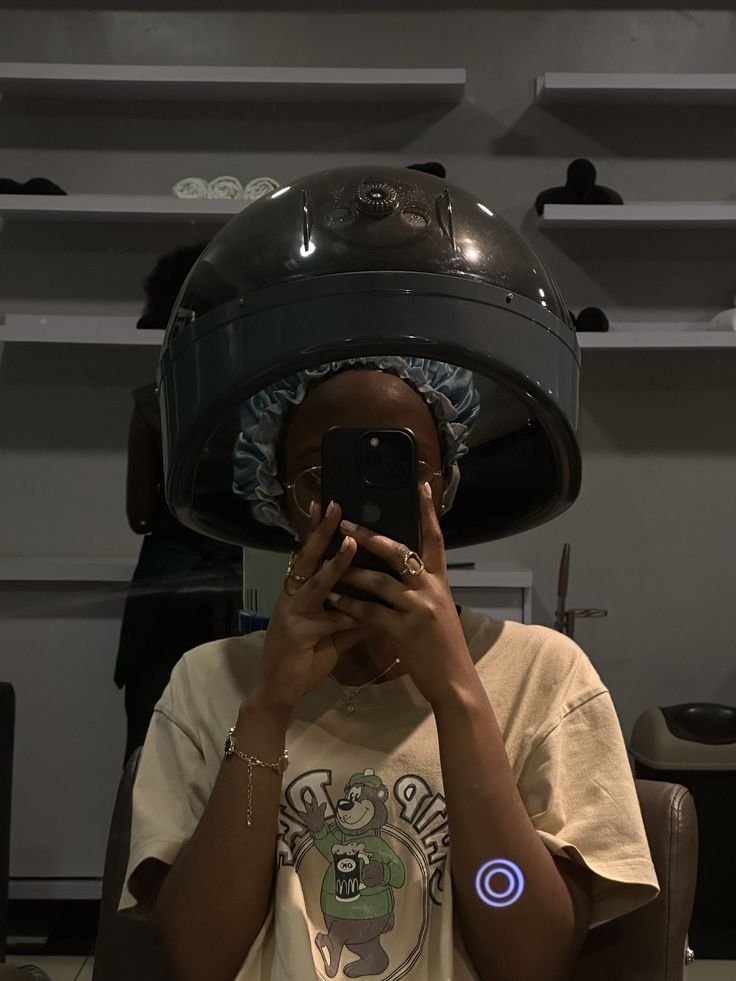
15. Using Too Much Heat on Colored Hair
Heat styling can add another source of stress to already processed hair.
Frequent blow-drying, flat ironing, and curling at high temperatures may contribute to dryness and breakage. Combining frequent heat with chemical color can make it harder for fragile strands to remain strong.
Instead, consider styling your natural hair without relying heavily on hot tools when possible.
When heat is necessary, use appropriate heat protection and avoid unnecessarily high temperatures.
16. Detangling Colored Hair Too Aggressively
Colored hair still needs regular detangling, but the way you detangle matters.
Pulling through knots aggressively can cause unnecessary mechanical damage. This becomes especially problematic when the hair is already dry or fragile from chemical processing.
Work in manageable sections and use enough slip to help the strands move past one another.
You can also revisit gentler ways to remove knots from tightly coiled hair if detangling is one of the points where you notice the most breakage.
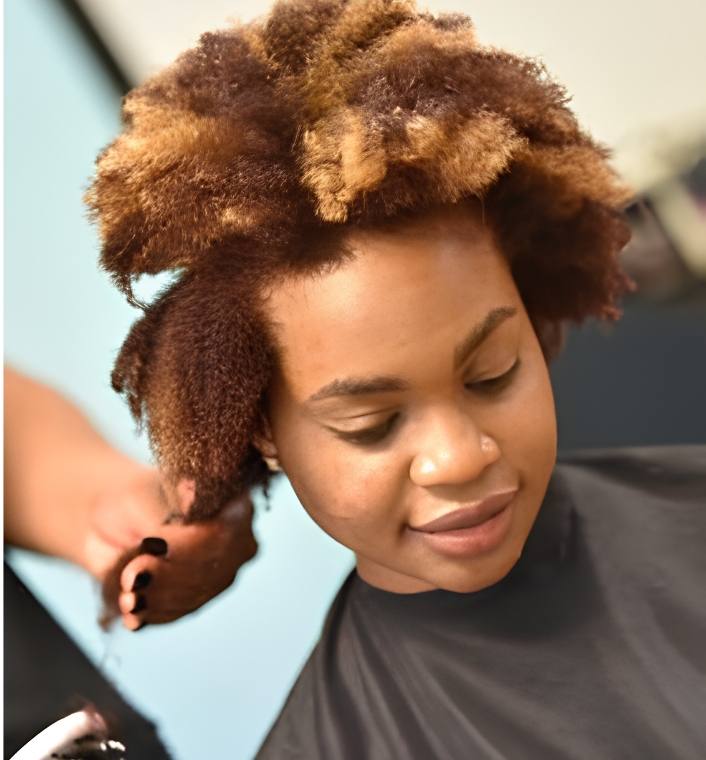
17. Neglecting Your Ends
Your ends are particularly vulnerable because they are the oldest part of the hair.
Coloring them repeatedly without paying attention to their condition can contribute to split ends and breakage.
Look for signs such as:
- Extremely thin ends
- Frequent snapping
- Rough texture
- Visible splits
- Uneven ends
- Difficulty retaining length
A consistent approach to protecting the oldest parts of your hair from unnecessary manipulation can make a noticeable difference over time.
18. Wearing Tight Styles Immediately After Coloring
A fresh color does not mean your hair needs to be left completely alone, but tight styling can create additional tension.
Very tight braids, ponytails, cornrows, or slicked-back styles can place stress on the hair and scalp.
After coloring, choose styles that allow you to move through your normal routine without pulling tightly on the strands. Low-tension ways to keep natural hair manageable can be especially useful during this period.
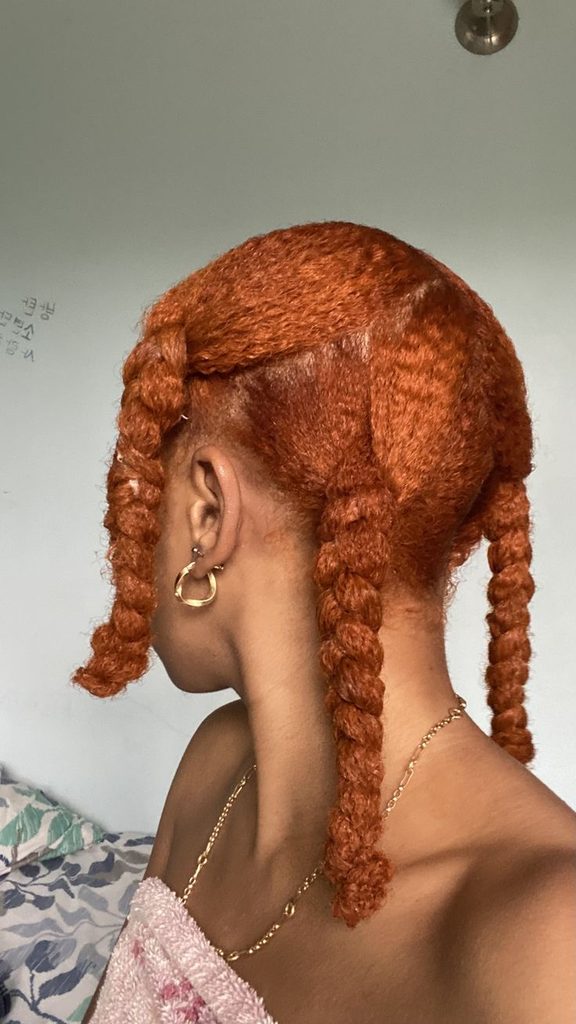
19. Forgetting About Nighttime Hair Care
Your hair can experience friction while you sleep, particularly when it rubs against cotton bedding.
Colored hair that is already dry may benefit from reducing this friction.
Using a satin or silk scarf, bonnet, or pillowcase can help reduce unnecessary rubbing and tangling. Your nighttime habits do not need to be complicated. The goal is simply to protect the hair while you are not actively styling it.
20. Ignoring Your Hair After Swimming
Chlorinated and salt water can affect the feel and condition of hair, particularly when the hair is already chemically processed.
If you swim regularly, take steps to reduce prolonged exposure and rinse your hair afterward.
Pay attention to how you prepare your hair before spending time in the pool or at the beach, especially if your strands are already dry.
21. Using Too Many Heavy Products After Coloring
It can be tempting to use several oils, creams, butters, masks, and leave-ins after coloring because the hair feels different.
More products are not automatically better.
Heavy layering can leave some hair coated, difficult to cleanse, or weighed down. Instead, build a simple routine around what your hair actually needs.
You may find that lightweight ways to add moisture without making your hair feel coated work better than applying several products at once.
22. Treating Every Breakage Problem With More Protein
Protein treatments can be useful in some routines, but adding more protein every time your hair feels weak is not necessarily the answer.
Hair that feels stiff, rough, or unusually dry may need a different approach from hair that feels overly soft and lacks structure.
Pay attention to how your hair responds rather than automatically adding another strengthening product.
A balanced routine can include conditioning, moisture, gentle handling, and appropriate strengthening when needed.
23. Neglecting Regular Trims
Coloring does not automatically mean you need frequent trims, but damaged ends should not be ignored.
If your ends are splitting or snapping repeatedly, trimming away severely damaged portions may help prevent the damage from traveling farther up the strand.
This does not mean cutting off large amounts of hair every time you color it. Instead, monitor your ends and make decisions based on their actual condition.
24. Assuming Hair Growth Means Hair Is Healthy
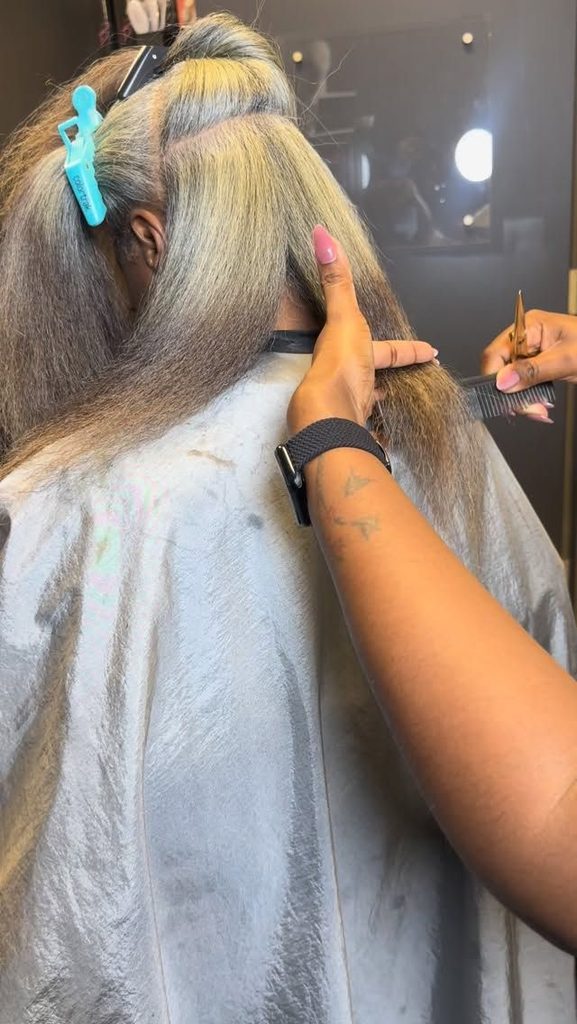
Your hair can continue growing from the scalp while the lengths become increasingly fragile.
This is why length alone is not a reliable measure of hair health.
If you notice that your hair is getting longer but the ends keep breaking, your routine may need to focus more on retention. Keeping the length you have already grown requires minimizing the daily damage that can cause strands to snap before you see meaningful progress.
25. Ignoring Changes in Hair Texture After Coloring
Colored hair may feel different from untreated hair.
It might feel drier, rougher, more porous, or less defined. That does not automatically mean something has gone wrong, but major changes deserve attention.
If your hair suddenly becomes extremely brittle, stretchy, gummy, or difficult to handle, stop adding additional chemical treatments and reassess its condition.
Do not try to cover up severe damage with another color treatment.
26. Coloring Hair at Home Without Understanding the Process
At-home coloring can work for some people, especially when making relatively simple changes with products designed for home use. However, the risk increases when you are attempting significant lightening, correcting uneven color, or working with hair that has already been chemically treated.
A professional can assess your existing color, chemical history, strand condition, and desired result before choosing a process.
This can be particularly helpful if you want to make a major transformation or if different sections of your hair have different histories.
27. Trying to Correct a Bad Color With Another Chemical Process
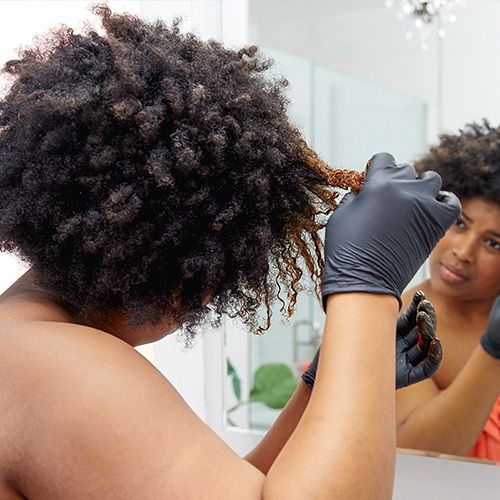
One of the most damaging hair coloring mistakes can happen after the first mistake.
You may dislike the result and immediately reach for another dye, bleach, color remover, or chemical treatment.
Before doing that, stop and assess the condition of your hair.
Changing the color repeatedly in a short period can increase the amount of stress placed on the strands. If the result is significantly different from what you expected, professional color correction may be safer than repeatedly experimenting at home.
28. Forgetting That Colored Hair Needs a Different Routine
Your natural hair routine may need some adjustments after coloring.
You may need to pay closer attention to moisture, reduce unnecessary manipulation, protect your ends, and monitor how your hair responds to products.
That does not mean you need an entirely new collection of products.
Start with the basics: gentle cleansing, effective conditioning, careful detangling, moisture, protection, and minimal unnecessary manipulation.
How to Prevent Breakage After Coloring 4C Hair
Once the color is done, the focus should shift toward maintaining the condition of the hair.
A simple routine can include:
- Wash gently without aggressively scrubbing the lengths.
- Condition consistently.
- Deep condition when your hair needs additional moisture.
- Detangle in sections.
- Limit unnecessary heat.
- Avoid tight hairstyles.
- Protect your ends.
- Reduce excessive manipulation.
- Monitor changes in texture and breakage.
- Give your hair time between chemical services.
You can also use a simple moisture routine that fits your normal wash schedule instead of constantly changing products.
If your hair becomes noticeably weaker after coloring, simplify your routine rather than adding more treatments at once.
Signs That Your Colored Hair Needs a Break
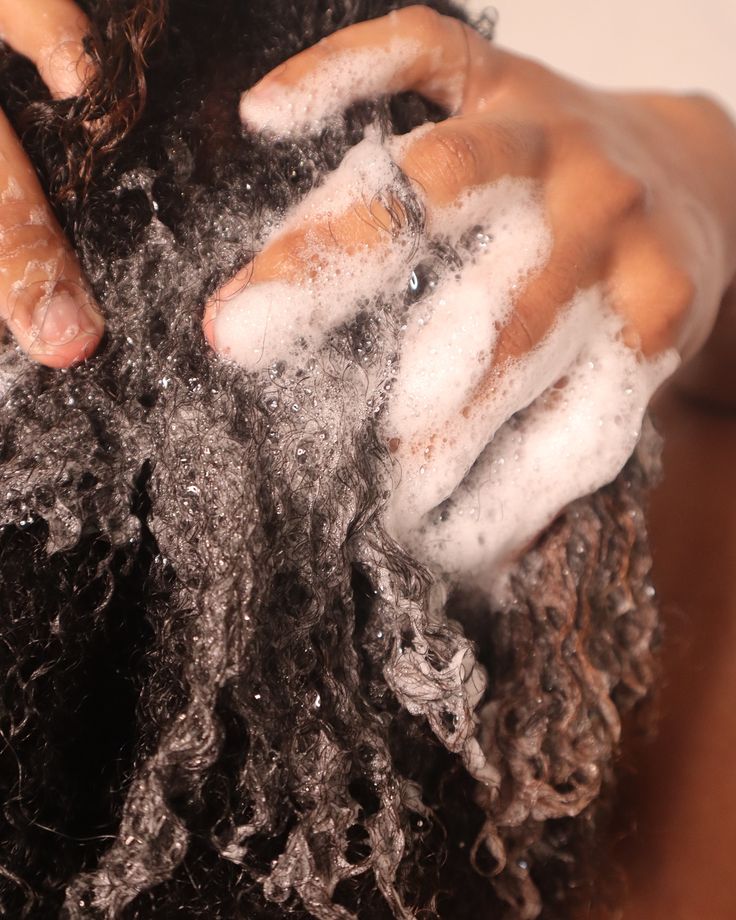
Your hair may need a break from chemical processing if you notice:
- Frequent snapping
- Severe dryness
- Rough, brittle strands
- Excessive tangling
- Thinning ends
- Increasing split ends
- Hair that feels unusually weak when wet
- Significant changes in texture
- Breakage during ordinary handling
If these problems continue, avoid adding another chemical service until you understand what is causing them.
Final Thoughts
Most coloring problems do not come from one isolated decision. They often develop when several stressful habits are combined.
Coloring already damaged hair, processing too frequently, repeatedly applying chemicals to the same lengths, using excessive heat, ignoring the condition of the ends, and handling fragile strands roughly can all contribute to breakage.
The safest approach is to treat color as one part of your overall hair routine rather than something separate from it. Before your next color appointment, look at the condition of your strands, consider their chemical history, and decide whether the desired shade is realistic for your current hair.
With thoughtful preparation and consistent aftercare, you can enjoy colored natural hair while still giving your strands the care they need to remain strong.