
How to Get Rid of an Itchy Scalp Naturally
Disclosure: Some of the links in this post are affiliate links. This means if you click on the link and purchase an item, I will receive an affiliate commission at no extra cost to you.
An itchy scalp can be uncomfortable, distracting, and frustrating, especially when it keeps coming back. A little occasional itching may happen because of dryness, sweat, product buildup, or irritation, but persistent itching can sometimes point to an underlying scalp condition that needs more than a home remedy.
For people with natural and 4C hair, scalp care can require a little extra attention. Dense hair, frequent styling, oils, gels, extensions, wigs, and long periods between wash days can all affect how easily the scalp can be cleansed and monitored.
Maintaining a healthy scalp care routine can therefore help you identify potential triggers and keep your scalp more comfortable.
The good news is that you do not necessarily need a complicated routine to care for an itchy scalp. Gentle cleansing, avoiding irritating products, keeping the scalp clean, and paying attention to your individual triggers can make a meaningful difference.
However, “naturally” does not mean that every homemade treatment is safe or effective. Some popular remedies can actually irritate the scalp further. The goal should be to use simple, gentle practices that support the scalp rather than overwhelm it.
In this guide, we’ll look at common causes of an itchy scalp, natural approaches that may help, mistakes to avoid, and situations where it is better to see a healthcare professional.
What Causes an Itchy Scalp?
Before trying to get rid of an itchy scalp, it helps to understand what might be causing it.
An itchy scalp is a symptom rather than a condition by itself. Several different factors can trigger it, and the right solution depends on the underlying cause.
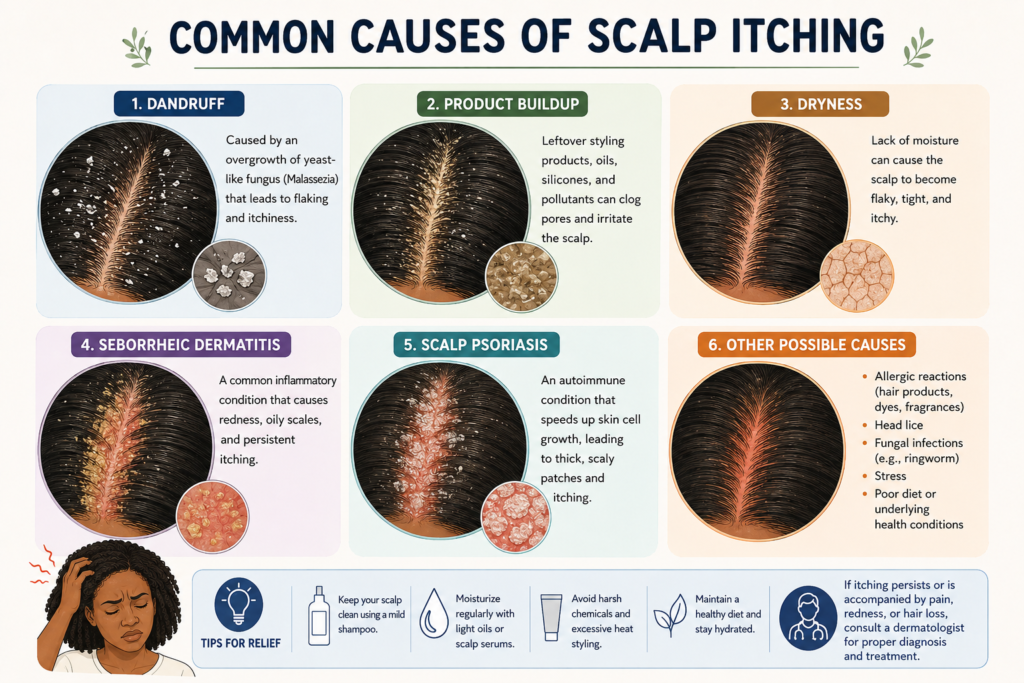
One common cause is dryness. A dry scalp may feel tight or uncomfortable and can sometimes produce small flakes. Environmental conditions, frequent washing, hot water, and irritating hair products may contribute to dryness.
Product buildup is another possibility. If you regularly use oils, gels, edge control, creams, butters, or styling products, residue can accumulate on the scalp.
Knowing how to remove product buildup from 4C hair can help when your scalp feels coated or uncomfortable after repeated styling.
Dandruff and seborrheic dermatitis can also cause itching and flaking. These conditions are not simply the result of having a “dirty” scalp and may require specific treatment.
Other possibilities include contact dermatitis caused by an irritating or allergenic ingredient, scalp psoriasis, fungal infections, folliculitis, or reactions to certain extensions, adhesives, dyes, or styling products.
If the itching is persistent, severe, or accompanied by sores, significant redness, swelling, pain, or hair loss, home remedies may not be enough.
Is a Dry Scalp the Same as Dandruff?
Not necessarily.
Dry scalp and dandruff can look similar because both may involve flakes and itching, but they can have different causes.
A dry scalp generally involves a lack of moisture in the skin and may feel tight or uncomfortable. Small, dry flakes may appear, particularly during dry weather.
Dandruff, on the other hand, is associated with increased shedding of scalp skin and can involve larger, oily-looking or white flakes. Seborrheic dermatitis can cause more noticeable scaling, redness, and irritation.
This distinction matters because adding more oil to your scalp may not solve dandruff and can sometimes make certain scalp problems more difficult to manage.
If your scalp simply feels dry, gentle cleansing and avoiding harsh products may help. You can also review how to moisturize your scalp without buildup so that you do not accidentally replace dryness with excessive product residue.
If you are experiencing persistent dandruff, however, a dandruff shampoo or professional assessment may be more appropriate than relying entirely on natural remedies.
Learn more about dandruff and dry scalp here
Tips To Get Rid Of Itchy Scalp Naturally
Start With Gentle Scalp Cleansing
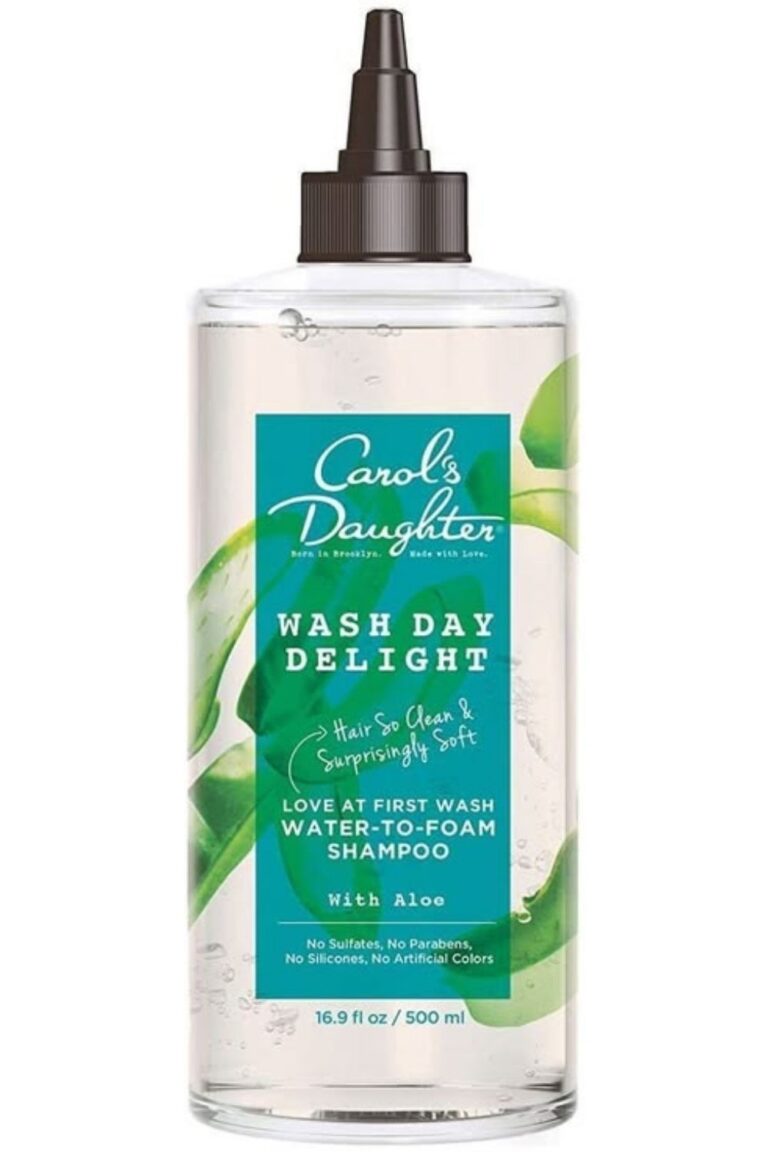
One of the simplest approaches to managing scalp itching is making sure your scalp is properly cleansed.
This does not mean scrubbing aggressively or washing your hair several times a day.
Instead, focus on gently removing sweat, excess oil, dead skin, and product residue when your scalp needs it.
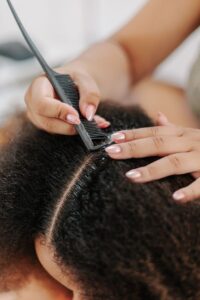
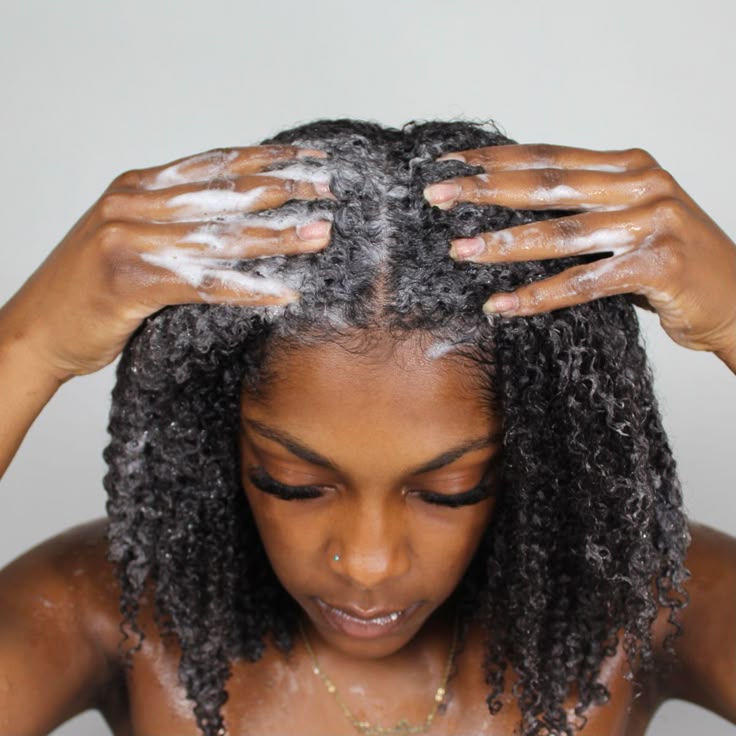
When shampooing, use the pads of your fingertips rather than your fingernails. Work the cleanser into the scalp with gentle movements, paying attention to areas where buildup tends to accumulate.
For people with dense 4C hair, dividing the hair into sections can make cleansing much easier.
Your washing frequency should also reflect your scalp rather than following a rigid schedule. If your scalp becomes sweaty or oily quickly, waiting several weeks between washes may leave you uncomfortable.
On the other hand, washing too frequently with a harsh cleanser may contribute to dryness.
Your 4C hair wash day routine should, therefore, balance effective scalp cleansing with proper conditioning for the hair itself.
Try a Cool or Lukewarm Rinse
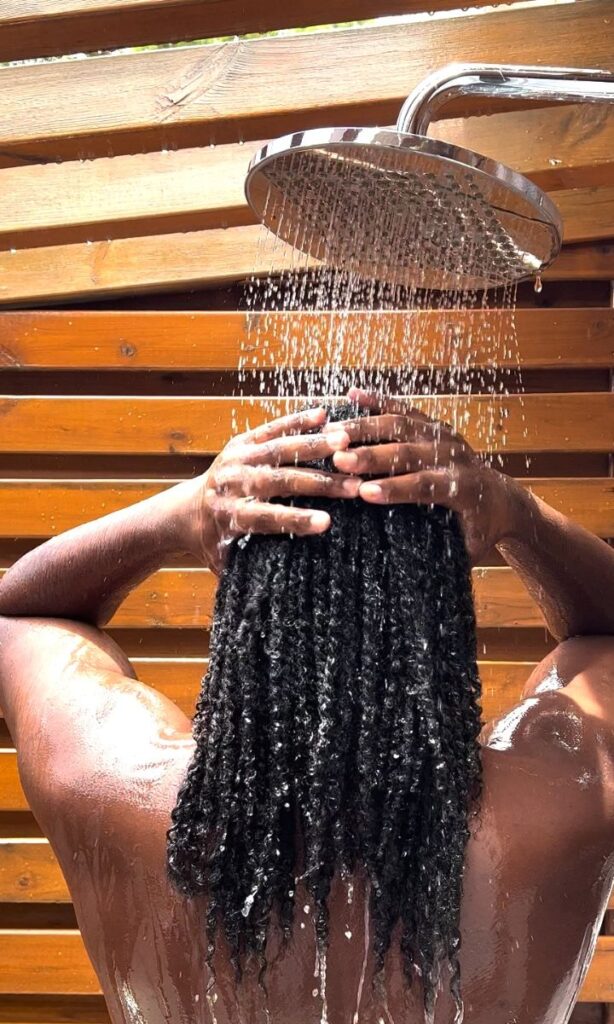
Water temperature may seem like a small detail, but extremely hot water can leave the skin feeling dry and irritated.
If your scalp already feels itchy or sensitive, try washing with lukewarm water instead.
You do not need freezing cold water either.
A comfortable lukewarm temperature is enough to cleanse your scalp without exposing it to unnecessarily hot water.
This can be particularly useful during wash day when you are already using shampoo and other cleansing products.
After rinsing, gently squeeze excess water from your hair rather than rubbing your scalp and strands aggressively with a towel.
Simple changes like these can reduce unnecessary irritation while allowing you to maintain your regular cleansing routine.
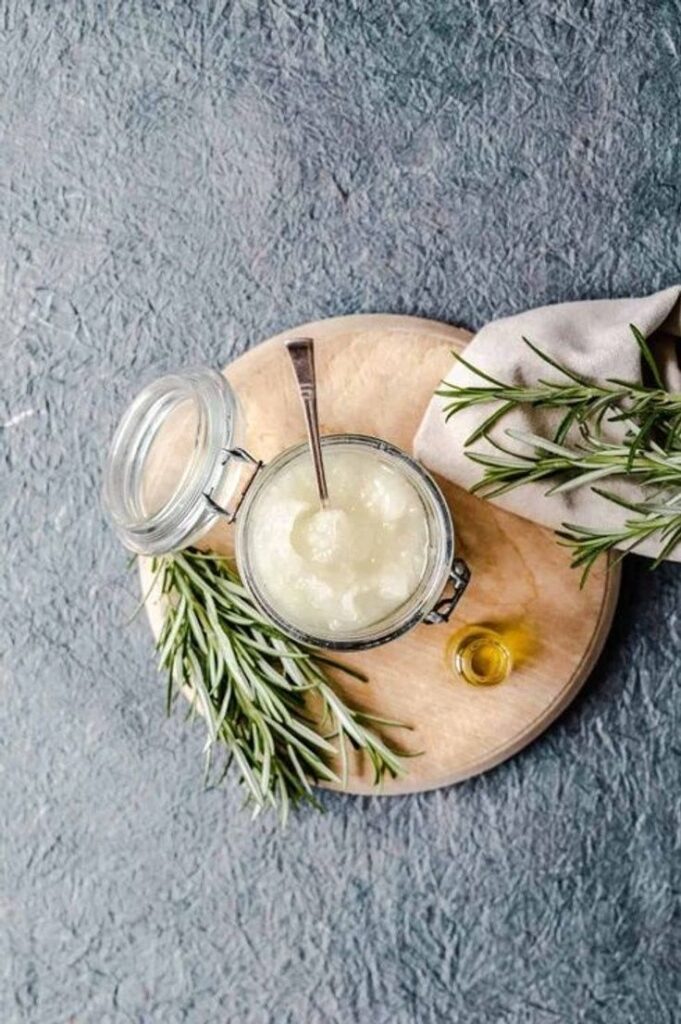
Be Careful With Essential Oils
Essential oils are frequently recommended online as natural solutions for scalp itching.
Tea tree oil, peppermint oil, rosemary oil, and other essential oils are commonly included in DIY scalp treatments.
However, “natural” does not automatically mean safe for direct application.
Essential oils are highly concentrated and can irritate the skin when used incorrectly. Applying them directly to the scalp without appropriate dilution can cause burning, redness, itching, or allergic reactions.
If you choose to use an essential oil-containing product, use a formulation intended for scalp application and follow the manufacturer’s directions.
This is especially important if your scalp is already irritated.
You should also avoid assuming that an oil will treat a medical scalp condition simply because it feels soothing.
A rosemary oil routine for natural hair can be part of some people’s hair-care practices, but it should not replace appropriate treatment for persistent scalp problems.
Avoid Scratching Your Scalp
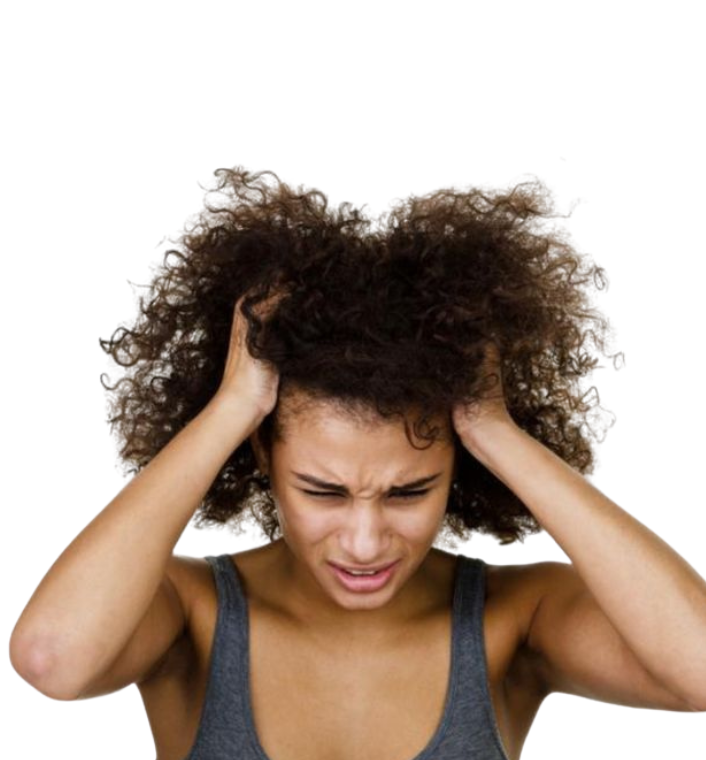
When your scalp itches, scratching can feel like the quickest way to get relief.
Unfortunately, aggressive scratching can create a cycle of irritation.
Using your nails may scratch the skin and cause tiny breaks in the surface. This can increase irritation and potentially introduce bacteria.
Instead of scratching aggressively, try gently pressing or massaging the area with your fingertips.
If the itching is persistent, however, do not rely on massage as a permanent solution. Persistent itching means you should consider what is causing the symptom.
If you notice sores, scabs, bleeding, swelling, or painful areas, stop experimenting with home remedies and seek professional advice.
Check Your Hair Products
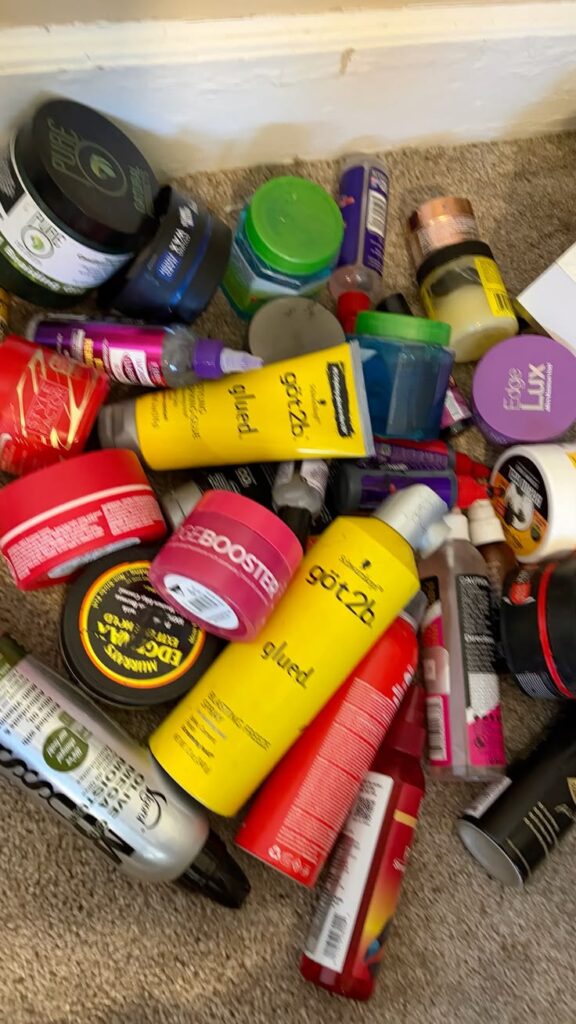
Sometimes the product you are using to solve a hair problem may actually be contributing to your scalp irritation.
Fragrances, preservatives, essential oils, dyes, adhesives, and other ingredients can cause irritation or allergic reactions in some people.
If your scalp starts itching shortly after introducing a new shampoo, conditioner, gel, oil, dye, braid extension, or styling product, consider whether the new product could be responsible.
Do not keep applying the same product simply because it is marketed as natural or designed for textured hair.
Keeping your routine simple can make it easier to identify potential triggers.
This is one reason ingredients to avoid in hair products for 4C hair can be useful when evaluating what you apply regularly, particularly if your scalp is sensitive.
If you experience swelling, severe irritation, difficulty breathing, or other signs of a serious allergic reaction after using a product, seek urgent medical care.
Don’t Overload Your Scalp With Oil
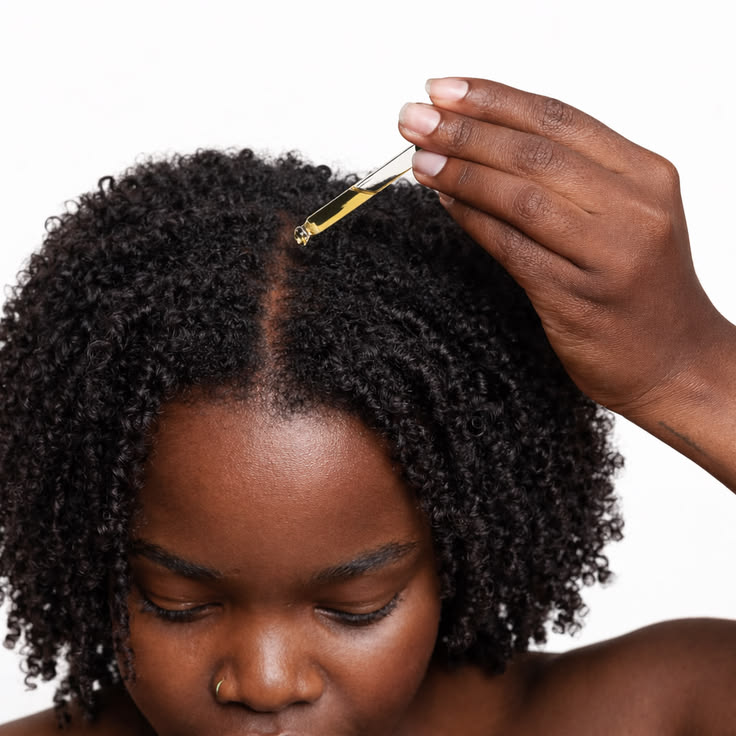
Oiling the scalp is deeply rooted in many natural-hair routines, but it is not automatically necessary.
If your scalp is itchy, adding more and more oil may actually make it harder to determine what is happening.
Heavy layers of oil can combine with styling products, sweat, and dead skin cells, creating additional residue.
If you use scalp oils, apply them sparingly and monitor how your scalp responds.
You also do not need to oil your scalp every day simply because you have natural hair.
Your scalp produces its own sebum, and the appropriate amount of additional oil varies from person to person.
For people who use oils frequently, learning how to use hair oils without causing buildup can help create a more balanced routine.
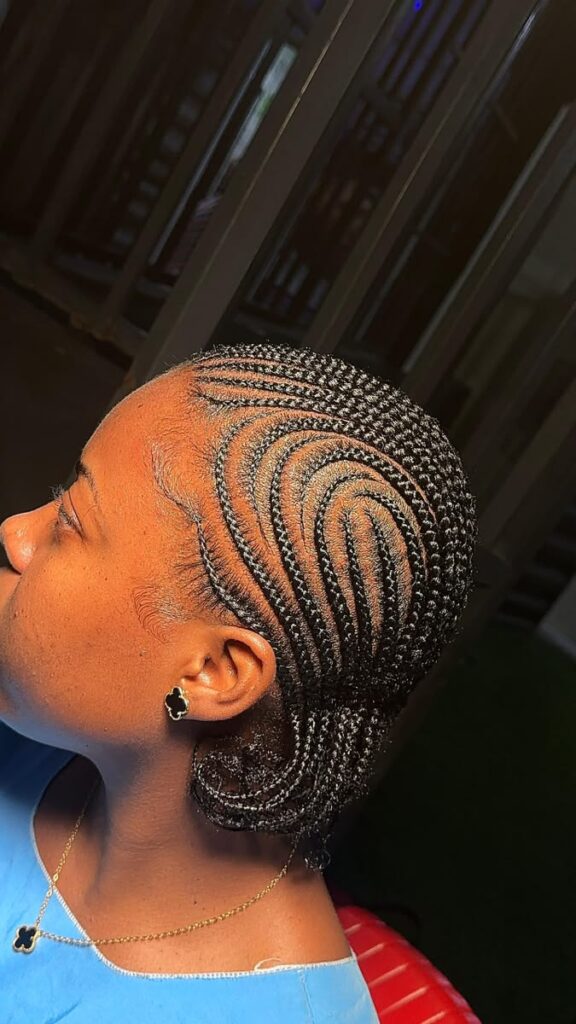
Keep Your Scalp Clean Under Protective Styles
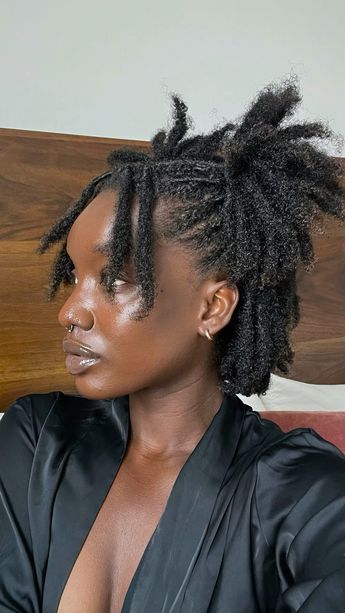
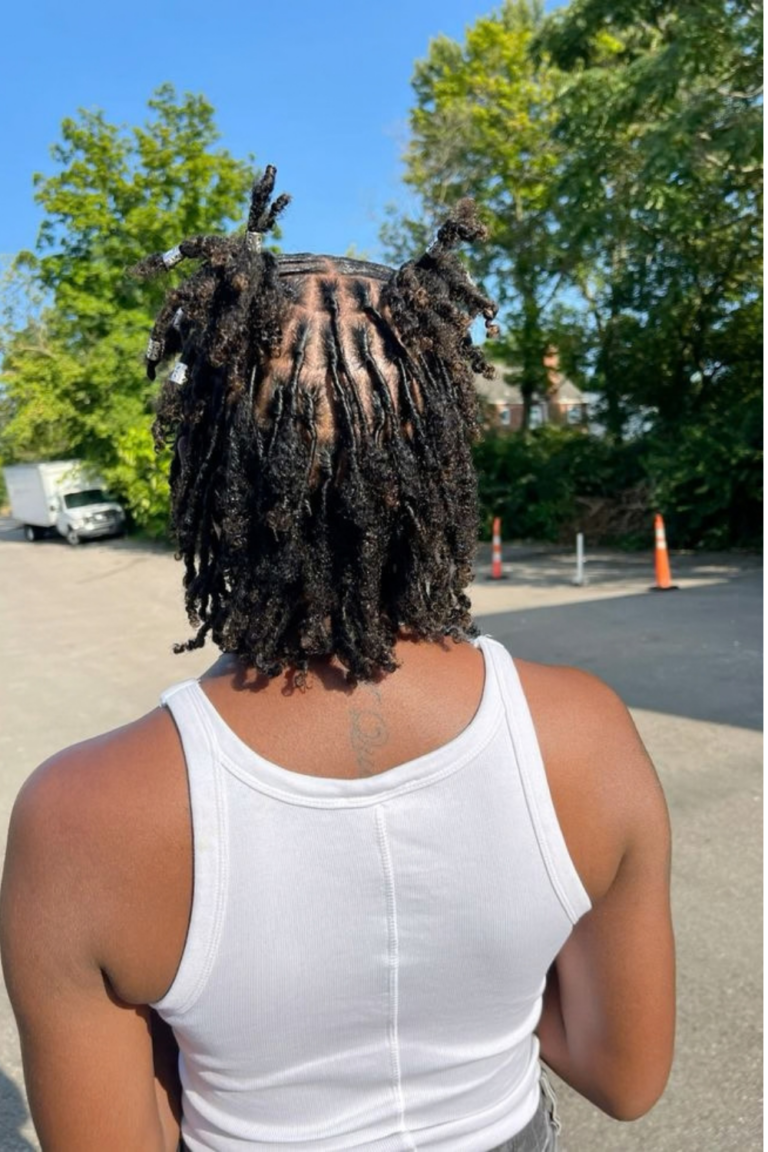
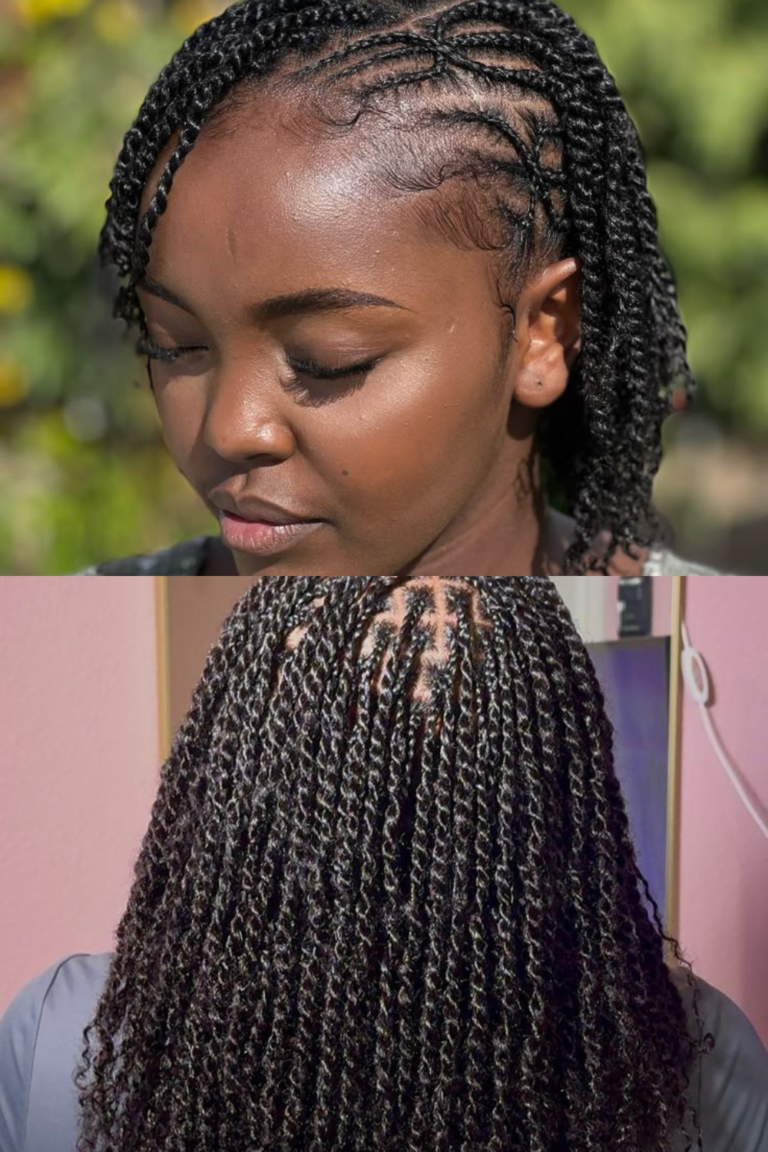
Braids, twists, wigs, locs, and other long-lasting hairstyles can make scalp care more challenging.
Although these styles can reduce daily manipulation, they do not mean your scalp should be ignored until takedown day.
Sweat, oil, and styling products can still accumulate underneath the style.
If your scalp becomes itchy shortly after installing a protective style, pay attention to the timing. The cause could be sweat, buildup, tension, an extension material, or a product used during installation.
Your protective hairstyles for 4C hair should be comfortable rather than painful or excessively tight.
If your scalp hurts, burns, develops bumps, or becomes severely irritated after installation, do not assume that you simply need to “get used to it.”
The style may need to be loosened or removed.
Pay Attention to Sweat and Exercise
Sweating is normal, but sweat can leave your scalp feeling uncomfortable, especially when combined with styling products.
If you exercise regularly, consider how your scalp feels after workouts.
You may need to cleanse more frequently than someone who rarely sweats.
This does not necessarily mean shampooing your entire hair every day. Depending on your hairstyle and scalp needs, you may be able to adjust your cleansing routine while keeping your strands conditioned.
Allowing sweat to remain trapped underneath wigs, scarves, or tightly covered hairstyles for extended periods may also make your scalp feel less comfortable.
After exercising, give your scalp an opportunity to dry and breathe before covering it again.

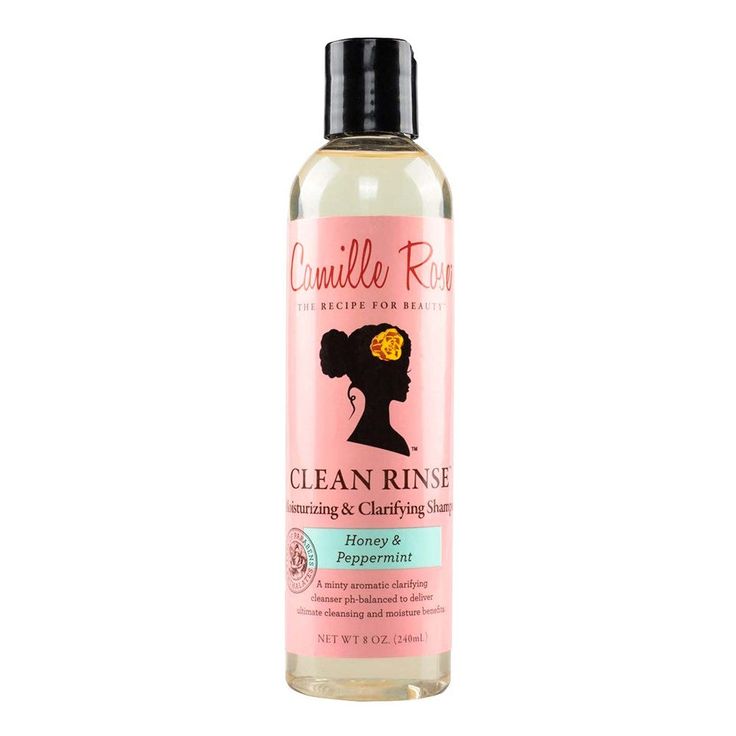
Consider a Clarifying Wash When There Is Buildup
If your scalp feels coated, greasy, or unusually heavy despite regular shampooing, product buildup may be contributing to the problem.
This is particularly common when your routine includes several styling products.
A clarifying shampoo can provide a deeper cleanse than your regular shampoo and may help remove accumulated residue.
However, clarifying does not need to happen every wash day.
Over-clarifying can leave the hair feeling dry, particularly if your strands are already prone to moisture loss.
After using a clarifying shampoo, follow with a suitable conditioner or deep-conditioning treatment.
If you frequently use gels, creams, oils, and edge products, knowing how to prevent product buildup on natural hair can help you reduce the need for frequent intensive cleansing.
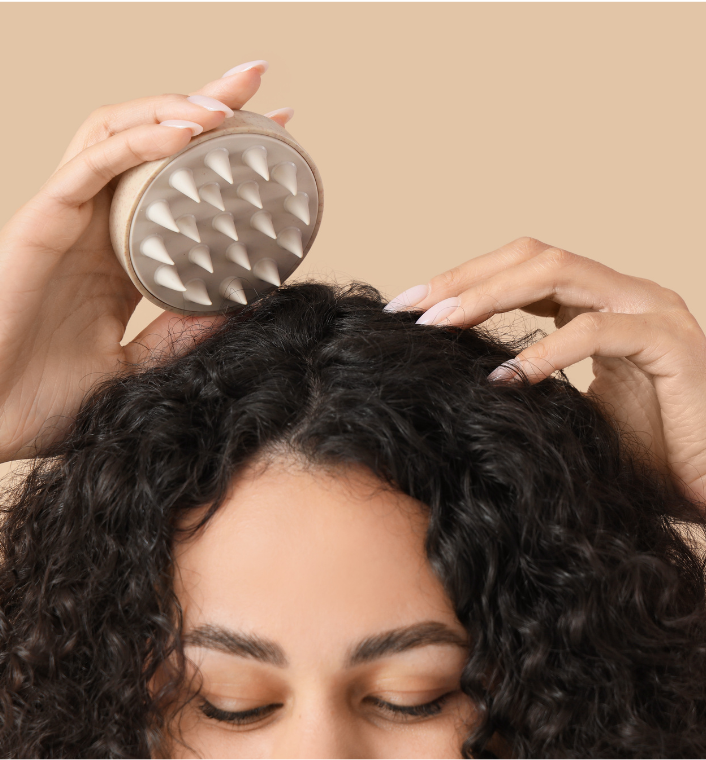
Use Gentle Scalp Massage
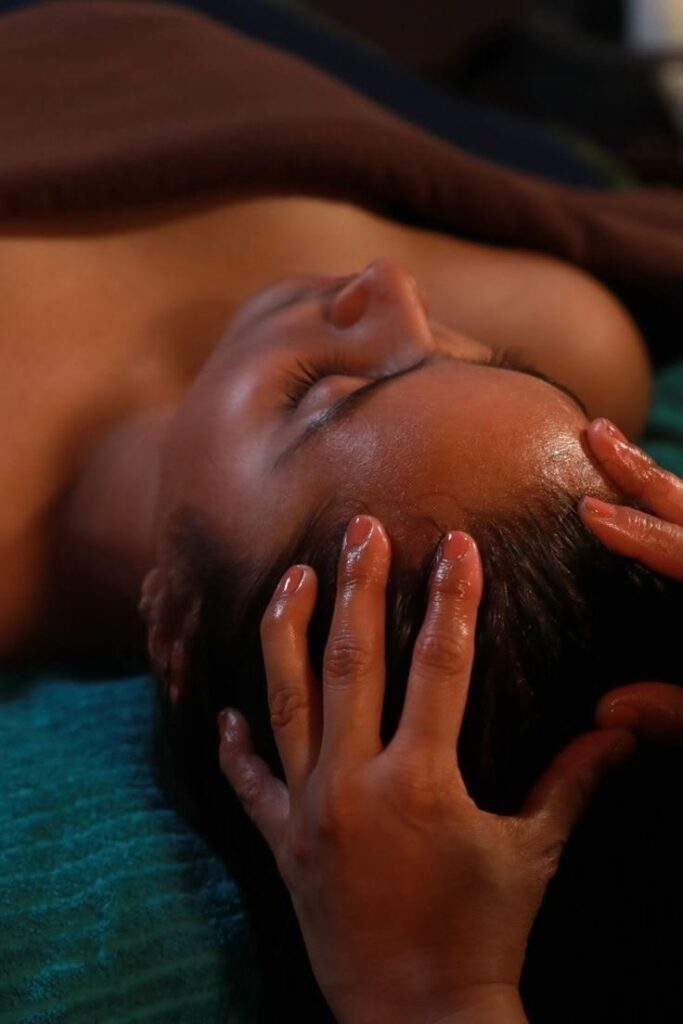
Gentle scalp massage can be a simple addition to your routine.
Using the pads of your fingers, massage your scalp with light circular movements while shampooing or applying an appropriate scalp product.
The purpose should be gentle stimulation and product distribution rather than aggressive scrubbing.
Avoid using your nails or applying enough pressure to make the scalp sore.
A massage can also help you notice changes in your scalp, such as tender areas, bumps, unusual flaking, or excessive buildup.
However, scalp massage should not be presented as a guaranteed cure for itching or a replacement for medical treatment.
If your scalp continues to itch despite gentle care, investigate the cause instead.
Natural Remedies You Should Approach Carefully
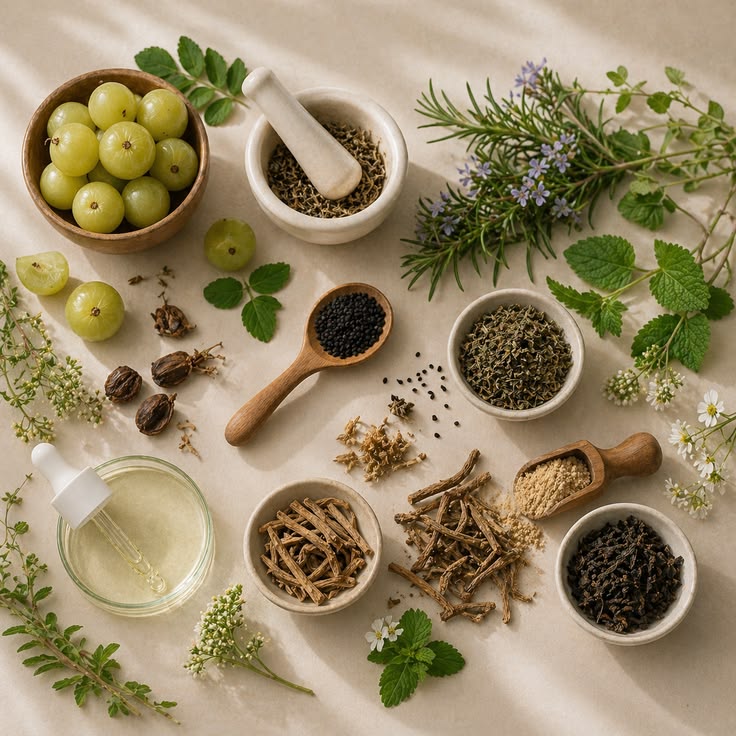
The internet is filled with DIY recipes for itchy scalps.
Apple cider vinegar rinses, baking soda, lemon juice, undiluted essential oils, onion juice, and various herbal mixtures are frequently recommended.
Some people may report positive experiences with these ingredients, but personal testimonials do not establish that a remedy is safe or effective for everyone.
Some acidic or alkaline ingredients can irritate the scalp or disrupt the skin barrier when used improperly.
Baking soda, for example, is not necessary for routine scalp cleansing and may be too harsh for some people.
Lemon juice can also irritate the skin, particularly when exposed to sunlight.
If you prefer plant-based hair care, choosing a commercially formulated product with appropriate instructions is often safer than experimenting with concentrated ingredients from your kitchen.
The goal of natural scalp care should be gentle scalp care for natural hair, not using as many DIY ingredients as possible.
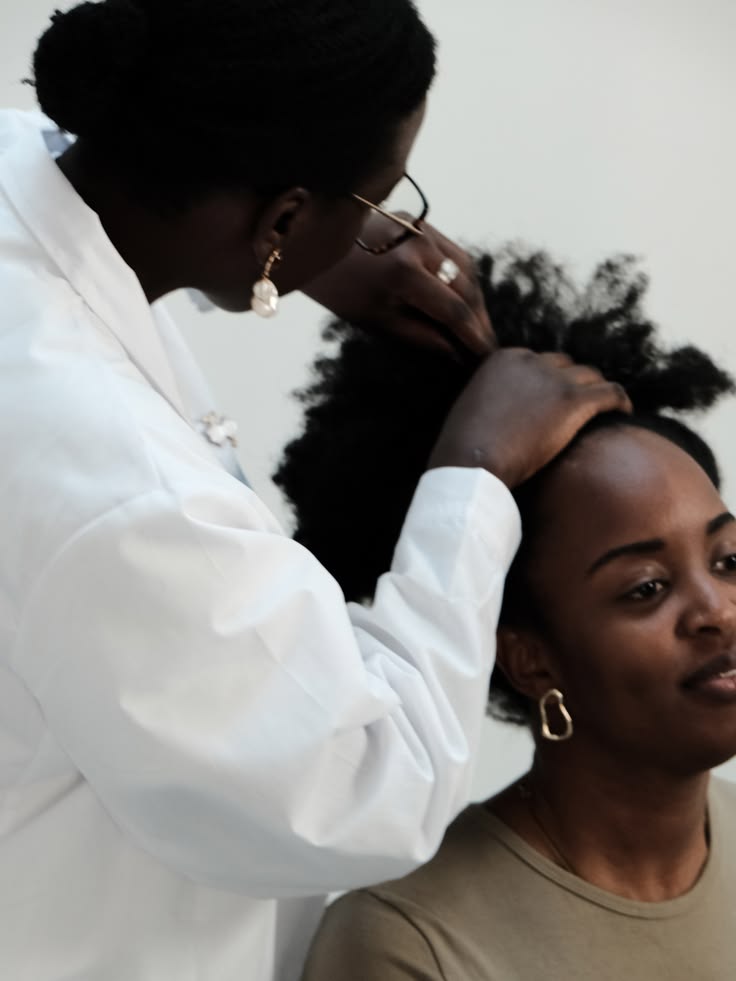
When an Itchy Scalp Needs Medical Attention
Not every itchy scalp can or should be treated at home.
You should consider seeing a dermatologist or qualified healthcare professional if the itching is persistent, severe, or repeatedly returns despite improving your hair-care routine.
Professional assessment is particularly important if you notice:
- Significant redness or swelling
- Open sores
- Bleeding
- Pus or drainage
- Painful bumps
- Thick or persistent scaling
- Sudden or significant hair loss
- Bald patches
- A spreading rash
- Severe irritation after using a hair product
Some scalp conditions require medicated shampoos, topical treatments, antifungal medication, or other targeted care.
Trying multiple DIY remedies at the same time can make matters worse and can also make it difficult to identify what caused an allergic or irritating reaction.
If your symptoms are persistent, getting an accurate diagnosis is more useful than continuously switching between home remedies.
How to Prevent an Itchy Scalp From Coming Back
Once you identify what triggers your itching, prevention becomes easier.
Keep your scalp clean according to your individual needs.
Avoid piling several heavy products onto your scalp at once.
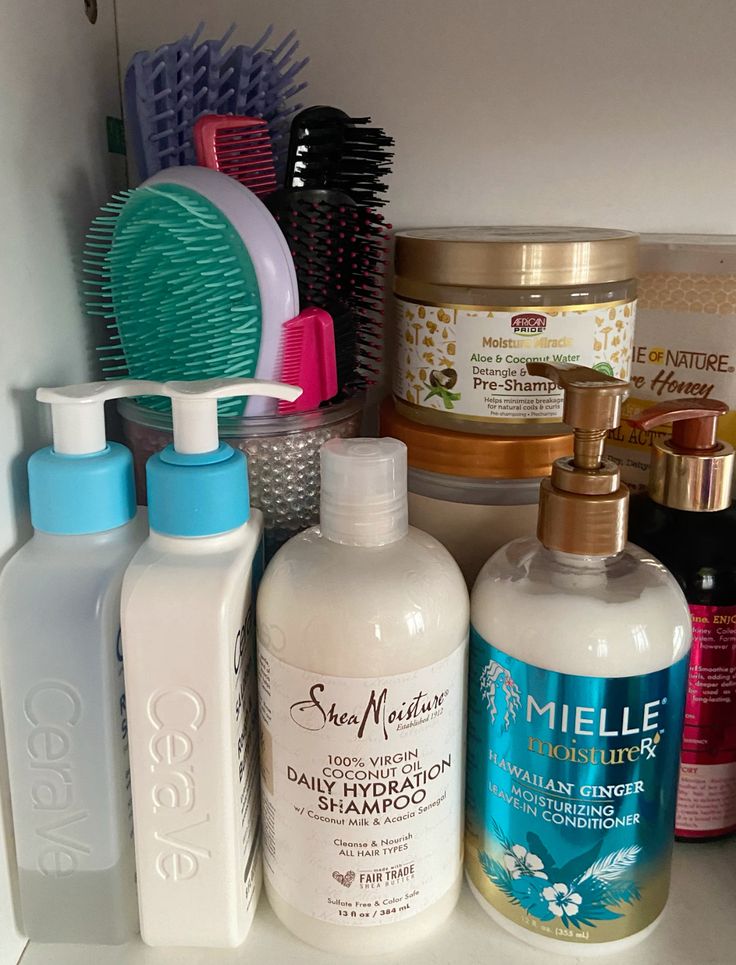
Clean brushes, combs, bonnets, scarves, wig caps, and other accessories regularly.
Be cautious when introducing new products, particularly if your scalp is sensitive.
Avoid hairstyles that cause excessive tension.
Give your scalp appropriate breaks from long-lasting styles when necessary.
If you notice that a particular product consistently causes itching, stop using it rather than trying to mask the reaction with another product.
Your overall routine should also support the condition of your strands. Combining how to retain moisture in 4C hair with sensible scalp care can help you avoid the cycle of over-cleansing your hair whenever your scalp needs attention.
Remember that preventing irritation is often easier than trying to calm an already irritated scalp.
Final Thoughts
Learning how to get rid of an itchy scalp naturally starts with identifying what may be causing the irritation.
Dryness, product buildup, sweat, irritating ingredients, dandruff, and certain scalp conditions can all produce itching, but they do not necessarily require the same solution.
Start with the basics: cleanse your scalp gently, avoid excessive scratching, be cautious with oils and essential oils, keep your hair accessories clean, and pay attention to how your scalp responds to new products.
If you wear protective styles, make sure they are comfortable and do not create excessive tension or prevent you from caring for your scalp properly.
Most importantly, do not assume that every itchy scalp can be solved with a DIY treatment. Persistent itching, painful bumps, sores, significant flaking, or unexplained hair loss deserves professional attention.
A simple, consistent approach is usually more useful than constantly adding new products. When you understand your scalp’s needs and respond to them appropriately, you can build a routine that supports both scalp comfort and healthier-looking natural hair.