
The Best Daily Hair Care Routine for 4C Hair (Step-by-Step Guide)
Disclosure: Some of the links in this post are affiliate links. This means if you click on the link and purchase an item, I will receive an affiliate commission at no extra cost to you.
If you’ve ever caught yourself staring at your hair in the mirror thinking, ‘What am I supposed to do with it today?’ you’re definitely not alone.
One day your hair feels soft, moisturized, and easy to manage. The next day, it feels dry, tangled, or refuses to cooperate no matter what you do. After scrolling through social media, the confusion only gets worse. One creator says to moisturize every day, another says leave your hair alone, and someone else insists you need five different products before leaving the house.
It’s enough to make anyone feel overwhelmed.
The truth is, healthy 4C hair isn’t built by following every trend you see online. It’s built through simple, consistent habits that work for your hair.
A good daily hair care routine for 4c hair shouldn’t feel like another full-time job. It should fit into your lifestyle, protect your hair between wash days, and make caring for your curls feel less stressful.
If you’re still learning about your texture, understanding what makes 4C hair different from other curl patterns will make the advice in this guide much easier to apply. And if you’re just starting your natural hair journey, building a strong foundation before chasing complicated routines will save you plenty of frustration later on.
By the end of this guide, you’ll know exactly what deserves your attention every day, what you can stop worrying about, and how to build a routine that keeps your hair healthy without spending hours in front of the mirror.
Why Your Everyday Habits Matter More Than Wash Day
Wash day usually gets all the attention.
People spend hours shampooing, deep conditioning, detangling, and styling their hair. Then, once everything looks great, they don’t think much about it again until the next wash day.
That’s a bit like servicing your car once a month but ignoring it every other day. The maintenance between those big moments is what helps everything keep running smoothly.
Your daily hair care routine is that in-between maintenance.
It helps you notice when your hair needs moisture, prevents small tangles from turning into stubborn knots, and reduces the kind of everyday damage that often leads to breakage.
Here’s something many people don’t realize: your hair doesn’t need major attention every day. What it needs is for you to pay attention.
Some mornings, your hair may not need anything at all. Other days, it might need a little moisture or a quick refresh. Learning to recognize the difference is one of the best skills you can develop.
If you’ve ever wondered why someone else’s hair seems to stay moisturized for days while yours doesn’t, there’s usually more going on than products alone. Things like your hair’s porosity, your environment, and even your styling habits all play a part.
Quick Tip
A routine should work with your lifestyle, not against it. If it feels exhausting to maintain, it’s probably more complicated than it needs to be.

6 Best Daily Hair Care Routines To Follow
1. Check Your Hair Before You Reach for Products
Before you spray water, apply leave-in conditioner, or smooth oil over your hair, pause for a moment.
How does your hair actually feel?
This simple habit takes less than a minute, but it can save you from using products your hair doesn’t need.
Gently touch your hair.
Does it still feel soft from yesterday?
Are the ends starting to feel rough?
Does your scalp feel comfortable, or is it itchy?
Is your hairstyle still neat enough to last another day?
These small observations tell you far more than following the exact same routine every morning.

One mistake many people make is assuming a daily hair care routine for 4C hair means adding products every single day.
It doesn’t.
Some days, the healthiest thing you can do is leave your hair exactly as it is.
Do You Need to Moisturize Every Morning?
Not necessarily.
If your hair still feels hydrated and your style looks good, you may not need to add anything at all.
On the other hand, if your hair feels dry, stiff, or starts tangling more easily than usual, it’s probably asking for moisture.
The goal isn’t to follow the clock.
The goal is to respond to your hair.
2. Moisturize Your Hair (But Don’t Do It Out Of Habit)
One of the biggest myths about natural hair is that you have to moisturize it every single day.
That’s not always true.
Your hair doesn’t wake up every morning needing the exact same thing. Some days it may feel soft and hydrated, while on other days it might be crying out for moisture because of the weather, how you styled it, or even where you slept the night before.
That’s why it’s important to stop following the calendar and start paying attention to your hair.
If your strands still feel soft, flexible, and easy to handle, you may not need to add anything at all. But if they feel rough, stiff, or begin tangling more than usual, that’s your cue to give them a little extra care.
Think of it like watering a houseplant. You wouldn’t pour water into the pot every single day without first checking the soil. Hair works in a similar way. Giving it what it needs is far more effective than giving it the same thing every day.
How Can You Tell Your Hair Needs Moisture?
You don’t need special tools or years of experience to figure this out.
Start by paying attention to how your hair behaves.
Here are a few common signs that it’s time to refresh your hair:
- It feels rough instead of soft.
- Your ends catch on each other when separating sections.
- Your hair looks dull instead of having its usual healthy appearance.
- It becomes harder to style than it was the previous day.
- You notice more knots than usual.
These little changes are your hair’s way of communicating with you.
The more often you check in with it, the easier it becomes to understand what it needs.
Did You Know?
Your hair can feel dry without actually being damaged. Dryness is often temporary, while damage usually requires more intentional repair.
Common Moisturizing Mistakes
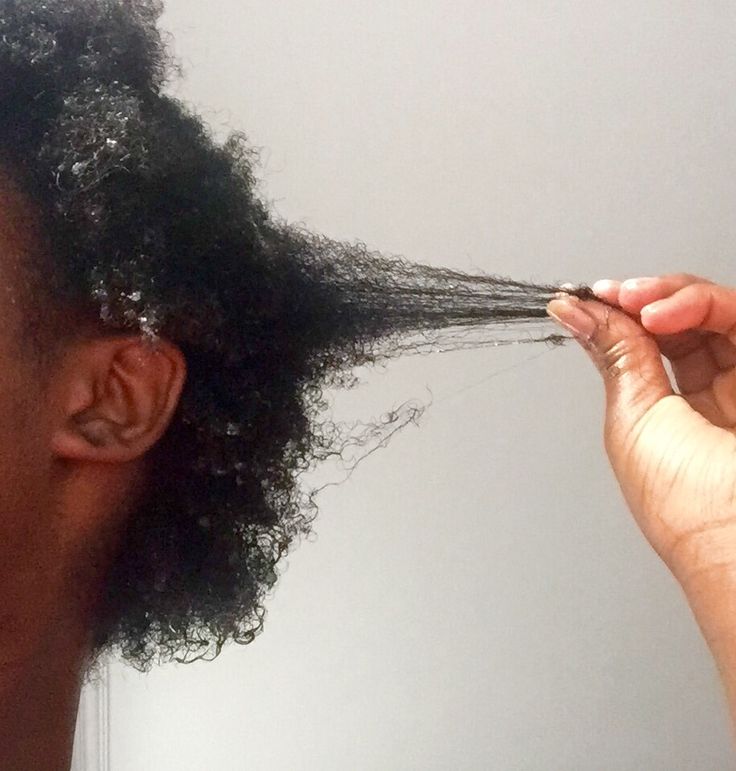
One mistake many people make is applying oil to dry hair and expecting it to become moisturized.
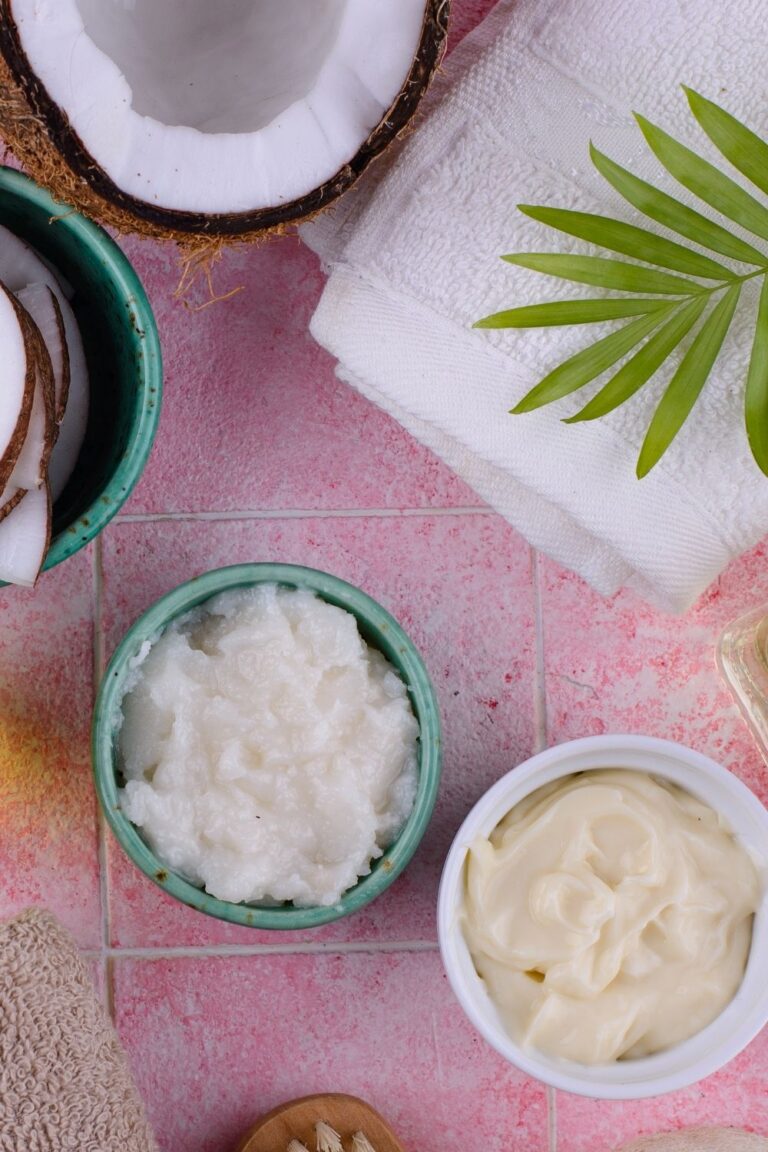
Oil is excellent for helping lock moisture into your hair, but it doesn’t replace moisture itself.
That’s why you’ll often hear people say, “Water is moisture.”
In most cases, lightly dampening your hair before applying a leave-in conditioner gives much better results than layering oil onto completely dry strands.
Another common mistake is using far more product than your hair actually needs.
If your hair still feels coated with yesterday’s products, adding more today may simply create buildup. Over time, that buildup can make your hair feel heavy and even prevent moisture from reaching your strands effectively.
If you’ve ever wondered why your hair seems to dry out no matter how many products you use, understanding the real reason some hair struggles to hold onto moisture can completely change your routine.
3. Stop Touching Your Hair So Much
Let’s be honest.
Most of us don’t realize how often we touch our hair.
You refresh your puff before leaving the house.
You adjust the front after looking in a mirror.
Someone compliments your hair, so you instinctively reach up and touch it.
Later, you pull apart a few curls because you want more volume.
By the end of the day, you’ve handled your hair several times without even noticing.
Each touch might seem harmless, but over weeks and months, all that extra manipulation can contribute to breakage, especially around the ends, which are already the oldest and most fragile part of your hair.

One of the kindest things you can do for your hair is simply let it be.
That doesn’t mean ignoring it. It means resisting the urge to keep restyling, pulling, fluffing, and redoing it throughout the day.
Hairstyles That Make Daily Care Easier
You don’t need an elaborate hairstyle every morning.
In fact, some of the healthiest styles are also the simplest.
Styles like:
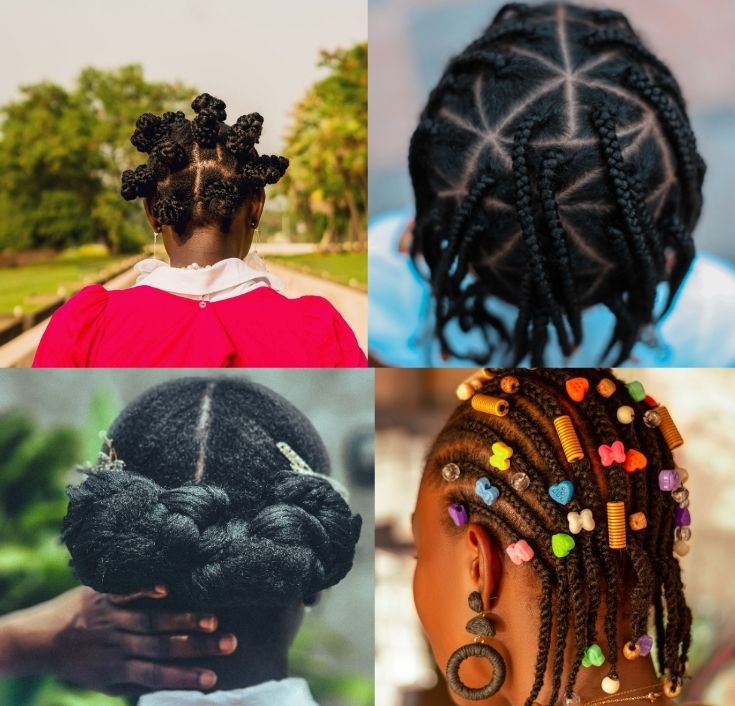
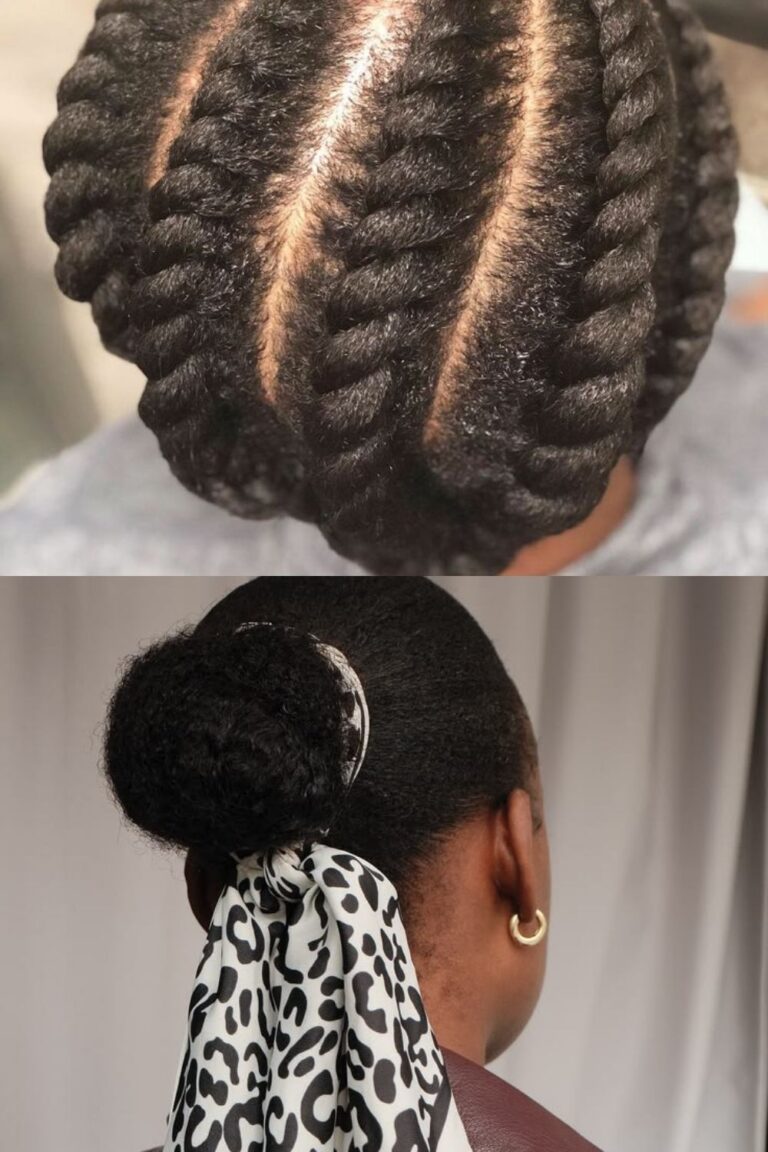
- A neat puff
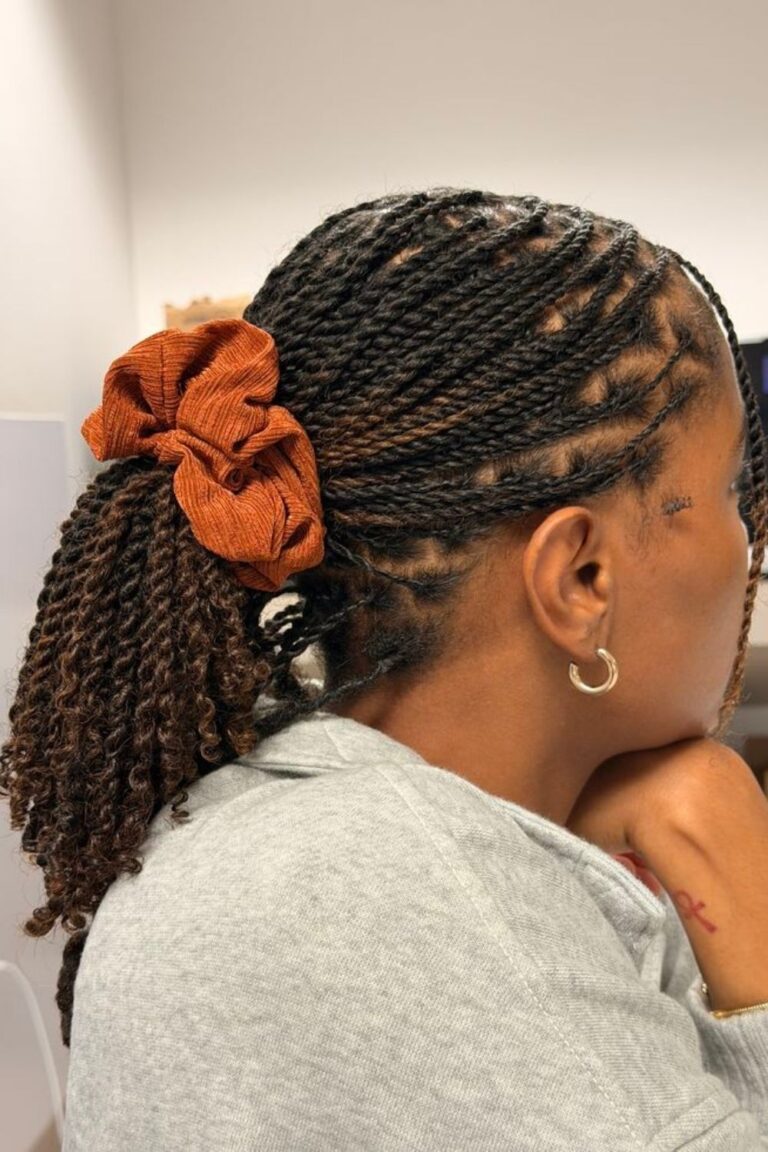
- Loose chunky twists
- Flat twists
- A low bun
- Two-strand twists
- Mini braids
allow you to look put together while giving your strands a break from constant handling.
If you’re looking for inspiration, you’ll love exploring protective styles that help reduce everyday breakage or finding easy hairstyles you can do in just a few minutes before heading out.

Small Habits That Secretly Cause Breakage
Breakage doesn’t always happen because you’re using the wrong products.
Sometimes it’s the little things you do without thinking.
For example:
- Pulling your hair tie too tightly.
- Constantly scratching your scalp with your nails.
- Twirling your ends while reading or watching TV.
- Taking down and redoing your puff several times a day.
- Sleeping without protecting your hair because you’re “too tired just this once.”
None of these habits seem like a big deal on their own.
But together, they can make it much harder to retain the length your hair is already growing.
Quick Tip
If your hairstyle still looks good, resist the temptation to “fix” it. Sometimes the healthiest thing you can do is leave it alone.
4. Protect Your Hair Throughout the Day
Your morning routine doesn’t stop once you walk out the door.
What happens to your hair during the day can have just as much impact as the products you apply in the morning.
Think about everything your hair comes into contact with in a typical day.
The headrest in your car, the hood of your sweatshirt, the back of your office chair, the gym, the weather.
Even something as simple as repeatedly putting on and taking off headphones can create friction around your hairline.
None of these things are major problems on their own. But over time, they can contribute to dryness, frizz, and unnecessary breakage.
The goal isn’t to avoid living your life. It’s to be aware of the little habits that quietly affect your hair.

Adjust Your Routine To Match the Weather
Your hair doesn’t experience every season the same way.
On a hot, sunny day, your strands may lose moisture more quickly than usual.
During Harmattan or colder months, dry air can leave your hair feeling brittle if you don’t make small adjustments.
Rainy weather brings its own challenge. Humidity can cause frizz and make some styles lose definition faster than expected.
Instead of fighting the weather, learn to work with it.
For example:
- On windy days, wear styles that keep your ends tucked away.
- During dry seasons, you may need to refresh your moisture a little more often.
- On rainy days, choose styles that won’t need constant fixing if they become slightly frizzy.
As the seasons change, so should your routine. That’s why many naturals find it helpful to make small adjustments instead of using the exact same routine all year.
Did You Know?
Your hair isn’t “misbehaving” because the weather changed. It’s simply responding to a different environment, just like your skin does.
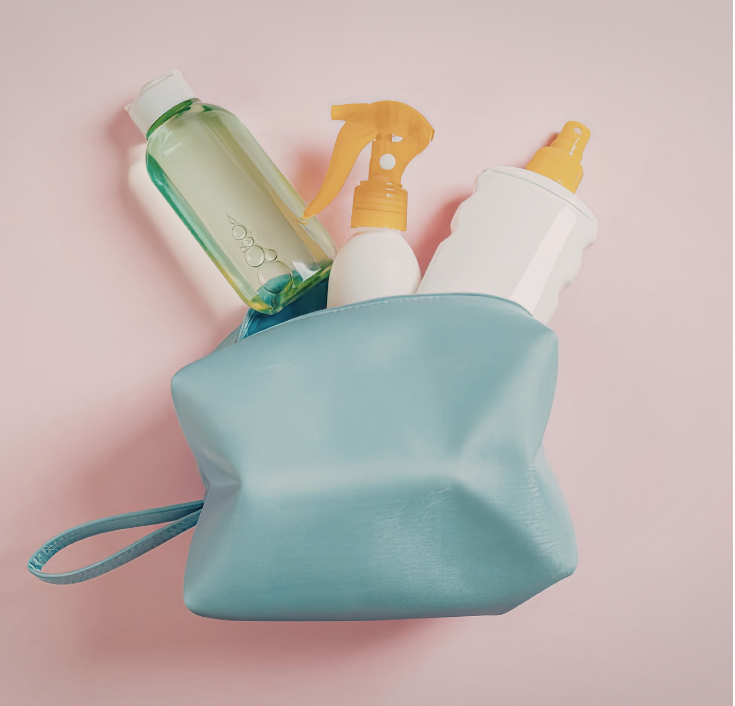
Keep A Few Hair Essentials Nearby
You don’t need to carry your entire hair collection with you.
A few simple items are often enough.
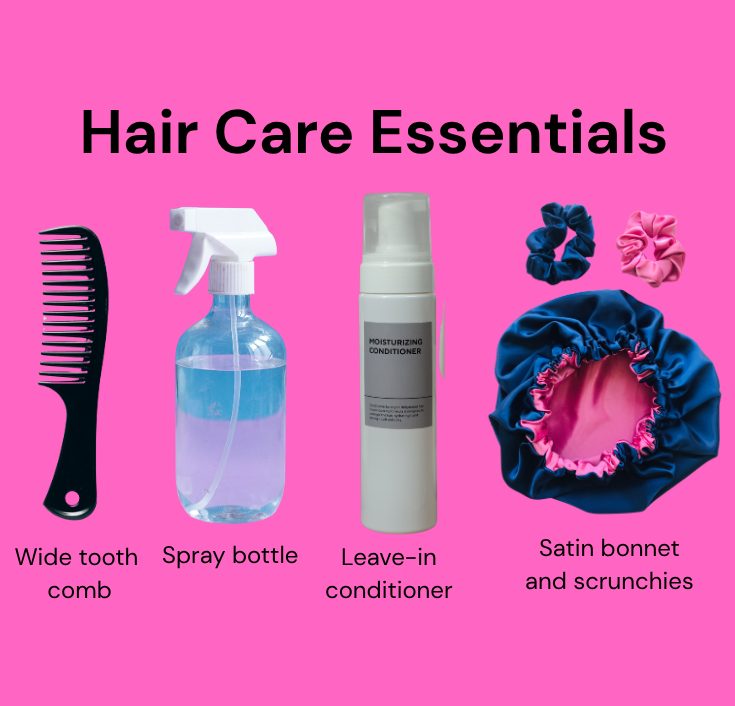
Consider keeping:
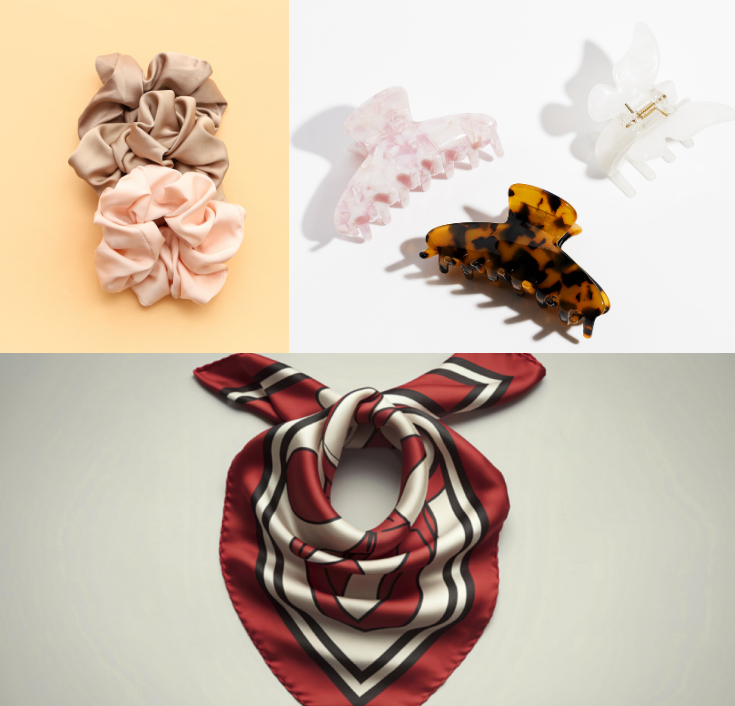
- A satin scrunchie
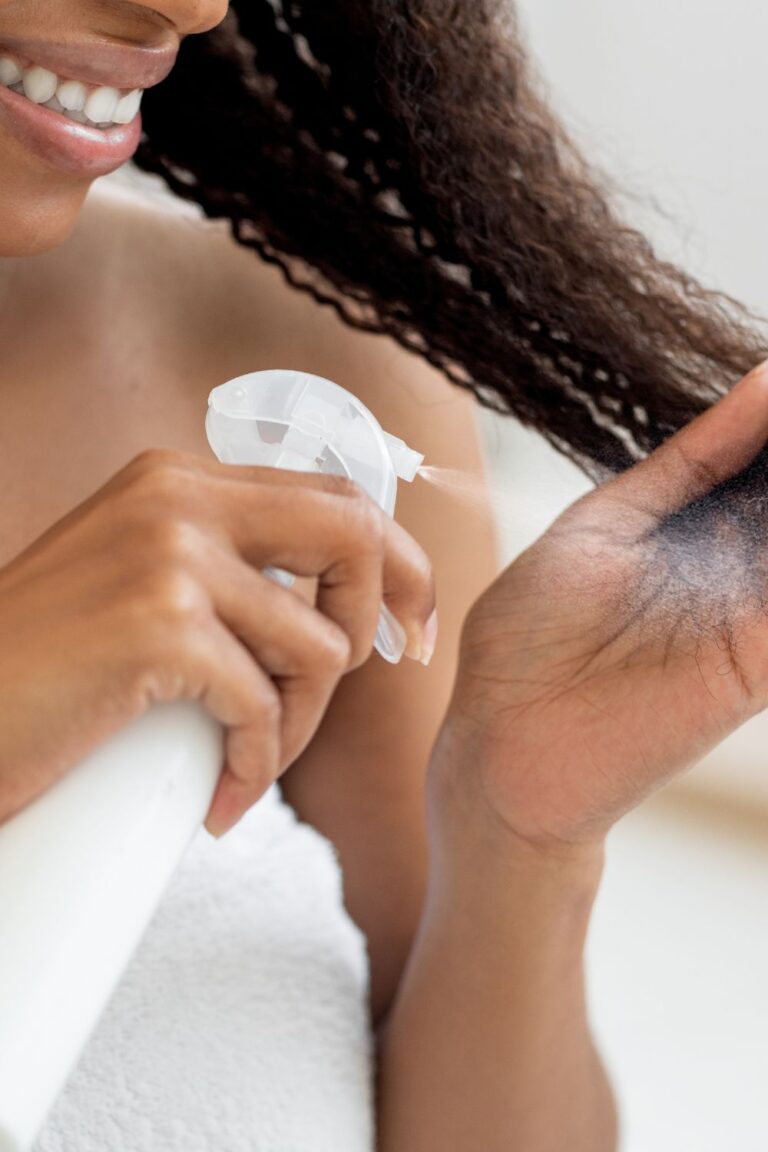
- A small spray bottle filled with water
- A travel-size leave-in conditioner
- A wide-tooth comb (only if you genuinely need it)
- Hair clips or pins for quick adjustments
These little essentials can help you refresh your hair without completely restyling it.
5. Don’t Forget About Your Scalp
When people think about healthy hair, they usually focus on the strands.
But your scalp deserves just as much attention; after all, that’s where your hair grows from.
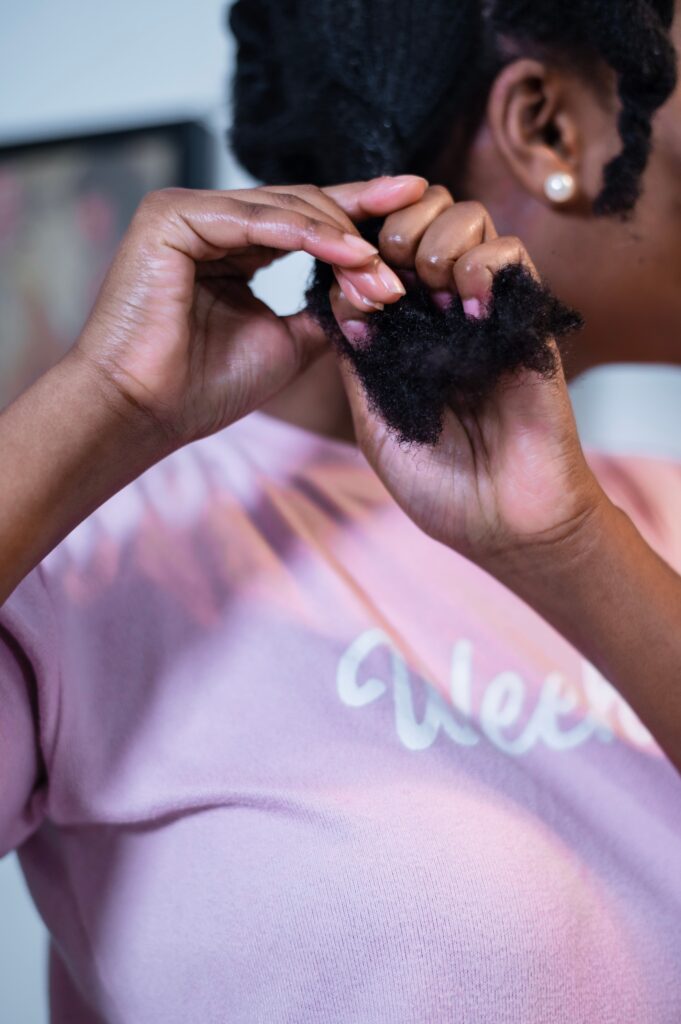
You don’t need a complicated scalp routine. In fact, keeping your scalp healthy often comes down to paying attention to the basics.
Ask yourself:
- Does your scalp feel comfortable?
- Is it unusually itchy?
- Do you notice flakes?
- Does it feel oily much sooner than normal?
Checking in with your scalp only takes a few seconds, but it can help you spot small problems before they become bigger ones.
What Does a Healthy Scalp Look Like?
A healthy scalp usually feels calm.
It isn’t constantly itchy.
It doesn’t hurt when you move your hair.
There isn’t excessive buildup covering the skin.
And while everyone sheds a little hair each day, a healthy scalp shouldn’t leave you feeling worried every time you detangle.
If something doesn’t seem right, don’t ignore it. Learning how to recognise the signs of a scalp that needs extra care can help you deal with problems early before they affect your hair.
Should You Massage Your Scalp Every Day?
A gentle scalp massage can feel relaxing and may encourage better circulation to the scalp.
The important word here is GENTLE.
You don’t need to scratch aggressively or use your nails.
Instead, use the pads of your fingertips and massage in small circular motions for a few minutes.
It’s a simple habit that many people enjoy because it feels good and encourages them to pay more attention to their scalp health.
Think of your scalp the way you think about soil in a garden. Healthy plants grow best in healthy soil, and healthy hair grows best from a healthy scalp.
6. End Your Day The Right Way
You’ve probably heard the saying, “How you end your day affects how you start the next one.”
The same is true for your hair.
You can have the best daily hair care routine, but if you sleep with your hair rubbing against a cotton pillowcase every night, you’re making your job much harder.
Nighttime is when your hair has a chance to rest. Giving it a little protection before bed can save you time and reduce breakage the next morning.

What Should You Do Before Bed?
Your nighttime routine doesn’t need to take 30 minutes.
Most nights, five minutes is enough.
A simple routine might look like this:
- Gently adjust your hairstyle if needed.
- If your hair feels dry, lightly refresh it with a little moisture.
- Loosely section long hair into twists or braids.
- Put on a satin bonnet or wrap your hair with a satin scarf.
- Sleep on a satin pillowcase for extra protection.
If you accidentally skip your routine once in a while, don’t panic. Healthy hair isn’t built by being perfect every day; it’s built by being consistent most of the time.
Did You Know?
A satin pillowcase is still worth having even if you wear a bonnet. If your bonnet slips off during the night, your hair still has a smooth surface to rest on.
Hair Routines You Don’t Need To Do Every Day
One of the quickest ways to feel overwhelmed is believing every hair care task belongs in your daily routine.
It doesn’t.
Here are a few things you don’t need to do every day:
- Shampoo your hair
- Deep condition your hair
- Apply protein treatments
- Detangle your entire head
- Restyle your hair from scratch
- Add heavy oils over and over
- Use edge control unless you want to
Keeping your routine simple makes it easier to stick with.
Remember, your daily routine is about maintaining healthy hair and not starting over every morning.

What Does A Real Daily Hair Routine Look Like?
Now that you know the principles, here’s what they might look like in everyday life.
Morning
– Feel your hair before adding products.
– Refresh with a little water or leave-in only if needed.
– Smooth down any loose sections.
– Choose a low-manipulation style if you’re styling your hair.
– Go about your day without constantly touching your hair.
Evening
– Check how your hair feels after the day.
– Refresh only if necessary.
– Protect your hair with a satin bonnet or scarf.
– Get some rest and let your hair rest too.
Notice how simple that is.
A healthy routine isn’t about doing more.
It’s about doing the right things consistently.

Before You Go
If you only remember one thing from this guide, let it be this:
Creating the perfect daily hair care routine for 4C hair isn’t about buying every product on the shelf or copying someone else’s routine. It’s about building simple habits that you can realistically stick to every day.
Your hair doesn’t need your attention every minute of the day. It needs patience, consistency, and someone who’s willing to pay attention to what it’s actually asking for instead of following every trend on social media.
Some days your hair will need moisture. Other days, the best thing you can do is simply leave it alone. Learning the difference is one of the biggest milestones in any natural hair journey.
As you spend more time with your hair, you’ll begin to notice its patterns. You’ll know when it’s thirsty, when it’s time for wash day, and when your ends need a little extra care.
Eventually, caring for your hair will become something you do naturally, without overthinking every step
Remember, healthy hair is rarely the result of one miracle product. More often, it’s the result of small, consistent decisions made day after day.
So tomorrow morning, before reaching for another product, pause for a moment and ask yourself one simple question:
“What does my hair actually need today?”
That simple habit can be the beginning of a healthier, more sustainable routine, one your hair will thank you for.
Building a complete weekly routine is the next step once your daily habits are in place


20 Comments