
4C Hair Characteristics Explained: What Makes 4C Hair Unique?
Disclosure: Some of the links in this post are affiliate links. This means if you click on the link and purchase an item, I will receive an affiliate commission at no extra cost to you.
Understanding 4c hair characteristics can help you make better decisions about your hair. While many people know they have 4C hair, they don’t always understand the traits that make this hair type unique. You may already know that your hair falls into the 4C category, but have you ever wondered what actually makes 4C hair different from other hair types?
Many people can identify their hair as 4C, yet they still find themselves confused about why their hair behaves the way it does. Why does it shrink so much? Why does it sometimes feel dry even after moisturizing? Why can two people with 4C hair have completely different results using the same products?
The answer lies in understanding the characteristics of 4C hair.
While every head of hair is unique, there are certain traits that are commonly associated with 4C hair. Learning about these characteristics can help you better understand your hair, choose products more effectively, and build a routine that works for your specific needs.
If you’re completely new to natural hair, you may want to start with What Is 4C Hair or The Ultimate Beginner’s Guide to 4C Hairm before diving deeper into the details.
In this guide, we’ll break down the most important 4C hair characteristics and explain what they mean for your everyday hair care routine.
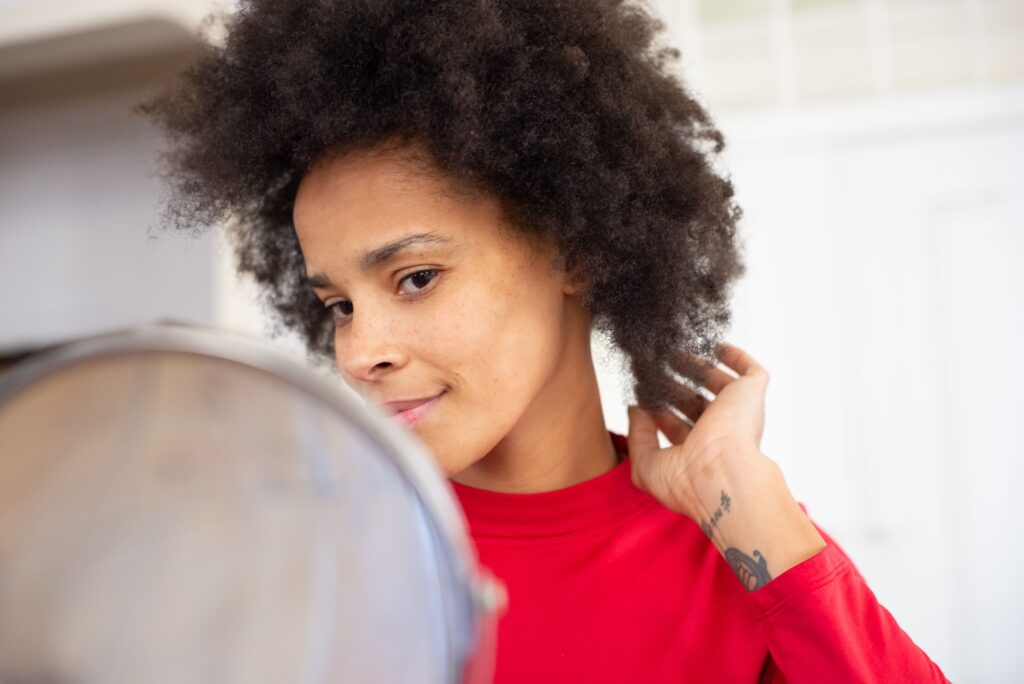
8 Key Characteristics Of 4c Hair
1. A Tight Coil Pattern
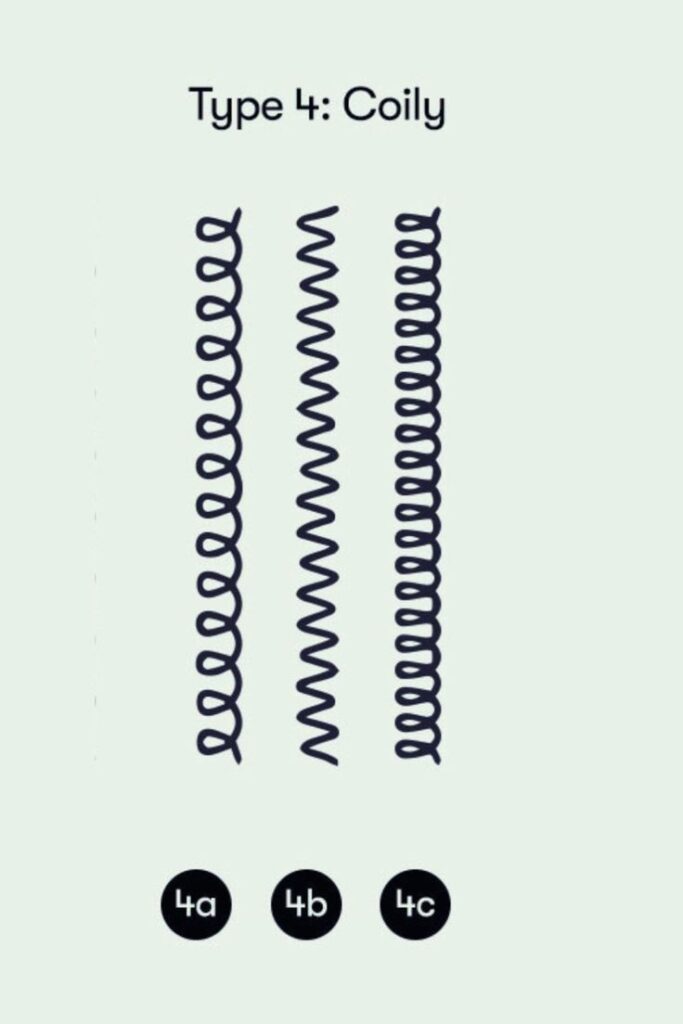
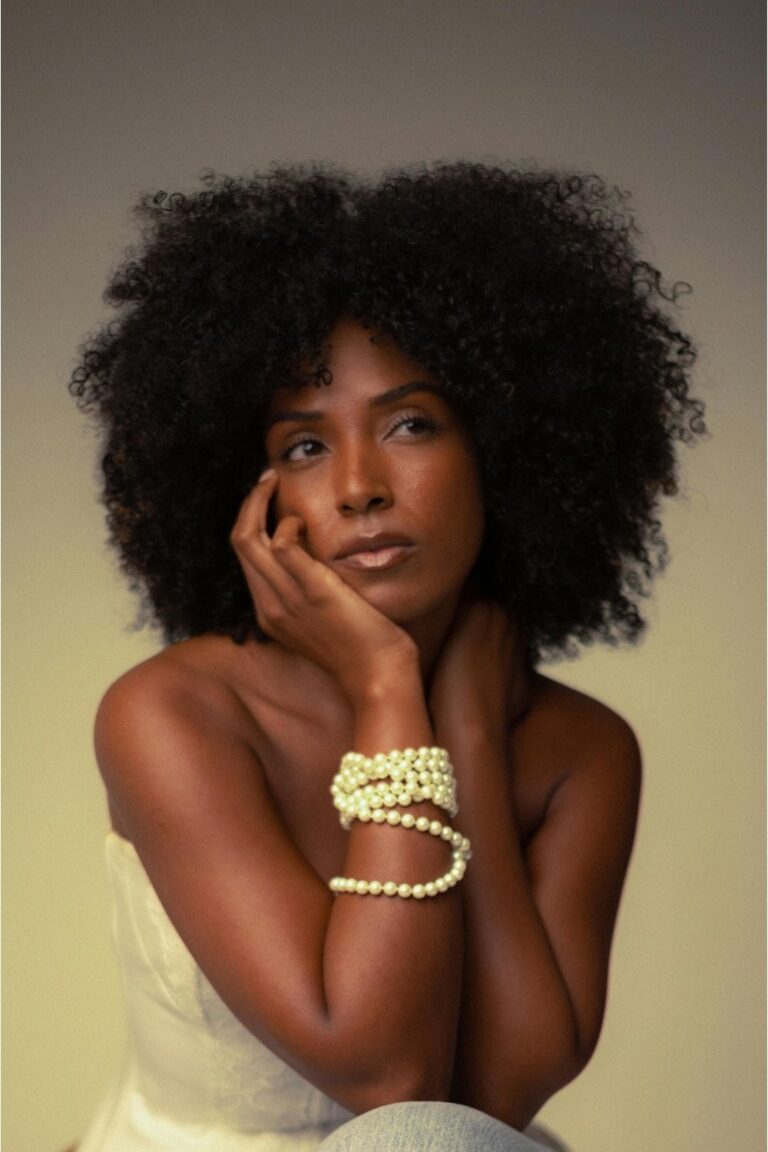
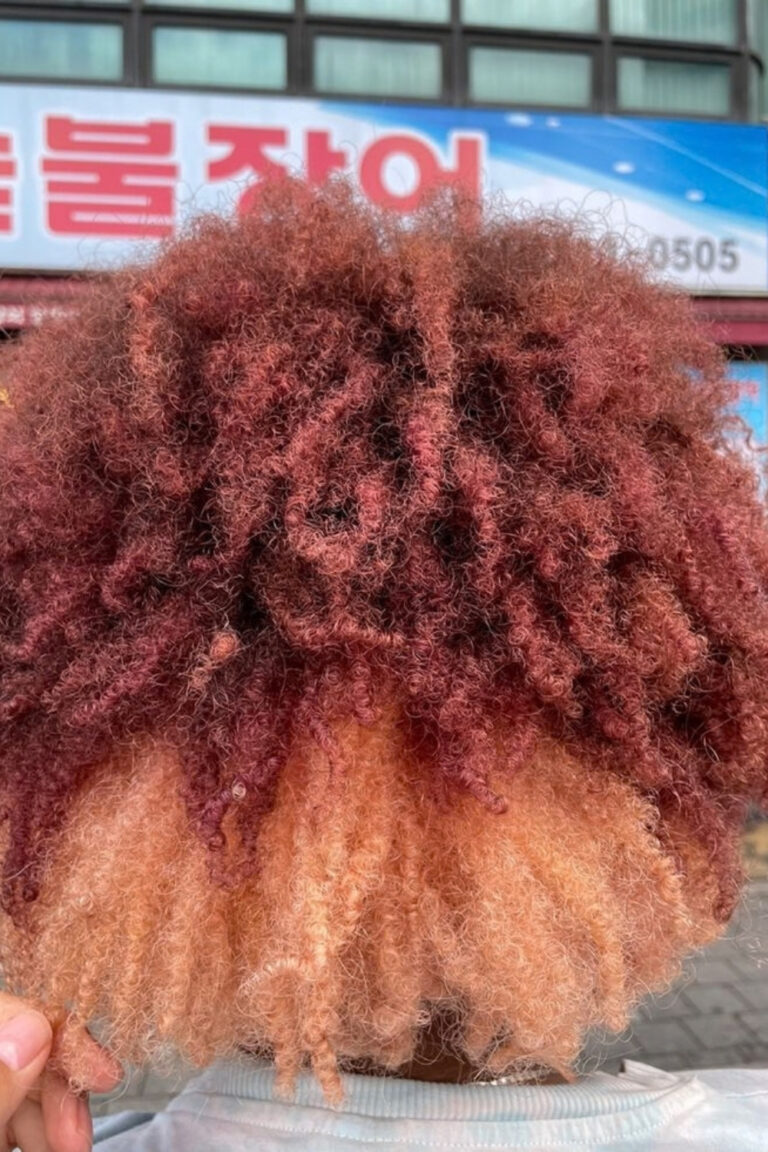
One of the most recognizable characteristics of 4C hair is its tightly coiled texture.
Unlike looser curl patterns that form visible ringlets, 4C hair typically forms very small, tightly packed coils. In some cases, the pattern can be difficult to see at first glance, especially when the hair is dry or heavily shrunk.
This is one reason many people struggle when trying to identify their hair type. They may assume they don’t have a curl pattern at all when, in reality, the coils are simply much tighter and more compact.
If you’re still unsure about your texture, our guide on How to Identify True 4C Hair can help you recognize the signs more confidently.
Another thing to remember is that not every 4C coil looks exactly the same. Some people have more visible coils, while others have a softer cotton-like appearance. Both can still fall within the 4C category.
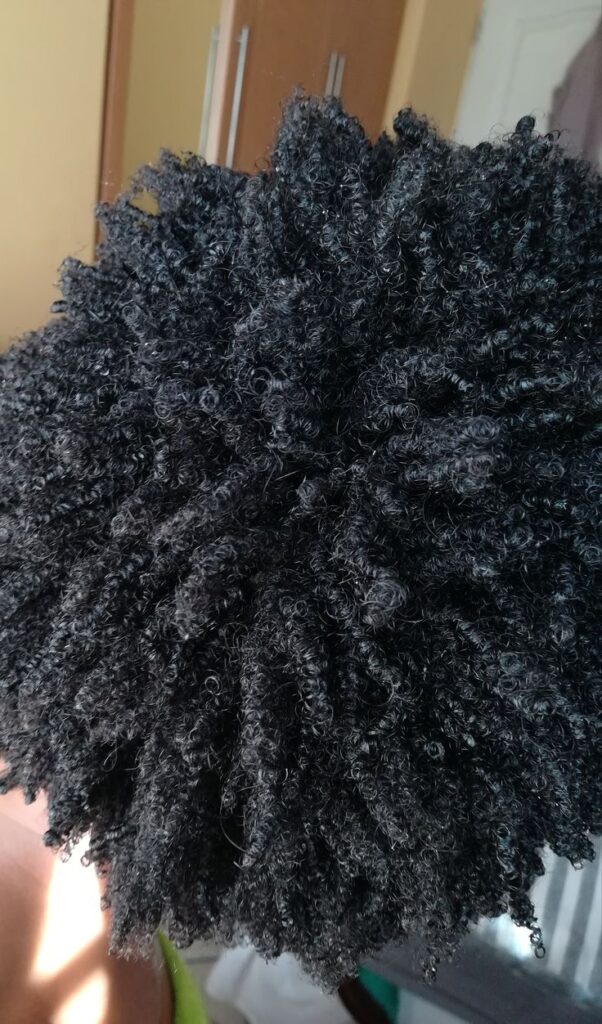
The tight coil pattern is one of the reasons 4C hair is so unique. It contributes to many of the other characteristics we’ll discuss throughout this article, including shrinkage, volume, and moisture retention.
Rather than comparing your coils to someone else’s, focus on understanding how your own texture behaves. That knowledge will be far more valuable than trying to fit your hair into a perfect category.
2. Significant Shrinkage
If there’s one thing almost every person with 4C hair experiences, it’s shrinkage.
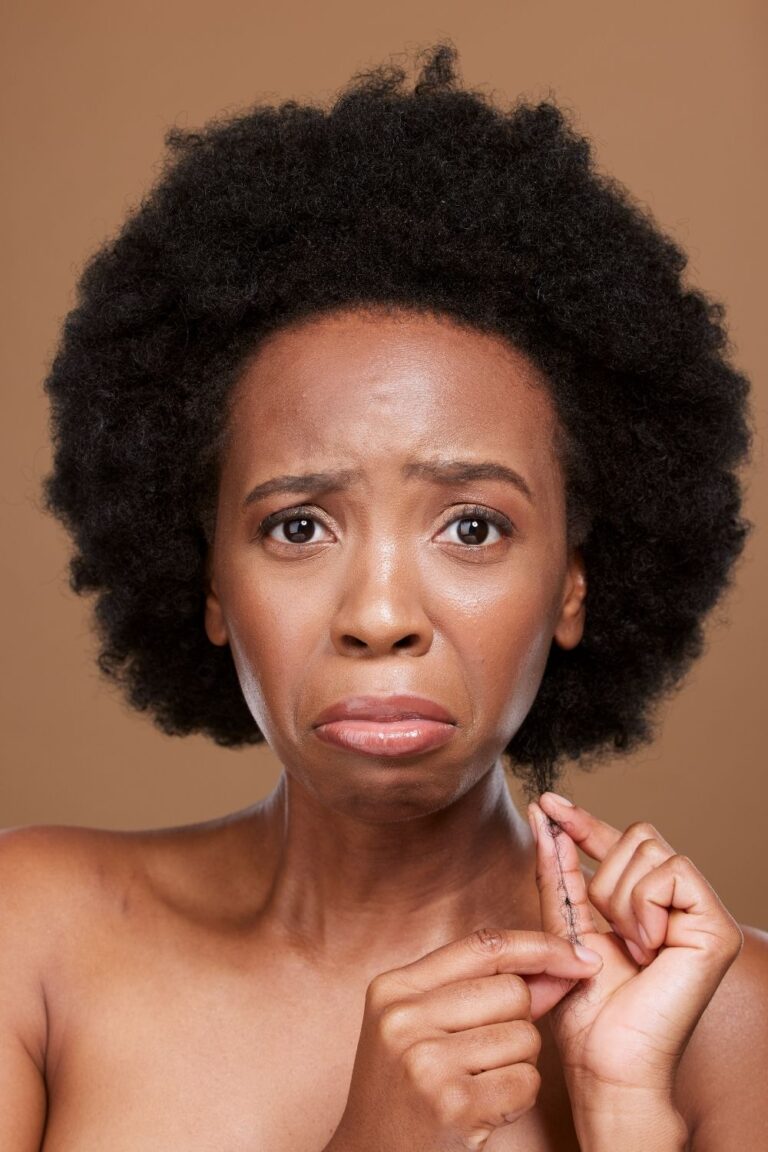
You may stretch your hair and discover that it’s much longer than you thought. Then, after washing it or allowing it to dry naturally, it seems to shrink back to a fraction of its length.
For some people, this can be surprising or even frustrating.
However, shrinkage is actually a normal characteristic of healthy 4C hair.
The tightly coiled structure of 4C hair naturally causes strands to curl back on themselves. The tighter the coil pattern, the more shrinkage you are likely to experience.
This is one reason many people mistakenly believe their hair isn’t growing. In reality, their hair may be growing perfectly well, but shrinkage makes it difficult to see the progress.
Our article on The Biggest Myths About 4C Hair discusses this misconception in more detail.

It’s also important to understand that shrinkage isn’t necessarily a bad thing.
In fact, many natural hair experts view shrinkage as a sign of elasticity. Hair that can stretch and return to its original shape often indicates that the strands are maintaining flexibility.
That doesn’t mean you always have to embrace shrinkage. Many people enjoy stretched styles, twist-outs, braid-outs, and blowouts.
The key is recognizing that shrinkage is a natural feature of 4C hair rather than something that needs to be “fixed.”
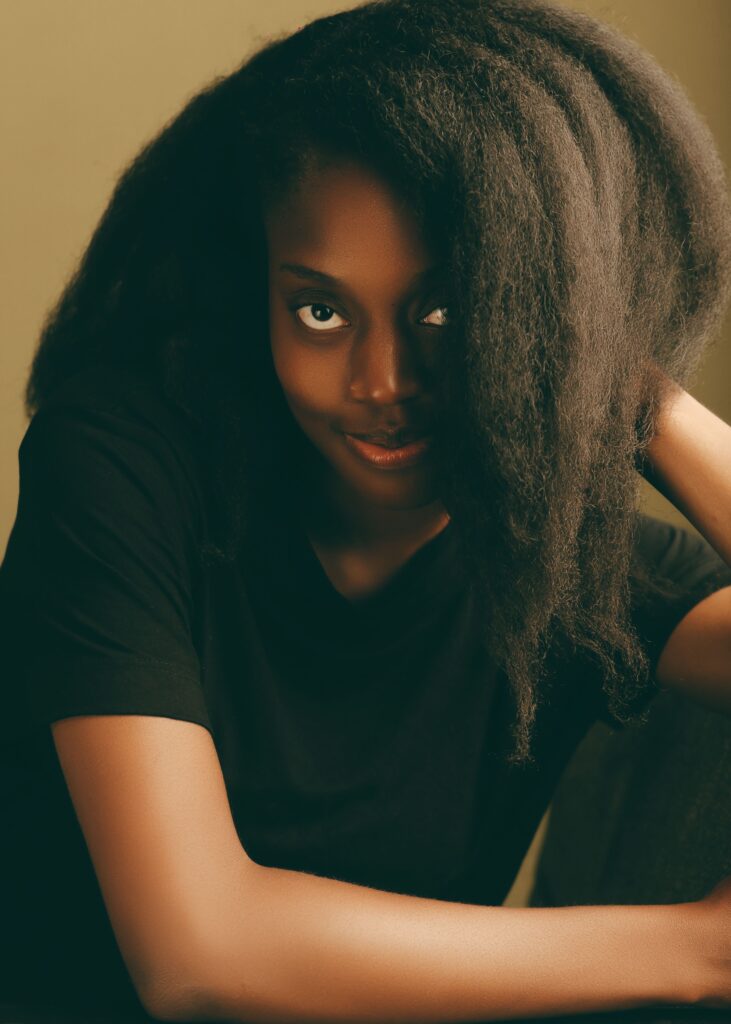
Understanding shrinkage can help you set more realistic expectations and appreciate your hair’s unique structure instead of viewing it as a problem.
3. Incredible Volume Potential
One of the things many people love most about 4C hair is its natural volume.
Thanks to its tightly coiled structure, 4C hair tends to grow outward as well as downward. This creates the full, voluminous appearance that makes afros and many natural styles so striking.
Even when two people have the same hair length, the person with 4C hair may appear to have much more volume because of the way the coils naturally expand.
This is one reason why 4C hair can create dramatic styles without needing a lot of heat or manipulation.
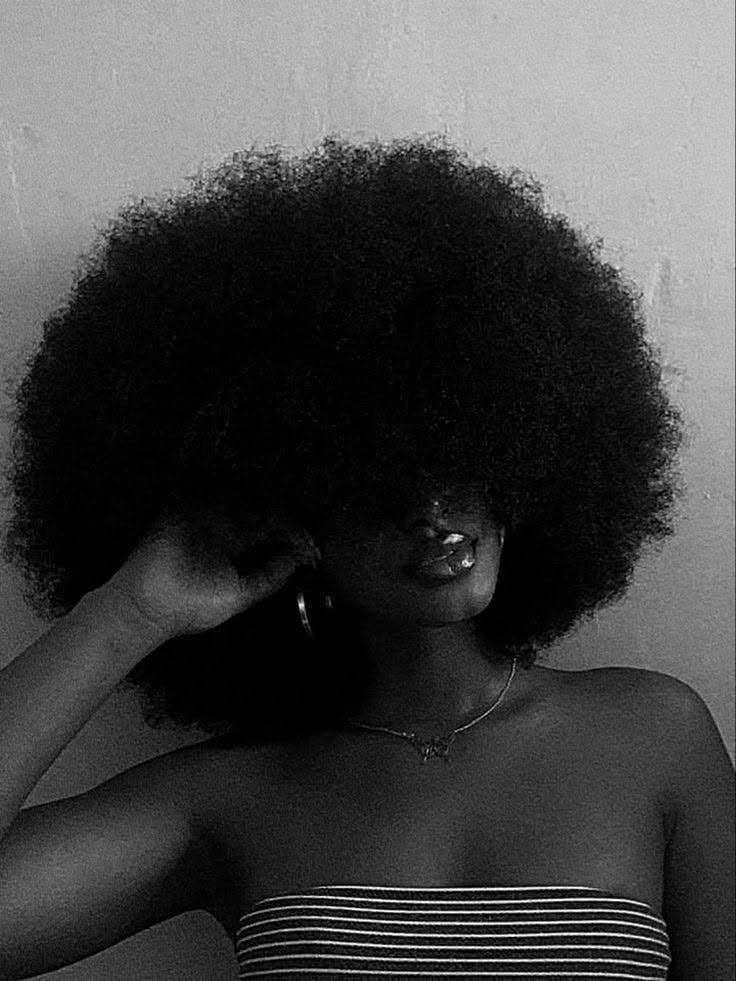
However, volume can vary significantly from person to person.
Some people naturally have high-density hair, meaning they have more strands growing from their scalp. Others may have lower density but still achieve impressive volume because of their curl pattern.
This is where understanding hair density vs hair thickness becomes important.
Many people assume thick-looking hair automatically means thick strands, but those are actually two different things.
Your density, strand thickness, and curl pattern all work together to create your hair’s overall appearance.
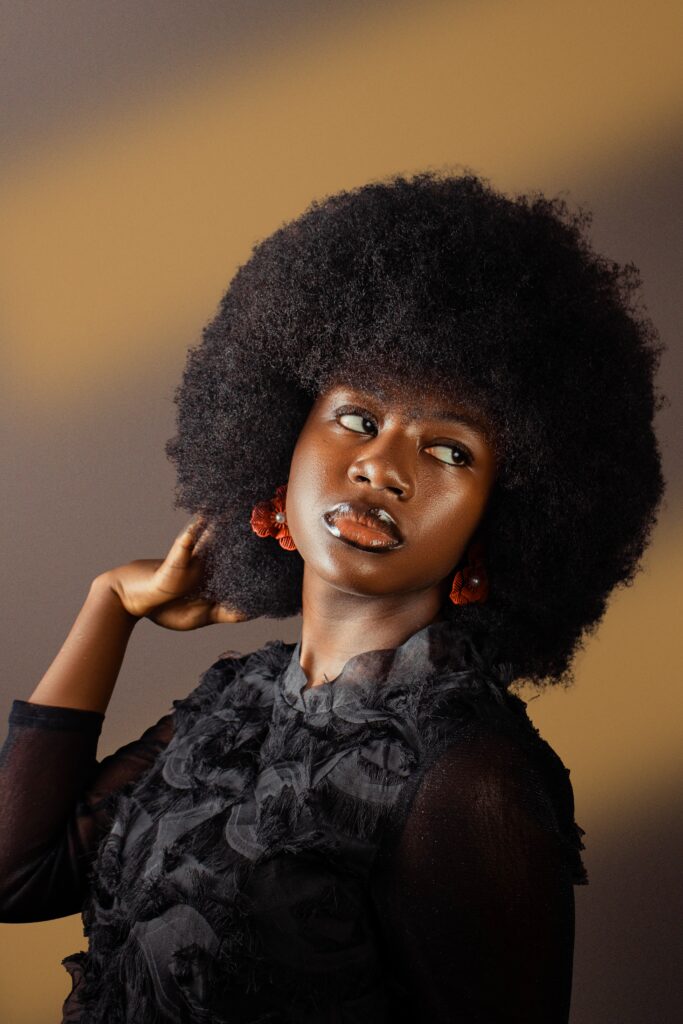
The great thing about 4C hair is that you can choose to emphasize volume or reduce it depending on the style you’re creating.
From fluffy afros to sleek protective styles, your hair gives you plenty of options.
4. It Can Be More Prone to Dryness
Another well-known 4c hair characteristic is that it often requires extra attention when it comes to moisture.
This doesn’t mean all 4C hair is permanently dry. In fact, that’s one of the misconceptions we discussed in The Biggest Myths About 4C Hair.
The real issue is that natural oils from the scalp have a harder time traveling down tightly coiled strands.
With straighter hair types, oils can move relatively easily from the roots to the ends. With 4C hair, the twists and turns of each strand create more obstacles along the way.
As a result, the ends of the hair may not receive as much natural lubrication.
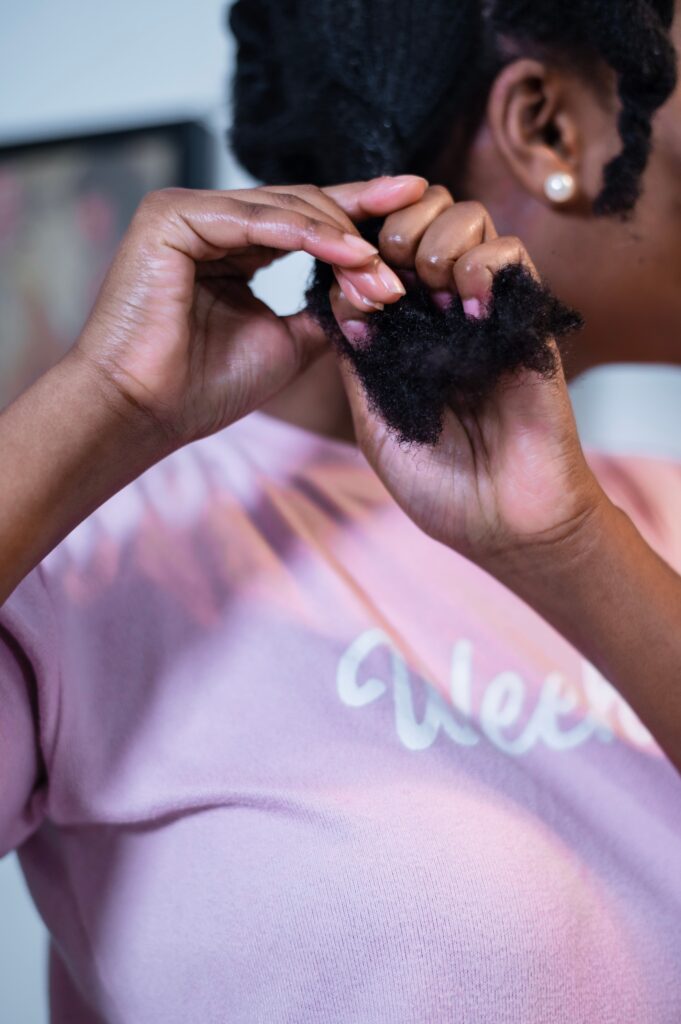
This is why moisturizing routines are often such an important part of caring for 4C hair.
However, it’s important to remember that moisture needs vary from person to person.
Two people with 4C hair can have very different experiences depending on factors such as climate, routine, product choice, and porosity.
That’s why learning about understanding hair porosity can be just as important as learning about your curl pattern.
Your porosity level influences how easily moisture enters your hair and how long it stays there.
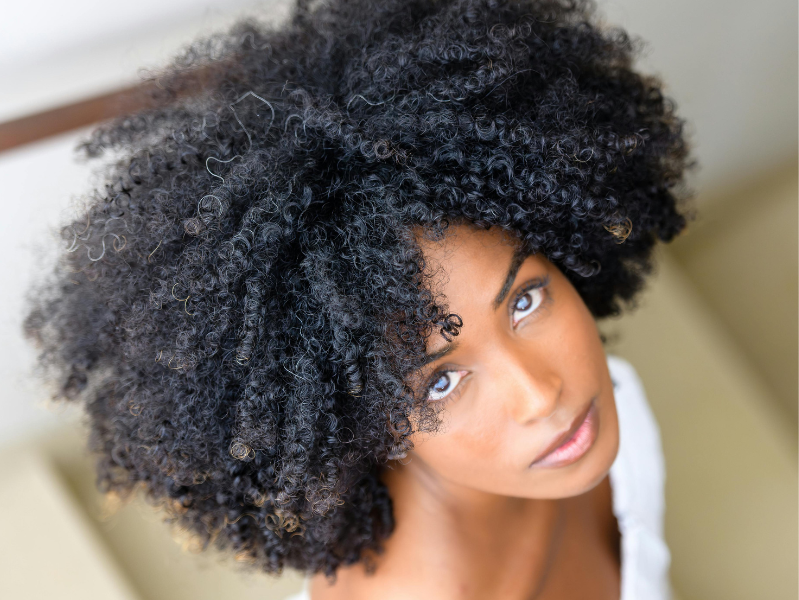
If moisture retention is something you struggle with, you may also find our guide on how to moisturize 4C hair helpful.
The good news is that once you understand your hair’s needs, maintaining moisture becomes much easier.
Rather than constantly fighting dryness, you can create a routine that supports healthy, hydrated hair over time.
5. Dense Appearance
One reason people are often surprised by 4C hair is how dense it can appear.
At first glance, many 4C hairstyles look incredibly thick and full. While density may contribute to that appearance, the curl pattern itself also plays a major role.
Because the coils are tightly packed together, the hair naturally creates a fuller look.
This is why many people underestimate the actual length of 4C hair. The volume and density can make hair appear shorter and more compact than it really is.

Another thing to keep in mind is that density varies widely.
Some people have high-density 4C hair with a large number of strands growing from the scalp.
Others may have medium or low density but still appear to have thick hair because of the way their coils expand.
This is why comparing your hair to someone else’s can sometimes be misleading.
Two people may both have 4C hair, yet their density, strand thickness, and styling results can look completely different.
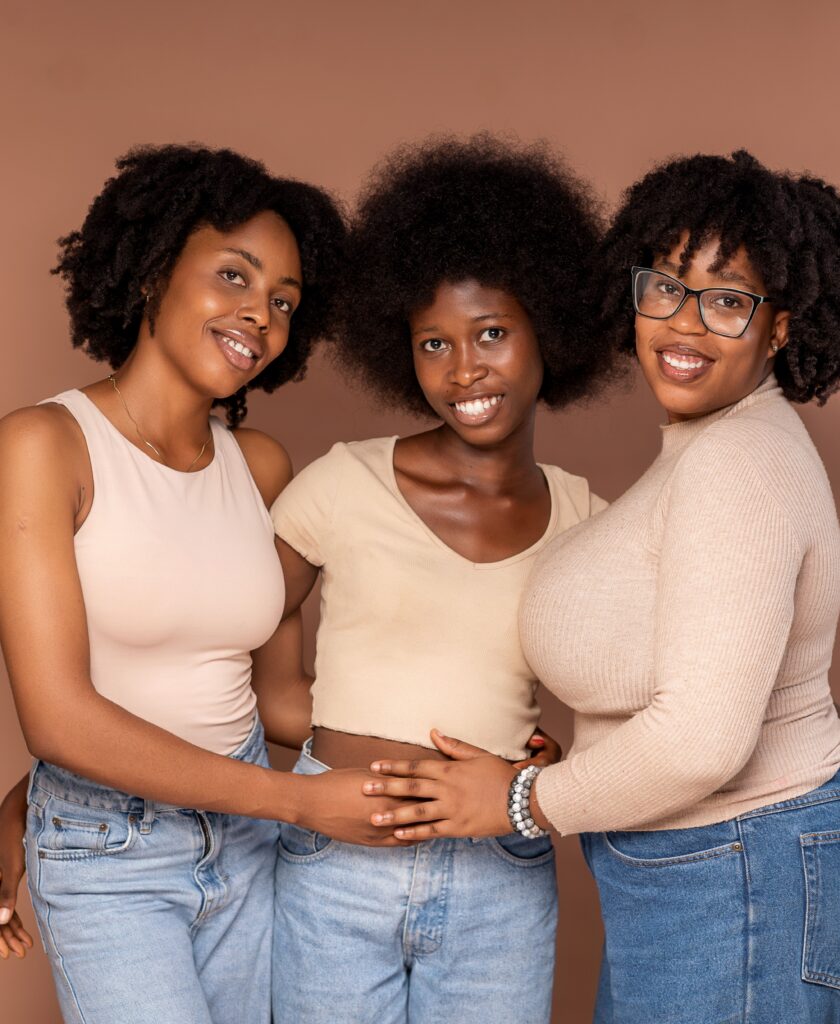
Understanding your density helps you make better decisions about products, styles, and routines.
It also makes it easier to set realistic expectations for your own hair journey instead of comparing yourself to others online.
6. Extremely Versatile
One of the most underrated characteristics of 4C hair is its versatility.
Many people focus so much on shrinkage or moisture that they overlook just how many styling options 4C hair offers.
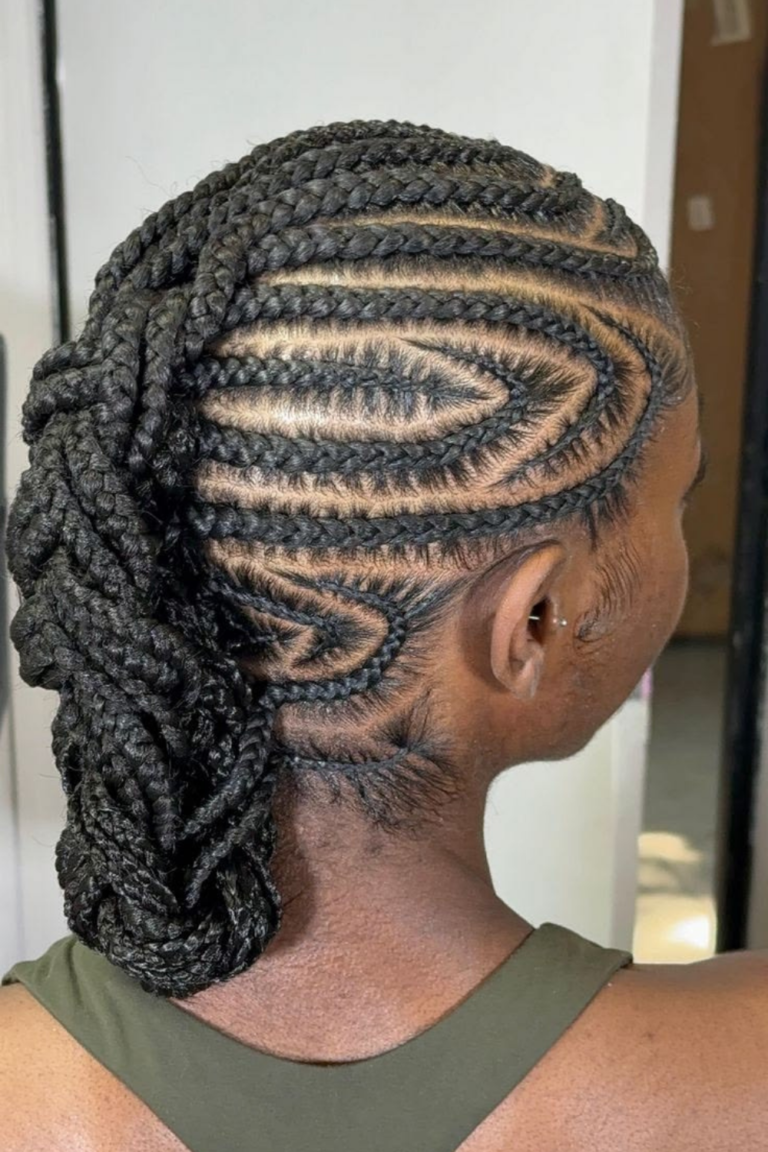
If you prefer afros, twist-outs, braid-outs, cornrows, puff styles, flat twists, protective styles, or stretched looks, 4C hair can adapt to a wide variety of styles.
The same head of hair can look completely different depending on how it’s styled.
This versatility is one reason so many people enjoy experimenting with their natural hair.
You can wear your hair in its shrunken state one week and enjoy a stretched style the next.
You can also switch between low-maintenance protective styles and styles that showcase your natural texture.
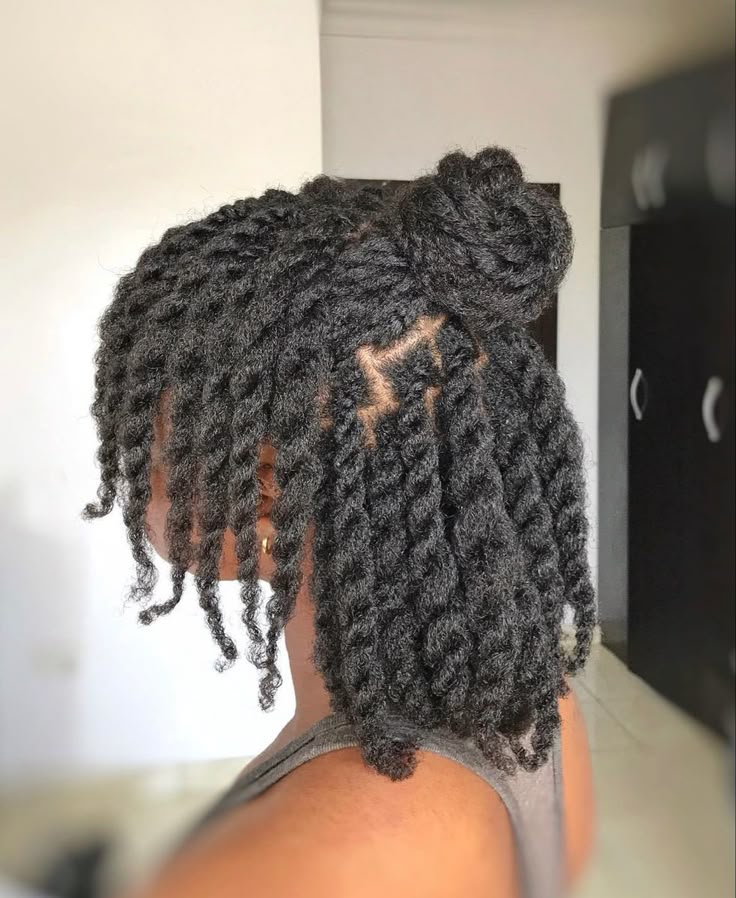
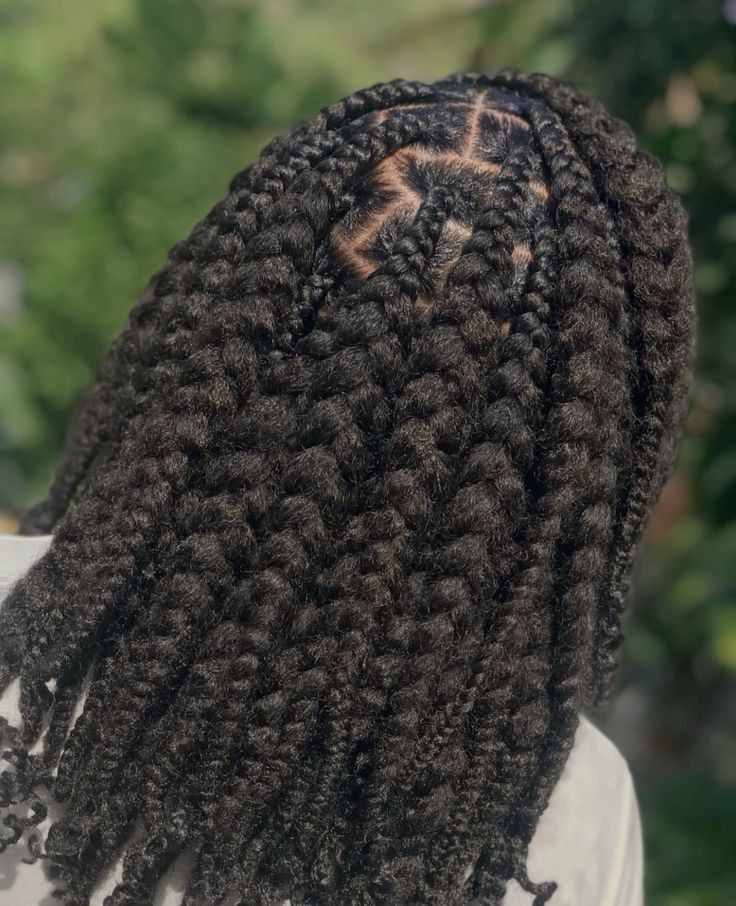
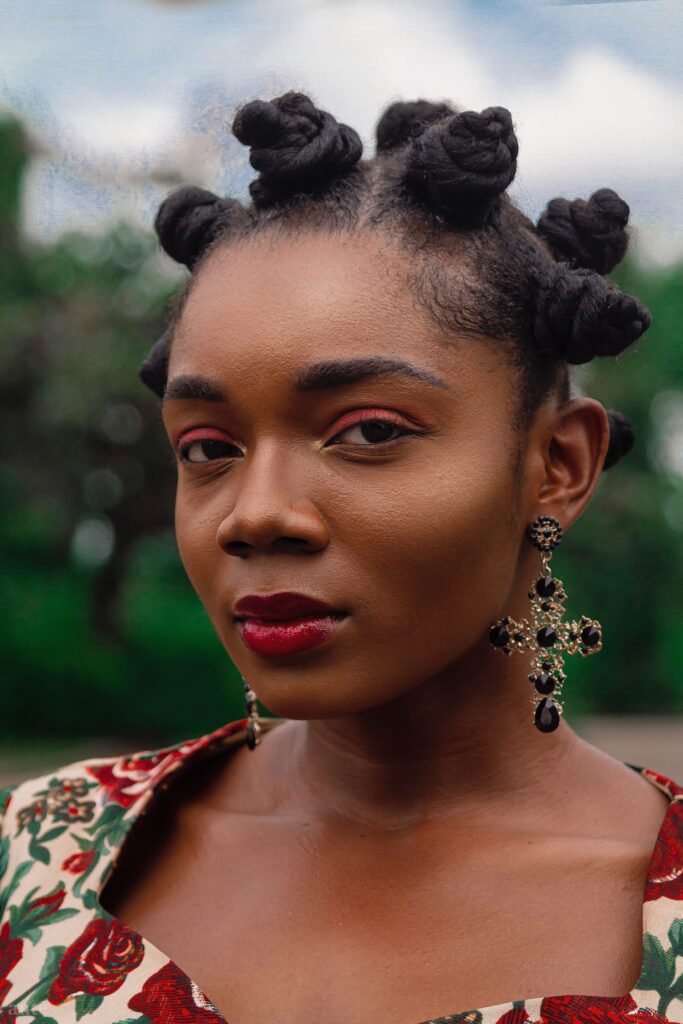
The beauty of 4C hair is that there isn’t just one way to wear it.
You have the freedom to choose styles that fit your personality, schedule, and hair goals.
7. Different Textures Can Exist on the Same Head
Many people are surprised when they discover that not all the hair on their head behaves the same way.
One section may appear softer. Another may seem tighter. Some areas may hold moisture better than others.
This is completely normal.
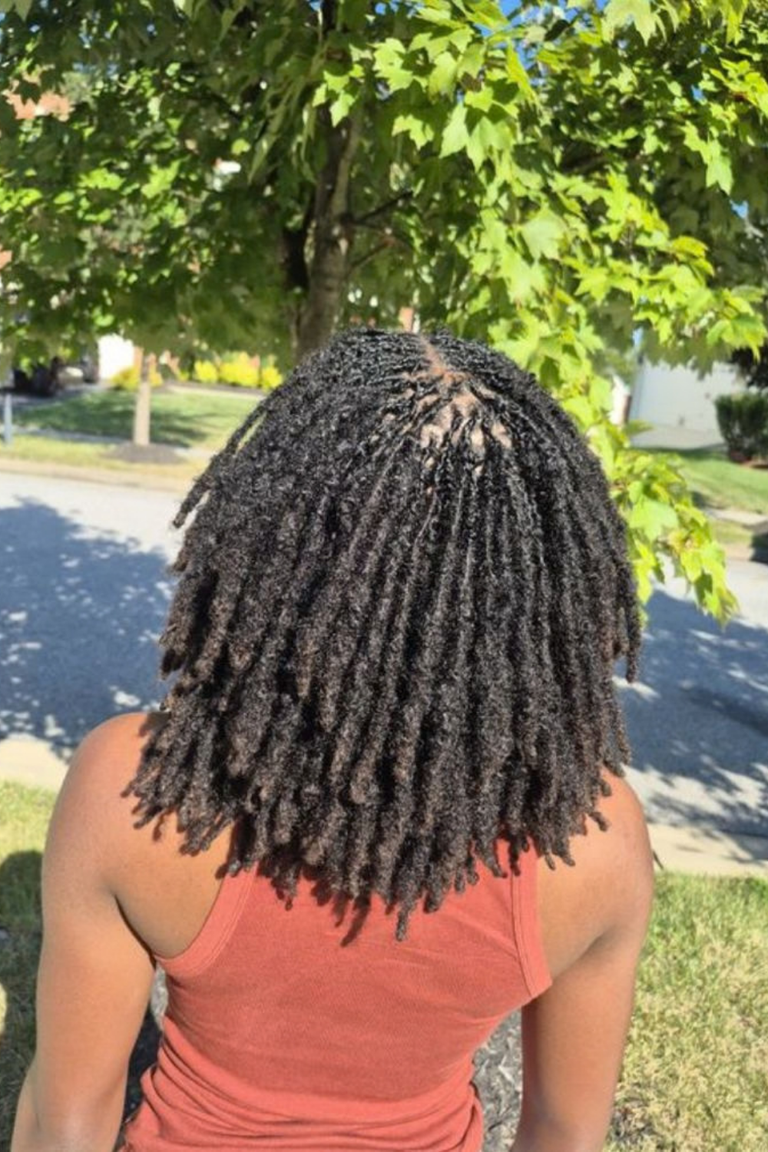
In fact, having multiple textures across one head of hair is very common.
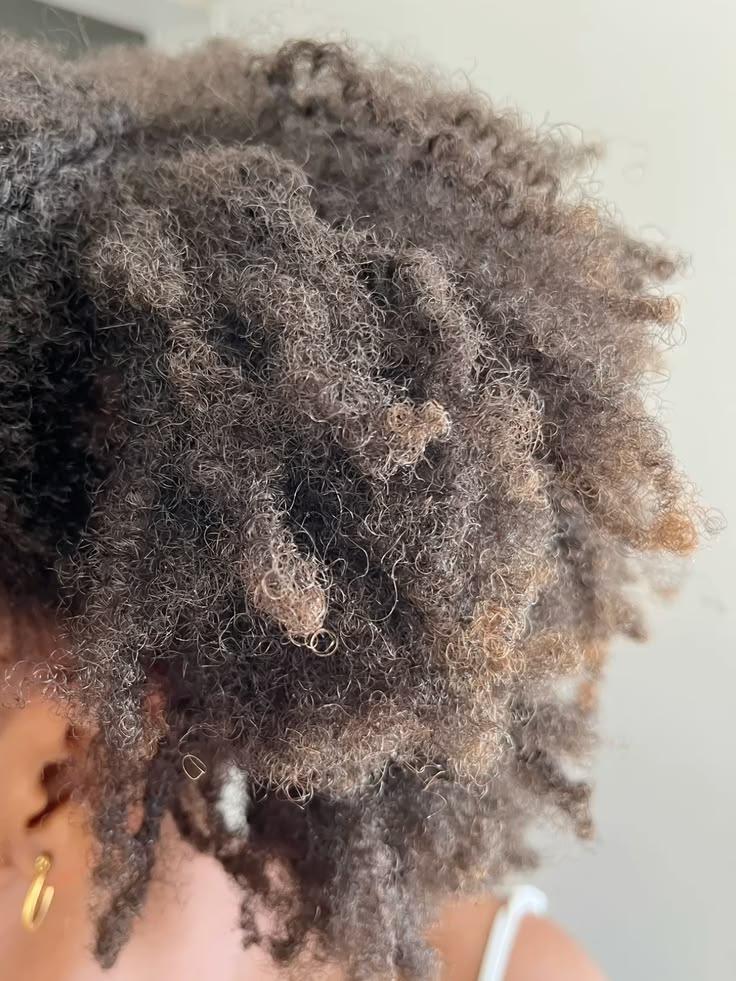
You might notice that the hair near your crown looks different from the hair around your edges or at the back of your head.
These differences can affect how your hair responds to products, styles, and moisture.
This is one reason why copying someone else’s routine doesn’t always work.
Even if they have 4C hair, their texture distribution may be completely different from yours.
Learning how your own hair behaves in different areas can help you create a more effective routine.
Rather than treating every section the same, you can give each area the care it needs.

8. Every Head of 4C Hair Is Unique
Perhaps the most important characteristic of 4C hair is that no two heads of 4C hair are exactly alike.
This is something many people don’t realize when they first start their natural hair journey.
They see someone online with beautiful results and assume they should be able to achieve the exact same outcome.
But hair is influenced by much more than curl pattern alone.
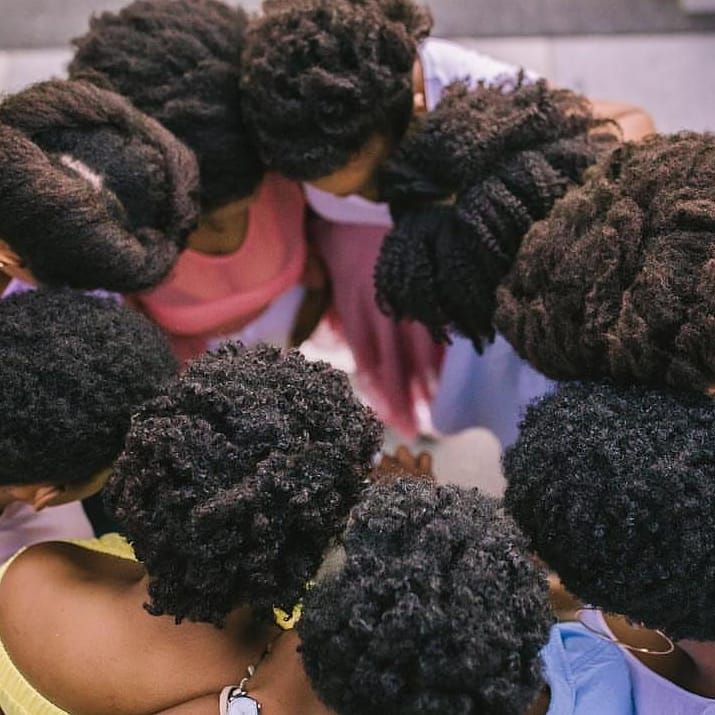
Factors such as:
- Hair density
- Strand thickness
- Porosity
- Lifestyle
- Climate
- Styling habits
All influence how your hair looks and behaves.
This is why two people with 4C hair may use the same products and get completely different results.
It’s also why understanding your own hair is so much more valuable than constantly comparing it to someone else’s.
The goal isn’t to have hair that looks exactly like a creator’s on social media.
The goal is to have healthy hair that works for you.

Once you understand your hair’s unique characteristics, it becomes easier to choose products, routines, and styles that support your specific needs.
What These Characteristics Mean for Your Hair Routine
Now that you understand the major characteristics of 4C hair, the next step is applying that knowledge to your routine.
For example:
- If your hair experiences significant shrinkage, you’ll know that a lack of visible length doesn’t automatically mean a lack of growth.
- If your hair struggles with moisture, you’ll know why hydration should be a priority.
- If your hair has high density, you’ll understand why sectioning can make styling easier.
- If different areas of your hair behave differently, you’ll know that’s completely normal.

This is also where your previous knowledge comes together.
If you’re still learning the basics, revisit What 4C Hair Is.
If you’re unsure if your texture is truly 4C, check out How to Identify True 4C Hair.
And if you’ve ever felt discouraged by misinformation, the biggest myths about 4C hair can help separate fact from fiction.
The more you understand your hair, the easier it becomes to care for it with confidence.
Final Thoughts
4C hair is often discussed in terms of challenges, but understanding its characteristics reveals a much bigger picture.
Yes, 4C hair can experience shrinkage. It may require extra attention when it comes to moisture. And it often behaves differently than looser curl patterns.
But it also offers incredible volume, versatility, and uniqueness.

The most important thing to remember is that your hair doesn’t need to look like anyone else’s.
Understanding your hair’s characteristics isn’t about placing it into a box. It’s about learning how to care for it in a way that supports its health and allows it to thrive.
Once you understand the most important 4c hair characteristics, you’ll be in a much better position to build a routine that works specifically for you.

11 Comments