
What Is 4C Hair? -Everything You Need to Know
Disclosure: Some of the links in this post are affiliate links. This means if you click on the link and purchase an item, I will receive an affiliate commission at no extra cost to you.
If you’ve recently started your natural hair journey, you’ve probably heard the term “4C hair” countless times. From YouTube tutorials and social media discussions to product recommendations and styling tips, 4C hair is one of the most talked-about hair types in the natural hair community.
Yet despite its popularity, many people still do not fully understand what 4C hair actually is. Some believe it is difficult to manage, while others assume it cannot grow long or retain moisture. These misconceptions often leave beginners feeling confused before they even begin caring for their hair.
The truth is that 4C hair is unique, versatile, and beautiful. Once you understand its characteristics and needs, it becomes much easier to create a routine that supports healthy hair growth and maintenance.
If you’re just starting your natural hair journey, transitioning from relaxed hair, or simply trying to learn more and understand your hair better, this guide will help you learn everything you need to know about 4C hair. If you’re completely new to natural hair care, you may also find our ultimate beginner’s guide to 4C hair helpful as a starting point.
By the end of this article, you’ll understand what 4C hair is, how it differs from other hair types, and what it needs to thrive.
What Is 4C Hair?
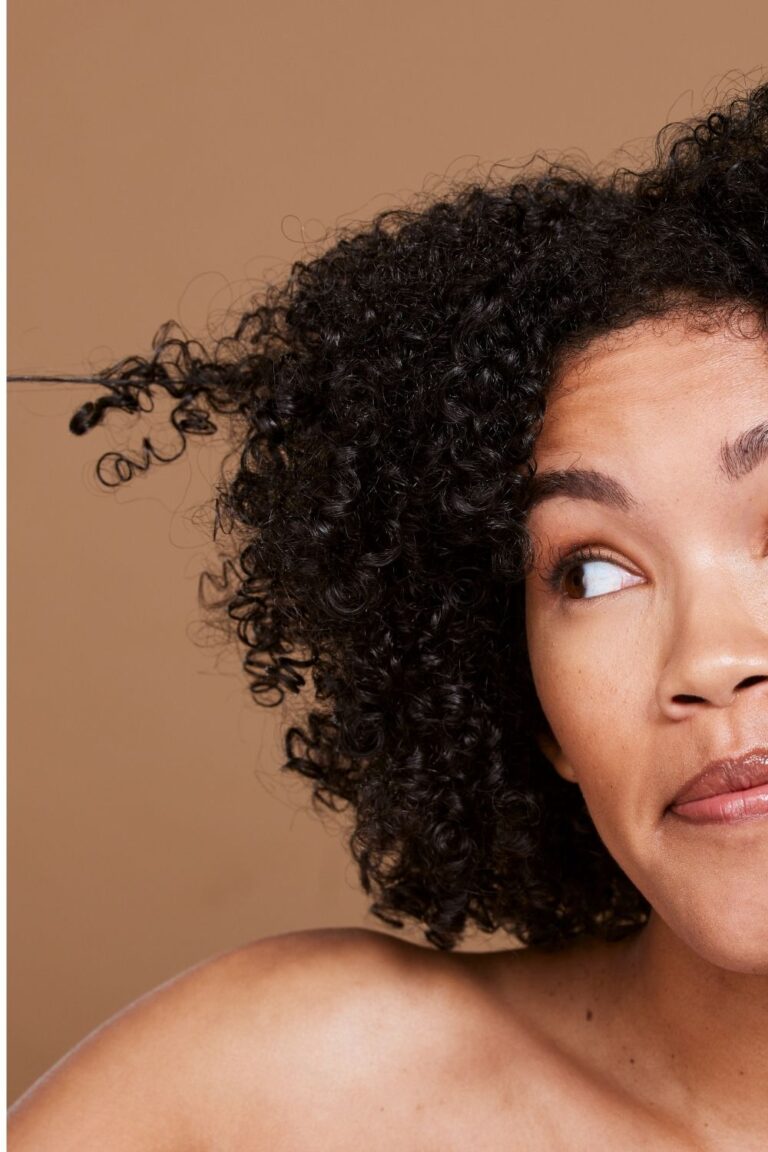
4C hair is the tightest curl pattern within the Type 4 hair category of the hair typing system. It is characterized by tightly coiled strands that form small curls, bends, and zig-zag patterns.
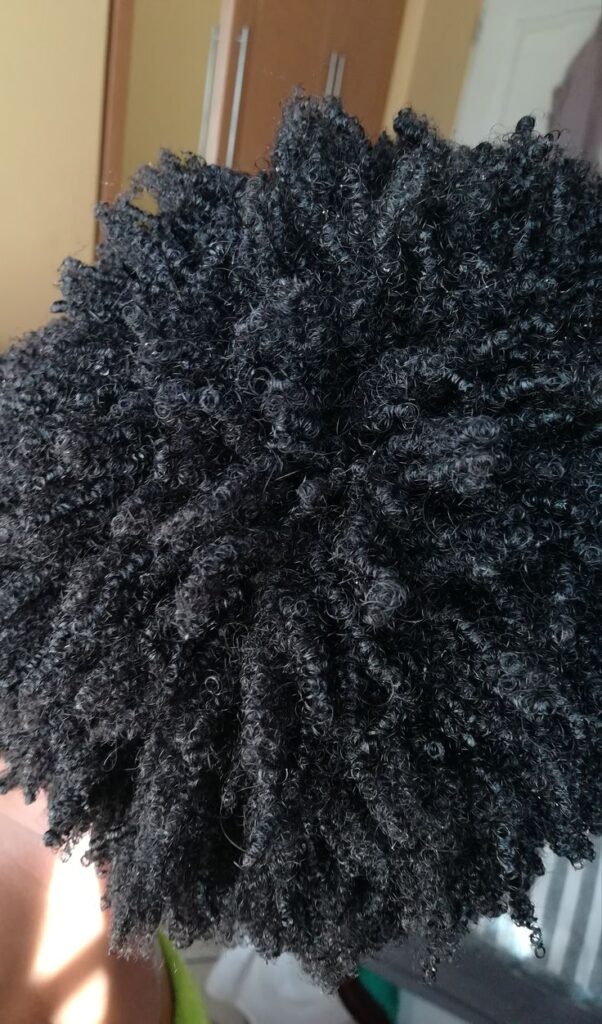
While looser hair types often have easily recognizable curls, 4C hair forms much tighter coils that can appear less defined. This doesn’t mean the hair lacks a pattern; it simply has a more compact texture.
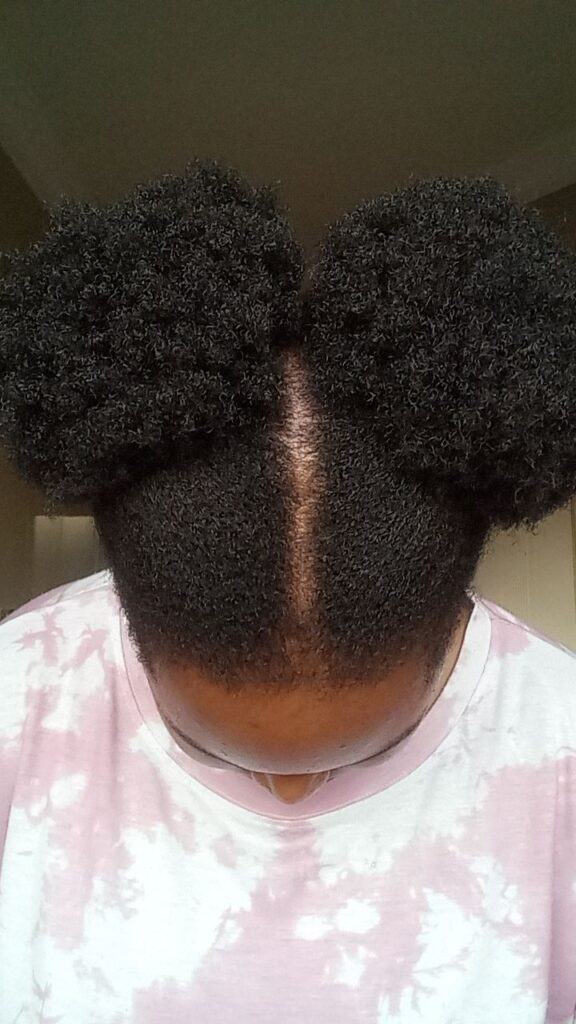
One of the most recognizable characteristics of 4C hair is shrinkage. Hair that appears only a few inches long may actually be significantly longer when stretched. This natural shrinkage is one reason many people underestimate the true length of their hair.
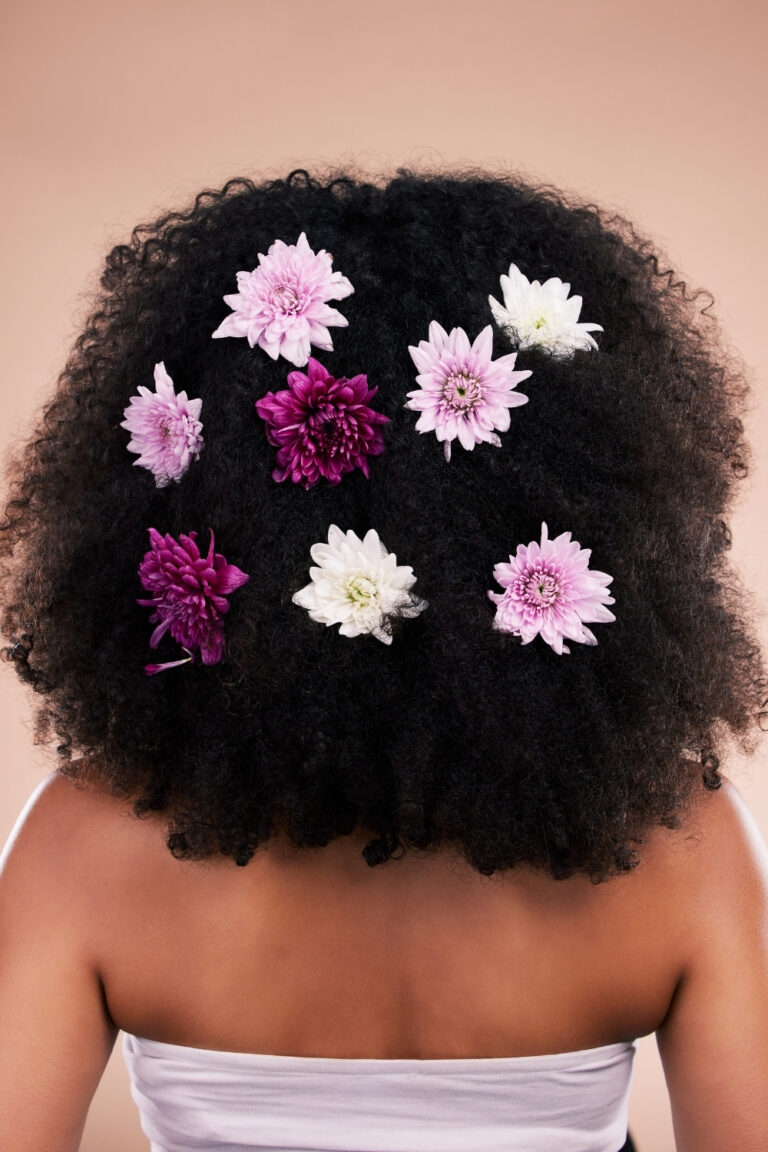
Another defining feature of 4C hair is its volume. Because the strands naturally grow upward and outward, 4C hair can create beautiful afros, puffs, twists, and protective styles with impressive fullness.
Many people mistakenly view 4C hair as difficult to manage. In reality, the issue is often a lack of understanding. Learning the unique 4C hair characteristics in this guide can help you care for your hair more effectively and confidently.
It’s also important to remember that no two heads of 4C hair are exactly alike. Differences in density, strand thickness, porosity, and overall hair health can create very different experiences from one person to another.
Understanding the Hair Typing System
The hair typing system was created to help categorize different hair textures based on their curl patterns.
Hair is generally divided into four main categories:
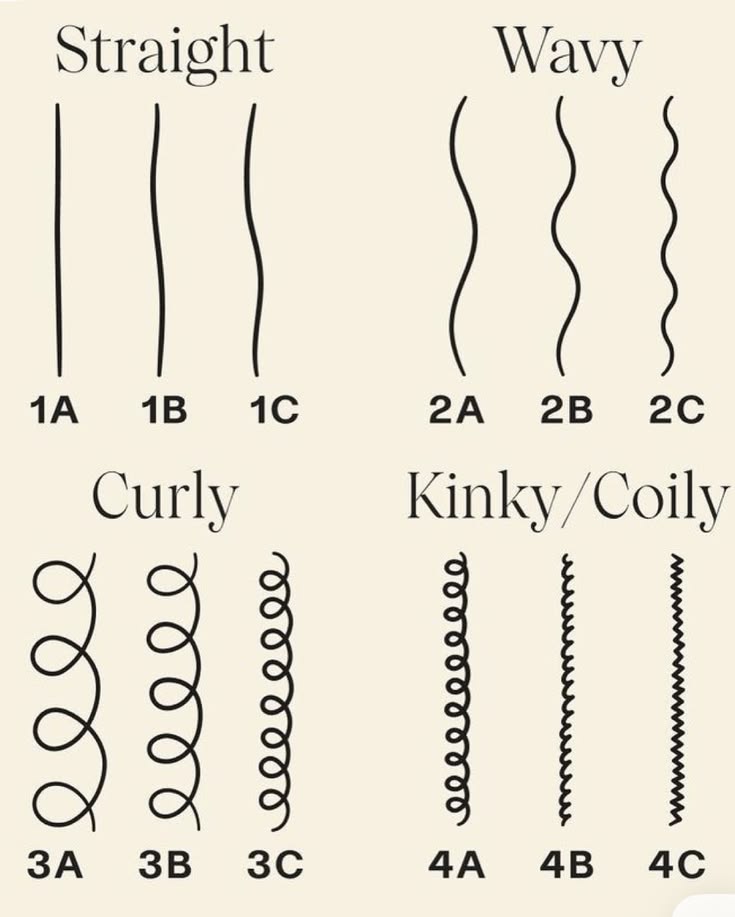
Type 1 Hair
This hair category is naturally straight and has little to no curl pattern.
Type 2 Hair
Type 2 hair is wavy and forms loose S-shaped patterns.
Type 3 Hair
This hair type is curly and typically forms visible spirals and ringlets.
Type 4 Hair
The type 4 hair is coily or kinky and consists of tightly curled strands.
Within Type 4 hair, there are three subcategories:
- 4A Hair
- 4B Hair
- 4C Hair
While all three belong to the same family, they have noticeable differences in curl definition, shrinkage, and overall appearance.
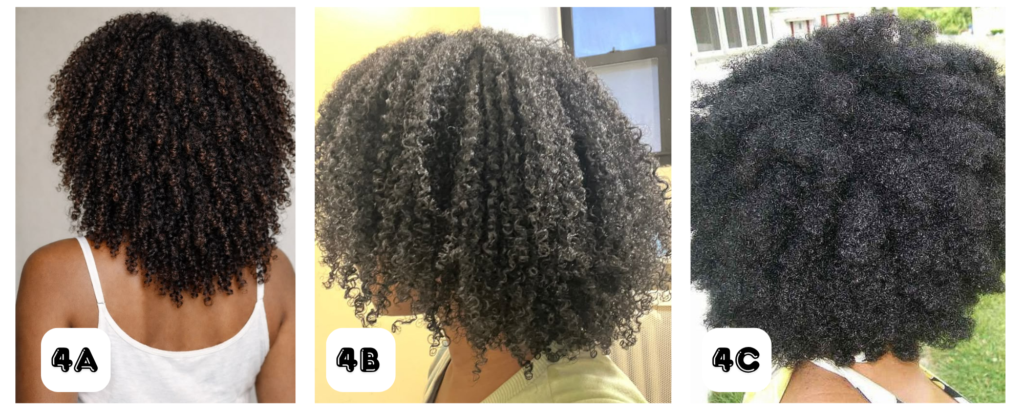
One important thing to remember is that many people have multiple curl patterns on the same head. You may notice that some sections of your hair appear more like 4B while other areas resemble 4C.
This is completely normal.
While hair typing can be a helpful guide, it shouldn’t be the main focus of your hair journey. Learning what your hair needs is often far more important than trying to fit it into a specific category.
If you’re still unsure about your texture, learning how to identify true 4C hair can help you better understand where your hair falls within the Type 4 category.
Key Characteristics of 4C Hair
Although every person’s hair is unique, most 4C hair shares several common characteristics. Understanding these traits can help you care for your hair more effectively and set realistic expectations throughout your natural hair journey.
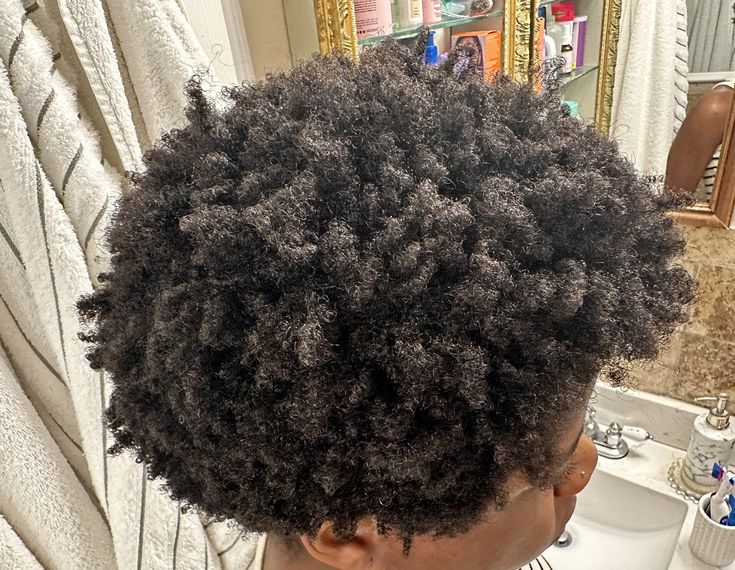
Tight Coil Pattern
The most obvious characteristic of 4C hair is its tightly coiled structure.
Unlike looser curl patterns that form visible ringlets, this hair type typically consists of very small coils, bends, and zig-zag patterns. In some cases, the curl pattern may not be immediately visible until individual strands are examined closely.
This tightly coiled structure is what gives 4C hair its unique appearance and versatility.
Significant Shrinkage
Shrinkage is one of the defining features of 4C hair.
Many people are surprised to discover that their hair is much longer than it appears. Depending on the individual, 4C hair can shrink by 50% to 75% of its stretched length.
While some people see shrinkage as a problem, it is often a sign of healthy, elastic hair.
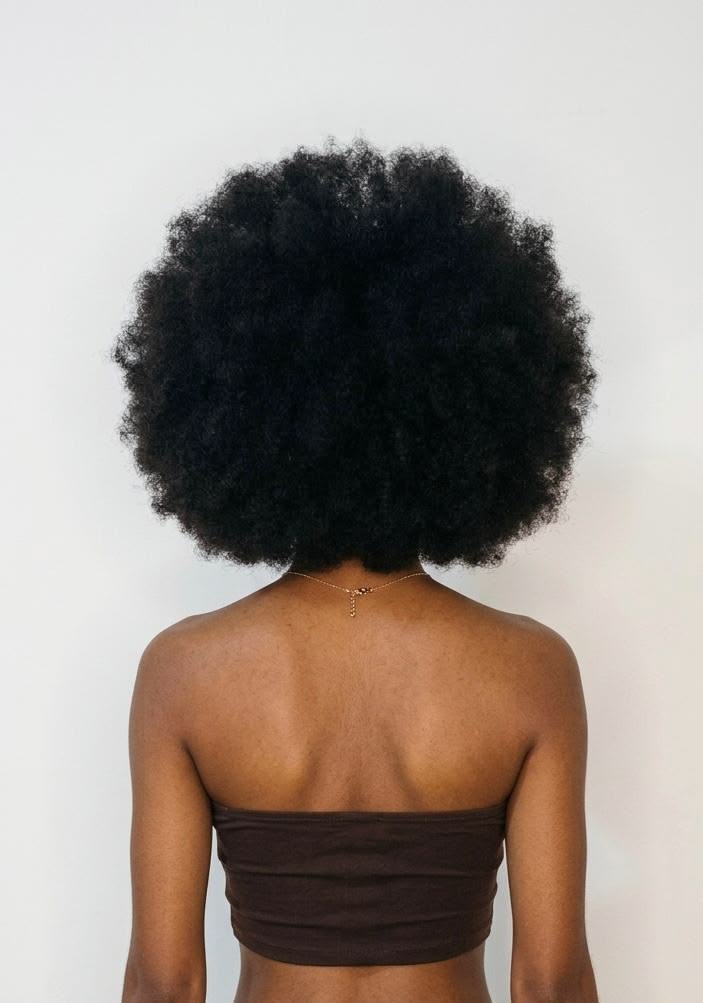
Natural Volume
One of the biggest strengths of 4C hair is its volume.
Because the strands naturally grow upward and outward, 4C hair can create beautiful, full styles that many other hair types cannot easily achieve.
Afros, puffs, twist-outs, and braid-outs often showcase the impressive fullness of natural 4C hair.
Tendency Toward Dryness
4C hair often requires extra attention when it comes to moisture.
The tight coils make it difficult for natural scalp oils to travel down the hair shaft. As a result, moisture may not distribute evenly from root to tip.
This is one reason many people begin exploring why their hair won’t hold moisture and learning about the complete guide to hair porosity for 4C hair.
Fragility and Breakage
Although 4C hair is beautiful and versatile, its tight coils can create weak points along the strand.
This does not mean 4C hair is weak. However, it does mean that gentle handling is important.
Many people who struggle with retaining length eventually discover that reducing breakage is more important than trying to force faster growth. Understanding how to stop 4C hair breakage can make a significant difference over time.
For a more detailed breakdown of these traits, you may want to explore 4C hair characteristics explained.
How to Identify True 4C Hair
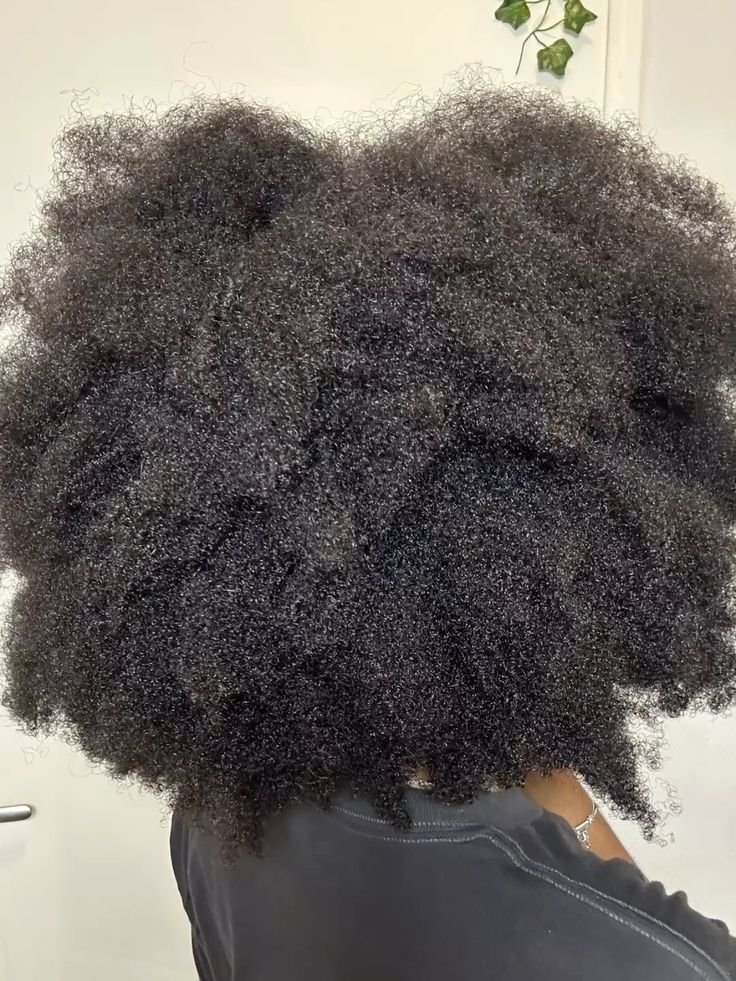
Many people wonder if they truly have 4C hair or another Type 4 texture.
The easiest way to identify 4C hair is by looking at the overall behavior of the hair rather than focusing on a single characteristic.
One sign is the lack of visible curl definition. While 4A hair often forms obvious coils and ringlets, 4C hair tends to have much tighter patterns that may be difficult to see without stretching the hair.
Another clue is shrinkage.
If your hair appears dramatically shorter than its stretched length, there’s a good chance you have 4C hair.
Volume is also common. Many people with this natural hair type notice that their hair appears very full, even when relatively short.
However, hair typing is not always straightforward.
Some people have multiple textures throughout their hair. For example, one section may behave more like 4B hair while another section behaves more like 4C hair.
This is perfectly normal.
Instead of becoming overly focused on labels, use hair typing as a tool to better understand your hair’s needs.
If you’re still uncertain, our guide on how to identify true 4C hair will provide a much deeper assessment process.
How 4C Hair Differs From 4A and 4B Hair
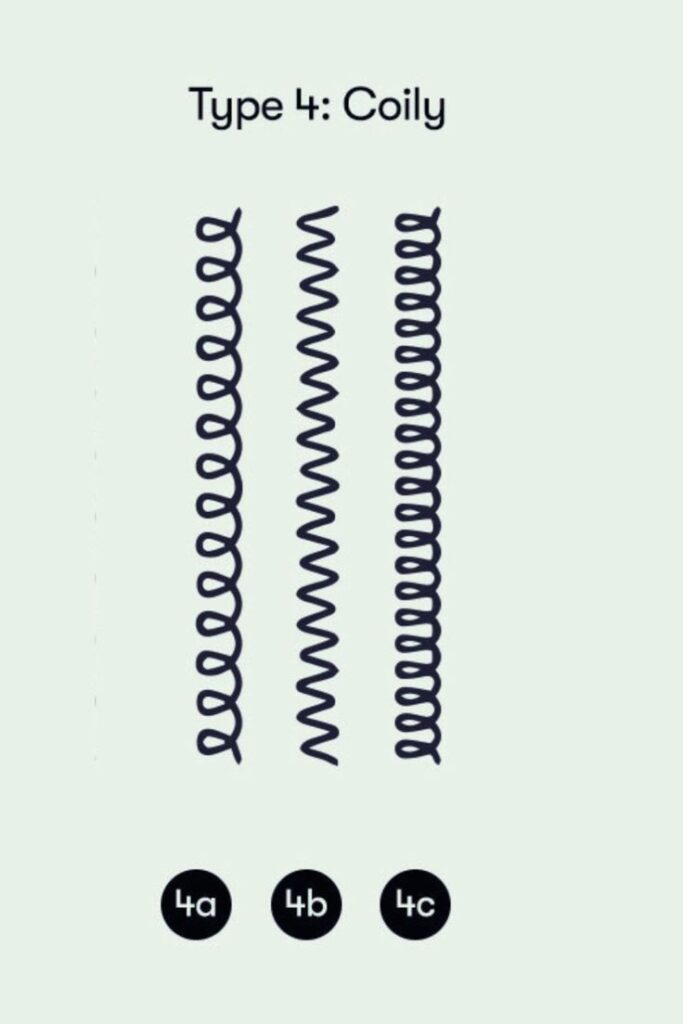
Although 4A, 4B, and 4C hair all belong to the Type 4 category, they each have distinct characteristics.
4A Hair
The 4A hair typically forms small, clearly defined S-shaped curls.
The curl pattern is often easy to see, and the hair usually appears more defined even without styling products.
4B Hair
4B hair generally has a tighter zig-zag pattern.
It may not form obvious ringlets, but the texture is often more visibly patterned than 4C hair.
4C Hair
4C hair has the tightest curl pattern of the three.
The coils are extremely compact, which contributes to higher levels of shrinkage and often creates the appearance of shorter hair.
Because of its structure, 4C hair may also require more deliberate moisture management than some other hair types.
However, these differences do not make one hair type better than another.
Every texture has its own strengths, challenges, and beauty.
The goal should never be to compare hair types but to understand what your specific hair needs in order to thrive.
This understanding becomes especially important when learning the truth about 4C hair growth, improving moisture retention, and developing healthy long-term hair care habits.
Why 4C Hair Shrinks So Much
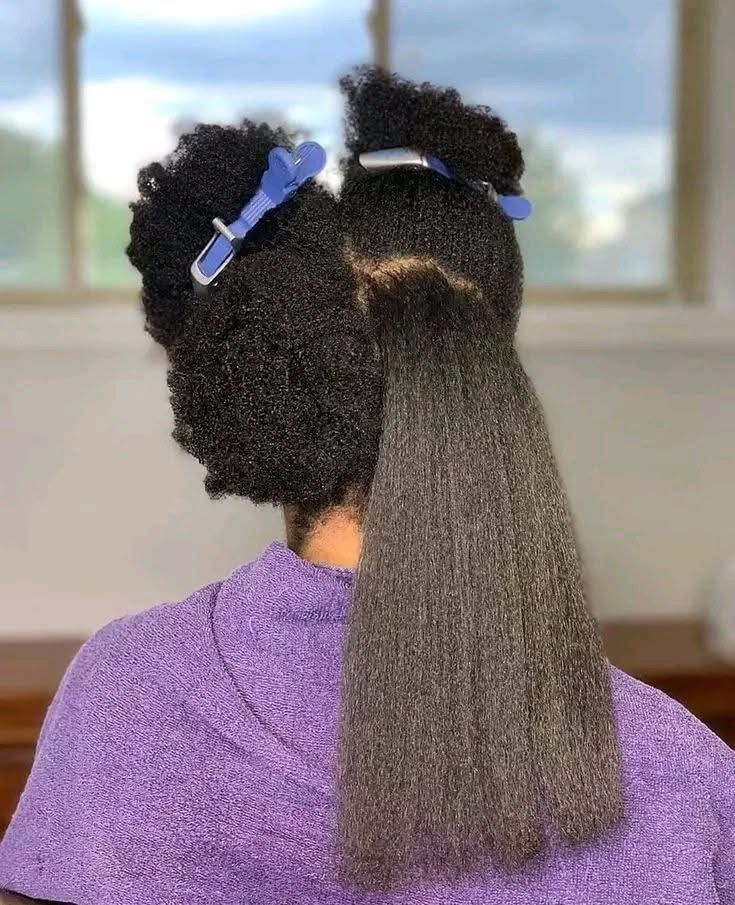
One of the first things people notice about 4C hair is shrinkage.
You may wash your hair and notice that it appears to be only a few inches long. However, once you stretch it, you discover that it is significantly longer than it looked in its natural state.
This often surprises beginners and sometimes leads them to believe their hair is not growing.
In reality, shrinkage is a completely normal characteristic of healthy 4C hair.
The tight coils in 4C hair naturally wrap around themselves. As the hair dries, the strands contract and pull inward, making the hair appear shorter.
Depending on your hair’s texture, density, and elasticity, shrinkage can reduce the visible length of your hair by more than half.
While many people try to eliminate shrinkage completely, it is important to understand that shrinkage is not a sign of unhealthy hair.
In fact, healthy hair often shrinks because it has the elasticity needed to contract and expand without breaking.
This is one reason many people become concerned about growth when the real issue is visibility. Understanding the truth about 4C hair growth can help you separate actual growth from the visual effects of shrinkage.
For those who want to see more visible progress, learning length retention tips that actually work for 4C hair can be just as important as learning how to grow 4C hair faster naturally.
Rather than viewing shrinkage as an enemy, many naturals learn to embrace it as part of what makes 4C hair unique.
Common Myths About 4C Hair
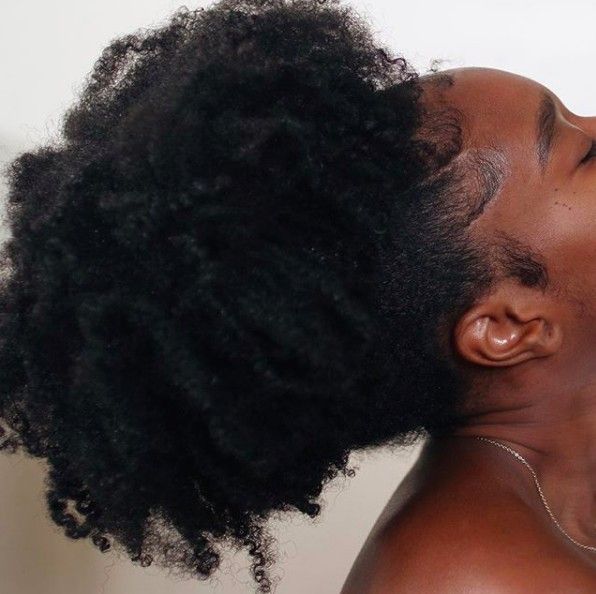
Unfortunately, 4C hair has been surrounded by misinformation for years.
Many of these myths discourage people from embracing their natural texture and can create unrealistic expectations about hair care.
Let’s look at some of the most common misconceptions.
1. 4C Hair Does Not Grow
This is perhaps the biggest myth of all.
4C hair grows from the scalp just like every other hair type. The challenge is often retaining that growth rather than producing it.
Many people who think their hair is not growing are actually experiencing breakage or shrinkage.
This is why understanding the truth about 4C hair growth is so important.
2. 4C Hair Is Naturally Damaged
Healthy hair and hair texture are two completely different things.
A person can have healthy 4C hair just as easily as someone can have unhealthy straight hair.
Hair health depends on factors such as moisture, breakage, scalp care, and maintenance habits.
3. 4C Hair Cannot Retain Length
Many people with 4C hair have successfully grown their hair to waist length and beyond.
The secret is often not faster growth but better length retention.
Reducing breakage and maintaining healthy habits can make a significant difference over time.
4. More Products Equal Better Hair
Many beginners purchase dozens of products hoping to find a miracle solution.
In reality, consistency usually matters more than having a large collection of products.
A simple routine performed regularly often produces better results than constantly switching products.
5. Protective Styles Automatically Lead to Growth
Protective styles can be beneficial, but only when they are installed and maintained properly.
Styles that are too tight can cause tension, breakage, and even hair loss.
Learning about the best protective styles for 4C hair can help you choose options that truly support healthy hair.
If you want a deeper look at these misconceptions, our guide on the biggest myths about 4C hair explores them in greater detail.
Can 4C Hair Grow Long?
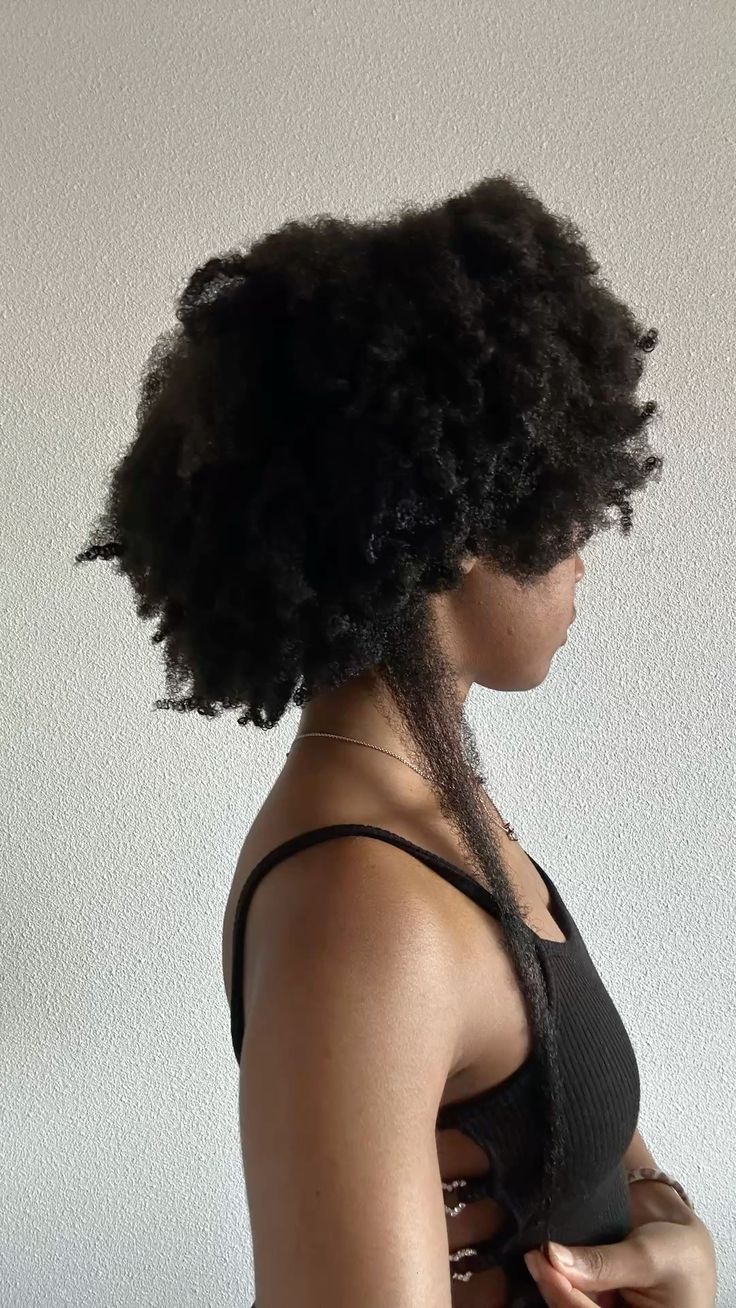
One of the most frequently asked questions in the natural hair community is ‘Can 4c hair grow long’?
The simple answer is yes.
4C hair can grow just as long as any other hair type.
The reason many people believe otherwise is because shrinkage can hide length, while breakage can prevent them from seeing the results of their growth.
Hair growth happens at the scalp.
Length retention happens along the hair shaft.
If hair grows half an inch each month but that same amount breaks off from the ends, it may appear as though no progress is being made.
This is why many experienced naturals focus on protecting the hair they already have rather than obsessing over growth products.
Practices such as gentle detangling, proper moisturizing, nighttime protection, and minimizing unnecessary manipulation can help improve retention.
Many people who achieve impressive results spend more time learning how to stop 4C hair breakage than searching for miracle growth products.
Likewise, understanding how to grow 4C hair faster naturally should always be paired with realistic expectations and healthy habits.
The good news is that healthy hair practices benefit all hair types, including 4C hair.
With patience, consistency, and proper care, long and healthy 4C hair is absolutely achievable.
What Does 4C Hair Need to Thrive?
While every person’s hair is unique, most healthy 4C hair routines are built around a few key principles.
Understanding these principles can help you avoid unnecessary frustration and focus on what truly matters.
Moisture
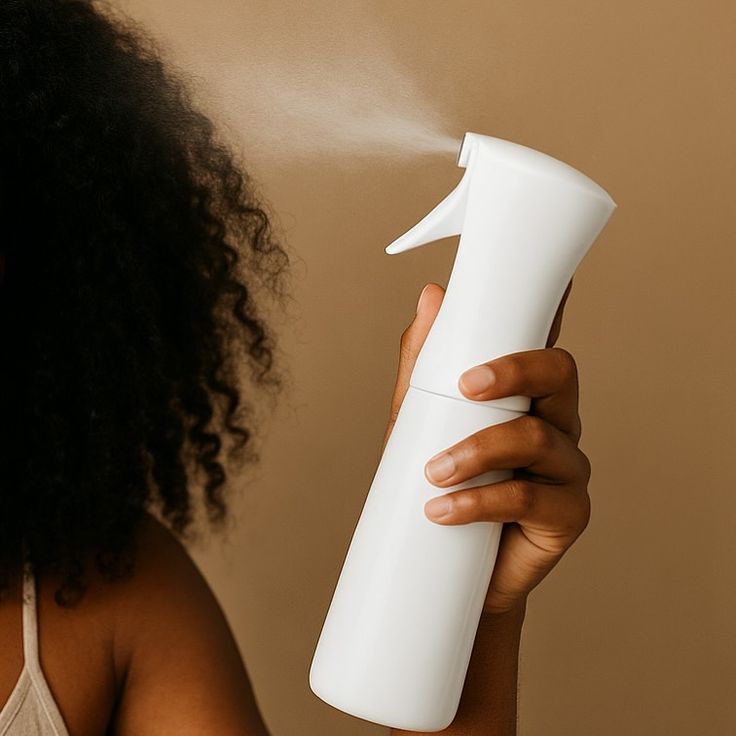
One of the most important needs of 4C hair is moisture.
Because natural oils have difficulty traveling down tightly coiled strands, 4C hair can become dry more quickly than some other hair types.
Keeping your hair moisturized can help improve softness, manageability, and overall hair health.
If moisture retention is a constant struggle, you may benefit from learning more about why your hair won’t hold moisture and understanding the complete guide to hair porosity for 4C hair.
Consistent Hair Care
A lot of beginners spend months searching for the perfect product when consistency is often the real solution.
Healthy hair is usually the result of simple habits repeated over time.
Following a regular daily hair care routine for 4C hair and a structured weekly hair care routine for healthy 4C hair can make a significant difference.
Consistency often produces better results than constantly changing products and routines.
Proper Cleansing
A clean scalp creates a better environment for healthy hair.
Product buildup, sweat, and dirt can accumulate over time, making regular cleansing important.
Many beginners wonder how often you should wash 4C hair, but the answer varies from person to person. The key is finding a schedule that keeps your scalp clean without causing excessive dryness.
Healthy Scalp Care
Healthy hair begins with a healthy scalp.
When the scalp is neglected, issues such as itchiness, buildup, and irritation can develop.
Understanding the connection between a healthy scalp and healthy hair can help you build a stronger foundation for long-term hair health.
Deep Conditioning
Deep conditioning can help improve moisture levels and support healthier-looking hair.
This is especially beneficial for people whose hair frequently feels dry or brittle.
Many naturals include the best deep conditioners for dry 4C hair as part of their regular maintenance routine.
Protective Styling
Protective styling can help reduce daily manipulation and support length retention.
However, protective styles should never be excessively tight or left in for too long.
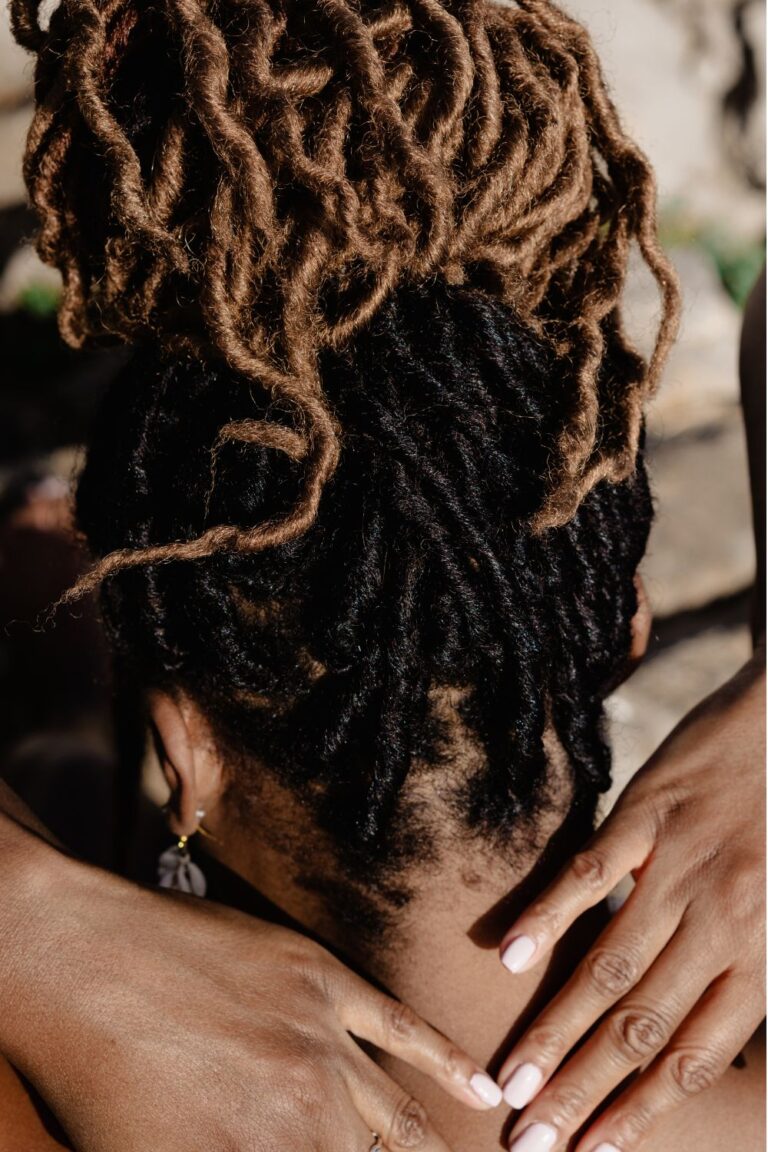
Learning about the best protective styles for 4C hair, like loose twists, mini braids, faux locks, and many more, can help you choose options that protect your hair while still maintaining scalp health and comfort.
Ultimately, healthy 4C hair does not require perfection.
It requires understanding your hair’s needs and consistently meeting them over time.
Final Thoughts
4C hair is one of the most versatile, beautiful, and unique hair textures in the world. While it has characteristics that differ from other hair types, those differences do not make it difficult or less manageable. They simply mean that 4C hair has its own needs.
Understanding your hair type is often the first step toward building a healthy relationship with your natural hair. Once you understand how 4C hair behaves, why it shrinks, how it retains moisture, and what helps it thrive, caring for it becomes much less overwhelming.
Regardless of if your goal is healthier hair, improved moisture retention, better length retention, or simply learning to appreciate your natural texture, the journey begins with education and consistency.
The more you learn about your hair, the more confident you’ll become in caring for it, and that’s where healthy hair journeys truly begin.


6 Comments