
How Often Should You Wash 4C Hair?
Disclosure: Some of the links in this post are affiliate links. This means if you click on the link and purchase an item, I will receive an affiliate commission at no extra cost to you.
There’s a lot of conflicting advice about how often you should wash 4C hair. Some people recommend washing every week, while others say you should wait several weeks to avoid drying your hair out.
After hearing so many different opinions, it’s easy to wonder which advice is actually right. The truth is, there isn’t one wash schedule that works for everyone.
How often you wash your hair depends on things like your lifestyle, the products you use, your scalp, and even the hairstyles you wear. Someone who exercises regularly or uses several styling products may need to wash more often than someone who keeps their hair in a long-term protective style.
Instead of following someone else’s routine, it’s much more helpful to learn the signs that your own hair is ready for a wash.
In this guide, you’ll learn how often to wash 4C hair, the signs it’s time for wash day, and how to build a routine that keeps both your hair and scalp healthy.

Signs It’s Time to Wash Your 4C Hair
Instead of counting the days until your next wash, pay attention to what your hair and scalp are telling you.
Your hair won’t always need washing on the exact same day every week. Some weeks, it may be ready sooner. Other times, it may stay fresh for a little longer.
Learning to recognize these signs can help you wash your hair when it actually needs it instead of following a schedule that doesn’t suit your routine.
Your Scalp Feels Itchy
An itchy scalp is one of the first signs that it’s probably time for wash day.
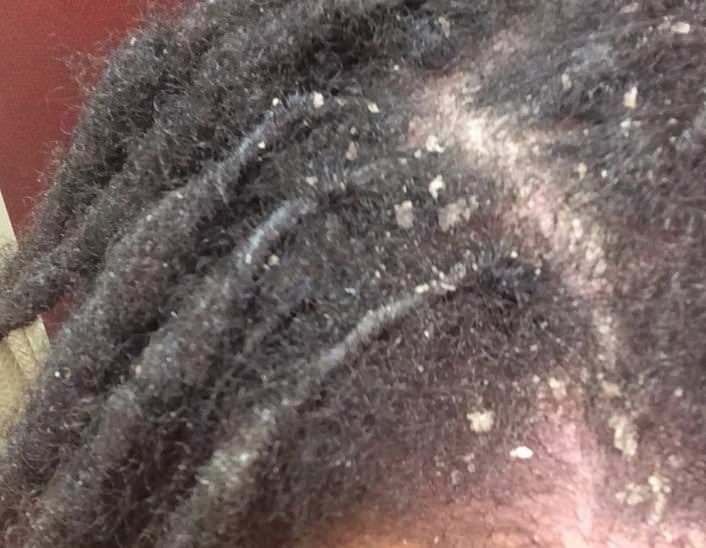
A little itching from time to time is completely normal. However, if your scalp has been feeling uncomfortable for several days or scratching has become more frequent, product buildup, sweat, or excess oil may be the cause.
Washing your hair helps remove that buildup and gives your scalp a chance to feel fresh again.

Your Hair Feels Coated
Have you ever moisturized your hair, only to feel like the product is just sitting on top?
That’s often a sign that your hair isn’t asking for more cream or oil; it needs a good cleanse first.
As styling products build up, they create a barrier that makes it harder for moisture to reach your strands. Even your favorite leave-in conditioner won’t perform as well if your hair is covered in weeks of residue.
Your Hair Doesn’t Stay Moisturized
If your hair feels dry again shortly after moisturizing, don’t assume you need a new product. Sometimes your strands simply need to be cleaned first.
When buildup collects on your hair, moisture has a harder time getting where it needs to go. Washing your hair removes that barrier and gives your moisturizer a better chance of doing its job.
If you’ve noticed this happening more often lately, it might be worth thinking about how long it’s been since your last wash instead of immediately reaching for another product.

Your Hair Has Lost Its Bounce
Freshly washed 4C hair often feels lighter, softer, and easier to work with.
As the days go by, that feeling can gradually change.
If your hair feels unusually heavy or harder to separate into sections, product buildup may be weighing it down. A good wash can help restore a clean and refreshed feeling on your hair.

Your Scalp Has an Unpleasant Smell
Your hair doesn’t have to look dirty before it’s time to wash it.
If your scalp has developed an odor after workouts, wearing hats, or keeping your hair in one style for several weeks, it’s usually a sign that sweat and buildup have collected over time.
A clean scalp doesn’t just feel better; it also creates a healthier environment for your hair.
Often, your hair doesn’t rely on just one sign to let you know it’s ready for a wash. You might notice an itchy scalp, hair that feels heavy, and moisture that doesn’t last as long, all at the same time.
The more familiar you become with those patterns, the easier it becomes to decide when wash day should happen instead of relying on a fixed schedule.
How Often Should You Wash 4C Hair?
By now, you’ve probably realized there isn’t a universal wash schedule for 4C hair.
Instead of asking, “What’s the right number of days?” a better question is, “What does my hair need based on how I care for it?”
For some people, washing once a week keeps their scalp feeling fresh and their hair manageable. Others find that every two or three weeks works perfectly because of their lifestyle or the styles they wear.
The goal isn’t to follow the shortest or longest schedule. It’s to wash your hair often enough to keep your scalp clean while giving your strands the moisture they need.
Let’s look at a few common routines.

Washing Once a Week
A weekly wash routine works well for many people, especially if they’re physically active or regularly use styling products.
If you exercise several times a week, sweat heavily, or enjoy styles that require gels and creams, washing every seven days can help prevent buildup from becoming excessive.
Weekly washing also gives you the chance to remove dirt and sweat before they begin affecting your scalp.
That doesn’t mean you need to use a harsh shampoo every week. Many people alternate between a moisturizing shampoo and a gentler cleanser to avoid stripping their hair.
If your hair feels comfortable with a weekly routine and stays moisturized afterward, there’s usually no reason to stretch your wash days just because someone else does.
Washing Every Two Weeks
For many people with 4C hair, washing every two weeks provides a nice balance.
It gives your scalp enough time to produce its natural oils without allowing heavy buildup to collect for too long.
This schedule often works well if you wear low-manipulation styles, don’t exercise intensely every day, and use a moderate amount of styling products.
Many people also find that a two-week routine fits comfortably into their lifestyle, making it easier to stay consistent throughout the year.
Washing Every Three to Four Weeks
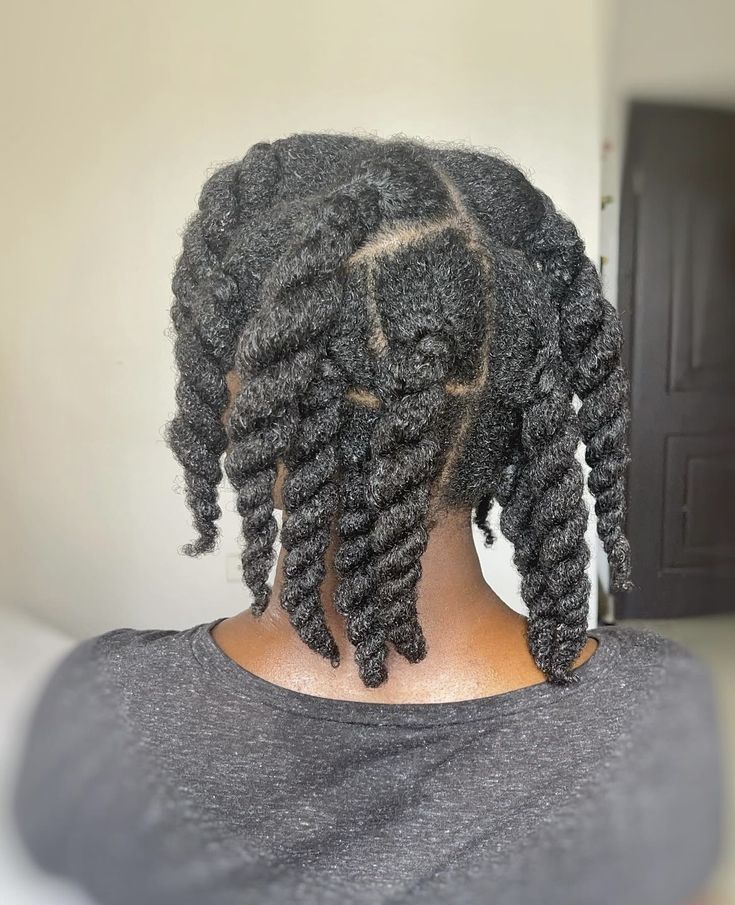
Some people successfully wash their hair every three to four weeks, particularly when wearing long-term protective styles.
However, this schedule works best when the scalp is still being cared for between wash days.
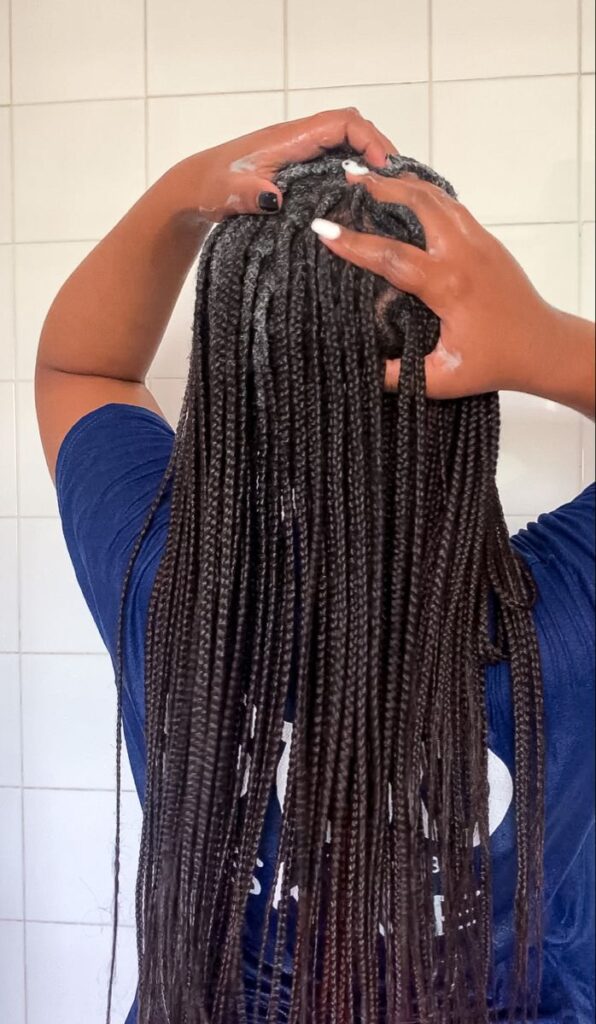
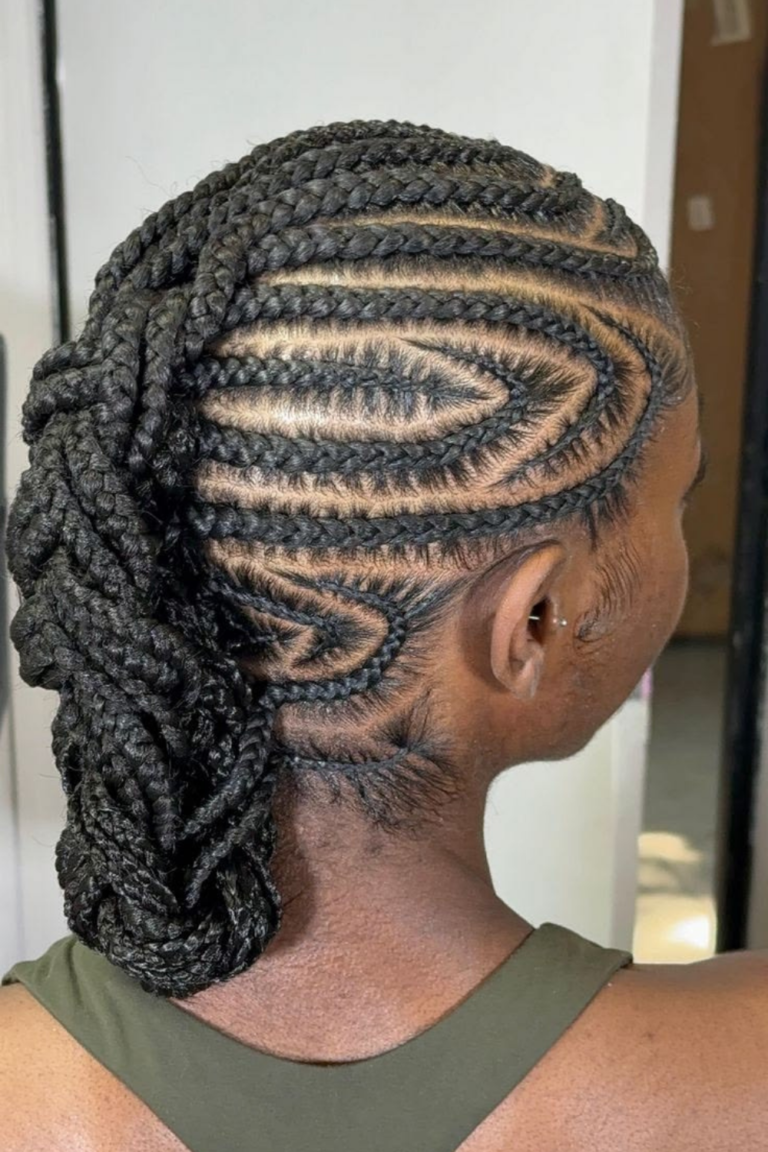
For example, if your hair is in braids or twists, you can still gently cleanse your scalp with a diluted shampoo or scalp cleanser without completely taking the style down.
If you notice itching, unpleasant odor, heavy buildup, or flakes before the month is over, those signs shouldn’t be ignored simply because your calendar says it’s not wash day yet.
Your hair and scalp should always have the final say. A wash schedule should support your hair and not control it.
If you’ve recently changed your routine, started working out more often, or switched to a different hairstyle, don’t be surprised if your wash schedule changes too. Healthy hair routines are meant to adapt as your needs change.
What Happens If You Wash 4C Hair Too Often?
Washing your hair regularly is important, but more isn’t always better.
If you shampoo your hair too frequently, especially with a harsh cleanser, you can remove more than just dirt and product buildup. You may also strip away some of the natural oils that help keep your hair soft and flexible.
Since 4C hair already has a harder time distributing those natural oils from the scalp to the ends, washing too often without replacing that moisture can leave your strands feeling dry.
That’s why many people mistake frequent washing for the cause of dryness.
In reality, it’s often what happens after wash day that makes the biggest difference.
If your hair isn’t moisturized after cleansing, or you’re using a shampoo that’s stronger than your hair needs, dryness is much more likely to become a problem.
A good wash routine doesn’t end with shampoo.
Following up with a moisturizing conditioner, a leave-in conditioner, and sealing in moisture helps your hair recover from the cleansing process. Those steps are what keep your strands feeling soft long after wash day is over.
Another thing to remember is that overwashing doesn’t affect everyone in the same way.
Someone who swims several times a week or exercises daily may naturally wash their hair more often than someone who spends most of the month in protective styles. What matters is if you’re replacing moisture after each wash and paying attention to how your hair responds.
If your hair feels soft, manageable, and healthy, your current routine is probably working.
What Happens If You Don’t Wash Your Hair Often Enough?
Waiting too long between wash days can create a different set of problems.
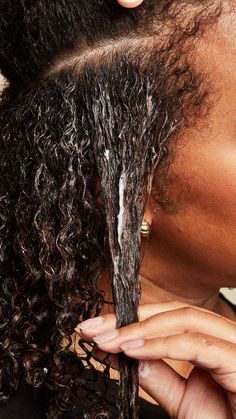
Over time, sweat, natural oils, dust, and styling products begin collecting on your scalp and strands. Even if your hair still looks neat on the outside, buildup can gradually make it more difficult for moisture to penetrate your hair.
That’s one reason your favorite moisturizer may suddenly seem less effective than it used to.
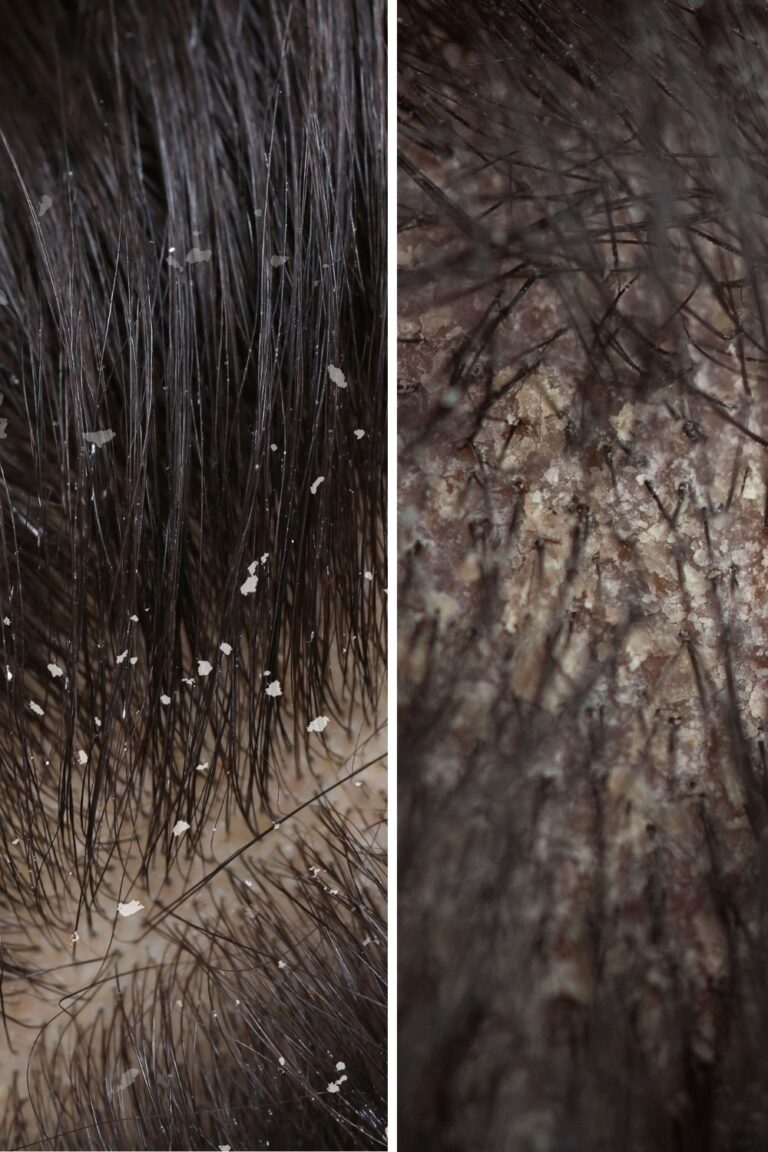
Leaving buildup on your scalp for too long can also lead to itching, flakes, unpleasant odors, and increased discomfort.
Your scalp is living skin, and just like the rest of your body, it benefits from being cleaned regularly.
That doesn’t mean you need to wash your hair every day. It simply means that stretching wash days too far can make it harder to maintain a healthy scalp.
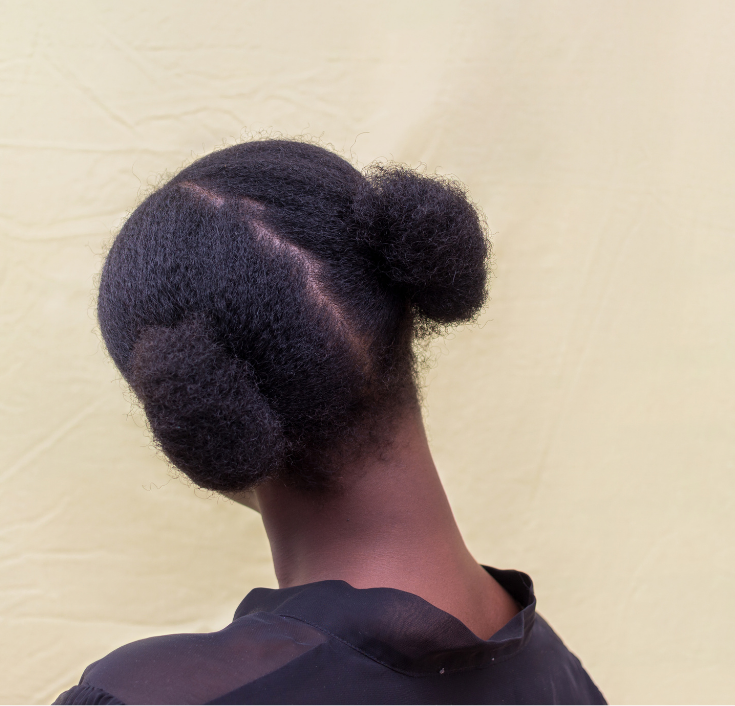
A clean scalp also gives your products a better chance to work. When buildup is removed, conditioners and moisturizers can reach your strands more easily, helping your hair stay softer and easier to manage throughout the week.
Instead of choosing between washing “too often” or “not enough,” focus on finding the schedule that keeps your scalp comfortable and your hair healthy.
How to Know Your Wash Routine Is Working
Finding the right wash schedule isn’t about following a strict calendar. It’s about paying attention to how your hair responds over time.
If your routine is working, you’ll usually notice small improvements before you see dramatic changes in length. Your hair may become easier to manage, stay moisturized longer, or require less effort on wash day.
Here are a few signs you’re on the right track.
Your Scalp Feels Comfortable
A healthy scalp shouldn’t constantly feel itchy, irritated, or uncomfortable.
If your scalp feels clean for most of the time between wash days without becoming excessively dry or oily, your current schedule is probably working well.

Your Hair Stays Moisturized Longer
Moisture naturally fades over time, but if your hair stays soft for several days after moisturizing instead of becoming dry almost immediately, that’s a good sign your routine is supporting healthy hair.
Clean hair often absorbs moisture much better than hair that’s covered in weeks of product buildup.
Wash Day Doesn’t Feel Like a Chore
One of the biggest signs that you’ve found a routine that works is that wash day becomes more predictable.
Your hair detangles more easily, your products work the way you expect them to, and you spend less time trying to fix problems because you’re preventing many of them before they start.
Those are all signs that your routine is supporting healthy hair rather than working against it.

Healthy hair routines don’t always produce overnight results, but they do become easier to maintain over time. If your hair feels cleaner, softer, and easier to care for than it did a few months ago, that’s a sign you’re moving in the right direction.
Frequently Asked Question
Can I Wash My 4C Hair With Just Water?
Water helps remove sweat and refresh your hair, but it won’t remove product buildup, excess oil, or dirt as effectively as a shampoo. While rinsing with water can be useful between wash days, using a shampoo regularly is still important for maintaining a healthy scalp.
Should I Shampoo Every Wash Day?
For most people, yes.
Shampoo is designed to cleanse your scalp and remove buildup. Choosing a gentle, moisturizing shampoo can help clean your hair without leaving it feeling stripped.
If your hair tends to feel dry after shampooing, focus on restoring moisture with a good conditioner rather than skipping shampoo altogether.
Can I Wash My Hair While It’s in Braids?
Yes.
You don’t always have to remove your braids before washing your hair. Many people gently cleanse their scalp while wearing braids or twists to remove sweat and buildup without taking the style down.
The key is to focus on cleaning your scalp and allowing your hair to dry thoroughly afterward.
Does Washing My Hair Make It Grow Faster?
No.
Washing your hair doesn’t directly increase the rate at which it grows.
Hair growth happens beneath the scalp, and it’s largely influenced by factors like genetics and overall health. However, keeping your scalp clean creates a healthier environment for new hair growth and can make it easier to retain the length you already have.
That’s why regular cleansing is still an important part of a healthy hair routine.
There isn’t a perfect wash schedule that works for everyone with 4C hair, and that’s completely okay.
Final Thoughts

The best routine is the one that keeps your scalp feeling clean, your hair properly moisturized, and your wash days manageable. For some people, that means washing every week. For others, every two or even three weeks may be a better fit. What matters most is paying attention to how your own hair responds rather than trying to match someone else’s routine.
As you become more familiar with your hair, you’ll start noticing the little signs. You’ll know when your scalp needs a fresh cleanse, when your strands are asking for moisture, and when it’s time to stop adding products and simply wash your hair.
Those observations are far more valuable than following a fixed schedule because they’re based on what your hair actually needs.
If your current routine leaves your hair feeling soft, your scalp comfortable, and your wash days less stressful than they used to be, you’re probably doing more right than you think. And if you’re still trying to find the schedule that works best, don’t worry. A few small adjustments can make a noticeable difference over time.
Remember, healthy 4C hair isn’t built by washing your hair as often as possible or stretching wash day for as long as you can. It’s built by finding a routine you can follow consistently, one that keeps your hair and scalp healthy month after month.
So the next time you’re wondering if it’s time for wash day, don’t look at the calendar first.
Take a moment to check in with your hair. It usually knows the answer before you do.



8 Comments