
How To Identify True 4C Hair
Disclosure: Some of the links in this post are affiliate links. This means if you click on the link and purchase an item, I will receive an affiliate commission at no extra cost to you.
Many people assume they have 4C hair simply because their hair is tightly coiled. Others spend years trying to figure out if their texture falls into the 4A, 4B, or 4C category. The truth is that identifying your hair type is not always as simple as comparing your hair to a photo online.
Natural hair can behave differently depending on factors such as moisture levels, styling methods, shrinkage, and even product buildup. This is why two people with similar-looking hair may have completely different textures once their hair is stretched or properly cared for.
Understanding your hair type can help you make better decisions about products, styling techniques, and overall hair care. If you’re still learning the basics, our what is 4c hair guide provides a solid foundation before diving deeper into texture identification.
In this guide, you’ll learn the most reliable signs of true 4C hair, how it differs from other Type 4 textures, and how to determine if your hair genuinely falls into the 4C category.

Why Identifying Your Hair Type Matters
Knowing your hair type helps you understand how your hair behaves and what it needs to stay healthy. While hair typing should never become an obsession, it can provide useful guidance when choosing products, protective styles, and maintenance routines.
For example, someone with tightly coiled hair may need a different approach to moisture retention than someone with a looser curl pattern. Understanding your texture can also help you avoid unrealistic expectations when comparing your hair to what you see on social media.
Hair type is only one piece of the puzzle. Factors such as hair density, hair thickness and understanding hair porosity can also influence how your hair responds to products and styling methods.
Most importantly, identifying your texture helps you create a routine that works specifically for your hair instead of following advice that may not suit your needs.

What Exactly Is True 4C Hair?
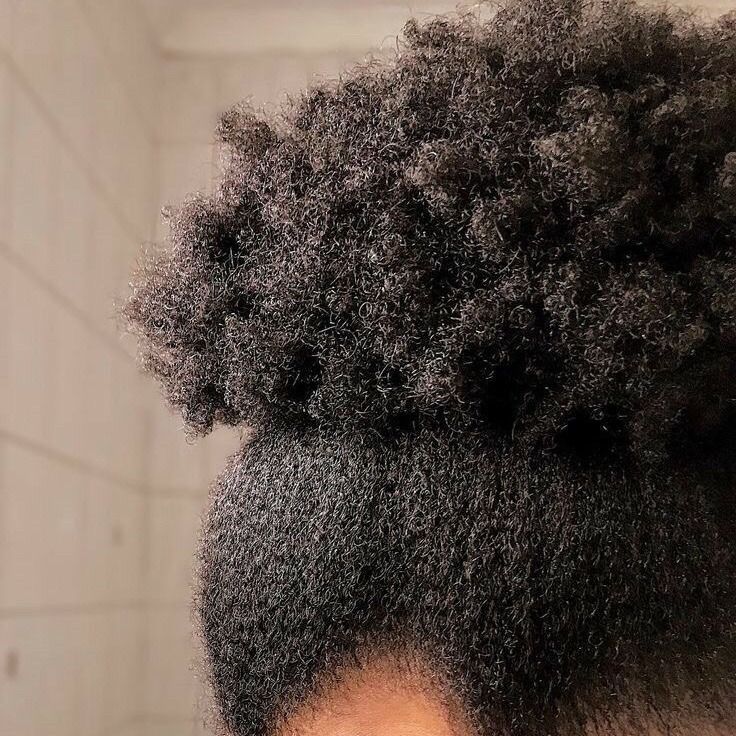
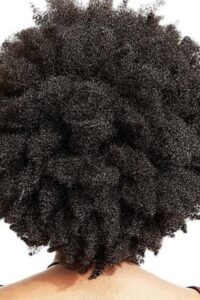
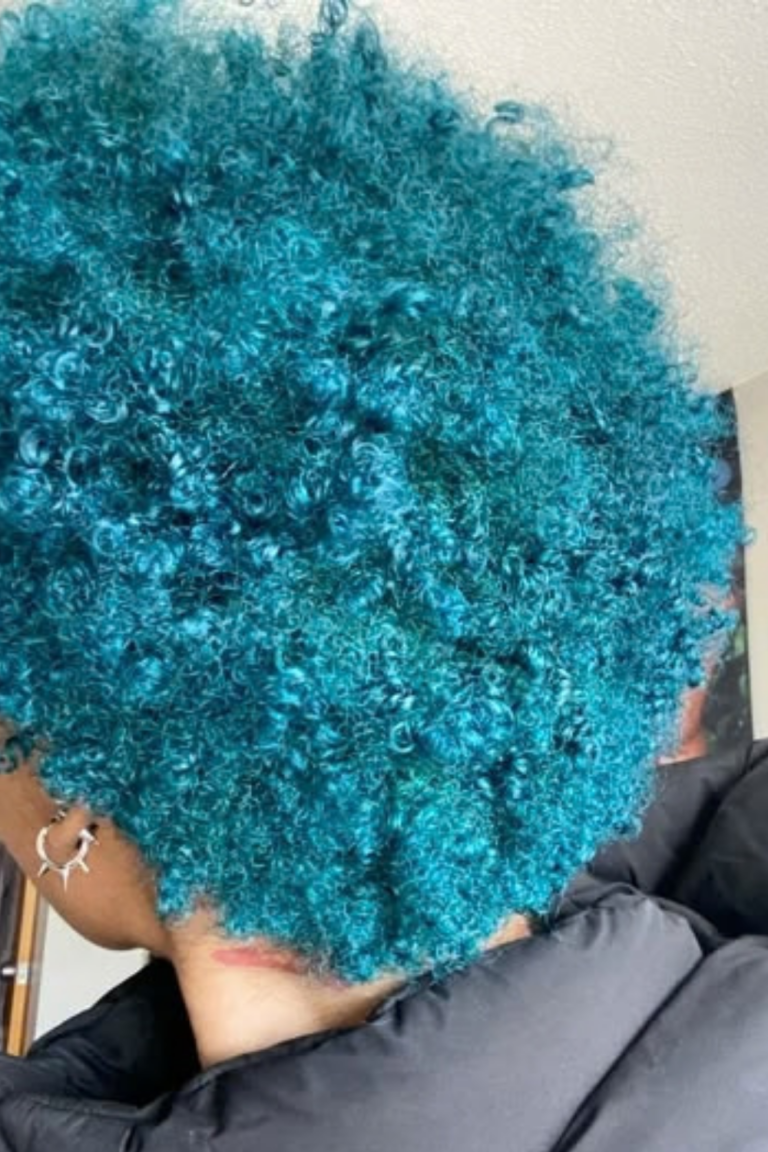
True 4C hair is the tightest texture within the Type 4 hair category. It consists of densely packed coils that often shrink significantly after washing or moisturizing. While the curl pattern exists, it may not always be clearly visible without stretching or defining the hair.
One of the biggest misconceptions about 4C hair is that it has no curl pattern, but in reality, the coils are just simply much tighter and more compact than those found in 4A or 4B hair. This tight structure is what gives 4C hair its impressive volume, versatility, and unique appearance.
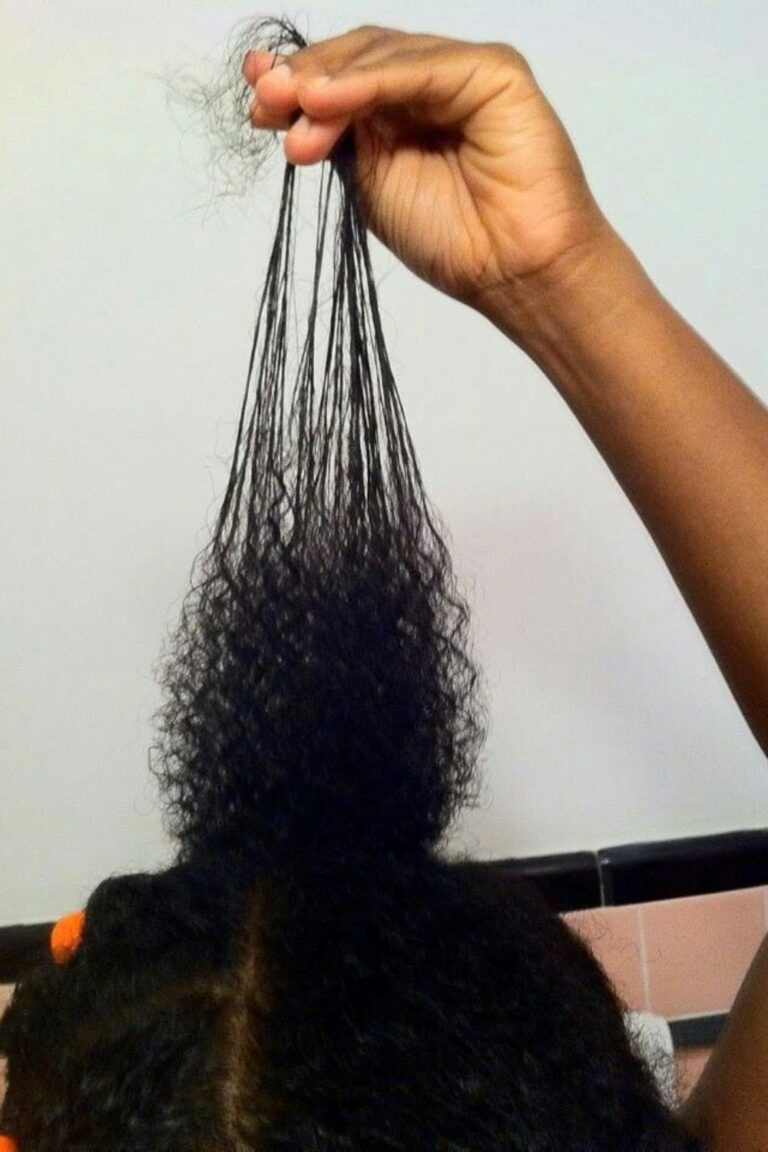
Another defining characteristic of 4C hair is shrinkage. Hair that appears only a few inches long can often stretch to twice or even three times its visible length. This is completely normal and is one of the easiest ways to recognize the texture.
If you’re new to natural hair care, our ultimate beginner’s guide to 4c hair explains the fundamentals of caring for tightly coiled hair and building a healthy routine from the start.
Signs You May Have True 4C Hair
Not everyone with tightly coiled hair has 4C hair. However, there are a few characteristics that consistently appear among people with true 4C hair. If several of the signs below sound familiar, there’s a good chance your hair falls into this category.
Significant Shrinkage
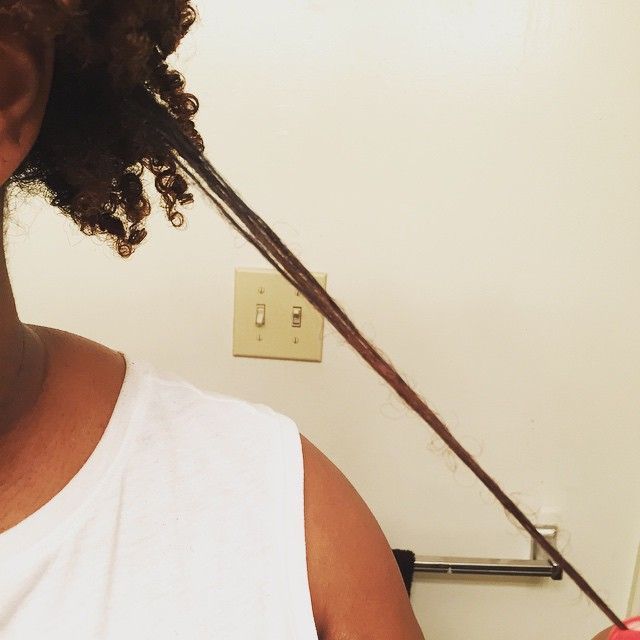
One of the most noticeable traits of 4C hair is shrinkage. After washing your hair, you may notice that it appears much shorter than it actually is. In some cases, hair can shrink by 50% to 80% of its true length.
This often surprises people who are trying to measure their growth progress. Hair that appears shoulder-length when stretched may look only a few inches long when it naturally shrinks into its coil pattern.
Shrinkage is not a sign that your hair is unhealthy or failing to grow. In fact, it is often a sign that your strands are maintaining their natural elasticity. If shrinkage frustrates you, understanding 4c hair shrinkage explained can help you learn how to work with your texture instead of against it.
Many people spend years believing their hair isn’t growing, only to discover that shrinkage has been hiding much of their actual length all along.
Very Tight Coil Pattern
Another defining feature of 4C hair is its extremely tight coil pattern. Unlike 4A hair, which often forms clearly visible curls, 4C hair coils tend to be much smaller and more compact.
In some cases, the coils may appear more like tiny zig-zags than traditional curls. Depending on your hair’s density and moisture level, the pattern may be difficult to see without stretching or defining the strands.
This is one reason many people mistakenly assume they don’t have a curl pattern. The coils are there, but they are tightly packed together and may not be immediately visible in their natural state.
Because of this unique structure, 4C hair is incredibly versatile and can be styled in many different ways while maintaining its natural volume and character.
Cotton-Like Texture
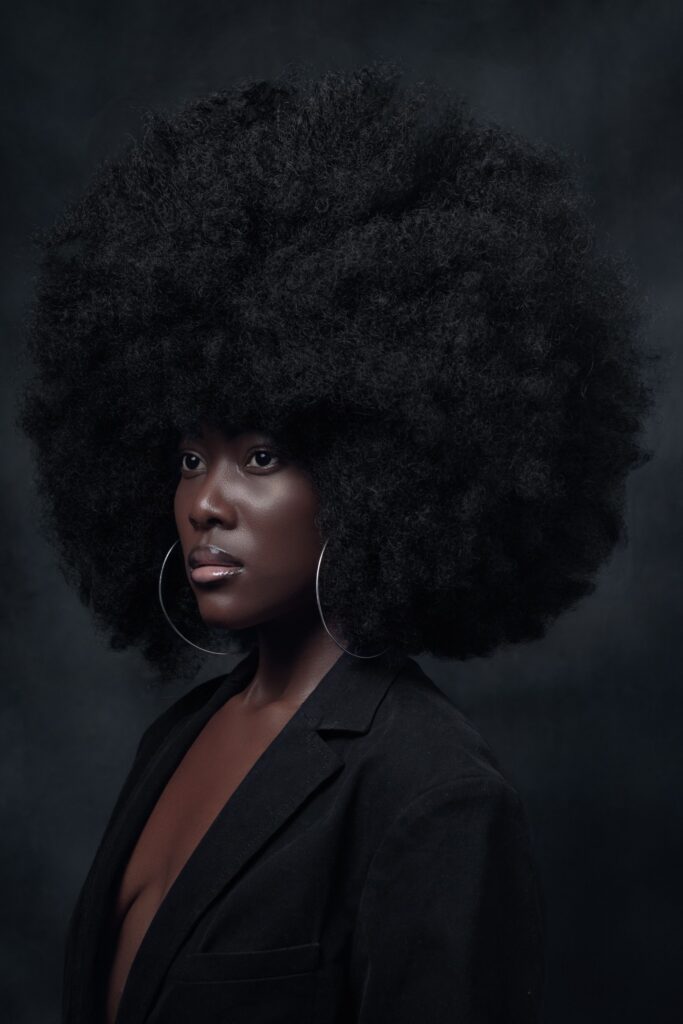
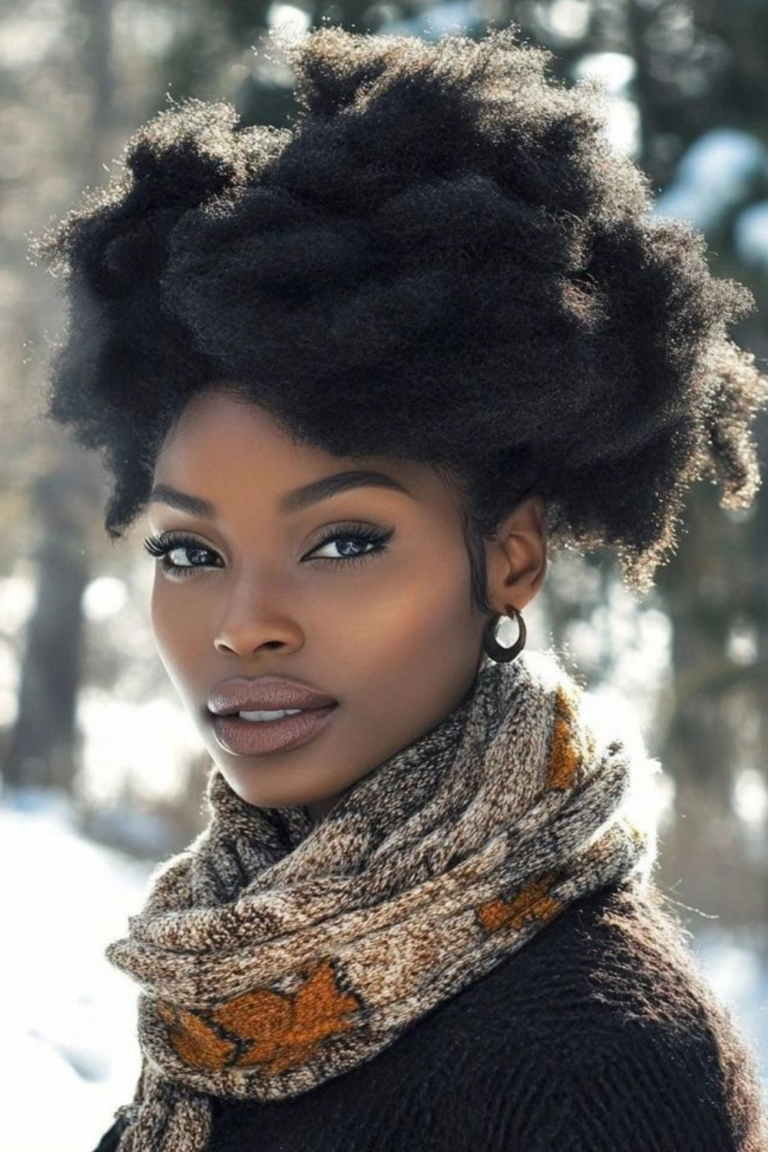
Many people describe 4C hair as having a soft, cotton-like feel. Instead of forming large visible curls, the strands often create a fluffy texture that contributes to the hair’s fullness and volume.
This texture can vary from person to person. Some people may have finer strands, while others have thicker strands. However, the overall appearance often remains soft, dense, and cloud-like.
It’s important to remember that texture and curl pattern are not exactly the same thing. Two people can both have 4C hair while having completely different strand thicknesses, densities, and styling preferences.
High Volume and Density
True 4C hair is often known for its impressive volume. Even when the hair is relatively short, it can create a full and bold appearance because of the way the coils naturally stack and expand.
Many people with 4C hair also have high-density hair, meaning they have a large number of strands growing from their scalp. This density contributes to the thick, voluminous look that many people admire.
That said, not every person with 4C hair has high density. Some individuals may have lower-density hair while still maintaining the same coil pattern.
Recognizing the difference between curl pattern, density, and strand thickness will help you identify your texture more accurately and choose products that support your hair’s needs.
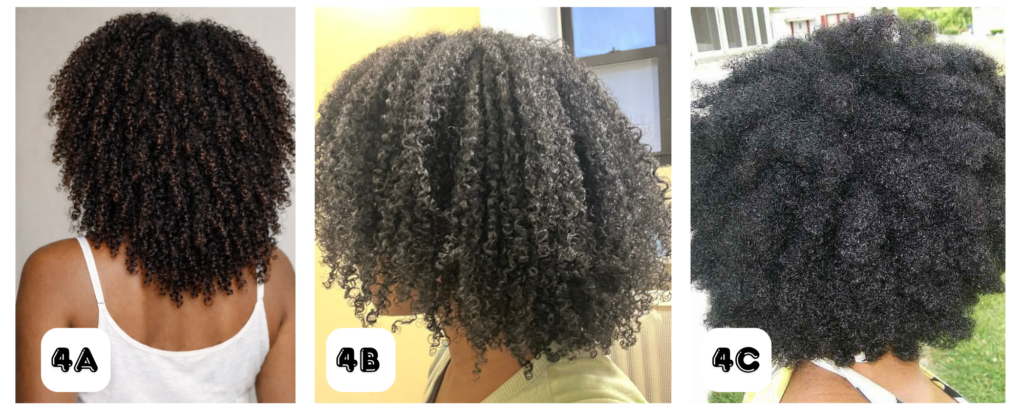
4A vs 4B vs 4C Hair: What’s the Difference?
One of the biggest reasons people struggle to identify true 4C hair is because the differences between Type 4 hair textures can be subtle. While all Type 4 hair shares a coily structure, each subtype has characteristics that make it unique.
Type 4A Hair
Type 4A hair typically has the most visible curl pattern within the Type 4 category. The curls are often small, springy, and shaped like tight “S” patterns. Because the curl definition is more noticeable, 4A hair may appear less dense than it actually is.
People with 4A hair still experience shrinkage, but the curls are usually easier to see without stretching or defining the hair.
Type 4B Hair
Type 4B hair falls between 4A and 4C hair. Instead of forming clear “S” shaped curls, the strands often bend at sharp angles, creating a zig-zag pattern.
This texture may appear fluffier than 4A hair and often has less visible definition. However, the pattern is usually easier to identify than true 4C hair.
Type 4C Hair
Type 4C hair has the tightest coil pattern of all the Type 4 textures. The coils are extremely compact and may not be immediately visible, especially when the hair is dry.
It typically experiences the highest amount of shrinkage and often appears dense, soft, and full. While 4C hair can look similar to 4B hair at first glance, the coils are generally tighter and more compact.
Learning about different type 4 hair textures can help you better understand where your own hair fits within the type 4 family. At the same time, remember that hair typing is only a guide. Your hair’s health and needs matter far more than the label attached to it.
Mistakes People Make When Identifying 4C Hair
Many people misidentify their hair type because they rely on a single characteristic instead of looking at the complete picture. While hair typing can be helpful, it’s important to understand what truly defines 4C hair and what doesn’t.
1. Assuming All Type 4 Hair Is 4C
One of the most common mistakes is assuming that every tightly coiled texture automatically falls into the 4C category. In reality, 4A, 4B, and 4C hair can sometimes look similar, especially when the hair is dry or not fully defined.
This is why comparing your hair to different type 4 hair textures can be helpful when trying to identify your curl pattern more accurately.
2. Using Shrinkage Alone To Identify Hair Type
While significant shrinkage is a common characteristic of 4C hair, it should not be the only factor you consider. People with 4A and 4B hair can also experience substantial shrinkage.
Instead of focusing on shrinkage alone, observe your coil pattern, density, texture, and how your hair behaves in different conditions.

3. Believing 4C Hair Has No Curl Pattern
Another common misconception is that 4C hair does not have a curl pattern. Every hair type has a natural pattern, including 4C hair. The difference is that the coils are extremely tight and compact, making them less obvious than looser curl types.
Sometimes the pattern becomes more visible after moisturizing, stretching, twisting, or washing the hair.
4. Ignoring Other Hair Characteristics
Many people focus entirely on curl pattern while overlooking other important factors such as density, strand thickness, and porosity.
For example, someone with high-density hair may assume they have 4C hair simply because their hair looks fuller. However, density and curl pattern are not the same thing. Understanding hair density vs hair thickness and understanding hair porosity can give you a more complete picture of your hair’s needs.
The best way to identify your hair type is to look at all of these characteristics together rather than relying on a single feature.
How To Confirm If You Have True 4C Hair
If you’re still unsure if your hair is truly 4C, the best approach is to observe how it behaves under different conditions. Rather than relying on a single characteristic, look at multiple factors together to get a more accurate picture of your texture.
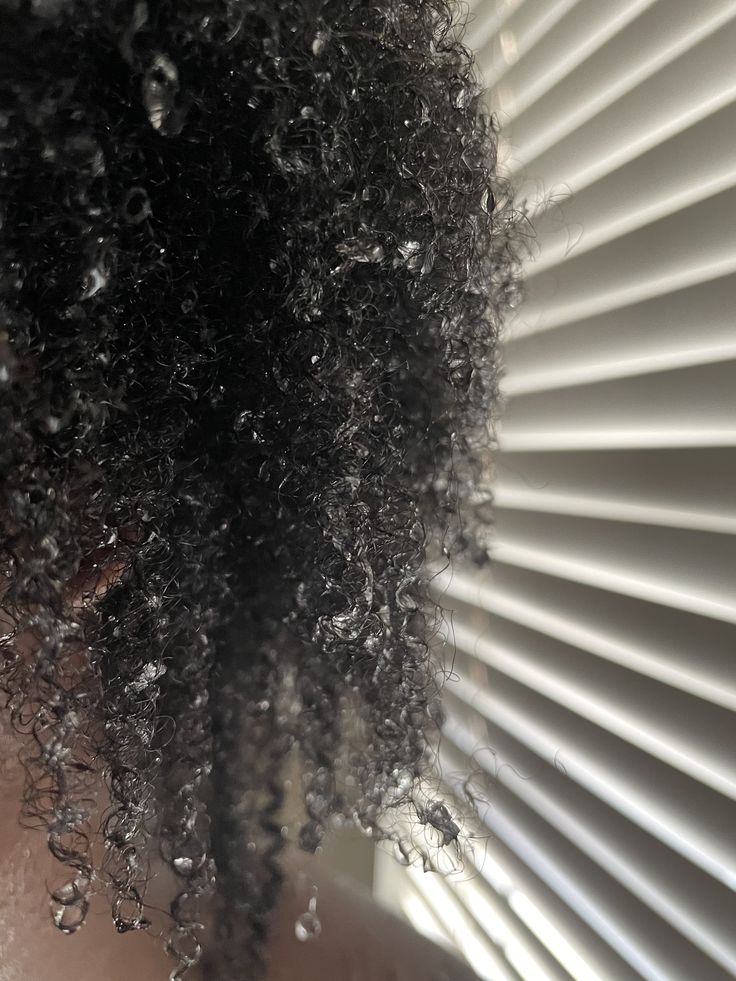
Observe Your Hair When Wet
Water often reveals details about your hair that may not be visible when it’s dry. After washing your hair, pay close attention to how your strands clump together and if a curl or coil pattern becomes visible.
Some people discover that their hair appears more like 4A or 4B when wet, while others notice that their coils remain extremely tight even after being fully saturated.
Observe Your Hair When Dry
Once your hair dries, look at how much it shrinks and how visible the pattern remains. True 4C hair often appears much shorter than its actual length because the coils contract tightly as the hair dries.
This is also a good time to assess your hair’s volume and overall texture.
Compare Your Hair To Known Examples
Looking at real-life examples of 4A, 4B, and 4C hair can help you identify similarities and differences. However, avoid relying on a single photo because lighting, styling, and product use can dramatically change how hair appears.
Instead, compare multiple examples and focus on patterns rather than exact appearances.
Measure Your Shrinkage
Shrinkage is one of the easiest ways to identify Type 4 hair. Take a small section of hair and gently stretch it to see its full length.
If your hair appears dramatically shorter in its natural state than when stretched, you’re likely dealing with a tightly coiled texture. If shrinkage has always been a mystery to you,

Monitor How Your Hair Responds To Products
Your hair’s reaction to moisture, leave-in conditioners, oils, and styling products can provide useful clues about its texture and needs.
Many people find that building a consistent routine teaches them more about their hair than any chart ever could. As you learn what works for your hair, you’ll gain a clearer understanding of its unique characteristics.
What To Do After Identifying Your Hair Type
Once you’ve identified your hair type, it can be tempting to focus entirely on the label. However, knowing that you have 4C hair is only the beginning. The real value comes from understanding what your hair needs and creating a routine that supports its health.
Learn Your Hair’s Unique Needs
Although 4C hair shares many common characteristics, no two heads of hair are exactly the same. Factors such as density, strand thickness, porosity, and scalp condition can all affect how your hair responds to products and styling techniques.
Take time to observe how your hair reacts to moisture, oils, leave-in conditioners, and protective styles. The more familiar you become with your hair’s behavior, the easier it will be to make informed decisions about your routine.
Build a Consistent Hair Care Routine
Healthy hair thrives on consistency. Rather than constantly switching products or trying every trend you see online, focus on developing a routine that works for your hair.
A simple routine may include regular cleansing, deep conditioning, moisturizing, sealing, and protective styling when needed. Over time, consistency often delivers better results than chasing the latest hair care hacks.
This is where building a healthy 4c hair routine becomes more important than focusing on hair typing alone.
Choose Products Based on Results, Not Labels
Many products are marketed specifically for 4C hair, but that doesn’t automatically mean they’ll work for everyone. Your hair’s response to a product matters far more than the claims printed on the packaging.
Pay attention to how your hair feels after using a product. Does it remain moisturized? Does it feel soft and manageable? Does it reduce breakage? These observations will help you determine if a product deserves a permanent place in your routine.
Focus on Hair Health Rather Than Comparisons
One of the biggest mistakes people make after identifying their hair type is comparing their hair to someone else’s. Two people can both have 4C hair and still have completely different lengths, densities, and styling preferences.
Instead of measuring your progress against what you see on social media, focus on your own goals. Healthy hair is not defined by length alone. Strength, moisture retention, reduced breakage, and overall manageability are all signs of progress worth celebrating.
Be Patient With Your Hair Journey
Learning about your hair takes time. As you continue experimenting with products, techniques, and routines, you’ll gain a deeper understanding of what works best for you.
The goal isn’t to fit perfectly into a category. The goal is to develop habits that help your hair remain healthy, strong, and manageable for the long term.
Frequently Asked Questions
Can 4C Hair Become Curly?
4C hair already has a natural curl pattern. Because the coils are extremely tight, the pattern may not always be obvious. Moisturizing, twisting, braid-outs, and other styling techniques can make the pattern appear more defined.
Is 4C Hair The Thickest Hair Type?
Not necessarily. Hair type and strand thickness are two different things. Some people with 4C hair have fine strands, while others have medium or coarse strands. The curl pattern alone does not determine thickness.
Can 4C Hair Grow Long?
Absolutely. 4C hair can grow just as long as any other hair type. The key challenge is often retaining length rather than achieving growth. Proper moisture, gentle handling, and consistent care play a major role in maintaining healthy hair over time. Many people are surprised by how much length they actually have once shrinkage is taken into account.
If you’re curious about long-term growth, topics such as can 4c hair grow long and length retention for 4c hair are worth exploring.
Final Thoughts
Identifying true 4C hair becomes much easier when you look beyond labels and focus on your hair’s actual characteristics. Tight coils, significant shrinkage, a soft cotton-like texture, and volume are all common traits, but no two heads of 4C hair will look exactly the same.
Instead of trying to fit perfectly into a specific category, pay attention to how your hair behaves, how it responds to products, and what helps it stay healthy. Understanding your texture is not about limiting your options; it’s about learning how to care for your hair with confidence.
As you continue your natural hair journey, you’ll discover that building a consistent routine matters far more than the label attached to your hair type. That’s why many people find success by focusing on building a healthy 4c hair routine rather than obsessing over hair typing alone.
The better you understand your hair, the easier it becomes to help it thrive.

5 Comments