
Monthly Hair Care Checklist For Your 4C Hair
Disclosure: Some of the links in this post are affiliate links. This means if you click on the link and purchase an item, I will receive an affiliate commission at no extra cost to you.
You’ve probably heard people talk about daily hair routines and weekly wash days. Those habits are important because they help you stay consistent and keep your hair looking and feeling its best.
But some parts of healthy hair care don’t need your attention every single week.
That’s exactly where a monthly 4C hair checklist comes in.
Think of it as a regular check-in with your hair. It’s a chance to slow down, look at how your hair has been responding over the past few weeks, and take care of the things that are easy to overlook during your usual routine.
For example, product buildup can happen gradually without you noticing. Your ends might become dry long before they begin to split. Even your favorite products can stop giving your hair the same results as your hair’s needs change.
A monthly routine helps you catch these small changes before they turn into bigger problems.
It also gives you the opportunity to celebrate your progress. Maybe your hair feels softer than it did a month ago. Maybe detangling has become easier, or you’ve started noticing less breakage on wash day. Those little improvements are worth paying attention to because they show that your routine is working.
If you’ve already established a daily routine and a weekly 4C hair routine, this monthly check-in is the next piece of the puzzle. Instead of constantly wondering what your hair needs, you’ll begin making decisions based on what you’ve observed over time.
By the end of this guide, you’ll have a practical monthly 4C hair checklist that you can come back to every month to help keep your hair healthy, strong, and easier to manage throughout the year.

Why A Monthly Hair Check-In Matters
A lot can happen to your hair in four weeks.
Your scalp produces natural oils, styling products gradually build up, protective styles begin to loosen, and your ends experience daily wear from brushing against clothing, pillowcases, and the environment around you.
None of these changes happen overnight, which is why they’re easy to miss.
That’s one of the biggest benefits of having a monthly 4C hair checklist.
Instead of waiting until your hair feels unusually dry or starts breaking more than usual, you’re setting aside time to notice small changes while they’re still easy to manage.
You might realize that your current leave-in conditioner isn’t keeping your hair moisturized as well as it used to.
You may notice that one section of your hair tangles more than the rest or that your scalp feels a little itchier than normal.
These observations help you adjust your routine before frustration sets in.

A monthly check-in is also a great reminder that healthy hair isn’t built by one miracle product. It’s the result of small habits repeated consistently over time.
That could mean replacing a worn-out satin bonnet, cleaning your brushes, trimming damaged ends, or simply recognizing that your hair has become easier to detangle than it was a few months ago.
Those small moments tell you just as much about your progress as a tape measure ever could.
As your routine becomes more consistent, you’ll probably notice that many of the habits you’ve built into your daily and weekly schedule start paying off.
Looking back every month helps you see that progress more clearly while giving you the chance to make small adjustments where they’re needed.
If you’re still getting familiar with your natural texture, spending some time learning what makes 4C hair unique can help you understand why your hair responds the way it does.
And if you’ve only recently settled into a weekly routine, this monthly review is the perfect way to make sure those habits are moving you in the right direction.

1. Remove Product Buildup With a Clarifying Wash
One of the easiest things to overlook is product buildup.
Throughout the month, your hair comes into contact with leave-in conditioners, creams, oils, gels, edge control, and even minerals from the water you use on wash day.
While each product may work well on its own, they can gradually build up on your hair and scalp over time.
When that happens, you may notice that your favourite moisturizer doesn’t seem to work as well as it used to.
Your hair might feel heavy, look dull, or become harder to style, even though you’re following the same routine.
That’s often a sign that your hair needs a fresh start rather than another layer of product.
Using a clarifying shampoo once a month helps remove stubborn buildup that regular shampoos may leave behind. It gives your scalp a thorough cleanse and allows your conditioners and moisturizers to work more effectively afterwards.
If your hair is usually exposed to lots of styling products or hard water, you may benefit from clarifying a little more often.
On the other hand, if you wear low-manipulation styles and use fewer products, once every four to six weeks is often enough.
The goal isn’t to strip your hair. It’s simply to give it a clean foundation before continuing with the rest of your routine.
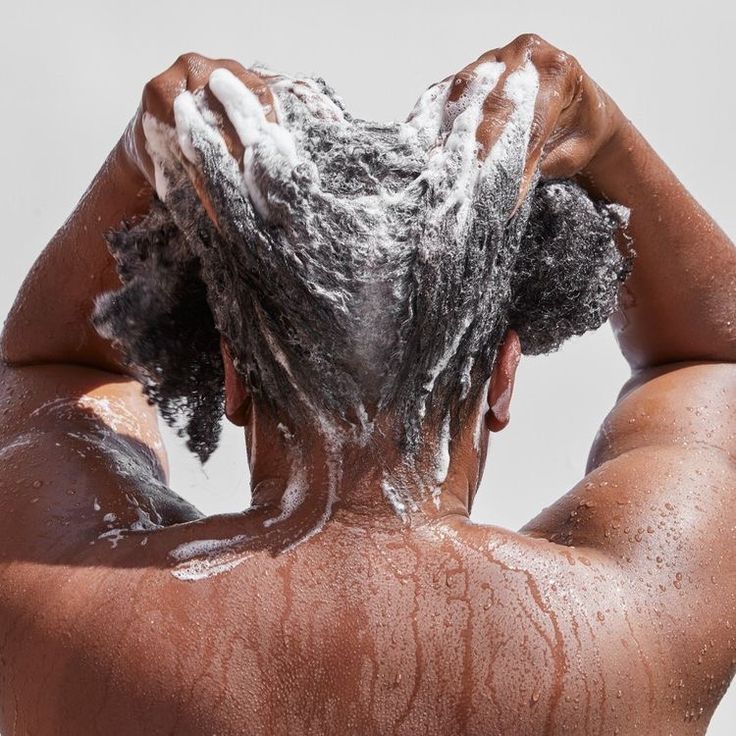
Once you’ve clarified your hair, don’t skip the next step.
Clarifying shampoos are designed to deep clean, which means they can leave your strands feeling a little drier than usual.
Following up with a rich conditioner helps replace some of that lost moisture before you begin styling again.
The products you use afterwards matter just as much as the shampoo itself. A conditioner that provides plenty of slip and hydration can make detangling easier and leave your hair feeling softer once it’s dry.
If you’ve noticed that your hair still feels coated even after shampooing, or your moisturizer seems to disappear almost immediately, it could be a sign that it’s time to reconsider the products you’re using.
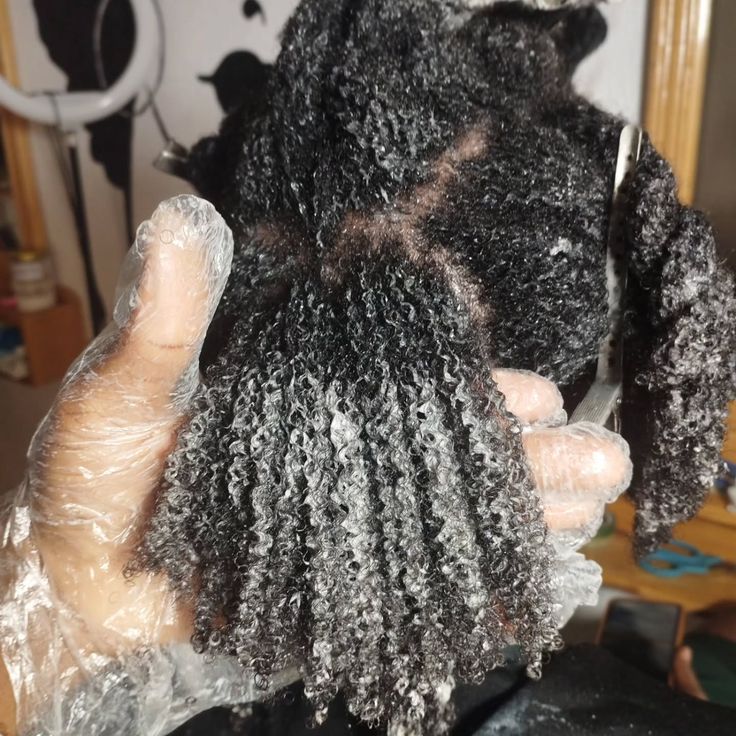
If product buildup has been a recurring issue, choosing the right shampoo can make future wash days much easier.
And if your hair always feels a little dry after cleansing, giving it some extra moisture before styling can make a noticeable difference throughout the rest of the month.
2. Check Your Ends Before They Become a Problem
Healthy hair doesn’t just start at the roots; it also depends on how well you care for your ends.
Your ends are the oldest part of your hair, which means they’ve experienced the most washing, detangling, styling, and everyday wear. Over time, they naturally become more fragile than the rest of your strands.
That’s why your monthly check-in is the perfect time to slow down and really look at them.
Instead of waiting until your hair starts tangling excessively or breaking during detangling, gently stretch a few sections of your hair and examine the ends in good lighting.
Do they still feel smooth?
Or do they look thin, rough, dry, or uneven?
You don’t have to trim your hair every month. In fact, many people don’t need to. The goal is simply to notice changes early enough to prevent split ends from traveling farther up the hair shaft.
Sometimes all your ends need is a little extra moisture and protection. Other times, a light trimming is enough to keep your hair healthy without sacrificing noticeable length.
Learning to recognize that difference can make a big impact on your length retention over time.
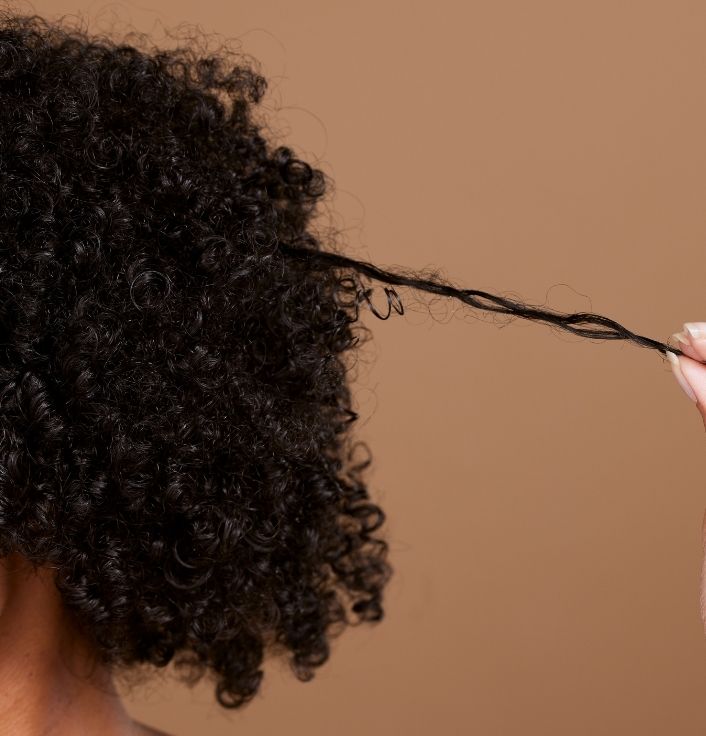
Healthy ends are one of the biggest reasons some people are able to keep the length they grow while others feel like their hair never gets any longer.
Looking after them consistently is often more effective than constantly searching for a new growth product.
And if you’ve been noticing more breakage lately, it’s worth taking a closer look at the everyday habits that could be causing it.
Small changes in how you handle your hair can protect the length you’ve worked so hard to keep.
3. Give Your Scalp a Proper Health Check
Your hair can only be as healthy as the scalp it’s growing from.
That’s one reason your monthly check-in shouldn’t focus only on your strands. Taking a few extra minutes to look after your scalp can help you spot small issues before they become frustrating problems.
Start by parting your hair in a few different places and looking closely at your scalp.
Does it look clean?
Do you notice flakes, redness, excessive oil, or dry patches?
Even if everything looks healthy, pay attention to how your scalp feels. Persistent itching, tenderness, or irritation isn’t something you should ignore.
Sometimes it’s simply a sign that product has built up over the past few weeks. Other times, your scalp may just need a little extra moisture or a gentler cleansing routine.
This monthly check-in also gives you a chance to see if your current products are working for your scalp and not just your hair.
A routine that leaves your strands soft but constantly irritates your scalp may need a few adjustments.

If your scalp looks healthy, that’s great. The goal isn’t to find something wrong every month; it’s simply to become familiar with what’s normal for you.
The more often you check, the easier it becomes to notice when something changes.
A quick fingertip massage can also be a nice addition to your monthly routine.
Besides feeling relaxing, it encourages you to pay closer attention to different areas of your scalp. As you massage, notice if any spots feel unusually tender or sensitive.
Small observations like these are easy to miss during a busy wash day but become much more obvious when you intentionally slow down once a month.

Some scalp concerns develop gradually, which is why they’re often overlooked until they become uncomfortable. Paying attention once a month makes it much easier to notice those subtle changes early.
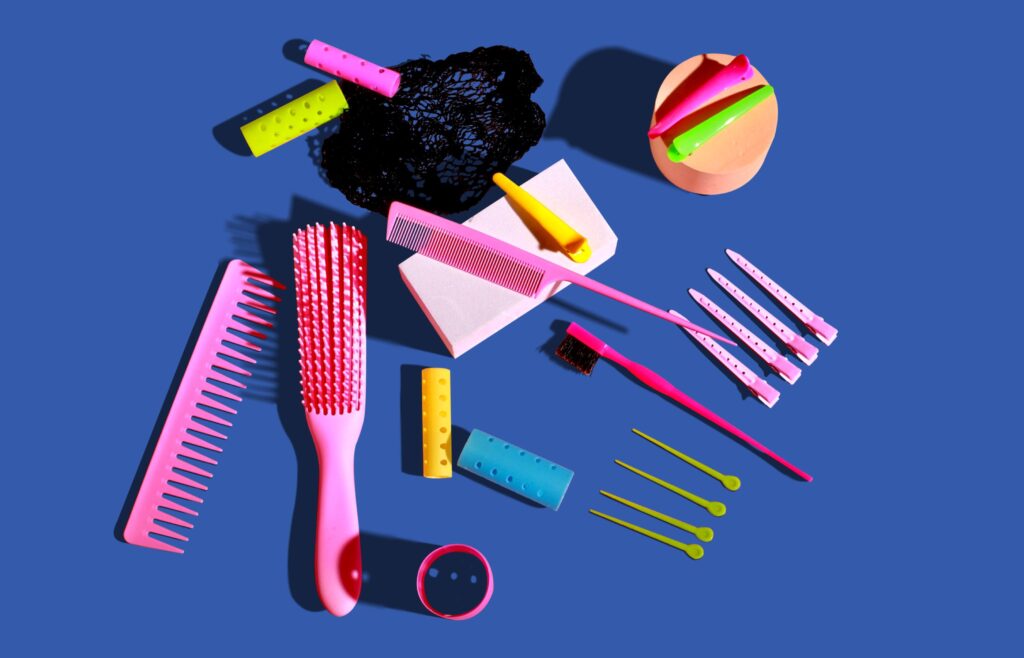
4. Clean Your Hair Tools
Hair brushes, combs, clips, and even satin bonnets quietly collect product residue, dust, loose hairs, and oils throughout the month.
Because you use them so often, it’s easy to forget they need cleaning too.
Think about it this way: after spending time washing your hair and getting your scalp nice and clean, the last thing you want is to put product-covered tools right back into your freshly washed hair.
Once a month, gather everything you regularly use.
Remove trapped hair from your brushes and combs, wash them with warm water and a gentle soap, then allow them to dry completely before using them again.
The same goes for spray bottles, sectioning clips, satin scarves, bonnets, and pillowcases. Keeping these clean helps create a healthier environment for both your hair and your scalp.
Cleaning your tools doesn’t take very long, but it’s one of those small habits that’s surprisingly easy to postpone.
Adding it to your monthly checklist means you don’t have to remember it randomly; it simply becomes part of your routine.

5. Take a Fresh Look at the Products You’re Using
It’s easy to keep buying the same products month after month simply because they’re familiar.
Sometimes that’s exactly the right decision.
Other times, your hair may be telling you it’s ready for a different product.
Your monthly check-in is the perfect time to think about how your products have actually been performing instead of using them out of habit.
Ask yourself a few simple questions.
Is your moisturizer still keeping your hair soft for several days, or does your hair feel dry again by the next morning?
Does your leave-in conditioner make detangling easier, or are you still spending longer than you’d like working through knots?
Does your gel give you the hold you want without leaving flakes behind?
The answers can tell you a lot about which products deserve a place in your routine and which ones may no longer be working as well.
Remember, changing products doesn’t always mean they’re bad. Your hair’s needs can change throughout the year. A product that worked beautifully a few months ago may not give you the same results today.

Before buying something new, try using up what you already have and pay attention to how your hair responds.
Introducing several new products at once makes it difficult to know which one is actually making the difference.
Making one small change at a time gives you a much clearer picture of what your hair enjoys and what it doesn’t.
It can also save you money. A crowded bathroom shelf doesn’t always mean a better routine. In many cases, a handful of products that consistently work for your hair is all you really need.
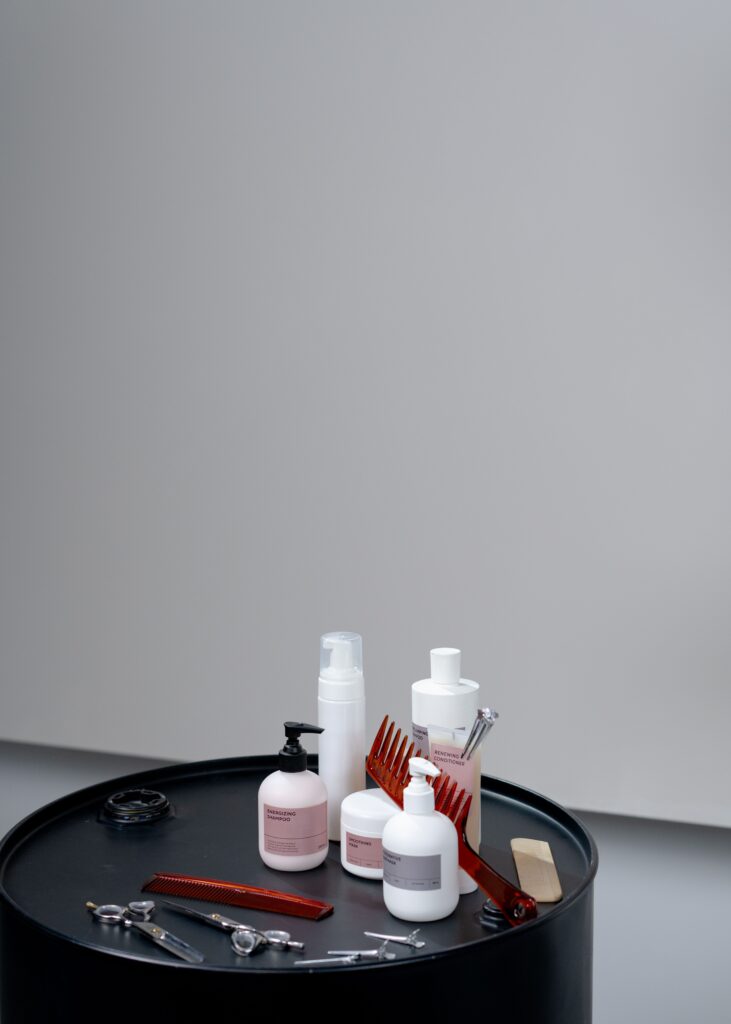
As you become more familiar with your hair, you’ll spend less time chasing every new product that goes viral and more time choosing products that genuinely suit your routine.
6. Think About How Well Your Protective Styles Are Working
Protective styles are meant to make life easier, not create new problems.
That’s why it’s worth looking back at the styles you’ve worn over the past month and asking yourself one simple question:
Did they actually protect my hair?
Maybe your twists stayed neat for two weeks without causing dryness.
Maybe your mini braids gave you beautiful definition but left you spending more time detangling than you expected.
Or perhaps you noticed that one particular hairstyle always leaves your edges feeling sore.
These are the kinds of things your monthly check-in helps you remember.

A good protective style should make your routine simpler while helping you retain moisture and reduce unnecessary manipulation.
If you’re constantly redoing a style after just a few days, it may not be as protective as you thought.
On the other hand, if a style keeps your hair comfortable, moisturized, and easy to maintain, it’s probably worth keeping in your regular rotation.
Monthly reflections like these help you build a routine around what actually works for your lifestyle instead of copying someone else’s.

Not every protective style will suit every person, and that’s perfectly okay. The goal is to find styles that help you care for your hair consistently without adding unnecessary stress.
7. Keep Track of Your Hair’s Progress
One month may not seem like a long time, but it’s enough to notice small improvements if you’ve been paying attention to your routine.
That’s why it’s worth taking a few minutes at the end of each month to reflect on how your hair has been doing.
You don’t need a complicated spreadsheet or a detailed journal. Even a few notes on your phone can help you remember what worked and what you’d like to improve next month.
You could write down things like:
- How your hair felt after wash day.
- Which hairstyle lasted the longest.
- Products that worked particularly well.
- Anything that caused excessive dryness or tangles.
- Whether your hair felt easier to detangle than it did last month.
These little observations become surprisingly helpful over time. Instead of relying on memory, you’ll have a clearer picture of what your hair responds to best.

Tracking your progress also helps you celebrate the wins that are easy to miss.
Maybe your wash day takes less time than it used to.
Maybe you’re seeing fewer broken strands in your comb.
Or perhaps your hair simply feels softer and stays moisturized for longer.
Those improvements deserve just as much attention as visible length because they’re often signs that your routine is moving in the right direction.

Sometimes the biggest progress isn’t measured in inches. It’s measured by how much easier your hair has become to manage.
8. Set One Simple Goal For The Next Month
A monthly checklist isn’t only about looking back.
It’s also a chance to decide what you’d like to improve before your next check-in.
The key is to keep your goal realistic.
Trying to completely change your routine overnight usually leads to frustration. Small improvements are much easier to stick with, and they often have a bigger impact over time.
For example, your goal for next month could be:
- Deep condition every wash day.
- Drink more water consistently.
- Stop skipping your satin bonnet at night.
- Moisturize your hair before it feels dry.
- Detangle more gently.
- Wash your brushes and combs regularly.
None of these goals sound dramatic on their own, but repeating them consistently can completely change the health of your hair over the course of a year.
Instead of trying to do everything perfectly, focus on improving one habit at a time.
Once that habit becomes part of your routine, adding the next one feels much easier.
Healthy hair is usually built that way, not through huge changes, but through small decisions repeated over and over again.
Final Thoughts
Looking after your hair every month doesn’t have to feel like another task on your to-do list.
Instead, think of it as setting aside a little time to check in with your hair and see how it’s doing. Some months, you might notice that everything is working well. Other months, you may realise your hair needs a little extra moisture, a trim, or a change in your routine. Both are completely normal.
The purpose of a monthly 4C hair checklist isn’t to find something wrong every time you sit down with your hair. It’s to build awareness. The more familiar you become with your hair, the easier it is to spot small changes before they turn into bigger concerns.

Over time, you’ll probably find yourself spending less time guessing and more time understanding what your hair responds to. You’ll know when it’s time to clarify, when your ends need a little extra attention, and when your favorite products are still doing exactly what they should.
That’s the kind of confidence that doesn’t come from following every trend online. It comes from paying attention to your own hair and staying consistent with the habits that work for you.
If your monthly check-in shows that your hair is softer, easier to manage, or breaking less than it did a few weeks ago, you’re already moving in the right direction. And if things aren’t improving as quickly as you’d hoped, don’t feel like you need to start from scratch. Sometimes one small adjustment is all it takes to get your routine back on track.

The healthiest routines aren’t usually the most complicated ones.
They’re the routines you can keep coming back to, month after month, because they fit your lifestyle and give your hair exactly what it needs.
So the next time a new month begins, don’t just think about your schedule.
Take a few minutes to check in with your hair too.
You might be surprised by how much those small monthly habits add up over the course of a year.






6 Comments